
Understanding Vacuum Insulated Glazing
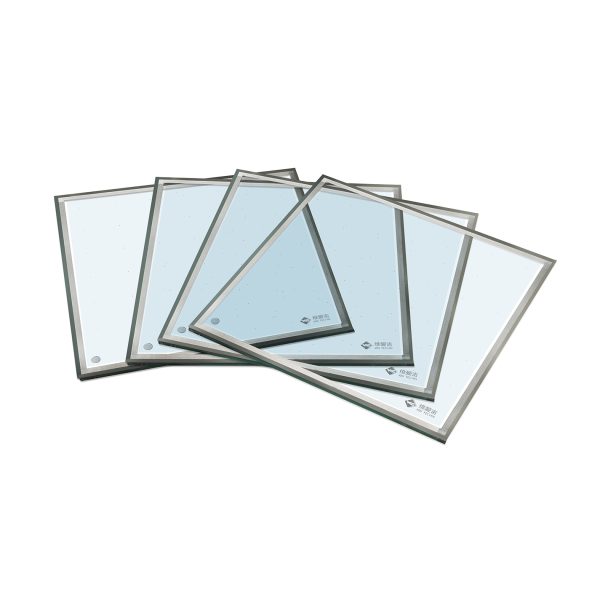
Vacuum insulated glazing (VIG) represents a significant leap forward in window technology, providing unparalleled thermal performance. Utilizing a vacuum between two panes of glass, this innovative solution minimizes heat transfer, ensuring optimal indoor climates. It’s not just about energy savings; VIG significantly lowers condensation risks, making it ideal for environments that demand consistent temperature control.
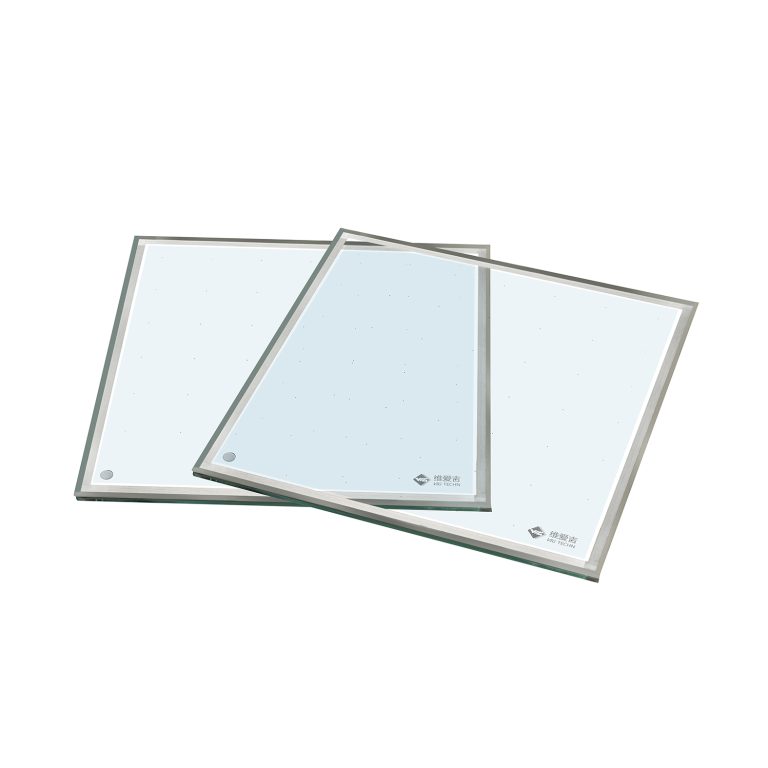
The application of vacuum insulated glazing is extensive, impacting both residential and commercial buildings. For instance, modern architecture often incorporates these panels to enhance aesthetic appeal while boosting their energy efficiency ratings. By choosing vacuum insulated glazing, homeowners can enjoy reduced heating costs during winter months and cooler interiors during summer, proving essential for sustainable living.
The Most Effective Window Insulation
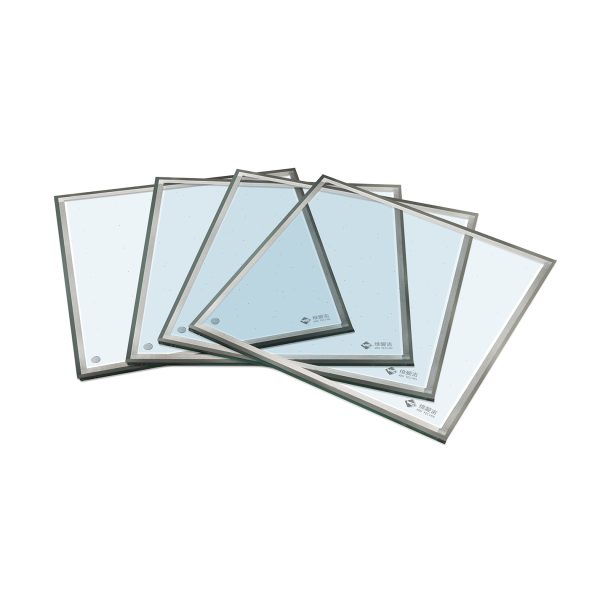
When evaluating window insulation options, many stakeholders often seek the most effective solution. The most effective window insulation comes from incorporating advanced technologies like vacuum insulated glazing. This product not only provides superior insulation values but also complies with stringent environmental standards, appealing to eco-conscious consumers and builders alike.
Real-world deployments showcase significant energy savings, as evidenced by numerous case studies where buildings utilizing VIG report reduced energy consumption by up to 40%. This palpable impact on operational costs makes vacuum insulated glazing an intelligent investment, ensuring properties remain competitive in a market increasingly driven by sustainability metrics.
The Advantage of Thermally Efficient Windows
Investing in thermally efficient windows is crucial for any construction endeavor aiming for energy sustainability. Such solutions, particularly those employing vacuum insulated glazing, achieve remarkable energy efficiency standards. The adoption of thermally efficient windows translates to not only lower energy bills but also enhanced comfort, as they effectively mitigate drafts and temperature fluctuations within interiors.
Moreover, thermally efficient windows contribute to LEED certification and other energy-performance benchmarks, making them a preferred choice for contractors and architects focused on high-performance buildings. By integrating these windows into new builds or renovations, stakeholders can ensure long-term operational savings while simultaneously addressing environmental concerns, solidifying their commitment to sustainable practices.
Summary and Recommendation
Vacuum insulated glazing is foundational for achieving both efficiency and comfort in modern buildings. With its exceptional thermal performance and practical applications, it represents the future of window insulation technology. By opting for the most effective window insulation solution and focusing on thermally efficient windows, property owners can realize substantial decreases in energy expenditure alongside significant improvements in living conditions.
For those looking to implement these advancements, we recommend partnering with SuperVIG, a leading manufacturer in the field. Their commitment to quality and innovation ensures that customers receive not just the product, but also supporting expertise and supply chain efficiency, making them a valuable ally in the quest for energy-efficient building solutions.