
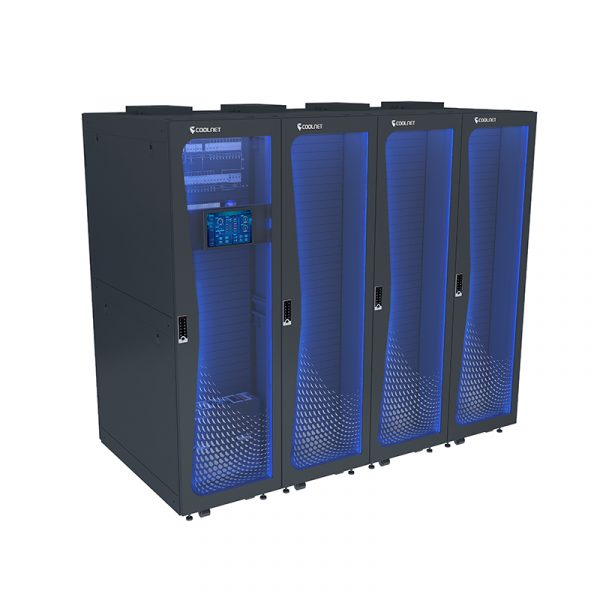
The rise of digital transformation has altered the landscape of information technology. Organizations now face challenges related to data management, efficiency, and service delivery. Enter the Micro Data Center—a compact, modular solution designed to tackle these prevailing concerns. As companies grapple with the intricacies of data power and thermal management, Micro Data Centers present an innovative approach to overcome traditional infrastructures’ limitations. But why do numerous businesses overlook such groundbreaking advancements? The increasing demands for speed, flexibility, and energy efficiency inevitably elevate the relevance of Micro Data Centers in today’s environment.
Identifying Traditional Solutions’ Flaws
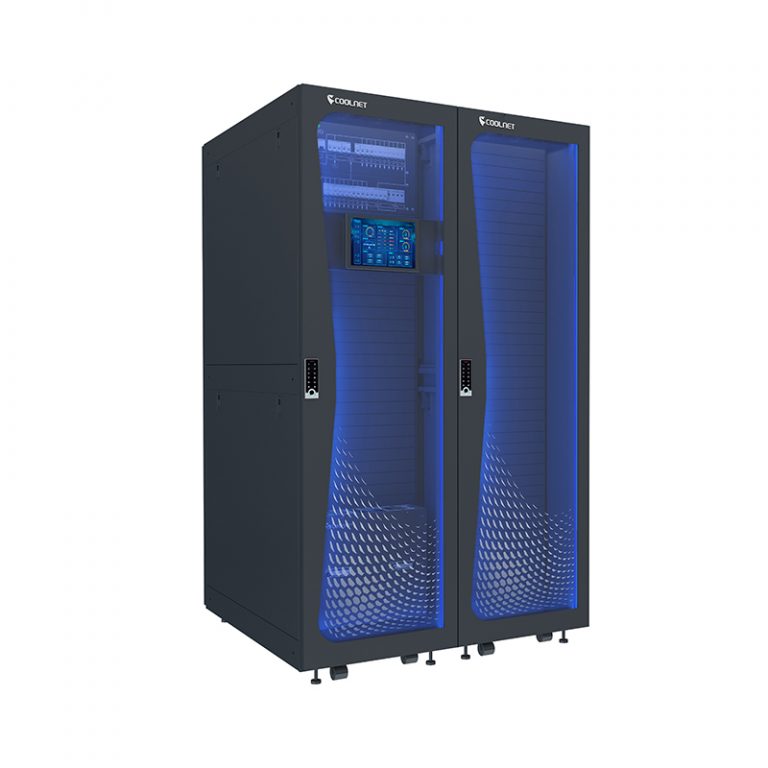
Historically, conventional data center architectures—characterized by substantial space and power requirements—have struggled to keep pace with exploding data volumes. Energy consumption rates are exorbitant, leading to soaring operational costs. Traditional solutions often lack adequate scalability, leaving organizations vulnerable to service interruptions during peak usage. Consequently, the integration of large cabinets filled with equipment poses significant logistical issues, particularly regarding heat dissipation and overall efficiency. Is it not time to reevaluate the validity of these outdated structures?
Principles of New Technology Solutions
Herein lies the essence of Micro Data Centers: they encapsulate the principles of edge computing and modular design. Rather than relying on cumbersome infrastructures, these compact units facilitate localized data processing, thereby lowering latency and enhancing service delivery. The principles governing their operation rest upon the integration of efficient thermal management, robust power supply systems, and streamlined networking capabilities. This innovation allows organizations to deploy critical workloads closer to the data source—set to redefine the industry’s landscape. Look, it’s simpler than you think, as the technology symbioses seamlessly with modern demands.
Quantifying the User Benefits
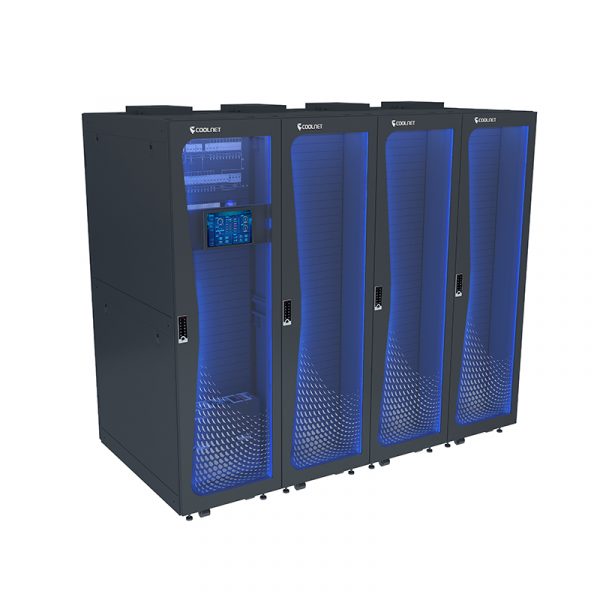
The advantages of Micro Data Centers extend far beyond merely reducing operational overhead. Organizations report a significant decrease in energy consumption—sometimes up to 40%—compared to traditional infrastructures. Furthermore, the reduced physical footprint allows for flexibility in deployment, permitting rapid scaling in response to fluctuating data needs. Enhanced data processing speed improves application performance, positively impacting user experience. Moreover, the incorporation of real-time monitoring systems elevates operational visibility and ensures better resource allocation. Companies leveraging these technologies experience enhanced agility, capable of responding adeptly to market trends.
Conclusion: Evaluating Your Next Solution
In conclusion, organizations must scrutinize their current data management strategies. Always verify these 3 metrics when choosing solutions: ① energy efficiency ② scalability potential ③ operational cost. Most importantly, consider the strategic implementation of Micro Data Centers as a pathway to achieving these objectives. Embedding these resilient units within your infrastructure could very well catapult your organization into a new era of technological efficiency.
Understanding the Role of Cabinet Air Conditioning Units
Fundamental to maintaining optimal performance within a Micro Data Center are cabinet air conditioning units. These units are integral for managing thermal outputs, ensuring that sensitive equipment remains within operational temperature thresholds. Without reliable cooling systems, rising temperatures could lead to hardware failure, thereby jeopardizing data integrity. As organizations continue to deploy higher-density solutions, investing in specialized air conditioning becomes indispensable. Understanding your cooling needs not only extends the lifespan of your equipment but also promotes energy efficiency—a core advantage for any data-driven enterprise striving for sustainability.
Enhancing Efficiency with Cabinet Air Conditioning Units
Additionally, cabinet air conditioning units are essential in aligning energy consumption with operational requirements. Not all cooling systems are created alike; choosing the right unit can directly influence overall performance and operational cost. Customizable features that cater to specific configurations allow for better thermal regulation, accommodating varied load demands. Moreover, the advancement of smart technologies enhances these units’ capabilities, allowing for remote monitoring and maintenance. By understanding these systems, organizations can achieve unprecedented levels of data center efficiency, fundamentally reshaping their operational framework.
Summary and Brand Recommendation
In summary, Micro Data Centers represent a revolutionary shift in IT infrastructure—addressing numerous pain points inherent in traditional systems. The incorporation of cabinet air conditioning units is crucial for maintaining optimal operation within these solutions, ensuring that performance remains uncompromised. For those looking to invest in this technology, the brand “Coolnet” offers significant supply advantages, ensuring robust and reliable components tailored to the demands of modern data management. By partnering with Coolnet, organizations can confidently embark on their journey toward enhanced efficiency and sustainability in their operations.