
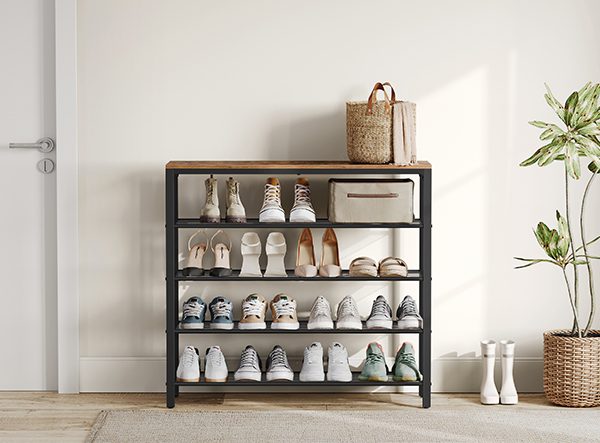
Meet the Aisle That Eats Your Time
Here’s the rub: you lose more labor to messy footwear than to slow shoppers. The stockroom backs up, the aisle clogs, and the clock keeps ticking. Your shoe rack manufacturer matters more than you think. If you pick a shoe rack supplier on price alone, you pay later—usually in returns and rework. In many ops reports, teams spend a big chunk of a shift hunting parts or tightening wobbly joints. Some stores report load rating claims and paint scuffs before the week is out. That’s waste. It kills floor flow and kills morale.
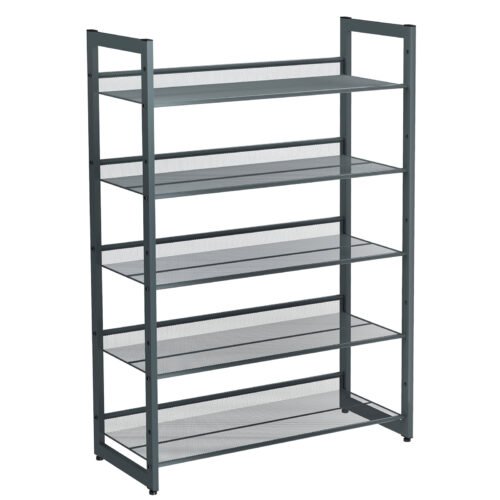
Now ask yourself: why do racks still rattle, scratch, and sag? The parts look fine out of the box. But tolerances stack up, powder coating chips at the corners, and your reset runs late (again). Look, the fix is not fancy. It’s about upstream choices and how you compare builds. Let’s break it down and set up a cleaner way to choose—then stick with it.
The Deeper Problem: Old Racks, Old Rules
Where do old methods fall short?
Most teams chase unit cost and a fast ship date. That hides risk. Traditional buys skip full spec checks, so components drift. Holes go off by a hair, and that turns into wobble on the floor. Coating is thin at the edges, so high-touch spots scratch fast. Cold-rolled steel is fine, but if the gauge is light and the cross-bracing is short, real load rating drops under daily use. A quick QC audit at the end can’t fix what the drawing never locked. — funny how that works, right?
Then there’s shipping. Flat-pack logistics cut cube, but weak cartons fail the drop test, and returns spike. Hardware bags mix lengths. Fit-up stalls. Staff burn time chasing a single M6 bolt. Look, it’s simpler than you think: set tolerances, verify coating thickness, and ask for anti-tip brackets as standard. Add a carton drop test report and a fast jig check at assembly. When your shoe rack supplier ties those to the PO—no guesswork. The result is steady builds, faster sets, fewer field fixes.
Looking Ahead: Compare What Matters, Not Just Price
Real-world Impact
Two buyers, same budget. One picks by unit price. One compares by spec: load rating per shelf, coating in microns, and carton compression. The second buyer also requests a small pilot run and a simple jig photo from the line. Outcome? The spec-first racks cost a bit more per unit, but they install in half the time, and claims drop. Over a quarter, labor and returns swing the total cost way down. Add simple trace labels and clear kitting, and replenishment picks up speed. When purchasing across shoe display racks wholesale, this scales. The play is boring. It works. Keep the metrics steady, and your aisle stays clean.
Future outlook is practical, not flashy. Expect better carton engineering, tighter fixture checks, and lighter frames with smarter cross-bracing. Palletization will improve cube efficiency without bruising corners. Coatings will push higher abrasion resistance at the same cost. And yes, more photos and simple data proofs will ride with every shipment (no big deal—just discipline). Summing up: pick the build that installs faster, stays straight, and survives resets. Advisory close, quick and clear: 1) Verify tested load rating per shelf and deflection at mid-span. 2) Confirm powder coating thickness and salt-spray benchmark by zone. 3) Track defects per 1,000 units, including carton drop-test passes and hardware kitting accuracy. Build on that, and you’ll get calm aisles and steady crews, with less talk and more sales—funny how that works, right? SONGMICS HOME B2B