
Introduction — A Strange Midnight Call, Data, and a Question
I still remember a night call from a site supervisor who sounded half-awake and half-panicked: a dropped wrench had sparked near a vapor line, and everyone froze. Later, as we rewired the checklist by flashlight, I thought about tools that simply refuse to betray you. The term non sparking hammer appears in almost every safety briefing now, and for good reason — some tools actually cut ignition risk (ATEX certification and intrinsically safe practices matter). Industry notes often point to tool-related ignition as a preventable vector, and some reports estimate that tool sparks contribute significantly to small flare events in confined areas (numbers vary by sector). So I ask: how often do we choose tools by habit rather than by hard-tested safety traits?
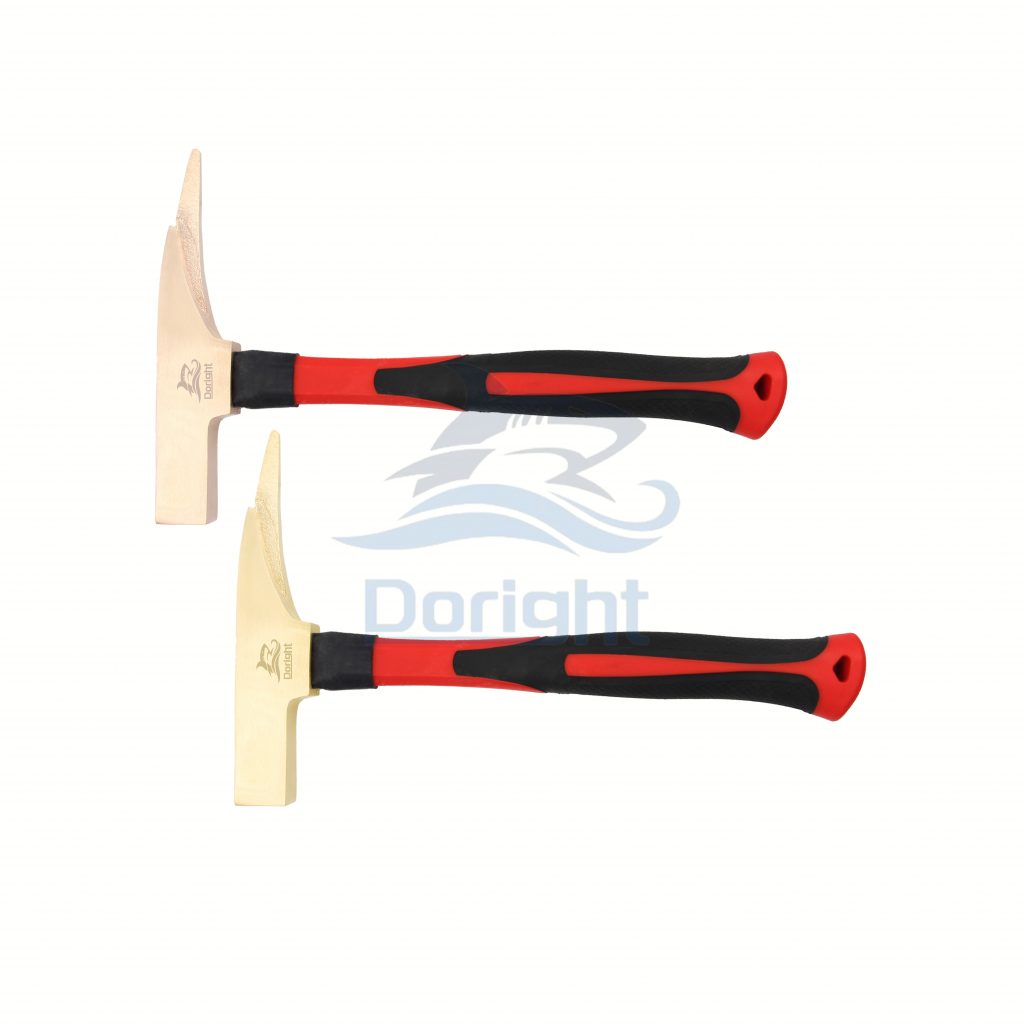
My tone here is a little fanciful — imagine a hammer that refuses to singe a match — yet the stakes are real. I’ll walk you through what I learned on site visits and in lab testing, how manufacturers sometimes miss user needs, and what to watch for next. (Not a lecture — more like stories and shortcuts I wish someone had told me sooner.) Let’s move into the nuts and bolts: why the best non sparking tools are more than just bronze and polish, and what questions you should be asking.
Why Many Solutions Fall Short: The Manufacturer Blindspots (Technical)
What do non sparking hammer manufacturers overlook?
I started digging into product specs and real-world reports from non sparking hammer manufacturers, and a pattern showed up quickly. On paper, many tools meet material standards — antimony bronze or aluminum-bronze alloys that lower spark risk — but on-site conditions change everything. Conductivity, surface finish, and impact energy transfer are all technical details that affect whether a hammer will truly resist sparking under grit, corrosion, or high-velocity impact. Manufacturers often publish hardness and alloy composition, but they rarely test for what happens after a year of knocks, grease, and rough handling. Look, it’s simpler than you think: the lab result is one thing; the dirty, oily day-shift is another.
The second blindspot is ergonomics tied to safety. We saw tools that passed flame-resistance tests but had poor grip geometry, which increased slip risk and forced workers to apply misaligned strikes — and misalignment raises the chance of abrasive metal-to-metal contact that can spark. There’s also the maintenance story: users rarely get clear guidance on surface inspection or reconditioning. So the danger isn’t always the alloy; it’s how the tool ages, how it’s used, and whether maintenance instructions are practical. — funny how that works, right?
Looking Ahead: Case Outlook and Selection Principles
What’s Next for non sparking safety hammer design?
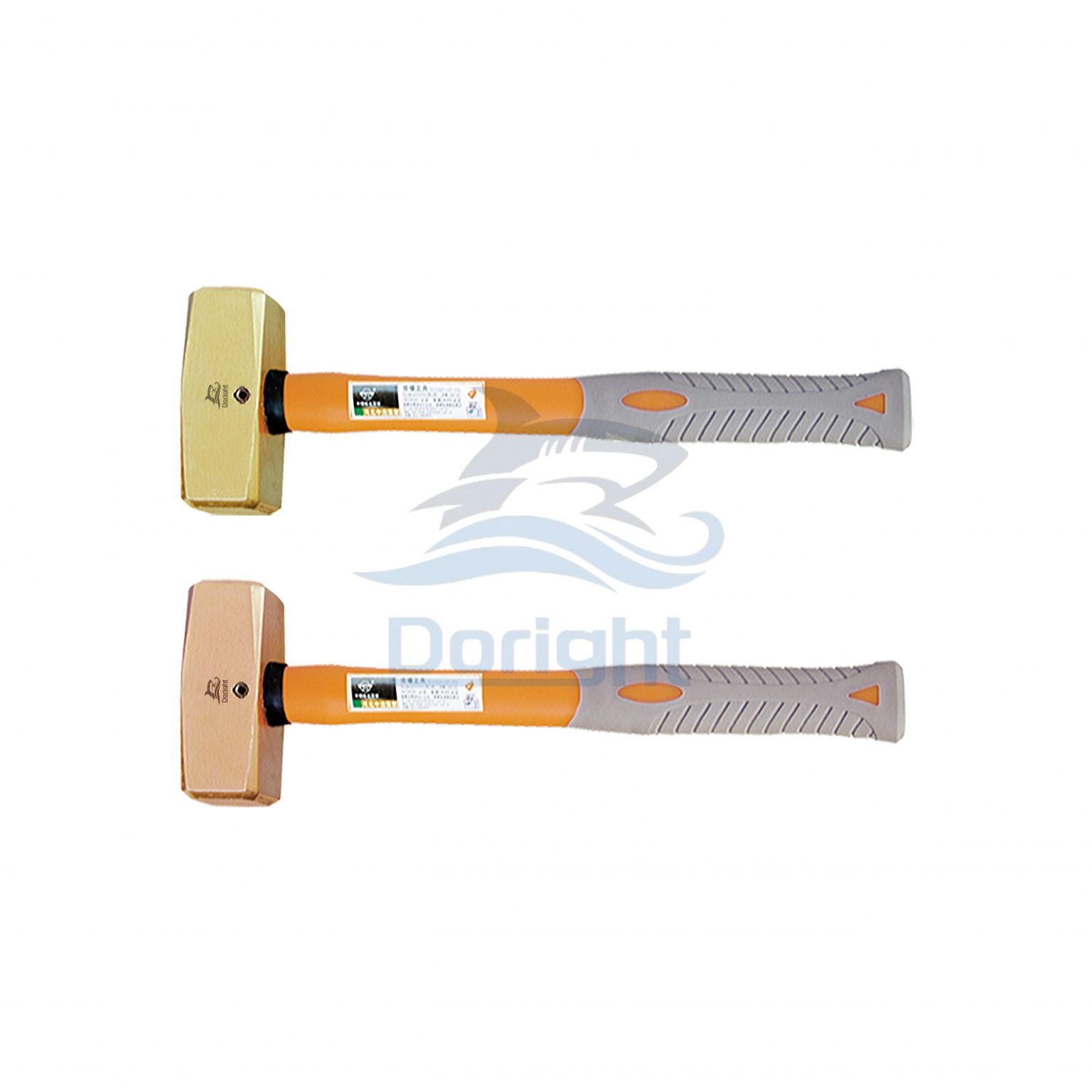
When I look forward, I see two tracks: incremental improvements and a few leaps in design thinking. On the incremental side, better surface finishes and coatings that resist abrasion can keep a tool non-sparking longer. On the leap side, hybrid designs that combine antimony bronze striking heads with non-slip composite grips and clear lifecycle markings could change field practice. I’ve handled prototypes that show promise: the head retains spark resistance after repeated impacts, and the handle signals when replacement is recommended. These tweaks tie directly into explosion-proof protocols and field maintenance workflows — practical stuff, not just patent fodder.
For those choosing tools today, I recommend three quick evaluation metrics: 1) material traceability and post-manufacture testing (has the tool been tested after simulated wear?), 2) ergonomic fit and slip-resistance under oily conditions, and 3) clear maintenance and replacement guidance (labels, lifecycle markers, or reconditioning steps). Use these to compare models — and don’t ignore small print about surface finish or recommended reconditioning intervals. — surprising, but true. I’ve seen safer outcomes when teams treat the tool like a living asset rather than a disposable part. For field-ready supplies and practical options, I often point teams toward trusted suppliers like Doright.