
Under the Beam: The Quiet Gap No One Sees
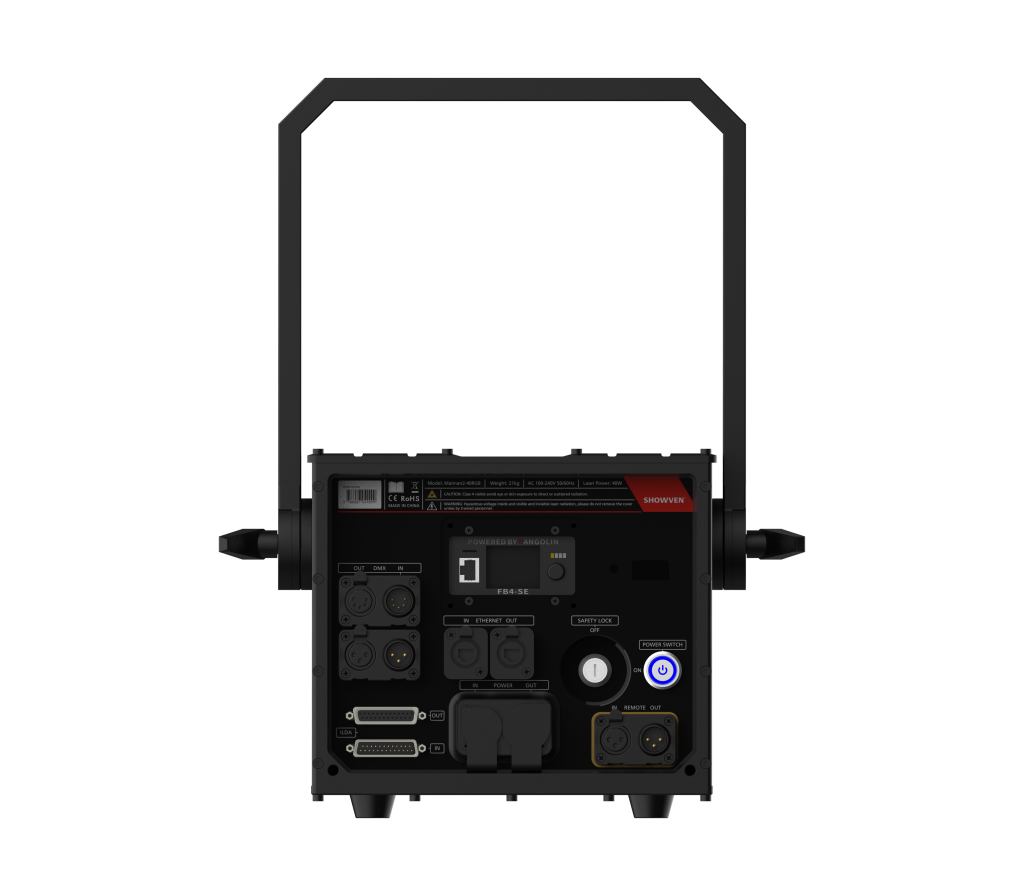
Tonight, the sky looks perfect. Festival laser lights slice the fog in clean, bright lines, as if the night itself were mapped with code. But somewhere offstage, a timer slips, a power converter runs hot, and a zone goes dim for ten long seconds—long enough to break the spell. Surveys from production crews put weather, latency, and rig fatigue at the top of show-day risks, scoring higher than “not bright enough.” So the question sharpens: what if brightness has never been the core problem at all, and predictability is? (That’s the piece people don’t talk about.) The crowd only sees the beam; operators see beam divergence, thermal drift, and control jitter. They also see budgets and deadlines. Here is the twist—solving it is less about brute lumens and more about timing, failover, and sensor feedback. Let’s step behind the curtain and look at why some shows hit every beat while others miss the downbeat by a breath. Next, we peel back the older playbook and where it breaks.
Where Traditional Rigs Falter
Why do good shows still show dark patches?
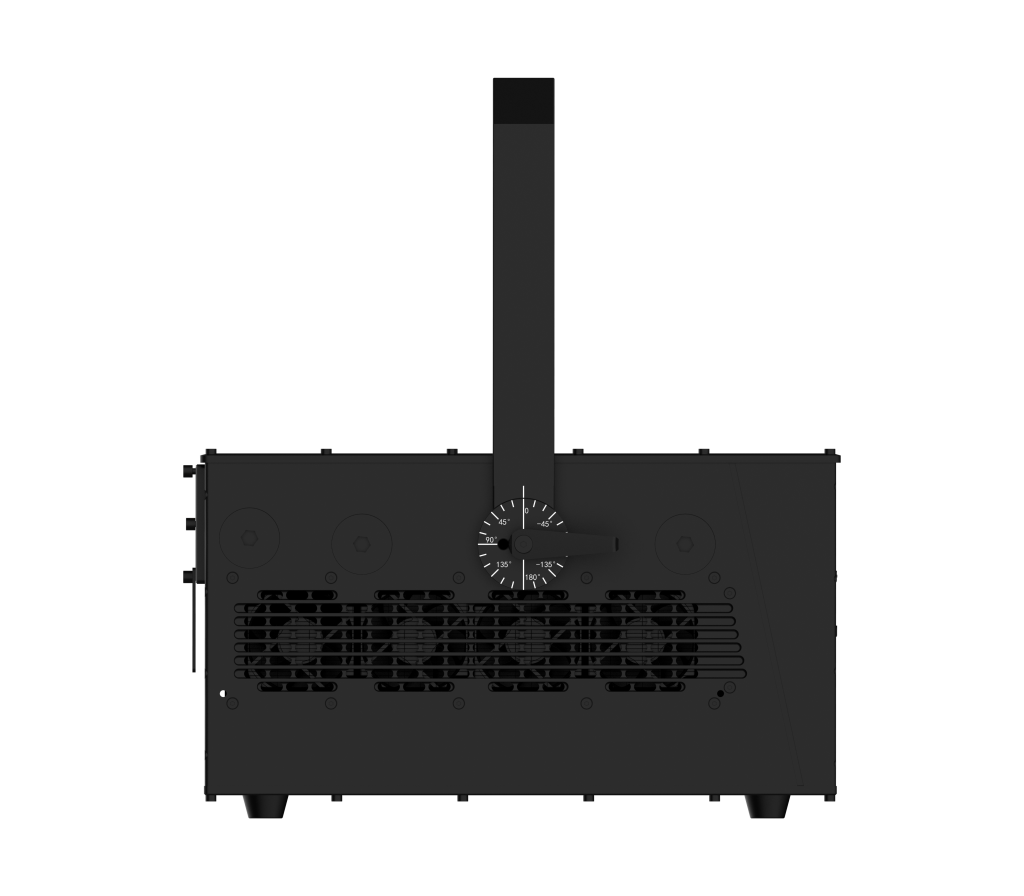
At modern laser light show events, the weak links are not always visible. Many legacy systems rely on daisy-chained DMX lines, mixed vendor firmware, and separate power converters without health telemetry. When wind shifts haze density, beam divergence widens and the galvo scanners must compensate in real time. Older rigs can’t, or they throttle. Heat builds. Thermal throttling cuts output right when the chorus drops. Look, it’s simpler than you think: if your control loop can’t adjust scan speed and power per zone within milliseconds, your cues desync. And when rain hits, non–IP65 housings fog the optics, then alignment drifts another fraction of a degree. Small numbers, big impact.
Then there’s sync. Audio rides SMPTE; lights ride Art-Net; lasers ride their own timing. Without edge computing nodes close to the fixtures, network jitter adds unpredictable delay—funny how that works, right? Operators overcompensate with safety margins, which makes the show feel slow. Audiences don’t name it, but they feel it. The result: lulls after big drops, stray flares in side zones, safety interlocks triggered by noise instead of actual risk. That’s the deeper pain point from Part 1—predictability, not raw power. The fix needs smarter sensing, tighter control loops, and health data you can act on mid-show.
Next-Gen Control: Principles That Change the Show
What’s Next
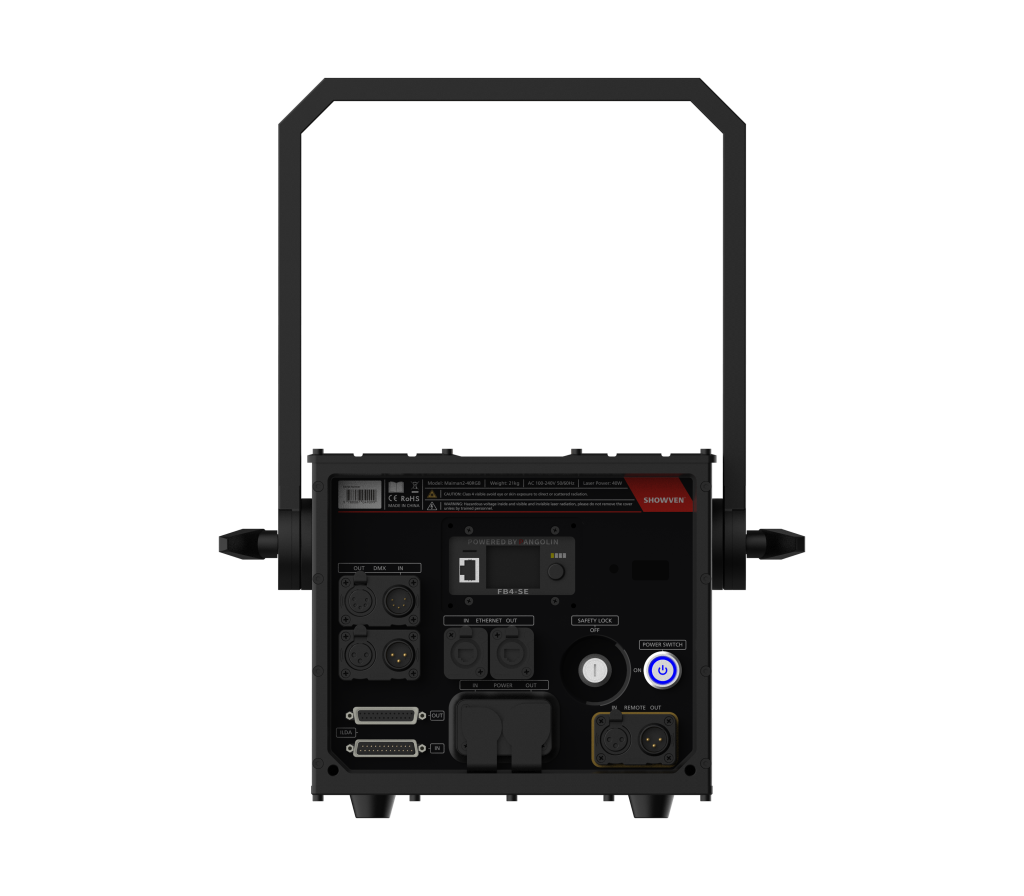
Here’s the forward step. New rigs blend sealed optics, IP65–IP67 builds, and onboard diagnostics with control software that treats lasers like responsive nodes, not dumb endpoints. Instead of one master clock shouting, each head runs a local clock, then time-aligns via PTP over short hops. That shrinks jitter. Edge logic monitors diode temperature, fan RPM, and scanning mirrors, then preempts thermal drift before output sags. Compare that to older designs that react after a cue fails. The difference is clear on windy nights. With adaptive beam shaping and per-fixture power scaling, cues lock even as haze shifts. When paired with waterproof outdoor decorative laser lights, the optics stay dry, and the alignment holds, so your operators stop chasing ghosts—less panic, more precision.
Real-world impact, near term: fewer safety false positives, tighter transitions, and shorter reset cycles after weather hits. Longer term: fixture networks that learn venue patterns, then pre-tune scan angles by zone. Semi-formal, but simple: sensors feed a model; the model trims output; the show stays crisp. Summing up the earlier sections, the old stack leaned on brightness and hope; the new stack leans on telemetry, sync discipline, and rugged housings. To choose well, use three checks. Advisory close: 1) Timing integrity—measure end-to-end latency and jitter at the fixture, not just the console. 2) Environmental resilience—demand sealed optics, IP ratings, and anti-fog paths you can verify. 3) Predictive health—require live diagnostics for diodes, galvos, and fans, plus alerts you can action in-cue. Quiet wins become visible onstage—because what the audience never notices is the real success. Learn more from the engineers shaping these systems at Showven Laser.