

The Challenge of Traditional Solutions
Imagine a hot summer day when utility poles are sagging under the weight of high voltage electricity. Recent statistics show that failures due to traditional porcelain insulators can result in significant outages—lasting hours or even days. This scenario raises a critical question: how can we enhance the reliability of energy networks? The answer lies in innovations like the composite post insulator, designed to tackle the issues associated with conventional insulators.
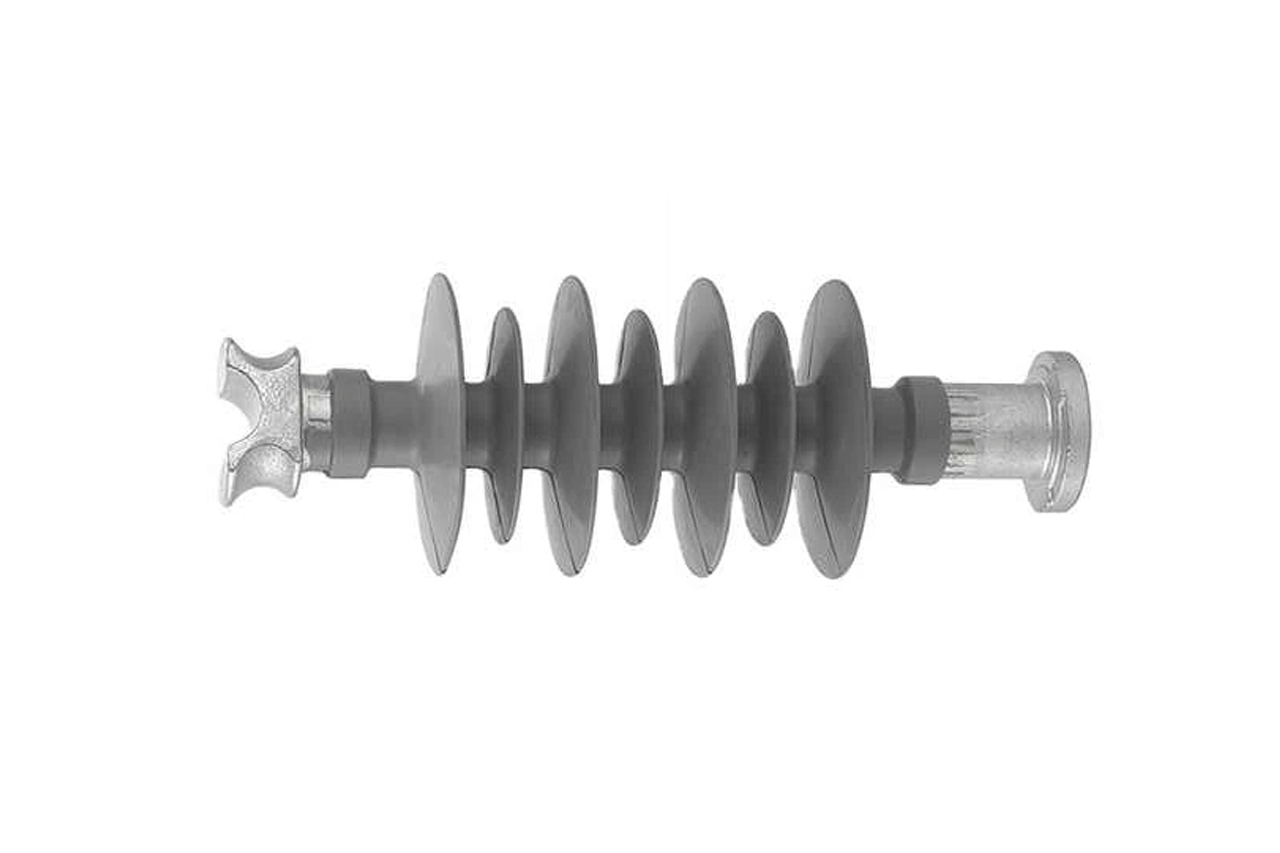
Traditional ceramic insulators can be susceptible to breakage and require regular maintenance. In my experience, I’ve seen firsthand how these vulnerabilities can lead to costly downtime and repairs. I remember a project back in 2018 where we had to replace numerous porcelain insulators after a severe storm, which set us back nearly $15,000. Composite insulators offer strength and resilience that are game-changers in these scenarios—minimizing maintenance needs and enhancing safety on-site.
What Makes Composite Insulators Stand Out?
Composite insulators combine materials such as fiberglass with silicone, yielding a product that is lightweight yet robust. Their non-porous surface prevents water and pollution from settling in, unlike traditional materials. As I’ve learned, this allows for less frequent inspections and upkeep. This is vital for operational efficiency, particularly for utility companies looking to optimize their resources.
The Future: Innovations on the Horizon
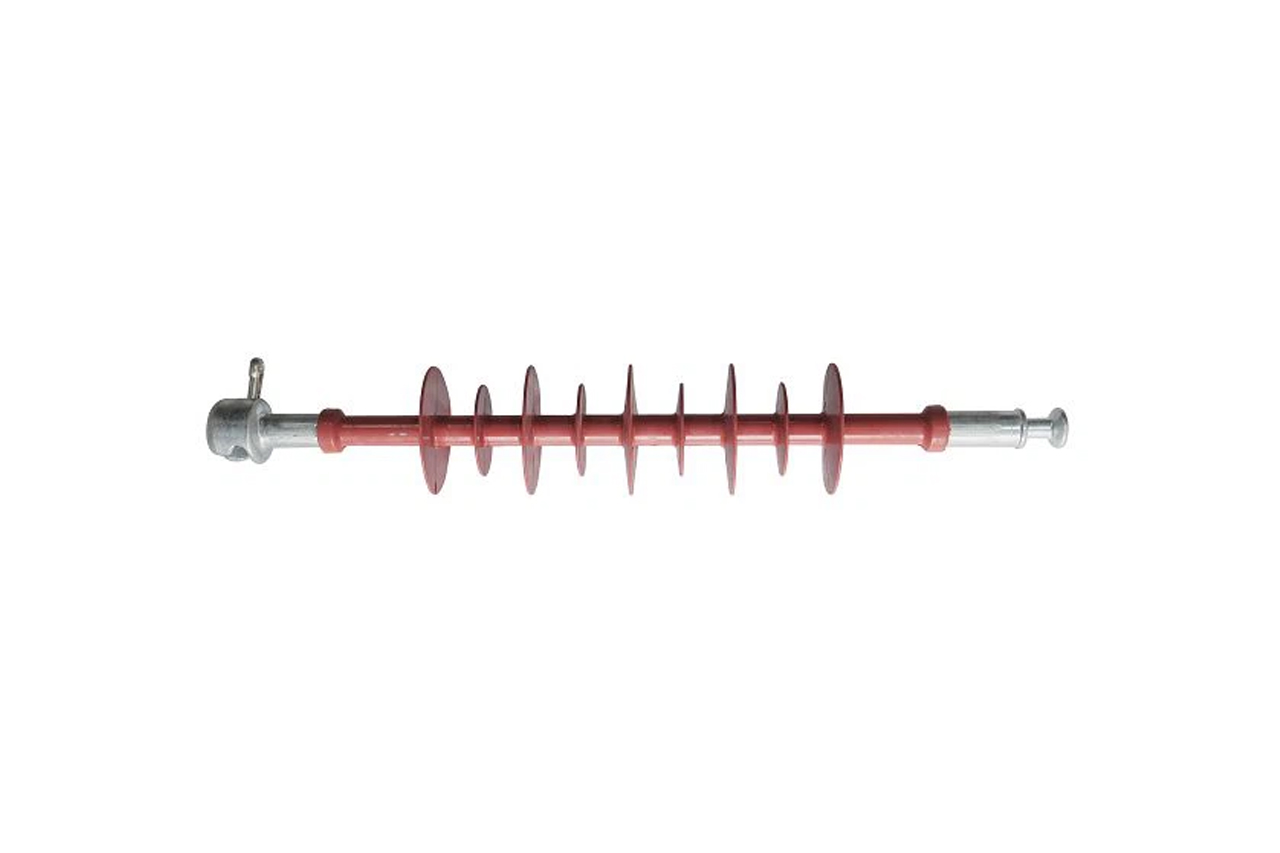
Advancing toward a greener future, manufacturers are now eyeing technologies like the pin type composite insulator. It’s becoming a standard for new installations in urban areas that deal with high traffic and environmental challenges. The flexibility in design and installation process means that these products can be adapted easily for varied applications.
The prospects of composite technology are exciting. As I reflect on the benefits these innovations bring—like resisting UV damage and lowering the risk of electrical insulators failing—it’s clear they are paving the way for more sustainable practices in the field of energy. However, while we embrace these changes, ensuring the right selection for specific environments is crucial. Factors like climate, installation conditions, and intended energy loads must all play into decision-making. Getting it right can prevent potential failures before they even happen.
Real-world Impact of These Innovations
In summary, the transition to composite post insulators isn’t just about keeping up with technology; it’s about reliability, safety, and cost savings. I firmly believe that leaning toward these modern materials will set new standards for performance in the electrical supply industry. By focusing on the strengths—such as minimal maintenance and durability—we can achieve both economic efficiency and environmental sustainability. Choosing the right insulator is pivotal for our infrastructure.
To conclude, when evaluating insulator options, consider these three essential metrics: durability in natural elements, long-term maintenance costs, and adaptability to existing infrastructure. Without this assessment, you may miss out on significant benefits in your design and installation projects. I’ve seen firsthand how critical these evaluations are in avoiding future headaches.
Explore the advancements brought by composite insulators with companies like SH POWER. With over 15 years in the field, understanding the nuances of these technologies is essential for reliable projects. Your next energy solution could just be a composite insulator away!