
Introduction
Have we paused long enough to ask what practical choices will steer charging networks toward real public good? Consider a busy curbside scenario: a mixed fleet of commuters, delivery vans, and ride-hailing cars waiting to top up while city meters tick (that scene is not rare). An ev power charging station sits at the heart of that moment, and current usage spikes show 40–60% variance between peak hours and off-peak in many cities. What does that uneven demand mean for operators, drivers, and local utilities? I raise this because policies, hardware, and software all meet at a point of friction — and that friction decides whether users wait or move on. Let’s move from this question to a closer look at where systems actually break down, and why the fixes we lean on today may not be enough.

Where Traditional Solutions Fall Short
As someone who reviews systems hands-on, I often consult catalogs and specs from ev charging manufacturer catalogs to see how theory meets reality. Too often, hardware is built for ideal loads rather than real neighborhoods. Chargers promise high kilowatt rates, but they assume steady grid capacity and predictable user arrival patterns. In practice, power converters strain during fast spikes, and load balancing rules set by simple timers fail when a delivery van needs a quick fill and a commuter needs a long top-up. I’ve seen networked chargers that lack smart throttling — they hand out full power until everything trips. That’s wasteful and stressful for drivers. Look, it’s simpler than you think: if the system can’t sense and adapt quickly, you get queues, wasted energy, and angry users.
What core design mistakes cause this?
Two big issues recur. First, systems often ignore edge intelligence: edge computing nodes are underused, so local decisions defer to distant servers and add latency. Second, interoperability gaps plague the field — protocols like OCPP (Open Charge Point Protocol) are supported inconsistently, and that makes firmware updates and remote diagnostics clunky. Add to that a brittle user experience: apps that display wrong wait times, tethering issues with payment gateways, and chargers that reboot during a session. These are not abstract problems; drivers feel them every day. I’ll be blunt: manufacturers and integrators can’t hide behind specs. We need designs that handle unpredictable demand and degraded networks.
Looking Forward: New Principles and Comparative Paths
When I compare emerging approaches, two directions stand out: smarter local control vs. more centralized orchestration. I’ve worked with clients who favor local autonomy — placing intelligence at the charger so it reacts instantly to a plugged-in vehicle. Others prefer central systems that optimize fleet-level energy use with predictive models. Both have merit. The real winners combine both: local edge computing nodes handle micro-decisions (current limiting, session handshakes) while a central platform performs demand forecasting and tariff optimization. That hybrid reduces latency and preserves strategic oversight. — funny how that works, right?
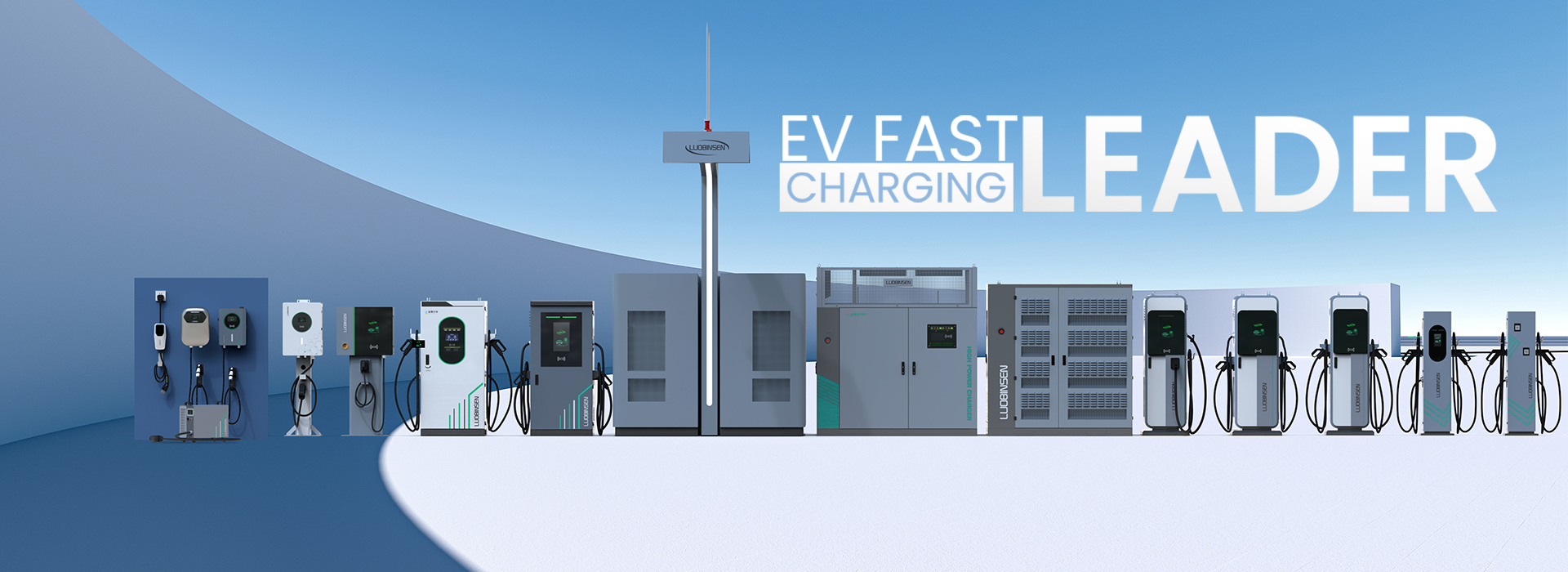
What’s Next for suppliers and cities?
We should expect the role of the ev charging supplier to shift from pure hardware vendor to systems integrator. Suppliers will need to bundle reliable power converters, robust OCPP implementations, and intuitive user apps. They’ll also need to offer clear SLAs for uptime and response. From a city planner’s view, the key question is how these systems interact with local grids and demand-response programs. My sense is that pilots that pair adaptive chargers with modest energy storage and smart tariffs deliver the fastest improvements in customer satisfaction and grid stability. That’s a comparative insight worth testing at scale.
Conclusions and Practical Evaluation Metrics
After tracing the issues and the possible futures, I’ll summarize three practical metrics I use when evaluating charging solutions. First: response latency — how fast can a charger and its edge node react to a sudden change in load? Second: interoperability score — how well does the equipment support standards like OCPP and integrate with different back-end systems? Third: real-world throughput — not the rated kilowatts, but the average number of successful sessions per hour during peak demand. These metrics tell you more than marketing claims. When I recommend vendors, I look for evidence: test logs, field reports, and honest failure cases. You want partners who document what broke and how they fixed it, not just polished brochures.
In closing, I believe we’re at a practical crossroads: incremental hardware upgrades won’t solve user pain unless paired with smarter control and clearer service commitments. Choose systems that measure up on latency, interoperability, and throughput — and insist on transparent field data. If you do that, you’ll save time, money, and patience. For practical partnerships and tested solutions, consider looking deeper into providers such as Luobisnen.