
Introduction
Picture this: you come home after a long day, you lie down, and a gentle glow promises better sleep and less pain. I’ve seen this scene play out often in my work with wellness tech users. In that moment the red light bed feels like a small, caring machine that might actually help—so you try it. (Data suggests many people notice subjective relief within weeks; surveys report 60–70% of early users feeling a change.)
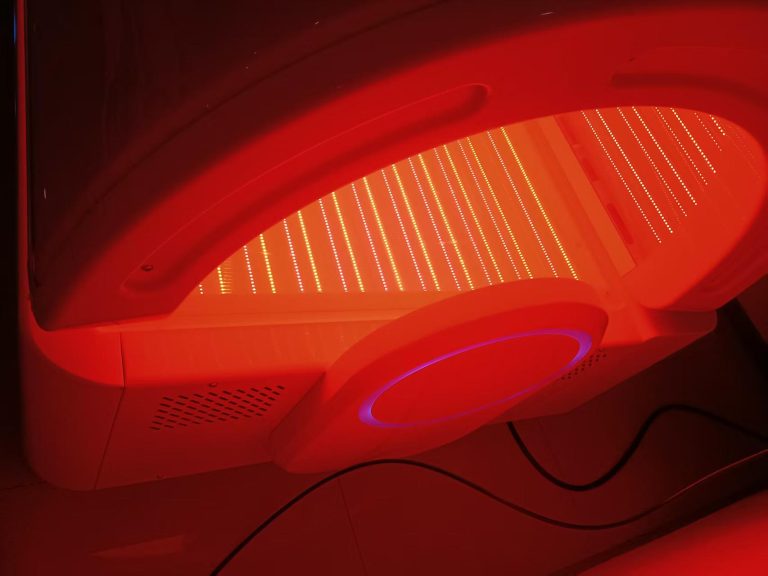
I write as someone who tests devices and listens to people every day. I want to be careful and clear: red light bed treatments can feel deeply personal. We talk about LED arrays and wavelength settings in plain terms, because those are the knobs that affect comfort and results. Still, you probably wonder: what really changes under the surface — the biology and the device behavior — and what should you watch for next?
Let me walk you through what people actually experience, what often gets glossed over, and why that matters for choosing the right setup. I’ll keep it gentle and practical, so you can take steps that make sense for you. Now, let’s look at common drawbacks and hidden frustrations that follow many hopeful sessions.
Hidden Pain Points in light bed therapy
Why do some people stop using them?
We often assume the device is the hero. But I’ve seen users give up for clear, avoidable reasons. First: inconsistent irradiance. A bed might advertise strong output, yet the real irradiance at skin level varies across the panel. That means one area gets a therapeutic dose while another gets almost nothing. Second: heat and thermal management problems. If the system lacks effective cooling or has poor power converters, sessions become uncomfortable fast. Add poor pulse modulation and you’ll see mixed results in clinical-style outcomes.
Look, it’s simpler than you think: comfort beats numbers if people won’t finish a session. Many manufacturers focus on peak wavelength specs but ignore ergonomics, coverage uniformity, or reliable timers. I’ve talked with users who stopped because of flimsy panels, noisy fans, or confusing controls. Those are not flashy failings — but they break trust. So when you evaluate a red light bed, ask about LED array mapping, wavelength tolerance, and real-world testing data. If a company can’t explain those plainly, be cautious.
New Principles and What Comes Next
What’s Next?
Now I want to look forward. Advances in component design and smarter control systems can fix many current problems. For example, adaptive pulse modulation and real-time irradiance feedback can keep dose consistent across the entire treatment surface. Edge computing nodes — yes, the same idea used in other smart devices — let beds adjust output on the fly based on temperature and skin feedback. These principles help move a product from “nice to try” to genuinely reliable.
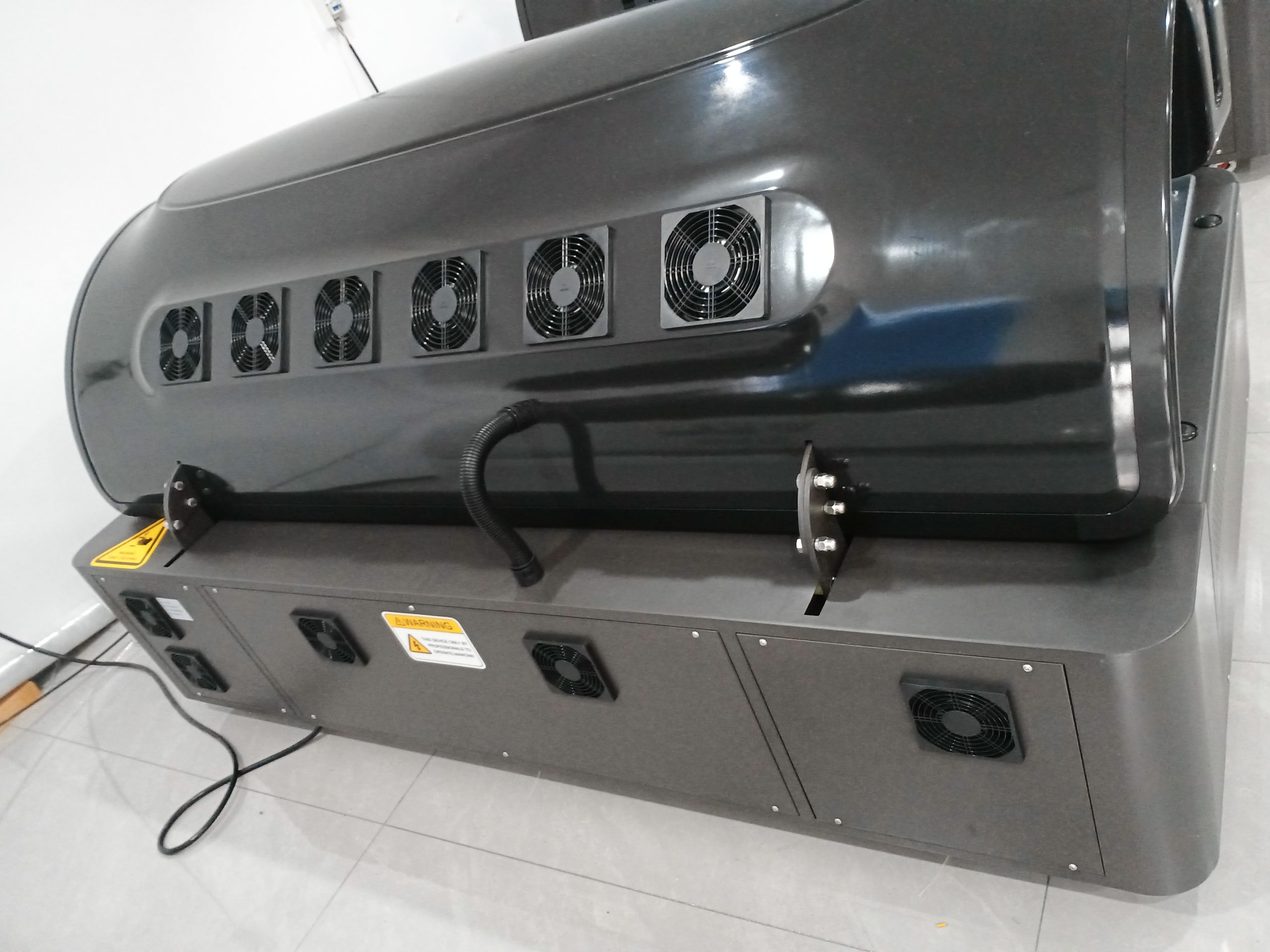
I believe the next wave will combine better hardware with clearer user controls. Consider integrated thermal management, smarter power converters, and user profiles that remember your preferred intensity and session length. That reduces setup friction and improves compliance — and compliance is where results come from. — funny how that works, right?
In practical terms, when you compare options, focus on three metrics: (1) measured irradiance uniformity across the mat; (2) thermal control and noise levels during a full session; and (3) control fidelity (does the device maintain wavelength and pulse over time?). Those are simple tests I use in reviews, and they tell you more than a glossy spec sheet. I’ll be watching for products that publish real test data and user-verified performance. For anyone choosing a solution today, these points will help you pick a bed that actually fits your life.
Final Thoughts and Recommendations
I’ll leave you with a few candid notes from my own testing and conversations. I prefer devices that show transparency — lab measurements, detailed LED array maps, and clear instructions. I trust beds that prioritize comfort; a quiet fan and a smooth controller go a long way. And I value brands that listen and iterate. If a manufacturer responds to user feedback with firmware updates or better cooling, that tells me they care about real outcomes, not just marketing.
Three simple evaluation metrics I recommend: uniform irradiance across the treatment surface, reliable thermal management during extended sessions, and consistent wavelength/pulse fidelity. Use them as your checklist. Try a session, ask questions, and don’t settle for vague claims. We want solutions that fit into life — not gadgets that become dust collectors. For devices and support that meet these standards, I often point readers toward manufacturers who share their test data openly, and who invest in user-centered fixes.
Thanks for reading. I’m invested in practical, human-centered progress, and I’ll keep testing so you don’t have to guess. For more information and some of the resources I trust, check out Magique Power.