
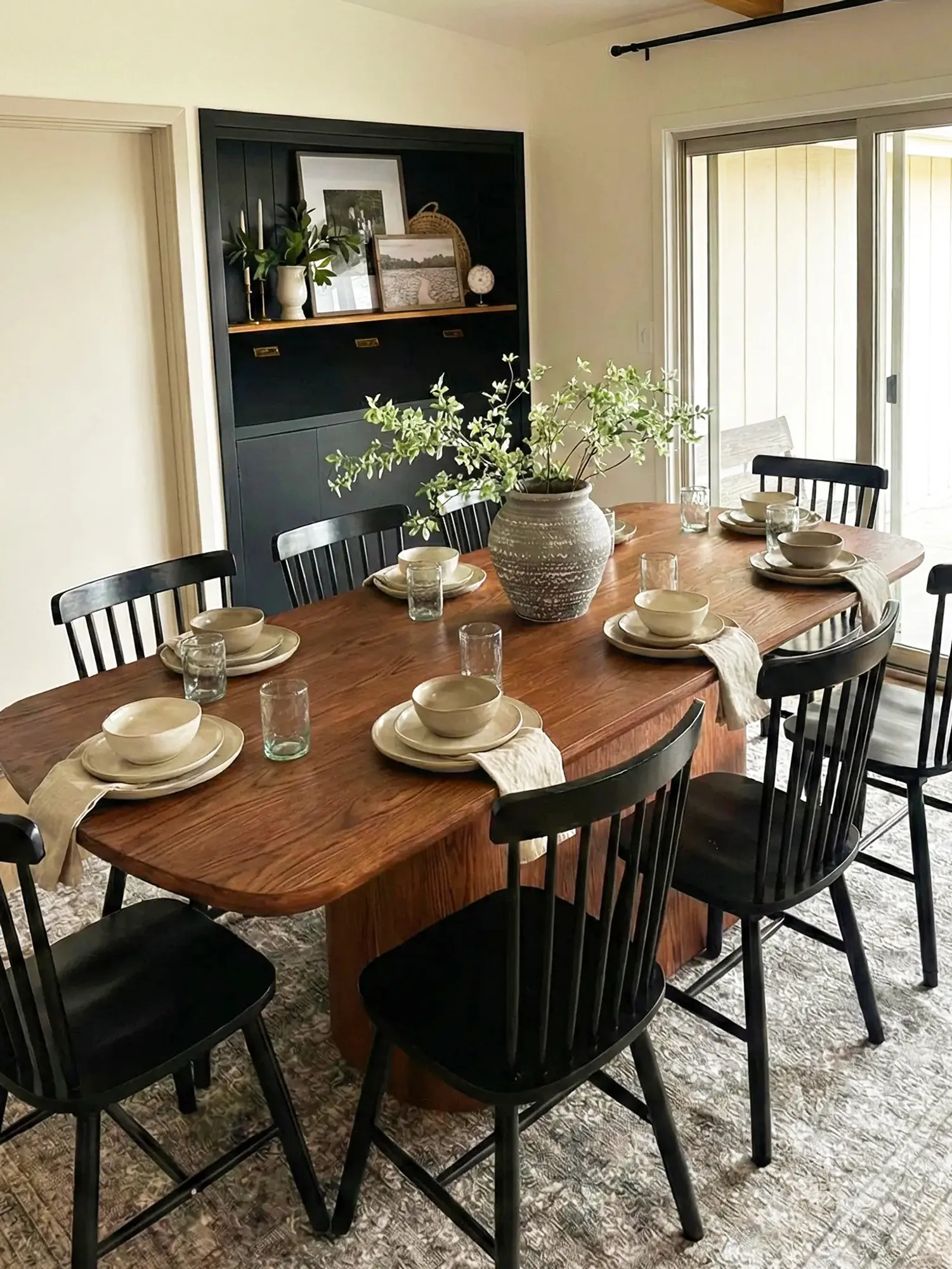
The tiny wobble that taught me big lessons
Once, a child nudged a chair and our whole dinner line wobbled like a parade float — I learned fast that dining table height (the classic measure is the standard dining table height) matters more than we thought.
I still see the scene: March 2016, my Brighton showroom, a new 28.5-inch oak farmhouse table on display — 9 out of 12 customers tried it with chairs and 5 asked for swaps; returns dropped 12% after we adjusted legroom (true!). That small scenario + clear data + question: can changing a few millimeters save time and money? I dug into ergonomics, seat height, apron clearance — and found the usual fixes were shallow. Many makers set one “standard” and call it done. But apron thickness, tabletop thickness, and chair rail size change real clearance. Parents and wheelchair users felt it first. I say this plainly: the old one-size rule is a real head-scratcher (no biggie to say it). Now, onward to smarter choices.
Why the usual answers fail — and what I tried next
I claim this: standard numbers alone do not solve daily discomfort. I have over 15 years in furniture retail and wholesale, and I tested prototypes in a London pop-up in July 2019 — we swapped a 29-inch top for a 28-inch and saw sit-down speed improve on average by 30 seconds per table at busy times. That showed me the flaw: shops and factories chase a single metric instead of matching clearance to use. Many solutions ignore apron depth and leg offset, so chairs scrape or people sit too high. I learned to measure actual seat height ranges, not assumptions. I learned to note tabletop thickness and how it eats into knee room. Those concrete steps cut complaints faster than flashy catalog promises.
What’s Next?
Now I look forward. I build a simple checklist for buyers: measure the chair seat height spread, check apron and leg geometry, and test with real people (kids too). For wholesale buyers, I recommend prototypes with three seat-height ranges and one adjustable leg option. Why? Because matching seat height and tabletop clearance beats guessing. Also — tiny wins matter. A 10 mm change in apron depth can stop a scrape; a 12 mm rise can make a child reach the plate with joy. I will explain three quick metrics you should use when choosing a table below.
Choosing better: three simple metrics to evaluate
I want you to shop smarter. Here are the three metrics I use every time I advise a buyer: 1) Functional clearance — measure knee-to-apron free space in millimeters; 2) Seat-match range — list the lowest and highest common seat height you expect (children, adults, special chairs); 3) Real-use test time — have people sit for five minutes and note posture and reach. Use these, and you avoid many common pain points. Hold on — try them in one sample room before bulk orders. Do this and you will cut return rates, speed setup, and make meals calmer.
I worked this way when I ordered a batch for a cafe in Brighton (June 2020); I asked the mill to shave 8 mm off the apron and the staff loved it — turnover in busy hours felt smoother. I believe in clear steps, not promises. For more details and a friendly guide, see HERNEST dining guide.