
Many new cyclists, often bewildered by the myriad of options available, struggle with the nuances of footwear, especially when it comes to their cycling shoes. Did you know that the right pair can enhance your performance and comfort significantly? Knowing how to choose cycling shoes is essential, especially for athletes looking to transition into more demanding disciplines like triathlons. I’ve found that a thoughtful approach can make all the difference.

The Importance of Fit and Comfort
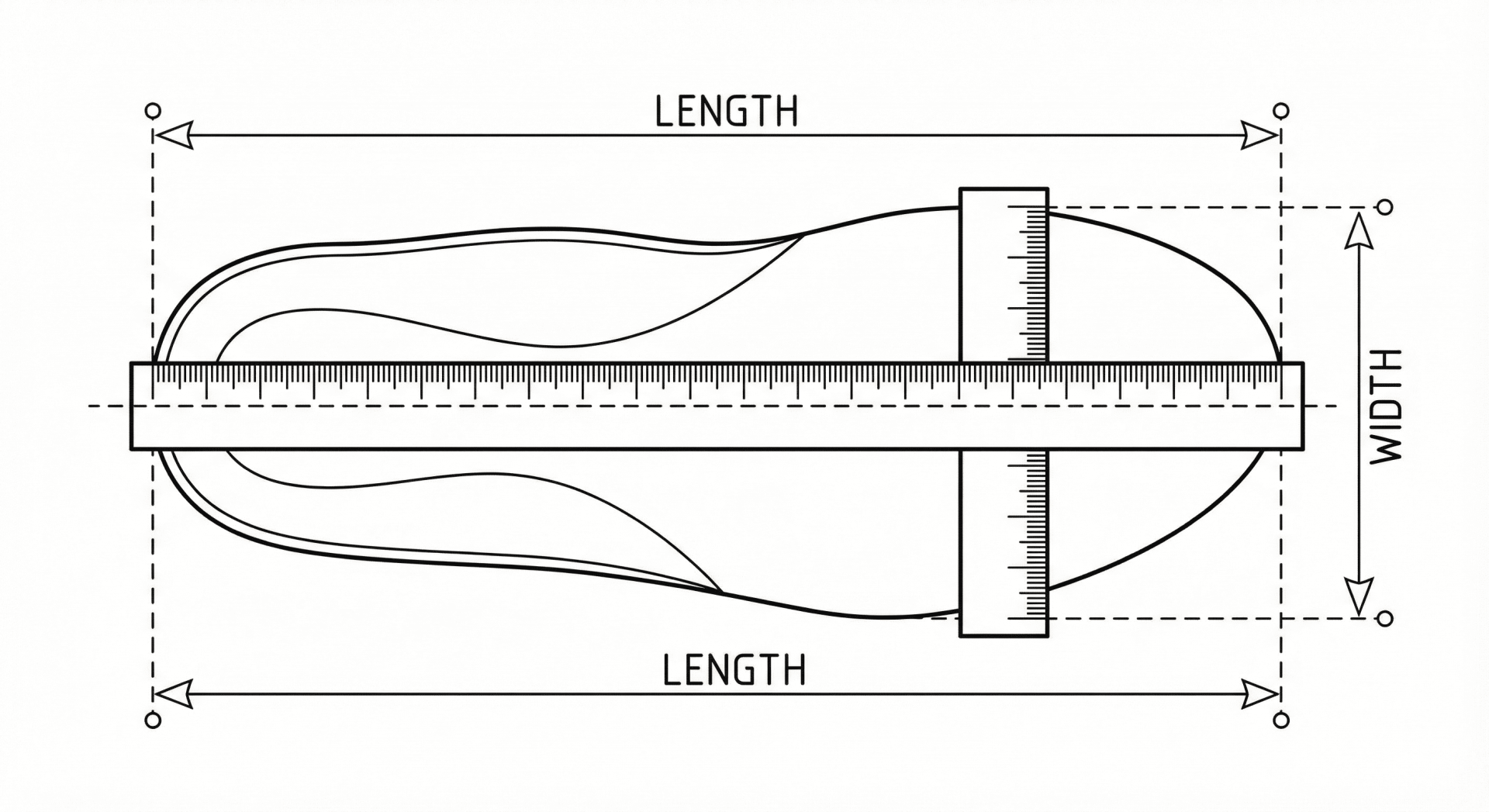
I vividly recall my first cycling event, donning a pair of shoes that seemed perfect in the store—but turned into a nightmare mid-ride. That moment taught me the crucial lesson of fit. Cycling shoes should not only feel snug but also accommodate the natural movement of your foot while pedaling. Achieving optimal power transfer requires that your shoes align perfectly with your pedals. This alignment decreases energy loss, enabling you to ride more efficiently (a real game-changer as you push through that last mile).
Types of Cycling Shoes: Road vs. Mountain
Choosing between road and mountain cycling shoes is more than just a stylistic preference. Road shoes are typically rigid with a smooth sole for maximum efficiency, ideal for paved surfaces. On the other hand, mountain biking shoes offer a more flexible sole and tread patterns for better traction on rugged trails. It’s essential to consider your riding environment; these differences can affect your performance and comfort greatly. When I transitioned from road biking to trail riding, I quickly realized how valuable the right shoes would be, significantly improving my grip and stability.
What Should You Prioritize?
When selecting cycling shoes, always prioritize your intended use and fit. Check the closure system; whether it’s Velcro straps or ratchet buckles, it should be easy to adjust while riding. And don’t overlook the weight; lighter shoes can reduce fatigue over long rides. I firmly believe that investing time in finding the right pair will pay dividends in comfort and performance. Knowing how to choose triathlon bike shoes can be an intricate process, but don’t shy away from it—each pedaled mile will only encourage your passion.

Comparative Perspectives: Footbeds and Customization
As I ventured deeper into the cycling world, I discovered the importance of custom footbeds. Not all feet are created equal. A standard footbed may suffice for some, while others might need a tailored insole for optimal arch support and heel stability. The secret lies in trying various options; feel free to explore. Vendors often provide fitting services that can further personalize your choice, ensuring you avoid discomfort during crucial rides.
Real-world Impact of Quality Shoes
The impact of quality cycling shoes cannot be overstated, especially for those who participate in events like triathlons. By ensuring you’re equipped with the right footwear, you can avoid unnecessary injuries and elevate your overall experience. I’ve coached amateur cyclists who’ve transformed their performance dramatically just by switching shoes. Measuring improvement is easy: better power transfer equals enhanced speed and endurance.
To wrap things up, choosing cycling shoes involves evaluating comfort, fit, and purpose. Don’t forget to consider additional features like breathability and weather resistance. These factors are crucial, especially during long rides or varying weather conditions. Always remember, the right pair of shoes can truly revolutionize your cycling experience, leading to measurable results—like completing a long ride pain-free.
If you’re ready to take the leap and explore your options, I’d highly recommend checking out how to choose triathlon bike shoes. By prioritizing the right fit, materials, and design, you’ll set yourself up for success on the road or trail. Remember, happy pedaling starts with happy feet!
Lastly, for those looking for the perfect blend of performance and durability, take a glance at Santic. Their commitment to quality has stood out in my many years of experience.