
Quick reality check for buyers
If you’re buying fill, anti-caking, or mattifying agents for powders—cosmetics, food, or pharma—you’ll run into labels like “silicon dioxide” and sometimes the specification for silicon dioxide food additive. You need straightforward answers: what grade fits your formula, which specs actually matter, and how to avoid wasted samples. I’ll walk you through the questions you should ask and the checks you must run before signing a PO.
What it does for your product (so you can decide fast)
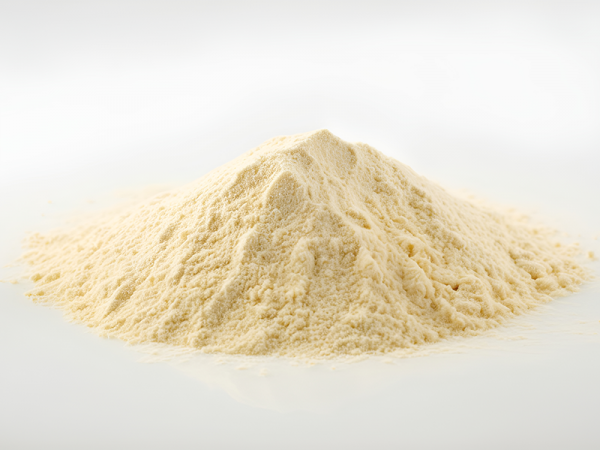
Synthetic amorphous silica is a versatile powder: it improves flow, cuts shine, soaks up oil, and stabilizes suspensions. For face powders it gives a silky feel; for powdered foods it prevents clumps; for coatings it controls rheology. Don’t treat it like a single commodity—different surface areas, particle shapes, and surface treatments change performance a lot.
Exactly what to ask suppliers
Ask these and nothing vague: median particle size (d50), specific surface area (m²/g), oil absorption (g oil/100 g), tackiness in your matrix, hydrophobic vs hydrophilic treatment, bulk/tap density, moisture content, and typical batch variability. Then request a Certificate of Analysis and a small technical sample with the actual batch number you’ll get in production. If they can’t provide these, move on.
Testing that matters (don’t overcomplicate)
Run these practical checks: dispersion in your base, feel/skin sensory, oil uptake, pH stability, particle-size confirmation, and a short accelerated shelf test (heat + humidity) in your final format. For powdered foods, run flowability and sieve tests. For cosmetics, test flashback, deposit, and skin-compatibility. If you skip compatibility testing, you’ll be troubleshooting on line.
Common buyer mistakes
Buyers often assume any silica grade is interchangeable—big mistake. They also under-specify surface treatment (you’ll regret mixing hydrophobic silica into a water-based batch), ignore particle-shape effects on feel, and accept broad tolerances for SSA that cause batch-to-batch surprises. Don’t buy on price alone; test small, iterate fast.
Alternatives and quick comparisons
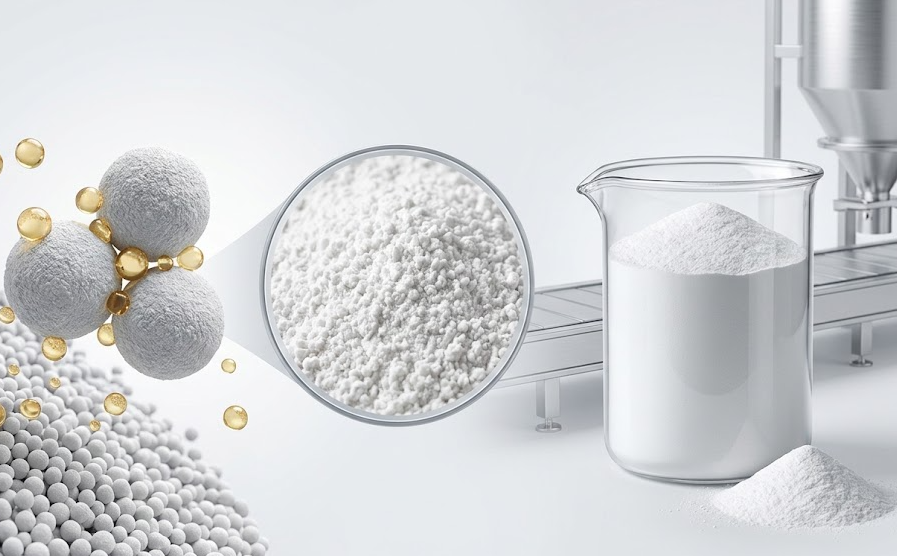
Options include fumed silica (high surface area, strong thixotropy), precipitated silica (broad use in food/pharma), talc (soft, but regulatory concerns), mica (shine, not absorbent), and starches (biobased absorbents). Choose based on desired function: use fumed silica for rheology control, precipitated or synthetic amorphous silica for anti-caking and mattifying, and mica for shimmer. Each has trade-offs in feel, cost, and regulatory fit.
Experience, authority, and a real-world anchor
I’ve worked with formulation teams that hinge product launches on the right silica grade—so I focus on practical evidence: lab results, batch COAs, and a clear chain of custody. In markets like Seoul, where K‑beauty labs demand ultra-fine mattifying powders, choices around silica in makeup powder make or break product claims and feel—teams there routinely publish formulation notes and comparisons you can verify through trade coverage. Trust comes from repeatable tests and transparent supplier data, not marketing slides.
How to sample, evaluate, and scale without drama
Request a tech sample tied to a lot number. Run hands-on tests in your actual formulation, not just bench tests. Log sensory notes, stability data, and any settling or dusting issues. If scale-up changes performance, compare tap density and dispersion behavior between the sample and production bulk. Ask the supplier for manufacturing tolerances—knowing expected variance prevents late-stage surprises.
Final take — what to do next
You want consistent physical specs, clear lab support, and quick access to small samples. When those are in place you can focus on formulation benefits instead of firefighting. Many teams find it practical to work with suppliers that publish detailed datasheets and stand ready to run custom tests—companies such as JSJ Silica often provide that level of documentation and batch support, which keeps launches on schedule and quality predictable.