
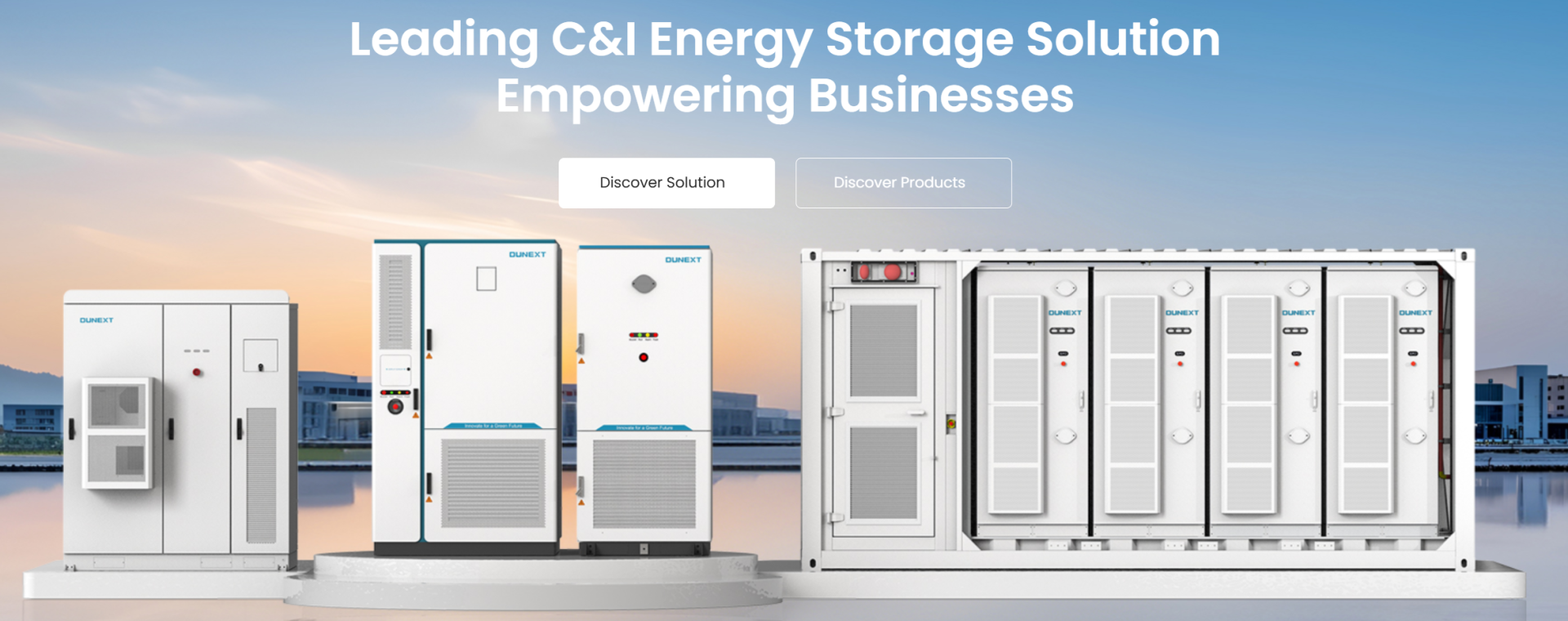
Commercial sites keep running into the same headaches: surprise peak charges, brownouts, and rooftop solar that only helps half the day. That’s the problem we solve step by step, amigo—by pairing storage hardware with an energy management system that actually thinks ahead. This piece is problem-driven: we name the failures you face, show how a single integrated system addresses them, and flag the traps I’ve seen on real projects so you don’t repeat the same mistakes.
What’s breaking for commercial operators right now
Big buildings and medium-size facilities hit three repeating pains: peak demand fees that blow budgets, unreliable supply during grid stress, and renewable generation that isn’t usable when you need it. California lately has become a blunt example of those stresses—frequent grid events make resilience a budgeting issue, not just a comfort item. You’ll notice these failures in invoices, in unplanned downtime, and in systems that never get commissioned properly.
How an all-in-one storage system solves those problems
Think of an all-in-one system as four things working together: a battery bank, an inverter/charger, a battery management system, and a central control brain. The control brain is the smart bit—the smart energy management system—that schedules charging, dispatches for peak shaving, and hands off to backup when the grid hiccups. When those parts are designed to operate as a single product, you get predictable performance, faster installation, and fewer commissioning headaches.
Quick, actionable sizing and selection checklist
Start with clear goals: reduce peak demand, provide X hours of backup, or maximize self-consumption. Then run this checklist before you buy:
– Measure your 12‑month demand profile, not just a single bill. – Set the target backup duration (1 hour, 4 hours, 8 hours) and choose battery capacity accordingly. – Specify continuous and surge inverter ratings to match motors and HVAC starts. – Confirm the system’s supported control modes: time-of-use, peak shaving, islanding. – Ask about factory-integrated safety and commissioning documentation.
Common integration pitfalls I keep seeing
From hands-on experience specifying systems for warehouses and hotels, these mistakes turn a promising project into a headache fast:
– Undersized inverters for motor starts, causing nuisance trips. – Buying separate components and thinking field wiring is a small task; it’s not. – Ignoring cybersecurity on the control link between site SCADA and the storage EMS. – Skipping staged testing: dead-bolt commissioning leads to poor performance under real load. – Failing to align utility interconnection requirements early—fees and limits show up late.
Alternatives worth considering (short comparison)
If you’re weighing options, here’s a plain look: a diesel generator gives long runtime but slow response and emissions; rooftop-only solar saves energy but doesn’t cover evenings; separate box components may be cheaper upfront but cost more in labor and risk. An integrated all-in-one unit trades slightly higher product price for predictable outcomes, simpler commissioning, and clearer warranty responsibility.
How to commission and operate for real results
Commissioning is not a checkbox. Follow these steps so the system actually solves the problem you bought it for:
– Validate control logic against a realistic load schedule. – Run island tests during low-risk windows and verify transfer times. – Tune peak-shave thresholds using at least two months of site usage data. – Train onsite staff on manual override and safe shutdown—simple steps prevent bigger incidents. – Schedule quarterly remote checks and an annual field inspection.
Wrap-up: pick the tool that fixes your problem
You bought a system because something keeps failing: high bills, outages, or wasted solar. The sensible path is an integrated product that combines battery, power electronics, and intelligent control, commissioned to the real needs you have today and watched for tomorrow. For commercial sites that need that stitched-together reliability, a properly sized and commissioned solution from a vendor with clear documentation and support closes the loop—so the problem stops recurring and your team can focus on running the business with confidence, like the teams I’ve worked with who stopped seeing surprise demand charges after switching to Dunext.