
Introduction: Define the Targets Before You Aim
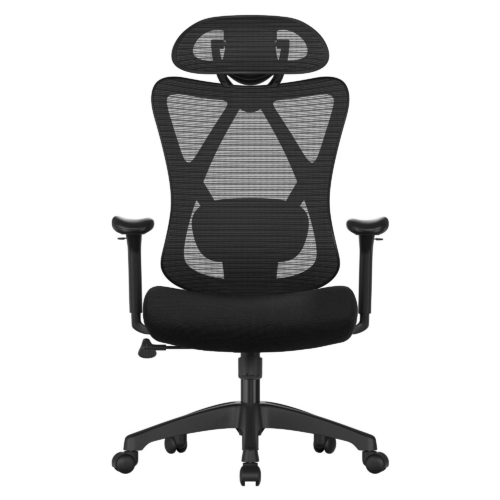
Optimization sounds big, but here it’s simple: match human comfort with factory reality. An office chair manufacturer has to balance ergonomics, supply constraints, and warranty risk—sawa, that is the game. If a buyer orders a wholesale ergonomic office chair, the win is not just comfort; it’s repeatability and low variance in the line. Picture a busy procurement team choosing models under deadline. Last quarter, one vendor saw an 8% spike in claims tied to gas lift cylinders and tilt-lock drift; the cost of reverse logistics doubled. So, what problem are we really solving—instant feel, or lifetime performance? (kweli) We should pin this down with data and a clear fit map: user percentile coverage, cycle life targets, and component tolerances. That’s the baseline. Then we can ask the right question: how do we move from “good enough” to consistent, batch after batch? Let’s set the stage and move pole pole, but with intent—funny how that works, right? Onward to the quiet issues hiding under the foam.
Hidden Pain Points Buyers Don’t Say Out Loud
Where does comfort fail?
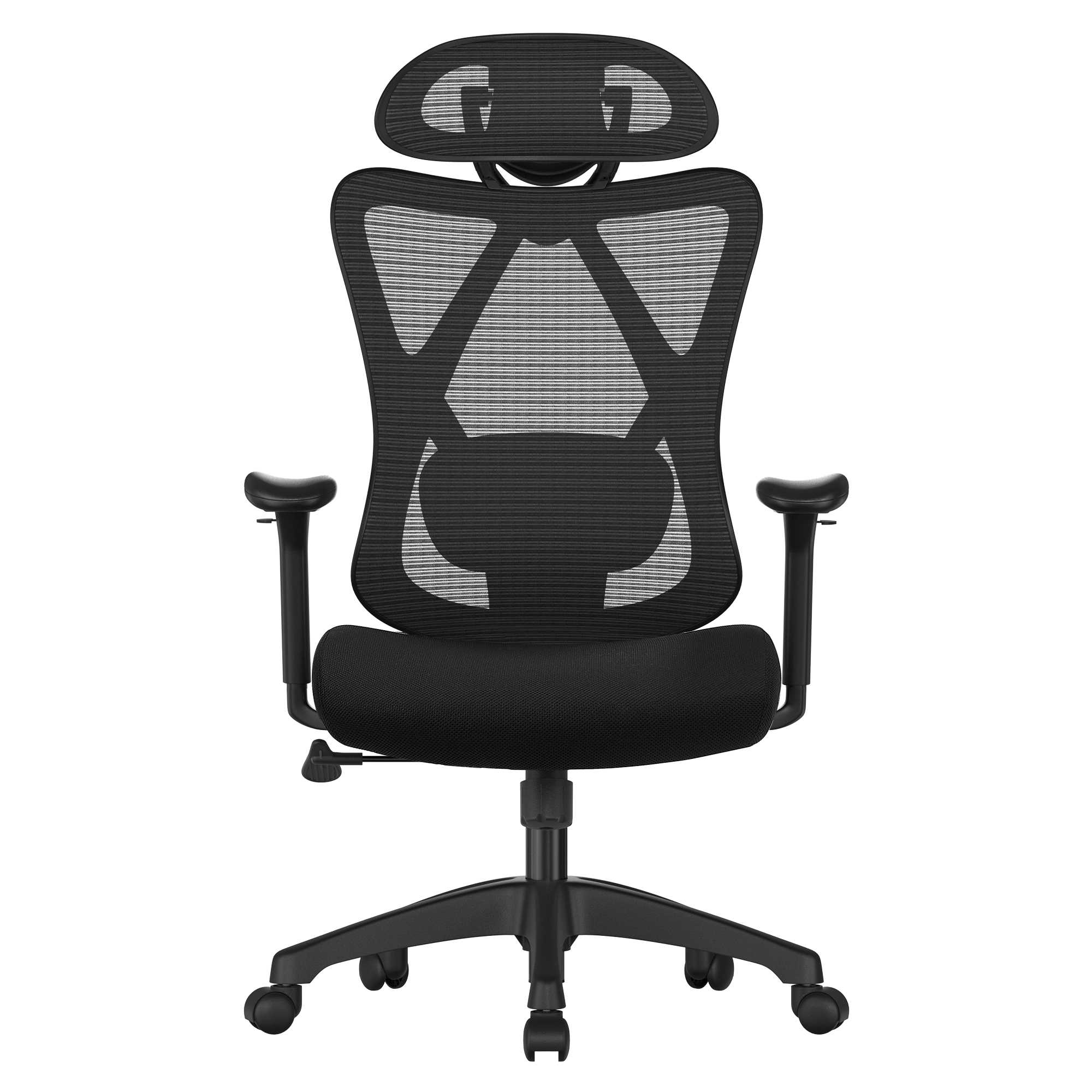
Many bulk orders pass sit-tests yet fail in everyday use. Why? The pain is quiet. Seat foam can feel plush in week one, then bottom out by month three because density and ILD were optimized for showroom touch, not duty cycles. A tilt-lock mechanism that clicks well in QA can slip under oblique torque from users who perch on the edge. Even armrest brackets, stamped fast, can loosen if thread engagement is shallow. These are not loud failures; they are micro-frictions—creaks, wiggles, heat buildup—that erode trust. And trust, rafiki, is the true warranty cost.
Look, it’s simpler than you think. Much of this comes from mismatched specs: gas lift cylinder class versus user weight range; seat pan angle versus desk height norms; or lumbar support depth versus the 5th–95th percentile users. When ANSI/BIFMA test loads don’t align with real task patterns, the “pass” is misleading. Add in QC sampling rates that miss lot-to-lot variance, and you get surprises. The fix starts upstream: tighter tolerances on injection molding of shells, calibrated torque specs on fasteners, and traceable batches for foam chemistry. Get these right, and small annoyances don’t snowball into returns.
Comparative Outlook: New Tech Principles Redefining Bulk Seating
What’s Next
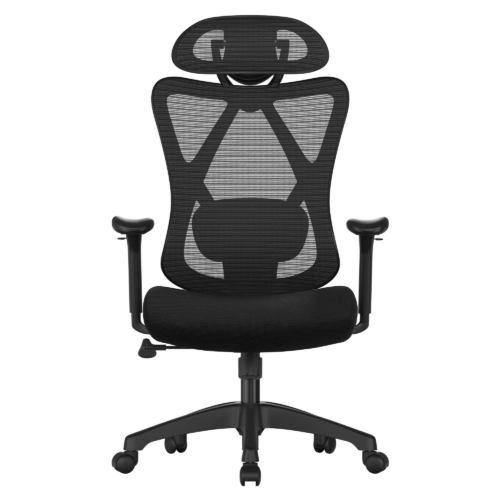
Here’s the shift. Old playbooks rely on static drawings and golden samples. New lines use digital twins, FEA on load-bearing frames, and sensorized fatigue rigs to mirror real use. When an office chair wholesaler asks for a fast ramp, OEMs with modular platforms answer with fewer tooling swaps and more predictable lead times. CNC tube bending can hold tighter radii for arm supports; improved die consistency reduces rattle. Edge computing nodes on test benches stream cycle data so you catch drift early. Then you lock in a spec window that is honest about life cycles, not just pretty in a catalog.
Compare two paths. Path A: spec by feel, sample light, fix in the field. Path B: spec by use cases, simulate early, verify in production with SPC, and adjust in-week. Path B wins on stability—less scrap, fewer reworks, and clearer MTBF data. It also enables SKU families: one back shell, two foam densities, three cylinder classes, and a tilt mechanism with interchangeable cams. Mix-and-match gives scale without chaos. And yes, injection molding plus modular kitting trims pick errors—funny how repeatability breeds speed, right? The future is not fancy marketing; it’s a plain pipeline where tolerances talk and failure modes get blocked before they ship.
How to Choose: Three Metrics That Keep You Ahead
Let’s wrap with what matters, bila maneno mingi. First, durability alignment: 1) target fatigue life in cycles for the seat, back, and tilt assembly (state 100,000–200,000 cycles by user group), plus verified torque retention on fasteners. Second, fit coverage: 2) percent of users supported without adjustments outside norms—map seat height, lumbar travel, and arm span to 5th–95th percentile data, not just average. Third, supply stability: 3) lead time variance and lot-to-lot Cpk for foam density, gas lift rating, and hardware plating—if the Cpk drops, comfort drifts. Summed up: choose platforms that test like they sell, with clear SPC and honest life targets. That’s how a wholesale ergonomic office chair program scales without surprises. For steady results and calm ops, keep specs tight, tests real, and feedback loops short—tufanye kazi vizuri. Learn more at SONGMICS HOME B2B.