
Introduction: The Quiet Shift From Keys to Credentials
Define the core move: access without metal keys, secured by a hardened deadbolt, and authenticated by your phone, code, or fingerprint. The best keyless entry door lock sits in the middle of that shift, turning a daily habit into a controlled, auditable event. Picture a late return, arms full of groceries, a child asleep on your shoulder, and a courier at the door—one tap opens, and the door still deadbolts on close. The market shows steady growth; smart lock adoption jumped by double digits last year in many regions, while false-alarm rates fell as biometric sensor accuracy improved. Can a small device on your door handle safety, speed, and privacy all at once?

Here is the clinical bit: stronger cylinders matter, so do AES-256 encryption and tamper alarms, but the human workflow is the real load-bearing wall. If the interface confuses users, they prop doors—funny how that works, right? The right design reduces error at the point of use and lowers support calls. You also want stable power handling (yes, the tiny power converters matter in cold weather). So, what separates a smarter lock from a shinier one? Let’s compare what actually changes outcomes and why deadbolt-first builds keep winning in real homes and rentals.

Part 2: Hidden Friction in Everyday Use
Why do old fixes fail?
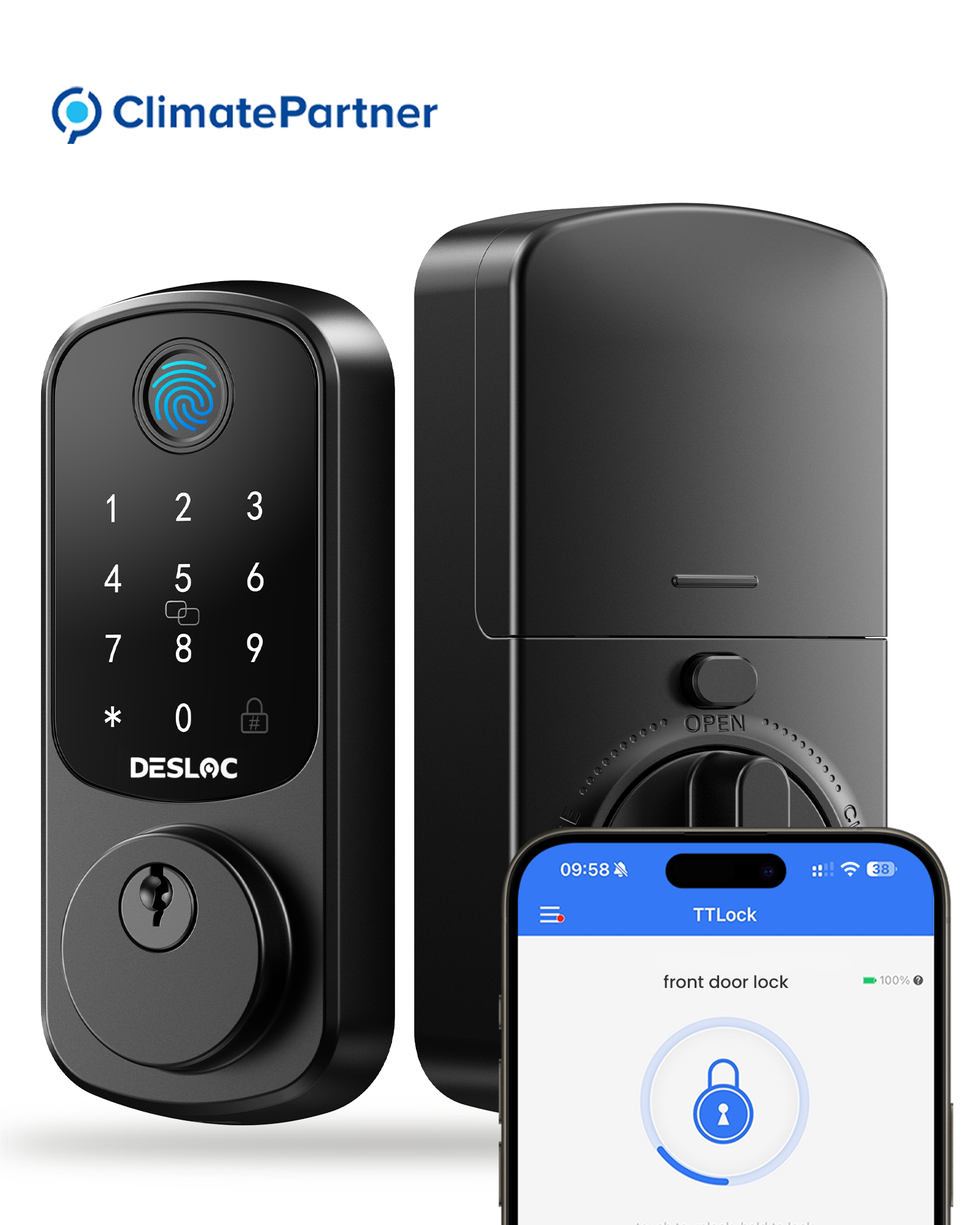
Direct point: keyless door locks with deadbolt work because they fix a silent problem—people forget keys, share them, or hide them under mats. Traditional pin-and-tumbler rigs try to be simple, yet they invite risky behavior and lockouts. Rekeying is slow. Spare keys drift. Mechanical-only setups lack audit trails, so you cannot trace who came and when. A strong deadbolt is still vital, but it needs smart control to reduce misuse. That is where a fail-safe relay, anti-tamper mesh, and coded access bring sanity to the front door. When entry is logged, people behave better; when codes expire, risk shrinks. Look, it’s simpler than you think.
Hidden pain points live in the routine. Guests and cleaners text you at odd hours. Parents need child-safe auto-lock with a grace period. Hosts need one-time codes and quick revocation. Mechanical fixes add steps; users skip them. A good smart deadbolt lowers steps. It caches credentials for spotty Wi‑Fi and uses local edge computing nodes in a hub (no cloud lag for basic unlock). It should handle a dying battery without drama, using low-voltage alerts and a clean handoff to a 9V backup. Even better, it uses standard RFID or app tokens with clear feedback. Small things—haptic pings, a bright status LED—reduce errors at the door.
Part 3: The Forward Look—Principles That Actually Raise Security
What’s Next
Now compare old vs. new by principles, not hype. Strong hardware still starts with the deadbolt throw and strike plate, yet modern control stacks add a secure enclave and public key infrastructure for credentials. Over-the-air firmware updates patch flaws fast; signed packages prevent rogue code. A low-power MCU manages sleep states so the door wakes fast but sips energy. That keeps it responsive in winter (and your hands warm). For rooms that need quiet, a keyless bedroom door lock can adopt the same model: short-range unlock, silent motor, local logs, and a clear fallback plan. Different space, same logic—reduce steps, raise certainty, and keep privacy by default.
We have learned that deadbolt-first builds cut misuse and that clear, revocable credentials beat metal keys for shared access. We also saw how audit trails nudge better behavior—without nagging. So choose with a checklist—advisory, not flashy. First, verify cryptography and safety: AES-256 at rest, signed firmware, and a real hardware tamper sensor. Second, test resilience: battery life, cold-start behavior, and a graceful manual override. Third, check workflow fit: guest code lifetimes, offline unlock rules, and latency from phone tap to bolt retract. Keep it human, keep it measurable, and keep it simple—because simple is what people do at 11 p.m., not what they promise at noon. For a grounded take on these principles in real products, see DESLOC.