
Introduction — a shop-floor scene, a number, and a question
I was crouched next to a coolant-splashed chip bin when a lead operator laughed and said, “We still tune these like it’s 1999.” That line stuck with me. CNC turret lathe tools hum across shops worldwide, turning hours into parts, yet many teams still wrestle with downtime and inconsistent cycle times (and yes, I’ve been in that fight). Recent shop-floor surveys show small-to-mid manufacturers lose up to 12% of productive hours to changeovers and minor faults. So I ask: are we choosing the right turret lathe for the work, or just repeating old mistakes? I want to walk through this with you—no fluff, just the parts that matter and some hands-on perspective. We’ll look at comparison points, hidden trade-offs, and practical checks that I wish I’d known earlier. Next up: where the real problems hide and why even shiny machines can trip teams up.
Why twin turret lathe setups still trip teams up (and what’s actually wrong)
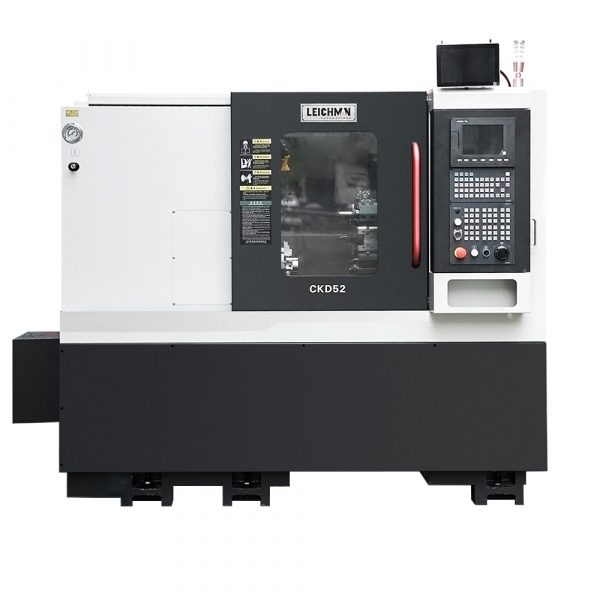
twin turret lathe configurations promise speed: two turrets, parallel ops, faster throughput. But in practice I see a different picture. The twin setup raises complexity in toolpath planning, demands tighter axis control, and can expose weak servo drive tuning. When one turret is misaligned by fractions of a millimeter, the whole cycle drags. I’ve watched shops buy twin turrets to chase cycle-time gains only to face increased setup hours and higher scrap rates. Look, it’s simpler than you think: more hardware equals more points of failure—spindle speed syncing issues, tool clash risks, and more sensors to trust. Those problems add up to lost minutes per part and real stress on operators.
What specifically fails?
Two short notes from the floor: first, tool turret indexing errors are subtle but brutal—slow, then sudden. Second, power converter or servo drive inconsistencies cause repeatability drift that operators mask with compensations. I feel for teams that then patch workflows instead of addressing root causes—funny how that works, right? If you’re evaluating twin turrets, test for real-world sequencing, not just advertised RPMs. Watch how the control handles simultaneous axis moves. Ask about diagnostics and how the machine logs near-misses. Those answers tell you more than peak spindle speed specs.
Looking ahead — new principles for buying and a compact checklist
Now let’s shift forward. I believe the next wave of sensible buying focuses on systems thinking: how the lathe fits into your line, not just how fast it can cut. New technology principles emphasize modular tooling, smarter axis control algorithms, and predictable maintenance windows. For example, adaptive control that tweaks feed rates in real time reduces scrap without operator babysitting. Also, consider how easily the machine integrates with production software—simple handoffs beat complex bespoke integrations every time. If you’re browsing a “vertical lathe for sale,” don’t get dazzled by a single headline spec. Instead, map that machine into your workflow and ask: will it simplify changeovers, not complicate them? — trust me, you’ll thank yourself later.
What’s Next?
Practically, I look for three things before signing off on a purchase. One: diagnostic transparency—can the controller show me tool life trends and fault history without third-party tools? Two: real-world cycle validation—ask for a demo that mimics your hardest part, not a generic test bar. Three: service and parts availability—downtime costs more than a machine, always. Those metrics help cut through slick marketing. I’m not saying every shop must buy the fanciest model. Rather, be intentional. Measure the lift in throughput, check repeatability at typical spindle speeds, and validate tool turret behavior under load. I’ll finish with three quick evaluation metrics you can use this afternoon:
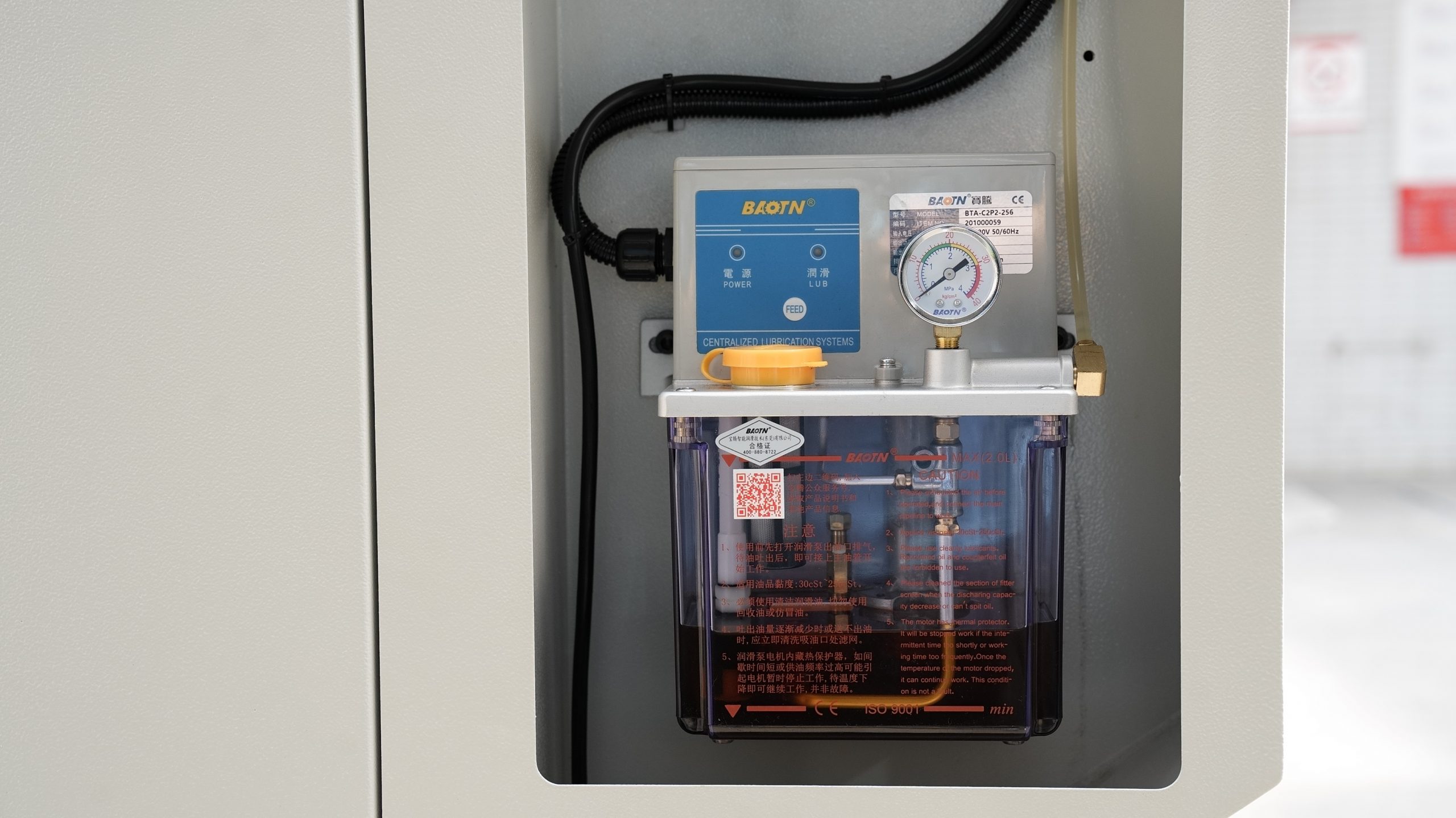
1) Mean time to reconfigure: how long to swap tooling and start a new batch? 2) Repeatability under load: measure error after extended cycles, not a single pass. 3) Diagnostic completeness: does the system record and explain faults, or just flash an alarm? Use those to compare candidates side-by-side.
We’ve covered where twin turrets hide trouble, why raw specs can mislead, and how to pick machines that actually lower risk. I’ve made mistakes in this space; I’ve also seen upgrades pay off when the purchase matched shop realities. If you want a practical partner to test a machine or validate demo runs, check out Leichman. They helped me bench-test scenarios that mattered—and I trust that hands-on proof more than any brochure.