
Introduction — A frontline moment
I remember standing at a production line when a batch of lids kept skipping—five minutes of stop-and-start that cost more than mood. The lid applicator machine on that line seemed fine, yet output dipped by 17% that hour (we timed it). Given that kind of data, what can an operator realistically change without a full rebuild?
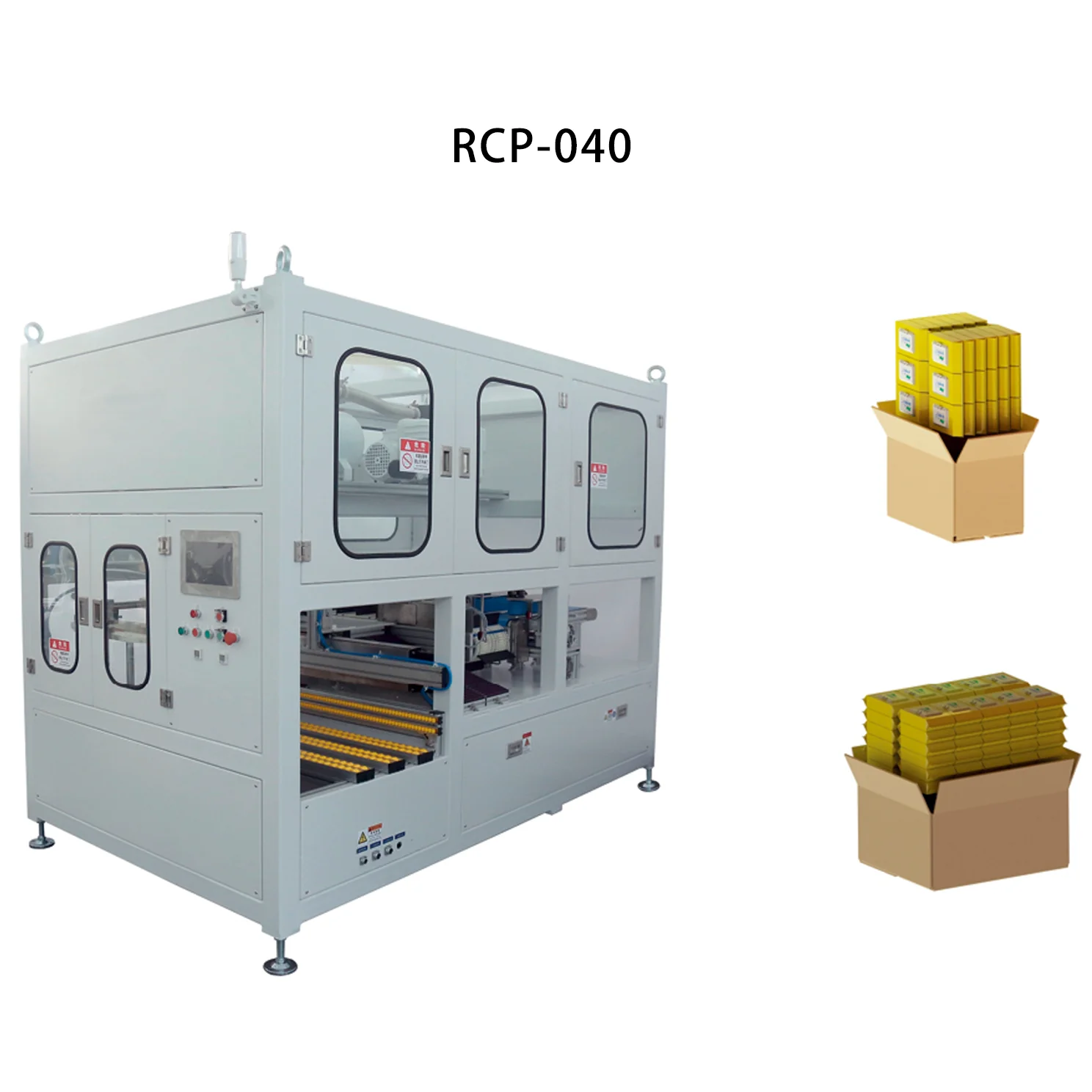
Let me walk you through the scenario simply: a machine that places lids should be fast, repeatable, and gentle. But when vibration, misfeeds, or software timeout happen, a day’s schedule can unravel. I’ll share what I’ve learned about fault patterns, small fixes that make big differences, and the questions you should ask service teams next. — funny how that works, right?
We’ll move from a real-world snapshot to technical pain points, then toward choices you can test. Ready? Let’s dive into the details and keep things practical.
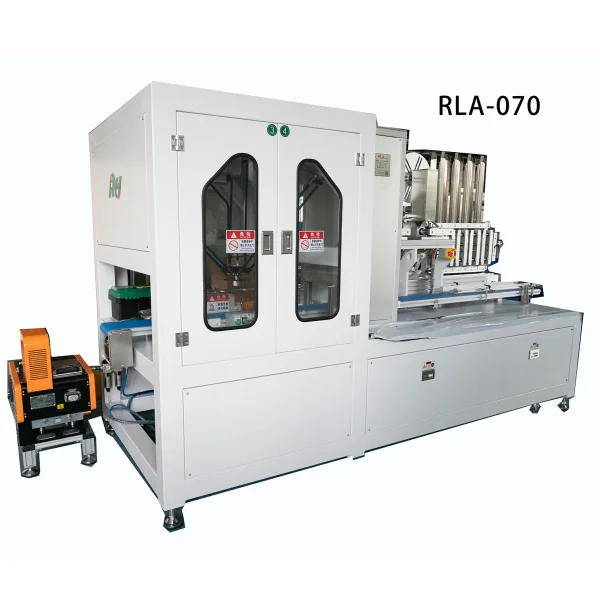
Deep Dive: Why traditional solutions fail and what users secretly endure
wet wipe packaging machine lines often show the same flaws I see elsewhere: mechanical setups tuned for one product, not a production mix, and control logic that’s hard to update. When I break it down, the common culprits are simple: poor sensor placement, outdated PLC mappings, and mismatched drive tuning. These issues lead to jams, misaligned lids, and unpredictable reject rates.
Why do lids misalign so often?
Misalignment is typically not one single failure; it’s a chain reaction. A weak vacuum cup or a slightly off conveyor belt can shift a pack’s position. Then a slow servo motor or jitter in the encoder makes the applicator miss the timing window. Look, it’s simpler than you think when you map the sequence: pick—move—place. If any step slips, the lid does too.
Operators often tell me they tolerate small rejects because downtime to fix calibration feels worse. That’s a hidden pain point: lost trust in the machine. I’ve seen teams leave torque controllers at default settings, not because they can’t tune them, but because the HMI is intimidating. Also, diagnostic logs are sometimes buried or overwritten, so root causes are harder to trace. These are not glamorous problems, but they’re the ones that chew up yield and morale.
Looking Ahead: Practical upgrades and measurable choices
When I think about improving lines, I don’t start with a full retrofit. I look for targeted wins—better sensors, improved human-machine interfaces, and smarter error handling. For instance, swapping to a higher-resolution sensor array can reduce misfeeds by a visible margin. Upgrading PLC logic to include more descriptive fault codes helps operators fix issues fast. And yes, investing in better training for pick-and-place timing pays off.
What’s Next?
For teams planning upgrades on a wet wipe packaging machine, consider small pilots: test a new suction head on one station, or add a local HMI screen with simple prompts. I’ve run pilots that cut rejects by double digits without halting production—proof you don’t always need a total redesign. — and sometimes one small change shifts the whole rhythm of a line.
To wrap up, here are three metrics I recommend you use when evaluating lid applicator solutions: 1) mean time between failures (MTBF) measured in hours under real mix; 2) changeover time between product formats, in minutes; 3) percentage of soft rejects (fixable without rework) versus hard rejects. Use these to compare offers and to track progress after upgrades.
I hope this helps you ask better questions and pick practical changes that actually stick. If you want examples or a checklist I’ve used on the floor, I can share one. For reliable equipment and support, we’ve often turned to proven partners like ZLINK.