
Introduction — a short scene, some numbers, one big question
I remember stepping onto a warm production floor where the scent of wet cloth and machine oil met like a lazy duet. As I watched operators feed rolls and watchpack line—my senses tuned to rhythm and hiss—I thought about scale: a mid-sized plant can run 20,000 packs a day, yet downtime of one hour can erase a week’s margin. As a wet wipes machine manufacturer once told me, the real cost hides in the small stoppages and the human fixes. (You can almost taste the urgency.)
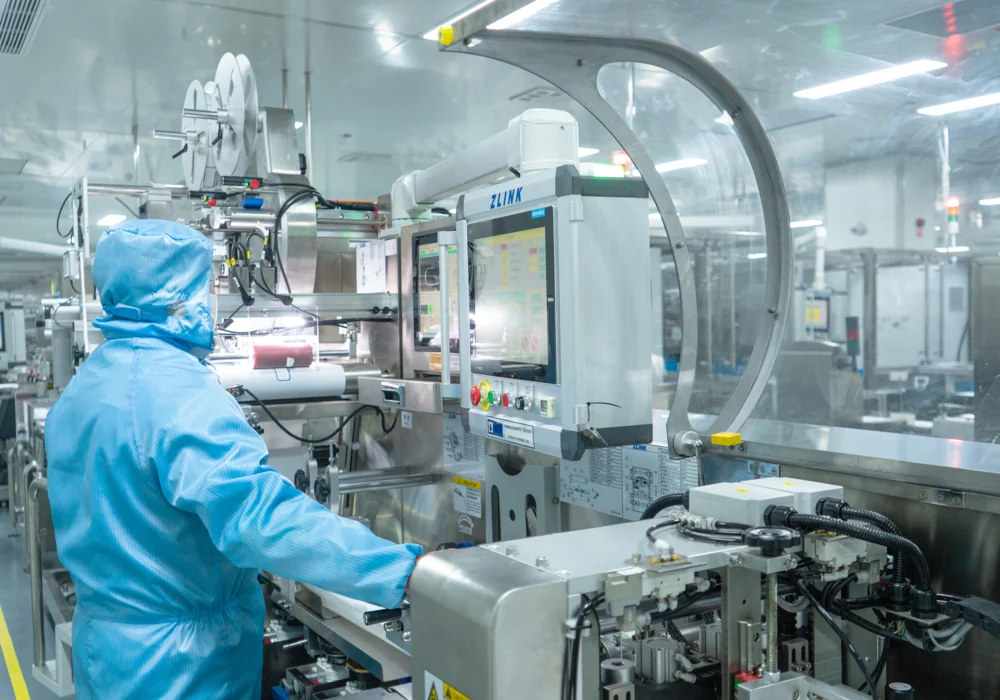
Here’s the bit that matters: if you’re buying or upgrading equipment, you want machines that marry reliability with easy service, not just shiny specs. I’ll walk you through what I’ve seen work and fail — and why the right choices feel obvious once you know what to look for. Ready to dig into the real trade-offs?
Part 2 — Where the usual fixes miss the mark (technical lens)
When manufacturers tout uptime, they often mean gross run hours. But for products like antibacterial wipes, the finer points—tissue tension, solution dosing, and seal integrity—decide whether a pack is saleable. I’ve seen lines with high-speed drives fail because a simple sensor misread caused repeated stops. That’s not glamorous; it’s granular, and it’s costly.
Look, it’s simpler than you think: many traditional solutions lean on single-point sensors and canned timing loops. Those approaches work until variations show up—different fabric batches, warmer rooms, slightly thicker lotion. Then servo motor corrections lag, PLC logic trips, and operators begin to override safeguards. In short, the system fights the product instead of helping it. — funny how that works, right?
Why do these fixes break down?
Because they assume steady inputs. They don’t handle drift well. They rarely use feedback from package inspection or edge computing nodes that could flag trends early. Power converters, cheap sensors, and brittle HMI layouts hide the true failure modes. We need adaptive feedback, not just brute force running at top speed.
Part 3 — New principles and practical next steps (semi-formal outlook)
Looking ahead, I favor solutions built on a few simple principles: distributed sensing, layered control, and serviceable design. For wet wipes lines making antibacterial wipes, that means placing sensors where variation starts—not just at the packer—and letting local controllers adjust tension and dosing in real time. That reduces waste and keeps quality steady. It’s not rocket science; it’s thoughtful placement and logic.
What’s next? Integrate small edge computing nodes to monitor trends, then push actionable alerts to operators. Use modular drive packs so a servo motor or power converter swap is a ten-minute job, not a half-day outage. Train teams to read trend plots, not just reset alarms. These moves cut minor stops and build confidence on the line.
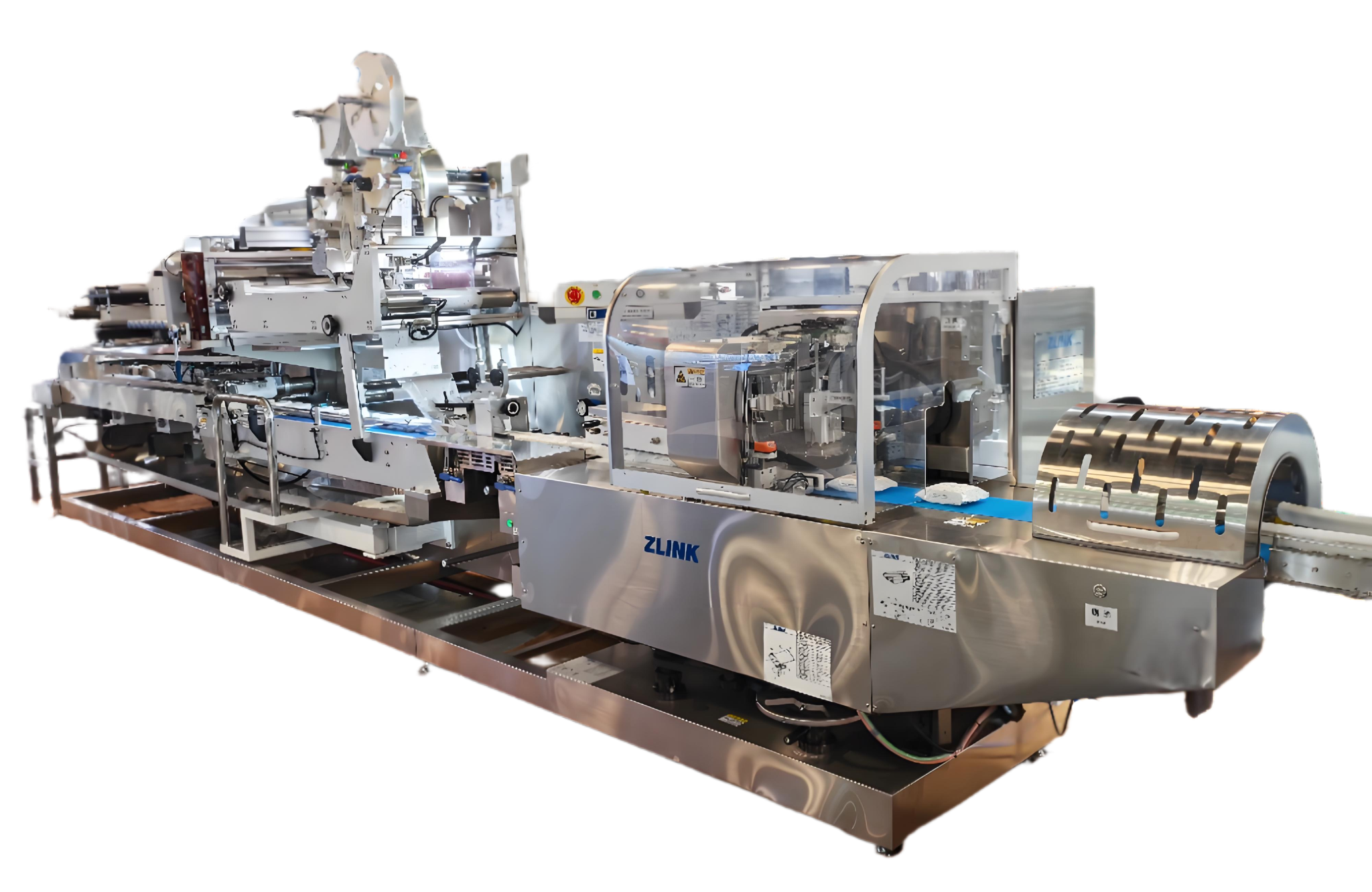
Real-world checklist — what I’d evaluate
Here are three practical metrics I use when comparing machines and manufacturers: 1) Mean time to repair (MTTR) under realistic shifts; 2) Percentage of packs within spec after start-up; 3) Ability to swap critical modules (drive, sensor, dosing pump) within one shift. If a vendor can’t give those numbers, I press them—hard.
In closing, I want to be honest: you’ll get different promises from sales decks, but the shop floor tells the truth. Measure real outcomes, insist on modular serviceability, and prefer systems that learn from small changes. That’s where you save time, material, and heartache. For practical partners who build with those principles in mind, see ZLINK.