
Intro: City Heat, Heavy Steel, and the Moment You Decide
I roll up to a red light on a humid July night, gloves sticky, traffic stacked three lanes deep. A cruiser motorcycle hums under me like a power tool with a pulse. Rider groups say most city miles happen under 35 mph, and stop-and-go eats your focus, your fuel, and your patience. So here’s the twist—are we chasing comfort or control when the asphalt fights back (and the cab behind you leans on the horn)? You want the vibe, sure, but what about the mechanics that keep you smooth? Let’s cut the noise, look at the skills that matter, and check how choices play out when steel, weight, and torque meet real streets. Cool? Next up, the problem under the chrome.

Part 2: The Hidden Friction Most Riders Don’t See
What’s the real snag?
When folks ask which motorcycle model fits their flow, they often start at paint, pipes, and posture. That’s a vibe, but it hides the real pain points. Most riders don’t talk about heat soak around the knees, the tall first-gear ratio that shudders at crawl speeds, or how a long wheelbase plus a lazy rake angle can turn tight turns into mini wrestling matches. Add a heavy clutch pull, and your forearm becomes the stress point—funny how that works, right? The fix isn’t only power. It’s torque curve shape, gearbox spacing, and how the ECU mapping delivers low-end throttle. Look, it’s simpler than you think: a stable chassis and smooth fueling reduce errors, which lowers mental load, which keeps you safer. And safer feels fast.
Traditional answers miss the roots. Louder exhaust won’t solve abrupt throttle-by-wire. A premium seat won’t mask poor low-speed balance. Without decent ABS modulation, panic stops still skate. If the final drive slaps at low revs, your slow rolls stay choppy. And heat management? Without proper airflow and a smart catalytic converter layout, stoplights become ovens. These are not “nice-to-have” tweaks. They’re daily reality checks. Translate the spec sheet: shorter trail helps agility; a slipper clutch softens downshifts; a wide friction zone makes u-turns calm; and CAN bus aids clean accessory installs. That’s the layer under the polish, the stuff that turns heavy metal into an easy ride.
Part 3: Forward Look—Tech That Makes Heavy Bikes Feel Light
What’s Next
We’re moving from “feel” to “principles.” New tech doesn’t just add chrome; it changes how mass behaves. Inertial Measurement Units feed traction control and cornering ABS, so the bike reads lean angle and adjusts brake pressure before you overthink it. Ride-by-wire lets engineers smooth the first millimeters of throttle, so parking-lot creep stops being a gamble. Liquid cooling and dual fans vent heat sideways, not up your shins. Plus, counterbalancers tame vibration without killing character. Pair that with a cush drive in the rear hub, and low-rpm surges settle down. This is how good cruiser motorcycles evolve—by bending physics, not just flexing muscle. Different tone now, same promise: fewer surprises, more control—on the FDR, on Main Street, on the long run out past the bridge.
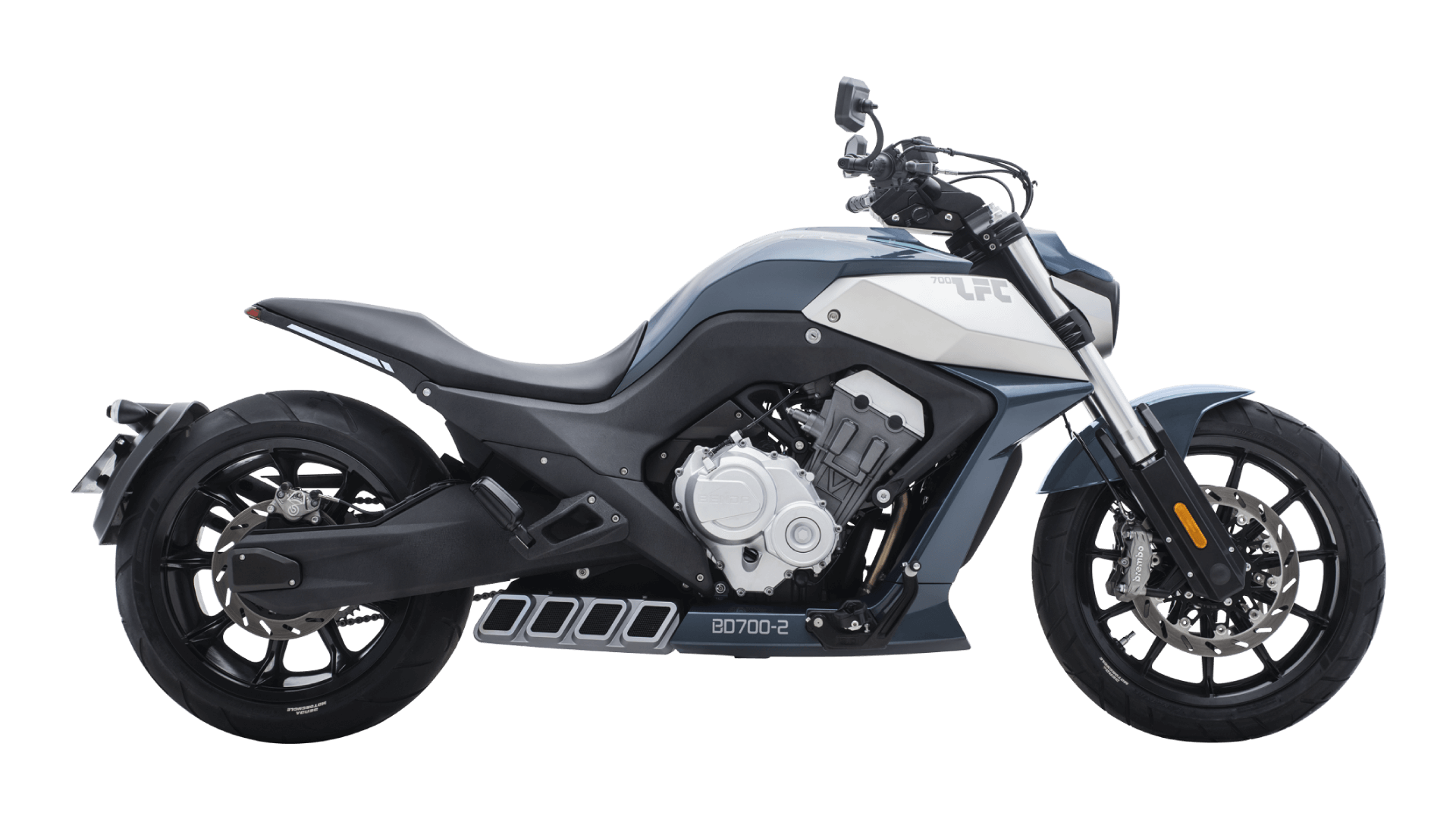
And here’s the comparative punchline: Yesterday’s answers were chrome and displacement. Tomorrow’s wins look like smarter ECU logic, better heat routing, wider steering lock, and adaptive fueling that keeps the torque band friendly. We’re not ditching soul; we’re tuning it. Your hands stay calm because the chassis does the math. Your stops get shorter because ABS can pulse faster than your fingers. Your turns clean up because the rake and trail work with the tires, not against them. Summed up, it’s character plus calm. That mix is the real upgrade—funny how the “tech stuff” ends up making the ride feel more old-school smooth.
Wrap-Up: Choose Right, Ride Easy
Let’s make it simple and measurable. First, assess low-speed control: test the friction zone, feel the clutch effort, and see if the throttle is gentle under 3,000 rpm. Second, grade heat management: check fan behavior at idle, airflow around your knees, and how the catalytic converter warms the tunnel—two lights in, you’ll know. Third, verify brake and balance: try a hard stop with ABS, then a walking-pace u-turn; the bike should stay composed, not twitchy. If the torque curve is usable, the wheelbase and rake angle don’t fight you, and the ECU mapping is smooth, you’ll ride longer with less effort and more grin. The street rewards smart choices—and so does your body after mile 50. Keep it real, keep it light, and let the bike carry the heavy work. For builders who speak this language, keep an eye on BENDA.