
Start with a clear comparison purpose
Decide what matters most: picture quality, long-term support, customization, or cost control. A focused purpose changes how you judge suppliers. For example, if you need integrated solutions with proven component sourcing, check whether the manufacturer collaborates closely with a known laptop manufacturer for platform validation—that partnership often signals disciplined hardware testing and firmware coordination.
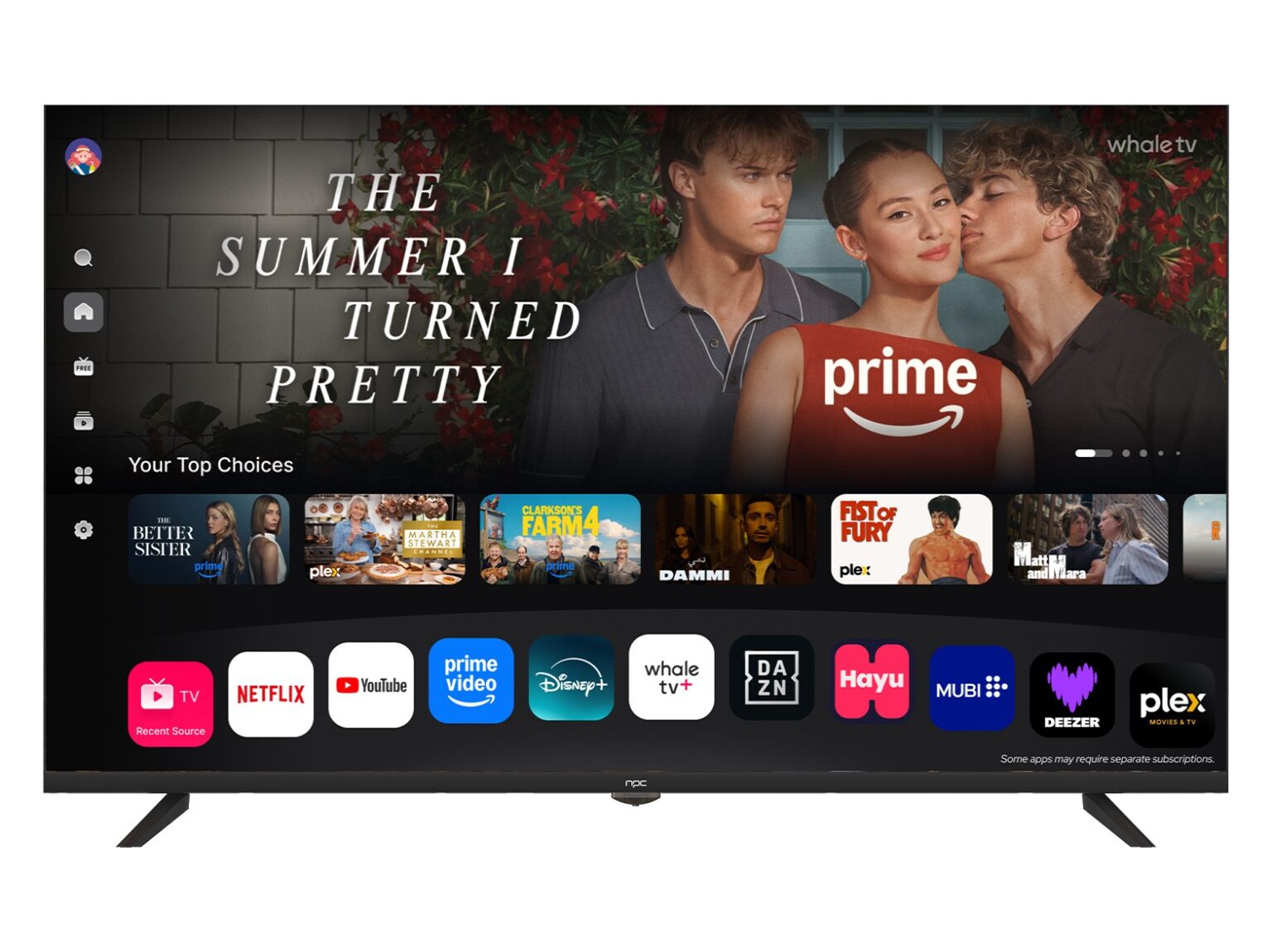
Direct, measurable criteria to use
Rank suppliers on five concrete axes: panel and processor origin, firmware-update cadence, warranty terms and RMA process, supply-chain transparency, and post-sale service footprint. Inspect datasheets for exact panel model numbers and check public firmware changelogs. Ask for sample repair-time reports and an SLA for software patches. Score each supplier numerically and compare totals; numbers reduce bias.
Match criteria to your use case
Consumer living room: prioritize color accuracy, HDR support, and remote-software stability. Commercial signage: prioritize 24/7 ratings, brightness, and mounting options. Hospitality projects: prioritize customization, secure boot features, and on-site support. Assign heavier weight to the axes that affect your daily operations; do not treat every metric as equal.
EEAT and a real-world anchor
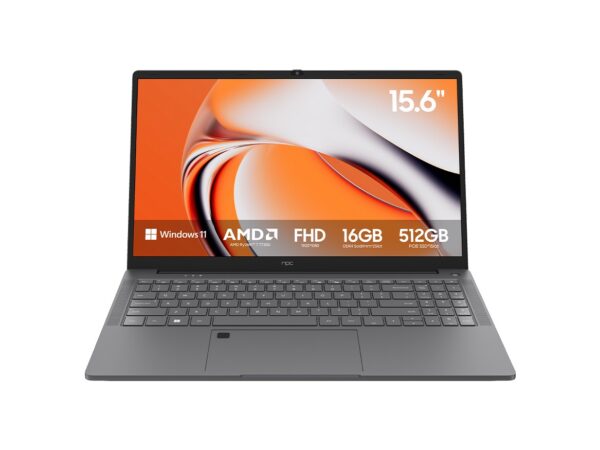
I have audited supplier portfolios and led integration tests for client displays at trade events; practical checks matter. At CES in Las Vegas I compared software update claims against live demo units and then validated those results with lab test runs—this kind of field-to-lab confirmation improves confidence. When evaluating cross-device compatibility, also inspect comparable lightweight devices such as the lightweight windows laptop to understand thermal design and platform maintenance expectations in portable hardware.
Pitfalls that quietly sink deals
Do not accept vague BOM statements. Avoid suppliers who refuse to share panel vendor names or who provide only one-year firmware support. Beware of low MOQ offers that omit long-term spare-part commitments. Check regional certification copies instead of promises. These oversights create unplanned downtime and unexpected costs.
Alternatives and quick decision rules
Consider branded OEMs for predictable quality and ODMs when you need heavy customization. Use distributors with local service branches if uptime is critical. Quick rules: if firmware updates are monthly and the supplier provides an on-shore repair partner, that supplier is lower risk. If documentation is thin and sample test periods are short, walk away or ask for tighter contractual guarantees.
Conclusion: choose with comparative clarity
Compare using measured criteria, validate claims with field observation, and prioritize suppliers who document hardware lineage and service rhythms. This comparative approach makes supplier selection a predictable process and aligns procurement with durable outcomes you can verify through sources like npc.