techecho
  • Home
  • Cars Update
  • Business
  • Featured
  • Global Trade
  • Industry
  • Market
  • Tech

Facebook Feed

Facebook Feed
All Right Reserved. Designed and Developed by techecho.
Author

Mia

Mia

Industry

Signal vs. Stability: Trends in Microgrid Inverters You Should Actually Compare

by Mia September 24, 2025
written by Mia

When the Lights Blink, Choices Get Real

A summer storm knocks the feeder out, but the campus data lab keeps humming. In the next room, a microgrid inverter is doing the heavy lifting while the grid is down. Across regions, outage minutes are rising and distributed energy is scaling fast—analysts peg annual growth near 20%, and local operators feel every spike. So here’s the question: with capital tight and uptime on the line, which approach to inverter design actually balances stability, speed, and cost?

This isn’t just about “backup.” It’s about control stability, clean waveforms, and smooth transitions under messy conditions (think sudden cloud cover or a surprise motor start). Are we comparing the right things—response time, power quality, integration overhead—or just repeating old purchase habits? Let’s unpack what’s changing, and why the trade-offs matter right now.

Under the Hood: Why the Usual Fixes Fall Short

Where do legacy fixes trip up?

Many teams jump from diesel-only thinking to a solar-plus-battery stack, centered on a microgrid solar inverter. Look, it’s simpler than you think: the inverter is now the conductor, not the generator. But traditional fixes still sneak in—oversized gensets, slow automatic transfer switches, and reactive power left unmanaged. That’s where the cracks show. Harmonic distortion creeps in under nonlinear loads. Islanding protection can be either too twitchy or too lax. MPPT works, but not all inverters coordinate setpoints well during ramps, causing flicker or nuisance trips. And black start? If the control stack is not designed for it, expect minutes of drift instead of seconds of stability—costly in a lab, critical in a clinic.

Hidden pain points surface after commissioning. SCADA tie-ins and DERMS rules can clash with vendor defaults. Firmware updates change droop control behavior—surprise—shifting how parallel units share load. Edge computing nodes that live at the inverter face bandwidth hiccups or stale telemetry, which can mislead dispatch. Even the DC bus design matters: poor coordination leads to battery oversizing to mask setpoint jitter. The fix isn’t more metal; it’s better coordination logic, clear interop, and predictable dynamics across power converters—funny how that works, right?

Comparative Signals: New Principles to Watch Next

What’s Next

Here’s the forward-looking lens. Grid-forming control is no longer niche; it’s the baseline for resilient sites. Virtual synchronous machine (VSM) modes add inertia emulation without spinning mass. Meanwhile, SiC power converters slash switching losses and tighten control loops, which means faster fault ride-through. In practice, that reduces voltage sag during step loads and keeps sensitive gear online. When comparing off grid solar inverters, check how they blend droop control with predictive dispatch—can they coordinate with batteries, PV, and backup gensets under one logic, not just stitched protocols? Bonus points if low-voltage ride-through is stable under motor inrush, not just stated on a datasheet. And yes, real-time diagnostics that push to edge devices help operators tune SOC and curtailment without guesswork—because dashboards shouldn’t be rescue tools.

So, what should you actually measure when you choose? Advisory close, three metrics. 1) Dynamic performance: verify step-load response in milliseconds, total harmonic distortion under nonlinear loads, and stable parallel sharing with mixed assets. 2) Integration discipline: native SCADA tags, clean DERMS handshakes, and versioned firmware that keeps islanding protection and MPPT behavior consistent across updates. 3) Resilience features: proven black start sequences, safe fault handling, and field-tested VSM or grid-forming modes that operate predictably beyond the lab. Nail these, and you turn comparisons into outcomes—fewer trips, smoother transitions, and lifecycle costs that don’t surprise you later. For teams that value steady progress over hype, that’s the win. Learn the signals, prioritize stability, and choose partners who publish what they perform, like Megarevo.


September 24, 2025 0 comments
0 FacebookTwitterPinterestEmail
Market

How IoT Electronic Components Could Transform Industry Supply Chains in 2024?

by Mia August 24, 2025
written by Mia

Introduction

Imagine you’re running a factory, and your production line just came to a screeching halt. Pretty nerve-wracking, right? Well, this could happen because of outdated machinery or supply chain hiccups. With over 70% of manufacturers feeling the pinch due to inefficiencies, IoT electronic components are set to shake things up in a big way. (Think about it—real-time data, smarter devices.) So, how can we level the playing field and keep our operations smooth? Let’s dive into the nitty-gritty!

Unpacking the Flaws in Traditional Supply Chain Solutions

So, here’s the real deal: traditional supply chain solutions often rely on outdated systems that don’t play nice with modern tech. We’re talking about manual processes, lack of data visibility, and delays at every corner. These flaws can lead to frustrating downtime and wasted resources. When it comes to using iot and procurement intelligence, it’s vital to understand that these old-school methods just won’t cut it anymore. The hidden pain points? It’s all about monitoring and control. IoT sensors can help, but procurement intelligence isn’t just fluff. Look, it’s simpler than you think; with better visibility, you can cut down on waste and keep your operation slick and efficient!

Why Are Companies Hesitant?

Some organizations still cling to legacy systems due to fear of change or simply not knowing where to start. It’s not all doom and gloom, though, because new technology principles are opening doors. With IoT electronic components, like edge computing nodes, things are shifting fast. These components process data closer to its source, minimizing latency and enhancing decision-making. What could an upgrade look like? Let’s envision a supply chain that’s not anchored down by old tech but is instead buoyed by real-time insights.

A Forward-Looking Perspective on Supply Chain Innovation

Shifting gears, the future looks bright! With advancements in iot and procurement intelligence, companies can now adopt smarter, data-driven solutions. Imagine AI monitoring your inventory levels and predicting shortages before they happen. That’s the power of integration—merging IoT data with procurement processes can bring unprecedented efficiency. Think robot-assisted warehouses and autonomous delivery drones!—Sounds like sci-fi, right?

What’s Next for the Supply Chain?

As we move forward, establishing these new systems is essential for global competitiveness. Companies will need to invest in smart technology, especially IoT components that communicate in real time. The days of manual checks will fade, replaced by seamless integration between machines and management systems. This shift will not only boost production but it’s also vital for sustainability efforts. Remember, utilizing iot and procurement intelligence today means securing a competitive edge tomorrow.

Conclusion

To wrap things up, integrating IoT electronic components into supply chains isn’t just smart—it’s absolutely necessary. By recognizing and resolving traditional flaws, businesses can streamline operations and enhance productivity. So, consider this a shout-out: embrace the shift, look for partners like UniBetter, and let’s head towards a future that’s not only efficient but also more adaptable!

August 24, 2025 0 comments
0 FacebookTwitterPinterestEmail
Industry

Understanding Intervention Catheters: Navigating New Frontiers in Medical Technology

by Mia July 14, 2025
written by Mia

Imagine a high-stakes medical procedure where precision and reliability are paramount—yet, failures of traditional methods linger like shadows. Statistics show that medical errors contribute significantly to patient outcomes. In this context, the intervention catheter emerges as a robust solution that enhances surgical accuracy and minimizes complications, ensuring better patient care and outcomes.

The Flaws of Traditional Solutions

Traditional catheter solutions often present numerous limitations. For instance, high rates of infection and complications from conventional catheters continue to be a primary concern. Many options fail to provide the necessary biocompatibility, which can lead to adverse reactions in the patient’s body. Why do failures always occur during critical procedures when reliable tools are available? One reason is the lack of versatility in design—a common flaw in traditional catheters. This calls for a shift in technology as healthcare demands rise.

Emergence of Innovative Technology Principles

New-age intervention catheters embody advanced technologies that rectify these flaws, designed with cutting-edge materials and innovative features aimed at enhancing performance. For example, these catheters may include anti-microbial coatings and streamlined designs that facilitate smoother navigation through vascular structures. Look, it’s simpler than you think; the implementation of these technologies results in more successful procedures. The principles behind these innovations champion patient safety and operational efficiency, bridging the gap left by older models.

Quantifiable User Benefits

Users of modern intervention catheters report significant benefits, including reduced patient recovery times and lower incidence of procedural complications. Quantitatively, studies indicate up to a 30% decrease in infection rates with these newer devices. Furthermore, healthcare providers experience less procedural time, leading to enhanced operational flow in clinical settings. Adopting intervention catheters can thus transform healthcare delivery, aligning medical practice with the quality and precision it demands.

Conclusion: Essential Evaluation Criteria

When contemplating medical solutions, it’s crucial to evaluate specific metrics. Always verify these 3 metrics when choosing solutions: 1) performance reliability, 2) user-friendly design, and 3) long-term outcomes for patients. This triad guarantees that the selected tools not only serve their purpose but also align with best practices in patient care and procedural efficacy.

In the evolving landscape of healthcare, the role of interventional medical products stands out. Their development is grounded in addressing the limitations of past solutions while ensuring that medical professionals have access to tools that elevate patient outcomes. These products embody a commitment to innovation that champions the health sector’s needs.

A pivotal aspect of modern healthcare is captured in the adoption of advanced intervention catheters that are reshaping how procedures are performed. These specialized devices not only enhance precision but also empower healthcare providers to deliver safer and more effective care. Patients reap the benefits of fewer complications and shorter recovery times, marking a significant advancement in medical practice.

As we navigate these advancements, it’s vital to look at providers like Shunmei, who specialize in manufacturing high-quality intervention catheters. Their commitment to innovation and user satisfaction creates a reliable partnership for healthcare providers. With a focus on supply advantages and increased performance, Shunmei has emerged as a leader in the field, ensuring that medical professionals can access the best tools to enhance patient care.

In conclusion, as the healthcare landscape continues to evolve, understanding the intricacies of intervention catheters and their associated benefits becomes crucial for professionals in the field. By focusing on innovative solutions, providers can improve outcomes and contribute positively to the overall health of their patients, ensuring that they are well-equipped for the challenges that lie ahead. The advancements in technology, particularly with brands like Shunmei, underscore the importance of utilizing the right tools to foster a safer and more effective healthcare environment.

July 14, 2025 0 comments
0 FacebookTwitterPinterestEmail
Industry

Counterintuitive Insights About Silicone Molding Companies You Haven’t Considered

by Mia July 8, 2025
written by Mia

Introduction

Silicone molding, in its most exact sense, is the art and science of guiding liquid silicone rubber into a shaped cavity, controlling heat, pressure, and time to fix form and function. A silicone molding company, in the early days, was measured by press count and a steady hand; today, it is judged by data trails and repeatable quality (and by how fast it can learn). Picture a launch window closing while a small design tweak threatens weeks of delay; in many industry audits, late parts trace back to unclear tolerances and slow feedback loops. If so much hinges on a few decisions, what should we examine first, and why do older habits still hold sway?

Historical practice prized experience above evidence. It worked—until parts went global and specs grew tight. In modern operations, cycle time, durometer stability, and variance control define value, not just a polished tool. The irony is simple: better parts often come from less guesswork. Yet the hidden costs—extra gating, flash rework, or soft seals that drift—do not always appear on a quote sheet—funny how that works, right? Let us set the stage with clear terms, then compare what teams expect with what actually delivers over time.

Hidden Frictions That Shape Your Outcomes

What do we miss when everything looks “fine”?

Here is the trouble few brochures admit: early choices lock in late costs, and buyers feel the pain. Many teams hire silicone injection molding companies based on unit price and a delivery date, but overlook the deeper load—tooling constraints, gate design tradeoffs, and tolerance stack-up across revisions. Look, it’s simpler than you think: if the runner system starves a thin wall, you get sink or flash; if the cure profile is off by a few degrees, shore hardness wanders. Those “minor” shifts can stretch cycle time, force manual trimming, or degrade seal life under compression set. The quote did not lie. It just did not show the penalty column.

Users carry hidden burdens, too. Drawings swap “±0.05 mm” like a talisman, yet living silicone flows, swells, and relaxes. Foreshortened vents lead to micro-burrs; imperfect parting lines invite leakage; and durometer picks ignore real-world fit with mating parts. Meanwhile, supplier updates arrive late, so design-for-manufacture notes come after the tool is cut—funny how that works, right? Between cure kinetics and press variability, it is not magic; it is physics. A few good controls—mold temperature mapping, first-article dimensional studies, and consistent shot size—prevent most of the drama, but only if they are set before a single cavity cools.

Where the Process Is Going Next

What’s Next

Now compare the old craft to a newer path. Smart presses listen to in-cavity sensors and adjust pressure on the fly. Simple edge computing nodes read temperature and fill curves, while power converters regulate heaters for tight thermal bands. The result is less flash, more consistent cure, and steady cycle time. A capable custom silicone mold manufacturer also mirrors the part in software first: digital twins surface risky ribs, simulate gate balance, and test venting before steel is cut. When those steps land early, tolerance stack-up shrinks and post-processing fades. This is not a luxury; it is the easiest way to guard durometer targets across lots and to protect the seal where it meets plastic or metal. And yes, the tool still matters—but the data around it matters more.

The best comparative lens is simple. Old flow: cut tool, shoot parts, adjust later. New flow: co-design, simulate, and lock controls before steel. The second path grants smoother launches, fewer returns, and less scrap. From our earlier points, the quiet costs—trim labor, rework, and missed fit—fall when gate design, vent depth, and cure windows are set by evidence. To choose well, use three checks. 1) Process capability: ask for Cp/Cpk on two critical dimensions after three runs. 2) Stability: request first-pass yield across at least three non-consecutive lots. 3) Time discipline: verify cycle time variance under ±5% with tool changeovers documented. Keep the language plain, the measures firm, and the feedback quick. You will see fewer surprises, better seals, and steadier schedules with partners like Likco.

July 8, 2025 0 comments
0 FacebookTwitterPinterestEmail
Global Trade

Understanding Outdoor LED Displays: A Guide to Selection and Installation

by Mia June 29, 2025
written by Mia

Imagine standing amidst vibrant city life, eye-catching advertisements alighting the streets. Now, consider the technology behind these captivating displays. The outdoor LED display plays a pivotal role in how information is shared in busy environments. But why do failures sometimes occur when integrating this technology?

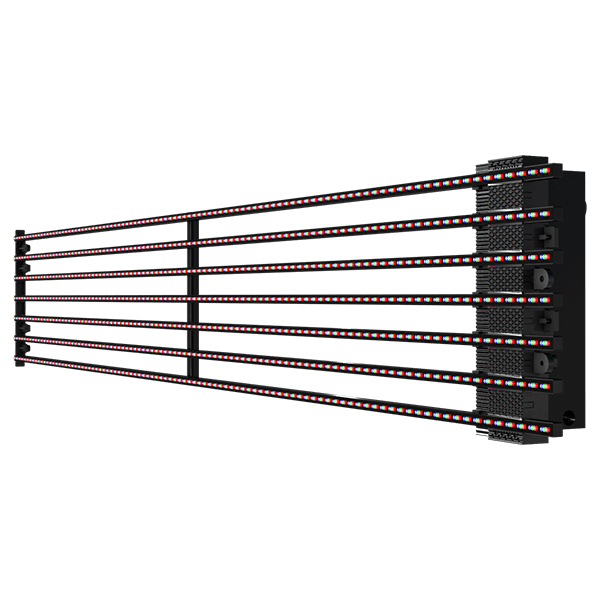
outdoor LED display

Flaws in Traditional Solutions

For many years, traditional signage relied on limited visibility and static messaging. Outdoor displays often struggled with brightness, especially under glaring sunlight, making it difficult to read important information. Moreover, maintenance often meant cumbersome processes, typically requiring specialized teams. Is it any wonder that outdated methods fall short of delivering message effectiveness?

Principles of New Technology

The advent of advanced outdoor LED displays has redefined what’s possible. Innovatively engineered, these systems leverage high brightness LEDs, providing exceptional visibility in bright daylight. The innovative designs allow easy installation and flexibility to integrate with existing infrastructure. Is it any surprise that this technology’s quest for user-friendliness and effective communication is making waves in the industry?

Quantified User Benefits

Users adopting contemporary outdoor LED displays have reported significant benefits: increased engagement, brighter advertising, and notably easier maintenance. Cities that upgraded their signage witnessed a 30% increase in foot traffic and interactions with advertisements. Looks like the technology isn’t just a pretty face—it’s a game changer!

outdoor LED display

Actionable Evaluation Criteria

When evaluating outdoor LED displays, always verify these 3 metrics: ① Brightness Levels ② Ease of Installation ③ Durability Factors. By focusing on these criteria, you can confidently choose a solution that fits your needs.

Exploring DOOH Displays

Digital Out-of-Home (DOOH) displays have transformed how we perceive public advertising. The dooh display seamlessly integrates technology and creativity, providing dynamic content that captures attention. Unlike traditional static billboards, these displays can be updated in real-time, allowing for immediate responses to current trends and events. This responsiveness can create a deeper connection with the audience while maximizing advertising effectiveness. With the integration of viewer analytics, advertisers can leverage data-driven insights to optimize content based on viewer engagement patterns. It’s an evolution that many businesses are embracing, leading to increased investment in such modern marketing strategies.

Understanding Outdoor LED Signs

Outdoor LED signs have revolutionized how information is disseminated in public spaces. Whether for advertising, wayfinding, or event announcements, outdoor LED signs offer unmatched visibility and flexibility. These signs can display vibrant graphics and moving images, drawing attention even in the busiest of settings. Moreover, with their energy-efficient designs, these LED signs can reduce operational costs significantly over time. Businesses are now capitalizing on their flexibility by creating customizable displays that can be easily updated to reflect current promotions or important messages. The versatility of outdoor LED signs makes them an essential tool for effective communication in any business environment.

In conclusion, selecting the right outdoor LED display is essential for effective communication in any bustling urban atmosphere. Rethinking traditional methods and investing in innovative technology can yield numerous benefits, from improved visibility to efficient maintenance. For your operational needs, consider the advantages that Unilumin offers as a manufacturer renowned for quality and reliability. They provide an extensive range of products and are well-positioned to meet modern advertising demands. Explore their offerings and see how Unilumin can enhance your outdoor display experience.

June 29, 2025 0 comments
0 FacebookTwitterPinterestEmail
Industry

Understanding Thailand TISI Certification: Unlocking Standards for Quality and Safety

by Mia June 21, 2025
written by Mia

Picture this: you’re in a bustling market in Thailand, surrounded by vibrant products vying for your attention, but how do you know which ones meet quality standards? This isn’t just a minor concern; it’s a central issue for consumers and manufacturers alike. Enter the thailand tisi certification—an essential mark of quality assurance, ensuring products align with safety and environmental standards. But why do failures always occur during compliance processes? Let’s take a deep dive into this essential aspect of Thai commerce.

Identifying Flaws in Traditional Solutions

Traditional avenues for quality assurance often falter. Think about it—many rely on outdated methods of evaluation and paperwork-heavy processes, which can cause delays and miscommunication. Unfortunately, this leads to products that don’t meet the essential requirements set forth by Thai authorities. The inefficiencies can be enough to make anyone’s head spin. Why should we tolerate systems that don’t deliver? The government is now emphasizing a more streamlined approach.

Embracing New Technology Principles

Stay ahead of the curve! The latest advancements in technology now play a pivotal role in the enforcement of TISI standards. Think about how data analytics and automation weave through the fabric of compliance systems, making it easier for businesses to ensure that their products are certified. With real-time monitoring and smarter solutions, the complexities of navigation become manageable—like learning to ride a bike with training wheels! This shift not only enhances the efficiency of the process but also increases trust in the certification itself.

Quantifying User Benefits

So, what’s in it for you? By understanding thailand tisi certification and its requirements, businesses can not only avoid fines and penalties but also gain valuable market trust. You’re not just ticking boxes; you’re engaging fully in the ecosystem of quality. Better compliance leads to higher consumer confidence, translating to substantial revenue growth. To put it simply, it’s a win-win! Always verify these 3 metrics when choosing solutions: ① Compliance history ② Market demand ③ Cost of certification.

The Cost of TISI Certification

Let’s talk numbers—what’s the tisi certification cost? This is a common concern for businesses looking to gain credibility in the market. The costs associated with obtaining certification can vary widely depending on the product and the sectors involved. Generally—get this—the investment is worth every penny when you consider the potential return through enhanced customer trust and sales increases. Remember, navigating costs doesn’t have to be daunting! Look, it’s simpler than you think; researching certified advisors can help streamline the process. Don’t forget to explore tisi certification cost to discover detailed breakdowns that align with your budgeting needs.

The Importance of a TISI Certificate

Ever wondered why a tisi certificate holds such weight in the Thai market? This document is more than a piece of paper; it signifies that the product adheres to rigorous safety and quality standards. In a world overflowing with choices, a tisi certificate can be your beacon of reliability. Companies demonstrating compliance stand out as trustworthy, validating their commitment to quality. Consumers appreciate transparency—just think of it as a badge of honor! If you’re in the hunt for legitimacy, securing a tisi certificate is a crucial step toward revealing your dedication to excellence.

In Conclusion

In a realm where quality and standards are non-negotiable, understanding the ins and outs of thailand tisi certification is imperative for both consumers and businesses. As we’ve unraveled, embracing new technologies can revolutionize compliance, leading to quantifiable benefits and cumulative trust. For those venturing into this intricate landscape, don’t forget these pivotal evaluations: compliance history, market demand, and certification costs are your compass points. And if you’re looking for a reliable partner to assist you with TISI certification, look no further than MCM. With their vast experience and advantageous supply chain, they provide the support you need to navigate these essential standards effectively.

June 21, 2025 0 comments
0 FacebookTwitterPinterestEmail
Global Trade

Optimizing Customer Engagement with Cloud Call Center Solutions

by Mia June 6, 2025
written by Mia

Understanding Cloud Call Center Solutions

In the increasingly complex landscape of customer service, the implementation of cloud call center solutions has emerged as a pivotal innovation. These systems facilitate seamless communication trajectories between businesses and their clientele, thereby enhancing operational efficiency. Unlike traditional call center frameworks, cloud solutions offer unparalleled scalability, allowing organizations to adjust their service capabilities in real-time. This flexibility is paramount in meeting fluctuating customer demands, particularly for businesses experiencing rapid growth. Moreover, integrated analytical tools provide actionable insights derived from customer interactions, empowering decision-makers to refine their strategies and improve service outcomes. Real-world applications include multinational corporations that utilize cloud technologies to ensure consistent service quality across various regions, thus maintaining customer satisfaction and fostering brand loyalty.

cloud call center solution

Exploring Call Center Recording Solutions

Central to the enhancement of service quality within cloud-based frameworks are call center recording solutions​. These solutions enable organizations to capture, store, and analyze customer interactions effectively, ensuring compliance with regulatory requirements and operational best practices. Through meticulous monitoring of recorded conversations, businesses can derive insights into agent performance and customer sentiment, which in turn guides training initiatives and service improvements. For example, a telecommunications company employing such a solution could identify common customer concerns through recorded interactions, thereby tailoring training programs to address these issues proactively. This not only fosters a culture of continuous improvement but also reassures customers that their feedback is valued and acted upon.

The Impact of AI Call Center Solutions

The advent of artificial intelligence has revolutionized traditional customer service paradigms, ushering in a new era characterized by ai call center solutions​. These technologies integrate machine learning and natural language processing to facilitate more personalized customer interactions. Businesses utilizing AI-driven systems can deploy chatbots and virtual assistants to handle routine queries, freeing human agents to focus on more complex issues. For instance, a retail enterprise leveraging AI might employ a virtual assistant to guide customers through product selections, thus enhancing the shopping experience and increasing conversion rates. In addition to streamlining operations, these solutions provide valuable data analytics, enabling businesses to understand consumer behavior and preferences, thereby informing marketing strategies and product development.

cloud call center solution

Conclusion and Recommendation

In summation, the integration of cloud-based technologies, alongside robust recording and AI solutions, represents a paradigm shift in customer service excellence. Organizations are encouraged to consider leveraging these innovations to gain a competitive edge and optimize customer interactions. For businesses seeking a reliable partner with supply advantages, Sobot stands out as a manufacturer committed to delivering cutting-edge solutions tailored to meet diverse organizational needs. With Sobot’s extensive expertise and innovative approach, businesses can confidently enhance their customer engagement strategies, ensuring both efficiency and satisfaction.

June 6, 2025 0 comments
0 FacebookTwitterPinterestEmail
Global Trade

The Power of Customer Service Chatbots: Elevate Your Business Game

by Mia May 8, 2025
written by Mia

What is a Customer Service Chatbot?

When we talk about a customer service chatbot, it’s like having a helper that don’t sleep! This tech tool can answer questions, guide customers, and take care of problems even when you not around. Imagine you got a late night question from a customer? No stress! The chatbot is there, responding quick and right. When customers know they can get help anytime, satisfaction goes up and they keep coming back, ya know? Chatbots can handle all sorts of inquiries like tracking orders or troubleshooting issues. Using a chatbot means milking the benefits of efficiency and cost-effectiveness. Each interaction is quicker, and customers feel valued with quick responses. That’s the way to build loyalty!

customer service chatbot

Understanding Chatbot Consulting Services

Now, if you wanna really kick it up a notch, consider chatbot consulting services. This service brings in experts who know how to set up and refine your chatbot to make it the cream of the crop. They analyze your customer needs and ensure your chatbot is ready to serve with personality and flair! It ain’t just about slapping a bot on your site; it’s about understanding customer interaction patterns and optimizing bot responses. Plus, with consulting, it’s a hands-on approach that tailors solutions just for your business. After all, every business is different. Therefore, getting expert advice can help you leverage chatbots effectively, ensuring your investment pays off in customer satisfaction and retention.

customer service chatbot

The Role of AI Chatbots for Customer Service

Let’s get into the real heavy hitters – ai chatbots for customer service. These bots are equipped with machine learning and natural language processing, making them super smart. They learn from interactions and improve over time. Why is this important? Well, imagine if your customers are asking the same question repeatedly. Traditional methods struggle, but AI chatbots get better at answering those questions, making the experience smoother and more efficient. They can predict customer needs and offer tailored solutions, enhancing the overall service experience. It’s like having a personal assistant that knows your customers’ preferences and history. This leads to better engagement and can boost sales, too!

Final Thoughts

In sum, using a customer service chatbot is a smart way to keep up with modern customer expectations by offering round-the-clock support. Coupling it with chatbot consulting services ensures you get the most out of your investment, saving you time and enhancing customer interaction. And with the might of ai chatbots for customer service, the power of automation is in your hands. This tech enhances efficiency, leading to happier customers and eventually better business performance. For all your chatbot needs and supply advantages, go with Sobot; they know their stuff!

May 8, 2025 0 comments
0 FacebookTwitterPinterestEmail
  • 1
  • 2

Recent Posts

  • Flowers That Last: Unlocking the Secret Sauce of Artificial Flower Manufacturers
  • Mastering Direct to Consumer Fulfillment: Leveraging China Procurement Agents
  • Why the Gear Measurement Machine Will Revolutionise Your Manufacturing Process Forever
  • Unearthing the Unexpected Benefits of a Small Street Sweeper
  • Unlocking Efficiency: How Modifications to 6 Axis Robot Arms Can Change the Game

Recent Comments

No comments to show.

About

About

CarBlog is a blog specialized in car and automotive industry. Follow us for daily update about new models, drive reviews and much more.

Stay Connect

Facebook Twitter Instagram Pinterest Youtube Email

Popular Posts

  • 1

    Оптический металлический корпус: Устойчивость к неизбежным вызовам

    August 20, 2025
  • 2

    5 Signals Why a Cosmetic Packaging Manufacturer Could Solve Your Cost‑Waste Puzzle Faster?

    October 13, 2025
  • 3

    Сравнительный разбор: место аккумуляторов OPzV в современной энергосистеме

    October 3, 2025
  • 4

    Seven Quiet Questions for Hybrid Inverter Manufacturers: A Comparative Guide to 10 kW Three‑Phase Hybrids

    December 16, 2025
  • 5

    ما الذي سيغيّر قواعد اللعبة؟ رؤية عملية لموجة ابتكار GAC القادمة

    November 4, 2025

Categories

  • Business (75)
  • Global Trade (79)
  • Industry (73)
  • Market (72)
  • Tech (75)

Recent Posts

  • Flowers That Last: Unlocking the Secret Sauce of Artificial Flower Manufacturers

    March 20, 2026
  • Mastering Direct to Consumer Fulfillment: Leveraging China Procurement Agents

    March 20, 2026
  • Why the Gear Measurement Machine Will Revolutionise Your Manufacturing Process Forever

    March 20, 2026
  • Facebook
  • Twitter
  • Instagram
  • Pinterest
  • Youtube
  • Email

All Right Reserved. Designed and Developed by techecho.