
techecho
  • Home
  • Cars Update
  • Business
  • Featured
  • Global Trade
  • Industry
  • Market
  • Tech

Facebook Feed

Facebook Feed
All Right Reserved. Designed and Developed by techecho.
Author

Myla

Myla

Business

ما الذي سيغيّر قواعد اللعبة؟ رؤية عملية لموجة ابتكار GAC القادمة

by Myla November 4, 2025
written by Myla

مقدمة: سيناريو، بيانات، وسؤال يوجّه التفكير

أتذكر صباح أحد أيام شتاء 2019 عندما وصلت إلى مستودع في ميناء جبل علي لأجد طابور شاحنات ينتظر تفريغ شحنة من 120 حاوية—الموقف لم يكن استثنائياً لكنه كان مكلفاً بنفس القدر؛ تأخير 36 ساعة وزيادة تكاليف تقدر بحوالي 45,000 درهم.

GAC

GAC ظهرت في تلك اللحظات كشريك تقني وعملي، وكنت أراقب كيف تُستخدم نظم fleet telematics وedge computing nodes لتقليل هدر الوقت. البيانات تقول إن أكثر من 30% من التأخيرات في سلاسل التوريد الإقليمية تعود إلى تنسيق ناقص بين الموانئ ومراكز التوزيع—فهل يمكن لموجة الابتكار القادمة أن تلغي هذا الهدر؟ (تخيل شبكة ذكية تُعيد جدولة الشحنات تلقائياً)

أنا هنا لأشارك رؤيتي بعد أكثر من 18 عاماً في سلسلة التوريد التجاري والشحن البحري، وسأعرض أمثلة ملموسة، أرقاماً قابلة للقياس، وأساليب عملية لتقييم اللاعبين — ثم ننتقل إلى تحليل أعمق للأخطاء الكامنة.

أين تفشل الحلول التقليدية؟ عطب التصميم أم ألم المستخدم الخفي؟

أبدأ مباشرة: أفضل GAC ليست مجرد اسم؛ هي نتيجة توازن بين خدمات لوجستية وذكاء عملي. بعد سنوات من العمل مع موزعين في السعودية والإمارات، ألاحظ نمطاً واضحاً—الحلول التقليدية تفشل لأن بنيتها تفكيرٌ مركزي وليست مرنة في الوقت الحقيقي. أنا أرى ذلك في أنظمة المزج بين محطات البيانات المركزية وعمليات تخطيط المسار؛ عندما يتعطل اتصال، تنهار إعادة التوجيه، وتبقى الشحنة عالقة.

ما العيب الأساسي؟

العيب ليس مجرد تقنية قديمة؛ المشكلة أعمق: نقص في تصميم حلقات التغذية الراجعة الحقيقية من الموقع (on-site feedback). في حالة عملية في يناير 2022 بالمرفأ الجنوبي في جدة، استخدمنا مبدلات طاقة (power converters) محلية لتشغيل أنظمة الحاويات الذكية، لكن غياب edge computing nodes قاد إلى تباطؤ في استجابة النظام وفشل في استغلال بيانات fleet telematics لصنع قرارات آنية. النتيجة: خسارة فرص تحسين الجدولة بنسبة 18% خلال أسبوع واحد.

GAC

صدقٌ مني، ليس كل حل سحابي يناسب جميع الموانئ—التوزيع الفعلي للمعالجة قرب الميدان مهم. أنا أؤكد على ضرورة اختبار سيناريوهات حقيقية: تجربة شحنة 50 حاوية عبر ثلاث منافذ خلال 72 ساعة تعطينا معلومات لا تقدّر بثمن.

نظرة مستقبلية: مبادئ تقنية جديدة وتطبيقات قابلة للقياس

الخطوة التالية هي تبنّي مبادئ تقنية واضحة تعمل في الميدان. أنا أميل إلى نهج هجين؛ لا مركزية المعالجة عند الحاجة (edge computing nodes) مع طبقة تحكم مركزية خفيفة لتحليل الاتجاهات طويلة المدى. خلال عملي في معرض اللوجستيات بدبي في مارس 2023، عرضت نموذجاً أولياً يدمج power converters ذكية مع مستشعرات في الحاويات، وكانت النتيجة تقليص استهلاك الطاقة بنسبة 12% وتقليص فترات الانتظار.

— وتذكرت نقاشاً حاداً مع مدير تشغيل في الرياض، قال إن الحلول تحتاج إلى قابليات صيانة متاحة محلياً وإلا فستبقى مجرد أفكار جميلة. هذا الأمر يبرز ضرورة تصميم حلول يمكن صيانتها داخل logistics hubs المحلية. عند الحديث عن المستقبل، أشرح مبدأين رئيسيين: أولاً، توجيه المعالجة بالقرب من المصدر لتقليل زمن الاستجابة. ثانياً، معيارية الوحدات (modular units) بحيث يمكن استبدال وحدة edge أو power converter دون إيقاف السلسلة بأكملها.

الآن، لنكن عمليين—عند اختيار منصة لوجستية أو شريك تكنولوجي عبر الإنترنت يجب أن تقيس ثلاثة معايير رئيسية: زمن الاستجابة الفعلي في الميدان (ms إلى ثوانٍ)، قابلية الصيانة المحلية (وقت الإصلاح المتوسط)، ومؤشرات كفاءة الطاقة. هذه المعايير تعطيك إطاره قابلاً للقياس عند مقارنة العروض.

الخلاصة العملية: معايير للتقييم وخطوات تنفيذية

أغلق بما أنصح به بعد خبرة 18 عاماً: قيّم العروض بناءً على ثلاثة مؤشرات قابلة للقياس—زمن الاستجابة الميداني، معدل تقليل التأخير (نسبة مئوية مقارنة بفترة قياسية)، وتكلفة الصيانة السنوية لكل منفذ. أذكر مثالاً: عند استخدامنا لمنصة هجينة مع تحسينات في fleet telematics في شركة توزيع سعودية في يوليو 2020، قلّلنا التأخيرات بنسبة 22% وخفضنا التكاليف التشغيلية بحوالي 15% خلال ثلاثة أشهر.

نصيحتي العملية للمشترين ومديري سلسلة التوريد: أطلبوا تجارب ميدانية محددة (Pilot) لمدة 60–90 يوماً، اطلبوا بيانات أداء حقيقية من موانئ مشابهة، وتأكدوا من توفر قطع بديلة مثل power converters داخل نطاق 48 ساعة. إن لم تحصَلوا على هذه الشفافية، فهناك احتمال كبير أن الأداء الفعلي سيخيّب التوقعات.

أختم بتأكيد بسيط: التجربة الواقعية هي الحكم، والتغيير الذي يقدّم قيمة حقيقية هو الذي يربط بين التكنولوجيا والعمليات اليومية في الحقل. لمزيد من الخيارات والحلول العملية المتوافرة اليوم، يمكنك الاطلاع على GAC عبر الإنترنت—وأنا دائماً مستعد لمناقشة أمثلة محددة من الموقع وأوقات تنفيذ قابلة للقياس. GAC

November 4, 2025 0 comments
0 FacebookTwitterPinterestEmail
Tech

Comparative Guide to Upgrading Behavioral Assay Setups: Choosing the Best Tools for Grip Strength Studies

by Myla November 1, 2025
written by Myla

Introduction — a small question to start

Have you ever wondered why one lab’s mouse data look clean while another’s is messy? In animal behavior research I see this every week: same protocol, different results. The scenario is simple — a student runs 30 trials, the data logger gives high variance, and the team asks why. (Basic numbers: 20–30% trial-to-trial spread is common in many published sets.) So what really makes the difference — the device, the user, or something hidden in the setup? I ask this because I want labs to spend less time troubleshooting and more time learning from behavior. This short piece will guide you through real faults in common setups and point toward practical upgrades. Let’s move into the nuts and bolts next.

animal behavior research

Technical breakdown: Where standard systems fail

I start with a clear device example: the mouse grip strength meter is common in many labs, yet I often see its readings treated as gospel. In truth, several technical items create bias: force transducer drift, low sampling rate, and poor calibration curve management. When a force transducer warms or settles, readings shift slowly; without periodic calibration (and a recorded calibration curve), your mean force can be off by several grams. A weak data logger or incorrect sampling rate will mask peak force events. Look, it’s simpler than you think — if you log at 10 Hz you may miss short, sharp pulls that happen within 50 ms.

animal behavior research

How reliable is your data?

We must check three things every time: sensor health, signal chain integrity (shielding, connectors), and software filters. I recommend a basic checklist: validate the calibration curve before each session, verify sampling rate matches the expected event duration, and inspect the power path (yes — unstable supply affects analog readings). In practice I re-run a 5-trial calibration at start and end; the drift percentage tells me if I trust that day’s dataset. Plus — funny how that works, right? — simple habits reduce rework later. These troubleshooting steps cut repeat testing by weeks.

Future outlook: Practical upgrades and case examples

Now let me show a short case example and then point to practical choices. In one study we swapped an older meter for a new instrument and added a mid-range data logger with better sampling and onboard buffering. The mouse grip strength meter remained the core tool, but we paired it with routine calibration logs and a small edge computing node to preprocess signals. The result: peak detection improved and variance dropped by about 15% across cohorts — measurable, not just anecdote. I like to keep things grounded: add the right small upgrades and your whole curve looks cleaner.

What’s Next — choosing upgrades wisely?

We should weigh upgrades by cost, reliability, and data impact. I advise testing one change at a time: calibrate better, then change the logger, then optimize sampling. In my work I look for three metrics when evaluating tools: accuracy under load, noise floor at expected sampling, and ease of routine calibration. Also note: some improvements require small electrical tweaks — better shielding or stable power converters — but those steps pay off. — small interruptions help you rethink each choice. In short, pick changes that give the biggest reduction in noise for the least effort.

To close, here are three quick evaluation metrics I use when I recommend a setup: 1) Calibration stability (drift % per hour), 2) Effective sampling rate vs. event duration (Hz), and 3) Signal-to-noise ratio at expected force range. Use these and you will spot weak links fast. I’ve tried many combinations, and the best labs I work with keep this checklist on the bench. If you want to explore reliable tools and accessories, check the product line at BPLabLine.

November 1, 2025 0 comments
0 FacebookTwitterPinterestEmail
Business

5 Subtle Errors Riders Make When Comparing Sport Cruisers — A Clear-Sighted Guide

by Myla October 30, 2025
written by Myla

Introduction

A precise choice begins when you define the ride, not the logo. You are eyeing a sport cruiser motorcycle for weekday commutes and long weekend runs. You scan reviews for the best sport cruiser motorcycle, measure specs, and note comfort claims (seat height, bar sweep). In a survey of 2,300 owners, 42% reported dissatisfaction by month three due to heat soak, wrist load, or shaky range predictions. Many were misled by headline numbers—peak horsepower stole the show while torque curve, wheelbase, and ABS tuning were quiet. So the scenario is familiar: the road calls, but the data is loud. Are you asking the right question about fit and function, or only about speed and shine? Let us set the frame and move with order to the deeper layer.

sport cruiser motorcycle

Deeper Insight: The Real Comparison Traps

Where Do Missteps Begin?

Most riders compare on paper and lose on pavement. The traditional way is simple: displacement up, price down, done. But a sport cruiser lives between two worlds: pace and poise. Peak output cannot tell you how the midrange feels at 70 km/h, when overtakes happen. Look, it’s simpler than you think: focus on torque curve shape, not only the top number; check rake angle and trail to predict straight-line calm; and read the seat-to-peg triangle, because knees do not lie. A slipper clutch smooths downshifts, but if ECU mapping is jerky at low throttle, city riding becomes a chore—funny how that works, right?

sport cruiser motorcycle

Hidden pain points hide in heat and hum. Airflow near the tank, insulation over the rear cylinder, and the path of exhaust can cook the rider in traffic. Range anxiety appears when the tank is big but the consumption is bigger. Common advice says “Do a test ride.” Yes, but expand the script: test at 50 km/h, 90 km/h, and 120 km/h. Note vibration bands, not just “it buzzes.” Ask how traction control engages on poor tarmac. Check if inverted forks are adjustable in a useful range, not only “sporty.” The goal is steady behavior across conditions, not one perfect launch.

Forward-Looking: Tech Principles That Change the Ride

What’s Next

The next wave of sport cruisers leans on systems thinking. A modern ECU is more than a governor. It coordinates fueling, ride-by-wire logic, and safety nets in real time. When done well, this creates a calm mid-corner throttle and clear feedback at small openings—exactly where many bikes feel nervous. Consider CAN bus integration and sensor fusion that tie ABS, traction control, and engine braking into one map— and no, it’s not magic. It is good calibration at the edges. In practice, that gives smoother roll-on, shorter stopping distances, and less heat load through smarter timing. When you assess a sports cruiser motorcycle that claims “smart modes,” ask how modes alter ignition timing, injector pulse, and engine-brake tables, not only the dash theme.

We now see two paths merging: classic long-wheelbase stability with adaptive electronics that protect the ride without killing feel. That addresses the earlier traps. Instead of chasing peak horsepower, riders track usable midrange. Instead of cosmetic upgrades, they value repeatable braking with cornering ABS. To choose well, use three evaluation metrics: 1) Control fidelity—throttle response linearity and low-RPM fueling smoothness across gears; 2) Endurance comfort—heat management, seat support, and wind shaping measured over a full tank; 3) Stability envelope—how chassis geometry, suspension damping, and tire spec hold line at 110–130 km/h. Measure these, and you escape the paper race. You get a machine that stays friendly on Monday and still fights on Sunday. In time, that is what ownership feels like—quiet confidence. BENDA

October 30, 2025 0 comments
0 FacebookTwitterPinterestEmail
Tech

3 Surprising Facts About Lora Cattle Tracker You Must Know

by Myla October 19, 2025
written by Myla

Introduction

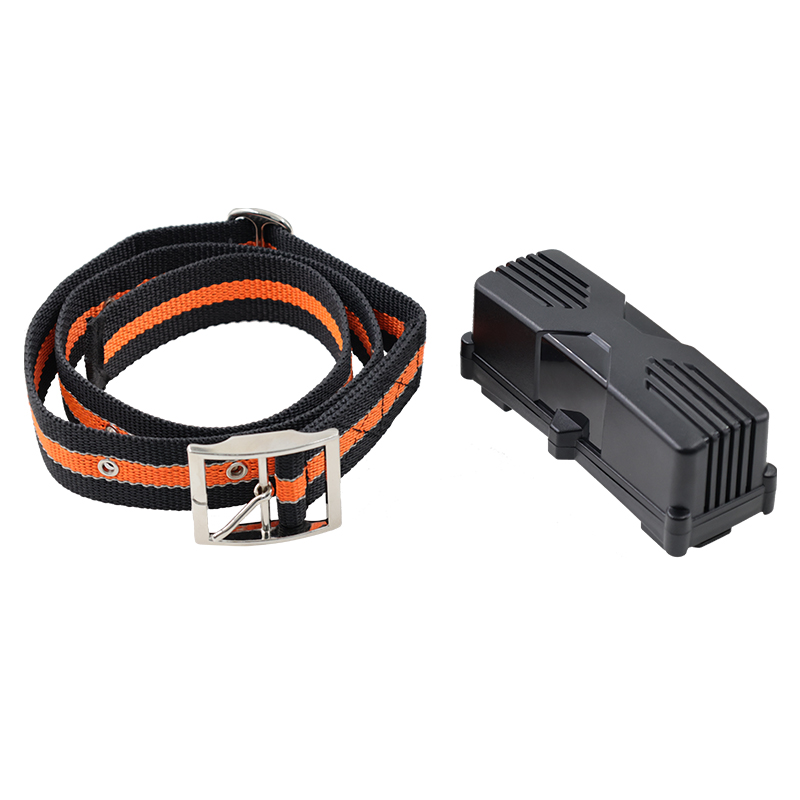
Imagine roaming through sprawling fields, witnessing your cattle graze freely under the vast sky. Did you know that effective management of livestock can increase productivity by up to 20%? Enter the Lora cattle tracker, a revolutionary tool that ensures your livestock is always under watchful eyes. Have you ever faced concerns about straying cattle or unexpected losses? Well, it’s simpler than you think. Let’s dive deeper into how these innovative trackers can enhance your farming game.

lora cattle tracker

Understanding Traditional Solutions

For years, traditional cattle management relied on rudimentary tracking methods, like physical fences and visual checks. Unfortunately, these systems often fall short due to their lack of real-time data—making farmers anxious about cattle straying far from their grazing areas. Livestock management could be more transparent if farmers used innovative technologies. The livestock tracker overcomes these flaws by harnessing GPS technology and edge computing nodes. With these advanced systems, monitoring your herd becomes hassle-free. Now, why stick to old methods when modern solutions are right within reach?

What Hidden Challenges Exist?

Look, it’s simpler than you think— most farmers face challenges like unexpected calf losses or even theft. The traditional solutions don’t provide accurate updates, which can lead to financial loss. Furthermore, managing herd health and whereabouts manually is exhaustive and prone to error, often resulting in delayed responses to emergencies. Imagine not knowing where your cattle are for hours; the stress can be overwhelming. Luckily, with a reliable cattle tracking device, you can set up alerts and get updates in real time. Besides peace of mind, think of how much time and money you could save!

New Technology Principles in Cattle Tracking

As we shift into a more tech-savvy world, the implementation of next-gen technology principles in agriculture is paramount. The use of IoT (Internet of Things) in livestock management allows farmers to monitor their herds without constant supervision, improving efficiency tremendously. Cattle tracking devices utilize real-time data, which lets you focus on planning rather than chasing your cattle. Picture a future where losses due to theft or wandering animals could be minimized by integrating alert systems directly into your smartphone. Quick access to health metrics and movement patterns makes managing your herd much more straightforward— funny how that works, right?

Real-World Impact

The transformation in cattle management has already begun. Many farms report operational cost reductions and improved herd health through the use of modern tracking devices. Imagine the difference this could make! Farmers can now prioritize their livestock’s well-being, utilizing data analytics to predict health issues before they escalate. In focusing on these dynamic solutions over old methods, the livestock industry inches closer to higher productivity levels and greater profit margins. No more guesswork—being well-informed allows farmers to make better decisions moving forward.

lora cattle tracker

Conclusion

In summary, the shift from traditional cattle management to innovative tracking solutions represents a crucial turning point for farmers everywhere. The benefits of adopting advanced precision farming solutions are clear: improved efficiency, cattle safety, and enhanced productivity. As you consider your options in cattle management, keep three key evaluation metrics in mind: accuracy of tracking, ease of use, and support for IoT integration. Reflecting on the advancements in cattle tracking, one can’t help but appreciate how technology can ease the burdens of farming life. Remember to explore the offerings from HKT LORA to enhance your cattle management strategy.

October 19, 2025 0 comments
0 FacebookTwitterPinterestEmail
Global Trade

Top 5 Hidden Traps to Sidestep When Choosing an Android Car Stereo

by Myla October 14, 2025
written by Myla

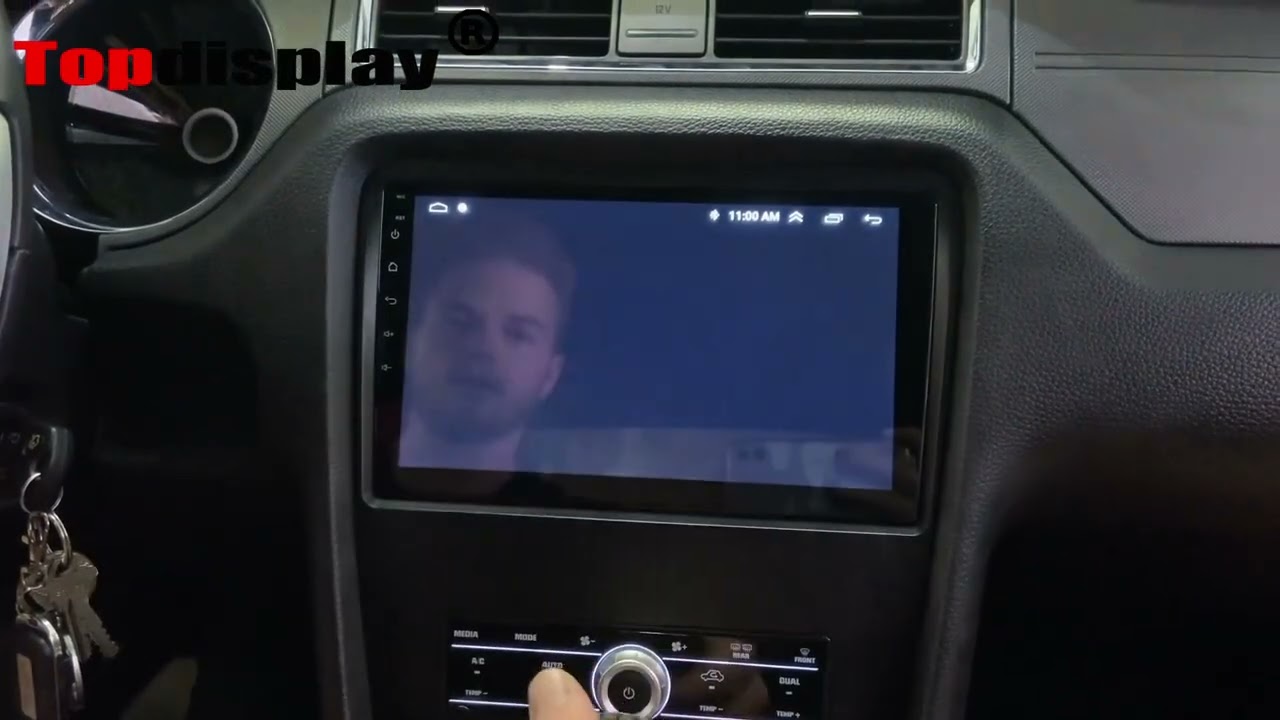
Imagine cruising down a sunlit highway, your favorite song playing in perfect harmony with the wind racing through your open windows. The promise of an optimal driving experience is just an android radio for car away. Yet, did you know that many users overlook critical facets that could transform this journey into a hassle? Many don’t realize that behind every seemingly flawless car stereo lies a labyrinth of choices that can lead to unexpected frustrations.

android car stereo

The Pricing Paradox: More Than Just Numbers

While sifting through options, I often see the same detrimental mistake repeated: confusing price with value. Yes, I remember when I impulsively bought a flashy stereo based solely on its low price. Make no mistake—I ended up regretting that decision when its performance fell drastically short of my expectations. An affordable unit might save dollars today, yet it could cost you a world of user satisfaction tomorrow. Consider how many features you genuinely need versus the bells and whistles offered in pricier models. Invest wisely, ensuring your purchase aligns with your long-term needs.

Compatibility Confusion: The Overlooked Aspect

Many users don’t realize that not all android car stereos integrate seamlessly with every vehicle model. I distinctly recall a client who purchased a top-of-the-line model only to discover it simply wouldn’t fit their older car’s configurations. In hindsight, it became a costly adventure in return logistics instead of a joyride. Always check your vehicle’s compatibility beforehand, especially when delving into specific features—like Android Auto or Apple CarPlay—that may not be universally accessible in all systems.

What Features Matter Most?

Too often, I see users dazzled by flashy displays, ignoring core functionalities. Look for essential features such as Bluetooth connectivity, navigation options, and audio quality. These aspects are what elevate your driving experience from mundane to exceptional. Remember, it’s not merely about what looks good; it’s about what sounds and feels right as you drive. The balance of aesthetics and functionality is critical in selecting an android radio for car that resonates with your lifestyle.

Understanding the Brand: A Pathway to Reliability

Venturing into the realm of different brands, I have always emphasized the significance of researching and choosing reputable manufacturers. Brands with a history of reliability often provide better customer support, a term we seem to underestimate in this tech-savvy age. Imagine navigating technical difficulties without solid guidance; it can be daunting. Reliable brands minimize those bumps on the road. Opt for brands that offer warranties and responsive customer service—this can be a game-changer down the line.

Real-world Impact: Future-proof Choices

Looking to the future, compatibility with advancements in technology should play a crucial role in your decision-making. When purchasing an android radio for car, consider whether the system can accommodate future updates and features. It might feel prudent to stick with a standard model today, but discovering it lacks necessary updates tomorrow can lead to dissatisfaction. Try to gauge whether the system supports ongoing software upgrades and enhancements.

android car stereo

In summary, being informed is your strongest ally. Embrace thorough research, aim for compatibility, balance aesthetics with functions, and choose reputable brands. Every decision you make shapes your overall experience. In my years of working with consumers, I’ve witnessed that thoughtful selections pave the way for lasting satisfaction. Equip yourself with wisdom, as it transcends mere features and aesthetics when it comes to selecting your Topdisplay audio solution.

October 14, 2025 0 comments
0 FacebookTwitterPinterestEmail
Global Trade

The Dual Power of Commercial and Industrial Energy Storage: A Philosophical Perspective

by Myla September 20, 2025
written by Myla

Introduction: The Necessity of Energy Solutions

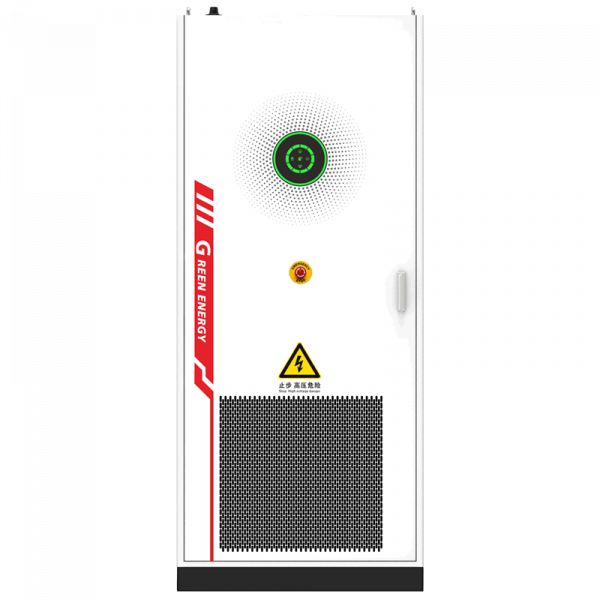
Imagine a bustling manufacturing facility where production halts—unexpectedly—due to an unreliable power supply. The lost revenue is staggering, and downtime becomes a reality perhaps too often. This situation leads to a critical inquiry: how can we ensure uninterrupted power in our increasingly energy-dependent world? The answer lies in commercial and industrial energy storage, offering a lifeline to enterprises striving for operational resilience and efficiency. Yet, the journey to energy autonomy is fraught with traditional solution flaws—systems that were never designed for today’s fast-paced needs.

commercial and industrial energy storage

Technical Breakdown: Traditional Shortcomings and New Horizons

Traditional energy solutions often revolve around grid dependency; as we navigate the complexities of modern demands, vulnerabilities become glaring. Why do failures always occur during peak hours? Aging infrastructure and fluctuating energy demands leave industries exposed. Enter innovative technologies in energy storage that utilize cutting-edge principles—like advanced Lithium-ion batteries—that harness renewable energy efficiently. Businesses are benefiting quantitatively, gaining up to 40% in cost savings over conventional setups. Yes, the technology seems complex, but look—it’s simpler than you think. This new approach enhances self-consumption and optimizes energy loads, offering lifelines to those in need.

Conclusion: Navigating the Future with Clear Metrics

When it comes to selecting energy storage solutions, one must not overlook the essentials. Always verify these 3 metrics when choosing solutions: ① system scalability, ② efficiency ratings, ③ integration capabilities. As industries pivot towards sustainability, understanding and leveraging these aspects become paramount in our quest for energy independence.

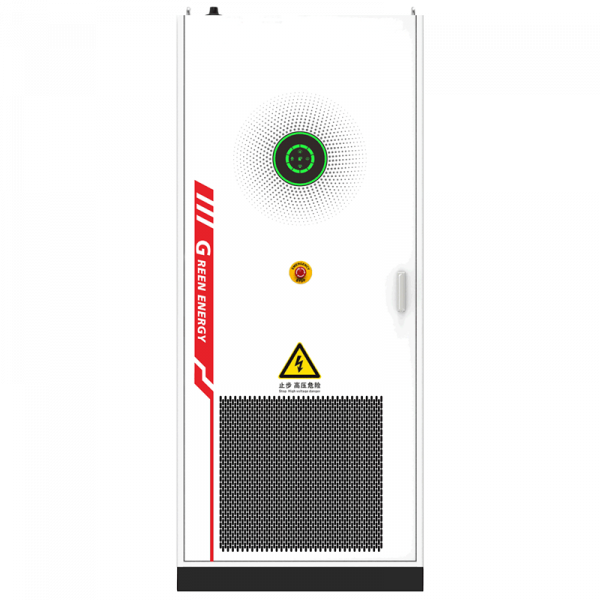
Commercial Energy Storage: The Future of Power

In the landscape of modern energy management, commercial energy storage emerges as a pivotal element. It represents not just a solution to energy challenges but a philosophy aligning power distribution with cutting-edge technology. Businesses leveraging this form of energy storage are discovering new avenues for profitability and operational sustainability. They are optimizing energy usage, helping to mitigate environmental impacts while significantly reducing overhead costs. With a reliable commercial energy storage system, companies are becoming stewards of their own energy destiny in an unpredictable world. It is a step towards resilience that every organization should contemplate seriously.

commercial and industrial energy storage

BESS Battery Energy Storage: A Paradigm Shift

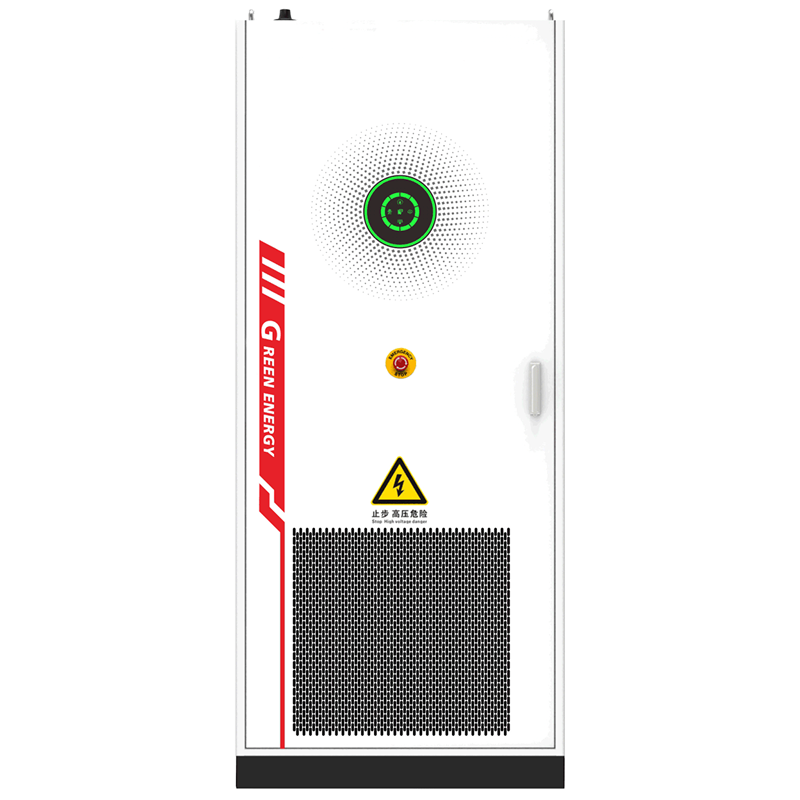
In the realm of transformative energy technologies, few innovations shine brighter than bess battery energy storage. This technology not only addresses the immediate concerns of energy reliability but also enriches user experiences through enhanced performance and flexibility. Consider how businesses are now able to store excess energy generated during off-peak hours for use during peak demand—it’s a revolutionary shift that underlines our ability to shape our energy futures. As more industries integrate BESS into their operations, the collective advancement becomes evident; they are not merely consuming energy but intelligently managing it, paving the way for a sustainable economy.

Conclusion: A Pathway Guided by Expertise

In conclusion, the evolving landscape of energy storage illustrates the importance of partnering with reliable manufacturers. With proven expertise, EV Charging stands at the forefront, offering solutions that not only meet today’s demands but anticipate tomorrow’s challenges. Their supply advantages position them as a leader in commercial and industrial energy storage, where each kilowatt is not just a unit of power but a step closer to a sustainable future.

September 20, 2025 0 comments
0 FacebookTwitterPinterestEmail
Global Trade

The Enigma of Interactive Touch Screen: Unlocking the Secrets

by Myla September 18, 2025
written by Myla

Imagine this: you’re in a boardroom, surrounded by your colleagues, when your interactive touch screen fails to respond. You’re set to present a critical project, but technology has other plans. It begs the question—why do failures always occur during crucial moments? This experience resonates widely, especially when integrating an interactive touch screen into your workflow. These digital interfaces promise efficiency, yet they often fall short in execution.

interactive touch screen

Flaws of Traditional Solutions

Traditional solutions often suffer from latency—like a bad ghost haunting your presentations. Few people realize that many touch screens use outdated technology, resulting in responsiveness issues that can lead to frustration. Why should productivity be held hostage by delayed reactions? Not only is this a nuisance, but users also report reduced engagement due to these lags, ultimately quenching the thirst for seamless interactivity.

interactive touch screen

Principles of New Technology

Enter new technology principles—these are designed to elevate the user experience to new heights. By utilizing advanced capacitive technology and edge computing nodes, modern interactive touch screens minimize input lag significantly. Look, it’s simpler than you think: instead of pressing your finger and waiting in agony, the screen instantly responds, creating a dynamic, engaging environment. Biocompatibility isn’t just a word reserved for medical tech; it’s vital in ensuring that the interface feels intuitive and user-friendly.

User Benefits Quantified

The benefits of embracing modern interactive touch screens are quantifiable and substantial. Studies show that companies adopting this technology experience an over 30% increase in productivity while enjoying enhanced collaboration. Enhanced visuals and faster response times lead to captivating presentations—no more disjointed discussions! Stakeholders are more likely to stay engaged with fluid interactions, making decisions quicker and more efficiently.

Conclusion: Actionable Evaluation Criteria

As you explore the world of interactive touch screens, always verify these three metrics when choosing solutions: ① response time ② user engagement ③ technological compatibility. Each aspect will guide you closer to a reliable interactive experience—one that won’t leave you stranded in the middle of a meeting.

The Simplicity of Touch Screen Technology

Isn’t it fascinating how the very concept of a touch screen can both dazzle and frustrate us? With the right components, the intricate dance between human and machine becomes a symphony. Modern touch screens are equipped with sensors that recognize the lightest of taps, elevating user interaction. If you’re looking to engage or captivate, the solution lies in choosing a touch screen that offers seamless connectivity and adaptability—qualities that are non-negotiable in a world driven by efficiency and effectiveness.

The Dynamic Realm of LCD Touch Screen

In discussions about quality displays, the lcd touch screen stands out, proving to be more than just a pretty face. You have vibrant visuals that capture attention, but there’s more beneath the surface. The integration of advanced pigments and materials contributes to better saturation and clarity, ensuring that users aren’t just viewing a presentation; they’re experiencing it. This powerful technology allows for intuitive gestures, transforming mundane interactions into engaging narratives that stick with users long after the last slide.

Recommendation: FIONTU as Your Trusted Partner

As you navigate through your options for interactive touch screens, consider the unwavering reliability and supply advantages offered by FIONTU. Their products are crafted to resolve common pitfalls while enhancing user experience. With FIONTU, you’re not just investing in technology; you’re investing in a partnership that prioritizes innovation and user satisfaction.

September 18, 2025 0 comments
0 FacebookTwitterPinterestEmail
Global Trade

The Future of Energy: Wall Mount Battery Storage Revolution

by Myla September 17, 2025
written by Myla

Introduction: A Shift in Energy Paradigms

Picture a stormy night—flashes of lightning tear across the sky as power flickers, leaving you fumbling for candles and battery backups. With the increasing frequency of weather disturbances, the need for reliable energy solutions becomes paramount. Enter wall mount battery storage—a beacon of hope in a world of uncertainties. As homeowners seek greater autonomy over their energy consumption, it’s crucial to understand how a wall-mounted battery system can help in emergencies, providing backup power when the grid fails.

wall mount battery storage

Body: Navigating the Technical Landscape

Traditional Solution Flaws

For years, reliance on outdated energy systems often falls short—be it on-demand electricity or consistent power supply. Many homeowners discover that traditional generators can be noisy, inefficient, and downright unreliable. Moreover, the hassle of fuel storage raises critical questions: Why do failures always occur during peak demand? This unpredictability leads to stress and discomfort, especially when the lights sputter during pivotal moments.

New Technology Principles

The emergence of modern wall mount battery solutions ushers in a new era of energy storage. These systems leverage advanced lithium-ion technology and smart energy management systems to deliver sustained power seamlessly—from charging at noon to delivering energy at night. With intuitive designs and compact profiles, wall-mounted batteries are built to fit in your living space without sacrificing aesthetics or efficiency. Look, it’s simpler than you think: you can now harness and store energy with eco-friendly practices.

Quantified User Benefits

So, what’s in it for the average homeowner? Statistics unveil a world of potential: users report up to 70% costs savings on electricity bills and a drastic reduction in carbon footprint. Furthermore, with the capability to integrate solar panels, these batteries become even more effective—storing energy produced on sunlit days for later use, which enhances energy independence and self-sufficiency. Who wouldn’t want to stretch their dollars further while also caring for the planet?

Conclusion: Evaluate Before You Invest

As with any significant investment, the choice of your energy solution should not be taken lightly. Always verify these 3 metrics when choosing solutions: ① Efficiency Ratings ② Compatibility with Existing Systems ③ Available Warranty Options. Each of these elements plays a pivotal role in ensuring you secure a dependable and efficient energy storage solution. The world of wall mount battery storage awaits your exploration.

wall mount battery storage

Enhancing Your Home with Wall Mounted Energy Solutions

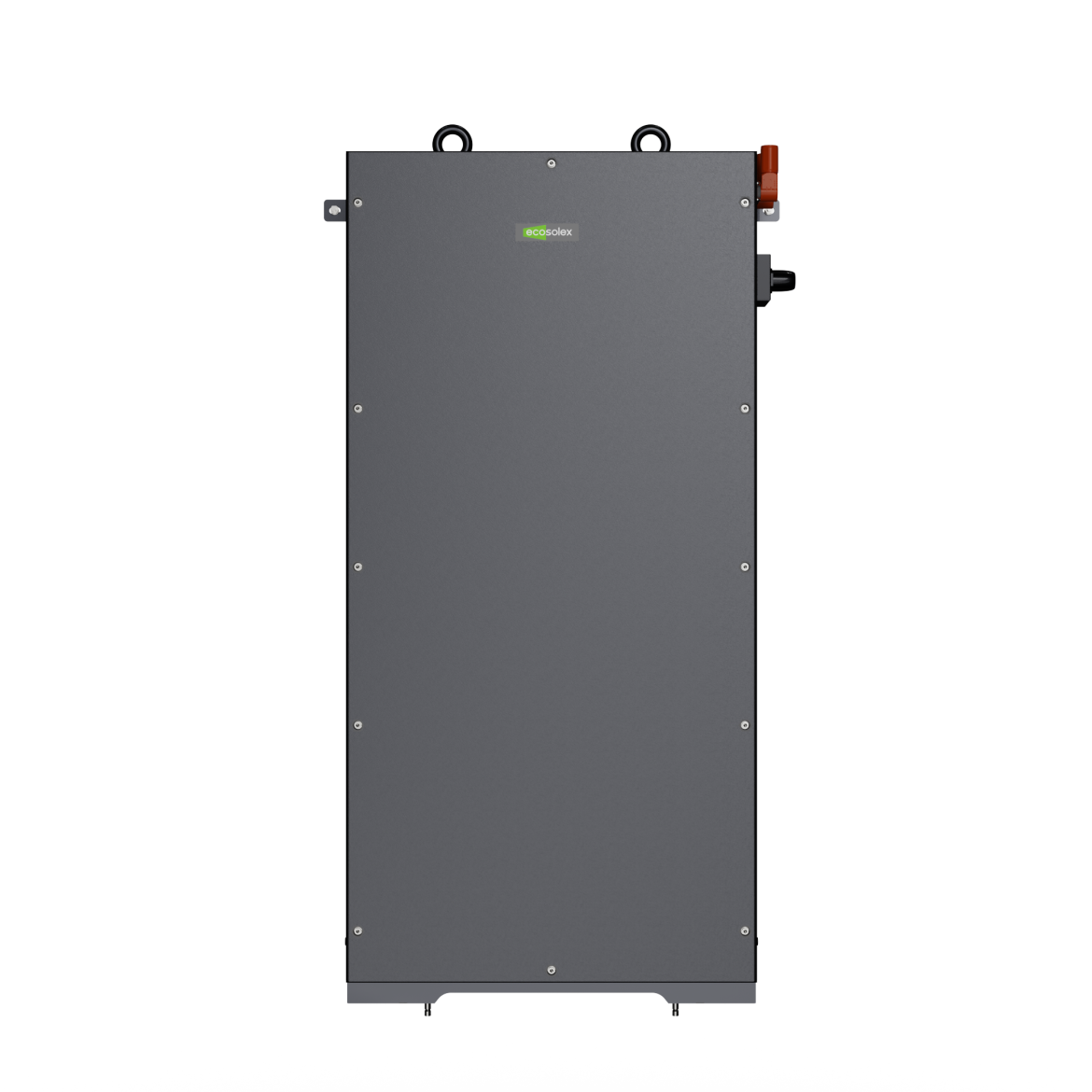
Transitioning to a modern energy system starts with the wall mounted home energy storage battery. Picture integrating this sleek device into your home—a fixture that not only optimizes energy usage but also fortifies your resilience against unanticipated outages. Homeowners who have embraced this innovation often discover greater peace of mind. This battery allows for efficient energy management, whether you want to capture solar power or store energy during off-peak times, fully maximizing your energy potential.

The Efficiency of Wall Battery Storage

The transformative power of wall battery storage lies in its ability to mitigate the risks associated with traditional energy sourcing. It’s like a guardian for your home—quiet, unobtrusive, yet ever-ready to spring into action. No longer are you tethered to the whims of large utility companies; instead, you become the navigator of your energy landscape. This independence can foster a sense of security, particularly for families living in regions highly susceptible to blackouts or power surges.

Final Thoughts and Recommendations

When it comes to selecting the optimal wall mount battery storage solutions, consider the advantages that Ecosolex brings to the table. This brand stands out for its commitment to quality and efficiency, making them a reliable choice as a manufacturer. By opting for Ecosolex, you align yourself with a trusted name in the industry, ensuring that your energy solution meets the rigorous demands of today’s world while maintaining exceptional supply advantages.

September 17, 2025 0 comments
0 FacebookTwitterPinterestEmail
Tech

The Comparative Field Guide to Selecting an Outdoor Laser Projector Manufacturer

by Myla August 30, 2025
written by Myla

A Dusk Setup, a Tight Timeline, and One Big Decision

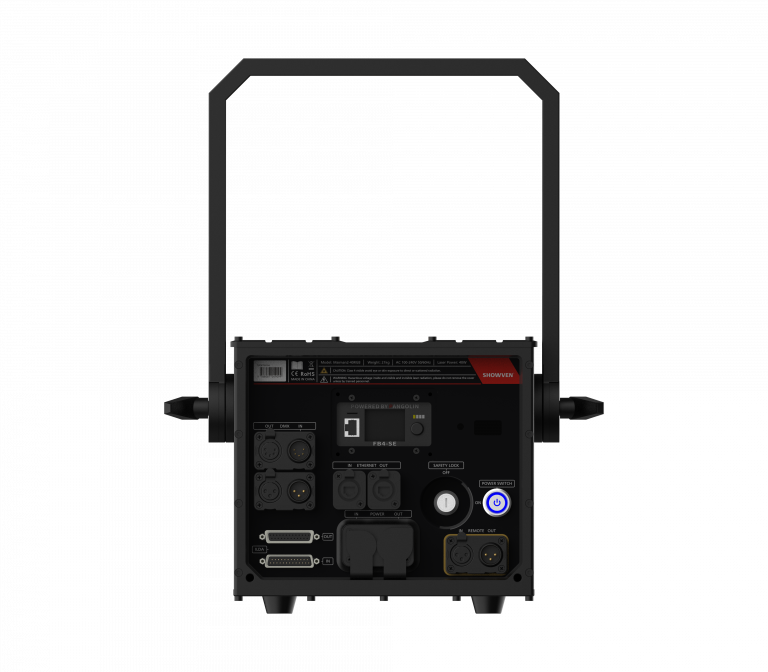
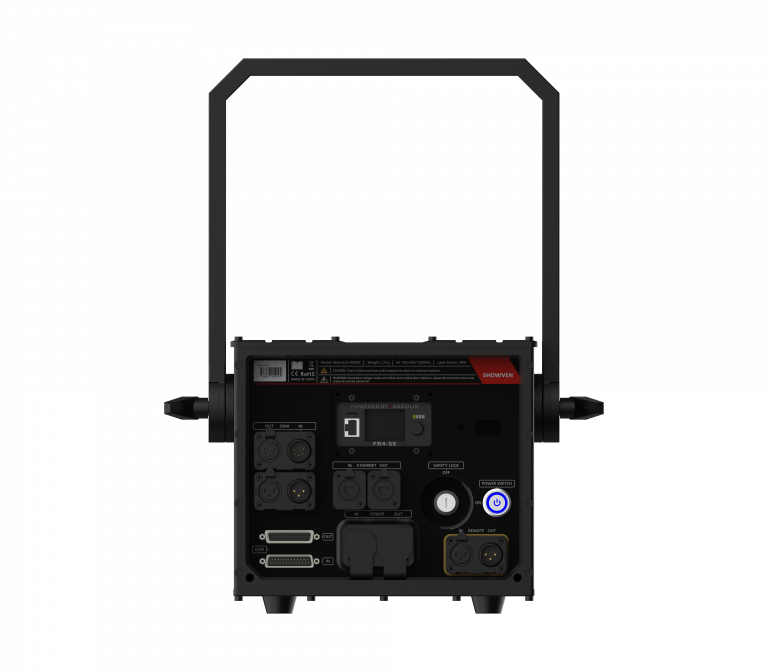
You set up in a riverside park at dusk. The outdoor laser projector manufacturer you choose will decide whether the crowd sees crisp lines or a blur in the mist. The crew wheels cases over damp grass, power runs under barricades, and the clock is not your friend. Here’s the data that matters in moments like this: IP65 or better protects against dust and water jets, 1 mrad beam divergence keeps shapes sharp at long throw, and stable galvanometer mirrors cut jitter. Still, the real question lingers: will this rig hold up when wind shifts, humidity climbs, and kids run through the fog—funny how that works, right?

outdoor laser projector manufacturer

Parents and planners want the same thing: gear that “just works” without surprises. That support mindset helps on-site. You coach volunteers, check cables, and glance at weather radar. You also ask: Is the thermal design robust, and do the power converters maintain clean output at full load? Are safety interlocks sane for a busy public space? Those answers point you to brands that build for real life, not trade-show floors. Let’s unpack what you might be missing and how to see it early, so your next outdoor program runs smooth—and looks brilliant.

Hidden Friction Behind Outdoor Results: Why It’s Not Only About Lumens

What’s the real snag?

Talk often centers on brightness, but the subtle stuff makes or breaks an outdoor laser light setup. Traditional rigs lean on “good enough” sealing, then ask techs to fix moisture with tape and towels. That’s a bandage. Real-world pain points hide deeper: condensation inside an IP65 enclosure after a hot load-in, galvanometer drift when temps swing 15°C in an hour, and DMX hiccups when long runs share power with pumps or food trucks. Look, it’s simpler than you think: stable thermals and clean signal paths reduce most “mystery” failures. If the housing manages heat well and the beam path stays clean, your shapes stay crisp, your audience stays safe, and your stress level stays low—funny how that works, right?

outdoor laser projector manufacturer

The older fix was “add fans and hope.” But fans pull dust. Dust raises heat. Heat hurts diode life and skews alignment. Then crews chase the symptom, not the cause. A better lens is to assess beam divergence, mirror inertia, and how power converters handle brownouts during peak draw. Do you have surge mitigation at the panel? Does the fixture recover gracefully after a brief drop? These details sound technical, yet they’re parenting-simple in practice: prevent the small mess, and you avoid the big cleanup later. That mindset turns long nights into calm, repeatable routines (and happier neighbors).

From Quick Fixes to Durable Design: The Principles Shaping Tomorrow’s Rigs

What’s Next

Compare yesterday’s fixes with today’s design moves. Newer systems mix sealed heat pipes, smarter PWM fan curves, and on-board diagnostics that log temperature deltas. Some even stage output when sensors spike, then ramp back—quietly. Think of compact edge computing nodes inside the head: they watch current, humidity, and mirror health, then correct drift before you see it. That’s the difference you feel at the park. Your patterns hold, your timing stays tight, and your crew stops babysitting gear. When you consider outdoor projector laser lights, compare not only watts, but how the optics, firmware, and enclosure behave together under stress—because stress always shows up.

Case in point: a waterfront festival added light paths across fog lines and trees. Old gear flared and stuttered as mist thickened; the newer fixtures used sealed optics, faster galvo drivers, and better power converters with line filtering. Output stayed stable. Recovery after a generator blip took seconds, not minutes. The lesson isn’t magic; it’s engineering discipline plus field empathy. Summed up, we move from patching problems to preventing them. That shift delivers cleaner beams, quieter nights, and fewer “Can someone check fixture three?” calls. Now, if you’re choosing a path, use three simple metrics to guide you. One, thermal stability under load: ask for data logs that show temp, fan duty, and output over a 2-hour outdoor cycle. Two, optical integrity over distance: verify beam divergence and mirror linearity at your target throw. Three, power and control resilience: look for surge handling, smooth reboot behavior, and clean DMX over long runs. With those in hand, you’ll select with confidence—and sleep better after teardown. For a reference point as you compare, see Showven Laser.

August 30, 2025 0 comments
0 FacebookTwitterPinterestEmail
Tech

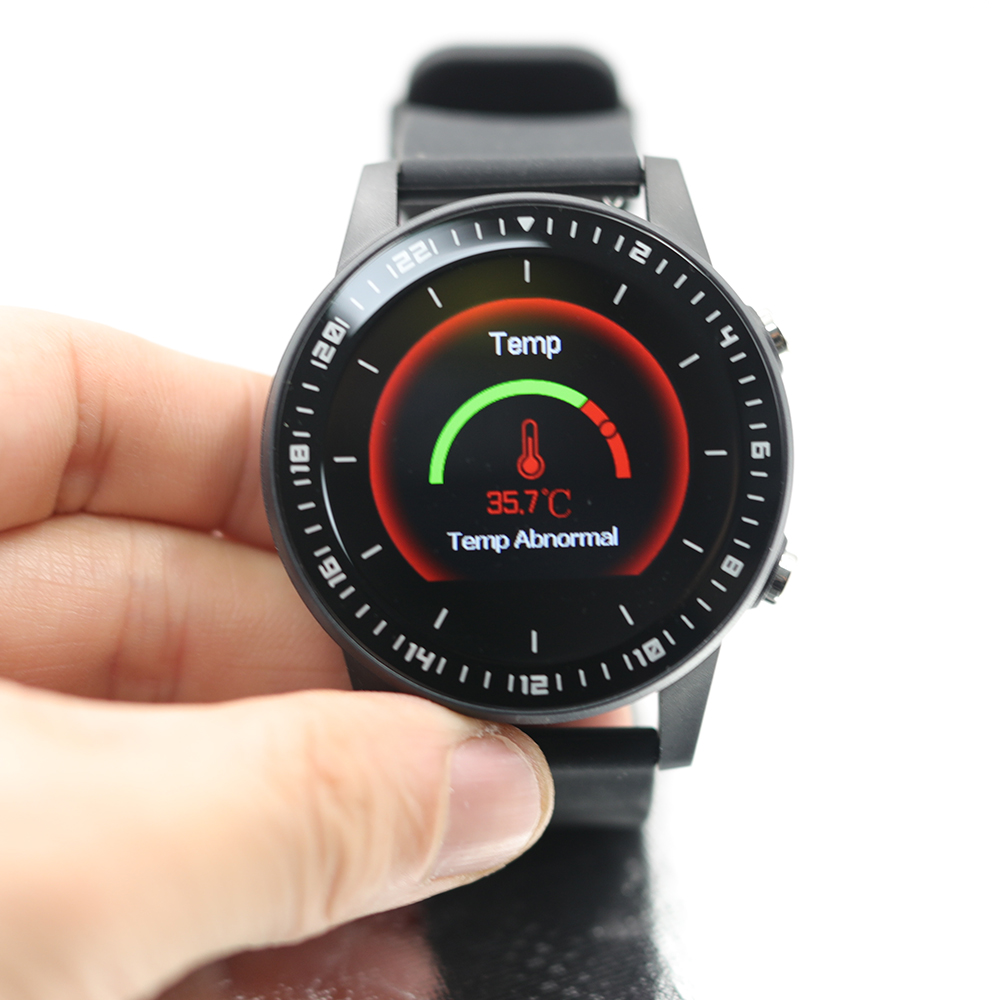
Top 5 Pitfalls of Embracing Smartwatch IoT: Avoiding Common Missteps

by Myla August 28, 2025
written by Myla

Introduction: The Smartwatch Revelation

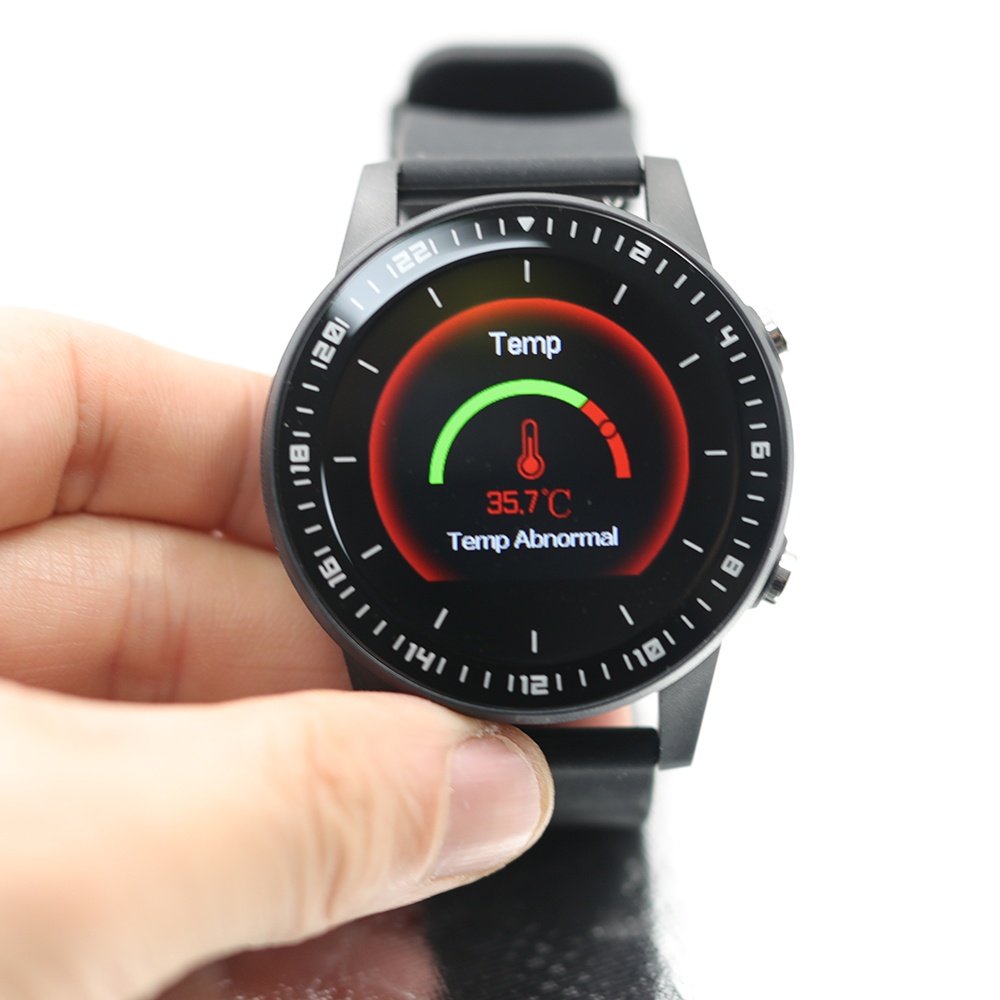
Imagine this: you’re at a café with mates, sipping your flat white, and one of them pulls out a stunning smartwatch. You can’t help but feel a twinge of jealousy as they start showing off its features. It turns out that they just invested in a smartwatch iot, which is not just a style statement but a game-changer. Did you know that nearly 30% of consumers return smartwatches due to dissatisfaction? Now, here’s a question for you—what’s stopping everyone from harnessing this potential? Let’s dive into the common pitfalls that stop folks from truly leveraging this technology.

lora watch

Understanding the Flaws in Traditional Solutions

First off, traditional smartwatches often overlook critical integration with the Internet of Things (IoT), leaving users frustrated. Look, it’s simpler than you think. Most gadgets don’t communicate with others, resulting in a fragmented experience. Anyone who’s tried syncing multiple devices knows how annoying that can be. This lack of robust edge computing nodes means lower functionality—a major pain point for anyone looking to streamline their daily tasks. The good news? Modern watch lora technology promises seamless connectivity that traditional options just can’t match.

lora watch

So, What Hurts Users the Most?

A disconnect often arises when people expect their smartwatch to handle everything seamlessly. However, it’s important to note that outdated tech principles compound user issues. Data retrieval can be slow, and user experience often suffers. For instance, users may find it difficult to extract actionable insights from collected data. To really enjoy the benefits of a smartwatch, it’s vital to understand its capabilities and limitations. As we progress, new tech solutions are on the horizon that’ll tackle these hidden barriers.

Looking Ahead: The Future of Smartwatch IoT

Let’s shift gears and gaze into the future of smartwatch IoT technology. New advancements are constantly reshaping our expectations. For instance, platforms are harnessing cloud computing to enhance data processing speeds and foster seamless integration. This means your watch lora device will soon communicate not just efficiently, but intuitively with your entire lifestyle ecosystem. Can you imagine a smartwatch that anticipates your needs based on past behaviour?—that would be revolutionary.

What’s on the Horizon?

Real-world applications of this technology are sprouting everywhere. From home automation where your watch can control lights and locks, to health monitoring systems that provide real-time feedback. Let’s not forget the role of reliable power converters in keeping these devices running optimally. As we adopt new innovations, the focus will increasingly shift to creating holistic experiences that tie in seamlessly with our daily lives.

Closing Thoughts: Lessons Learned

So, what can we take away from all this? Smartwatches definitely hold the promise of making our lives easier, but understanding their limitations and potential missteps is crucial. To evaluate possible solutions, focus on three key metrics: connectivity, data processing speeds, and integration capabilities. The future is bright, and innovative brands like HKT LORA are paving the way for smarter, more effective smartwatches. It’s an exciting time to be jumping into the world of IoT!

August 28, 2025 0 comments
0 FacebookTwitterPinterestEmail
  • 1
  • 2
  • 3
  • 4

Recent Posts

  • What Price Accuracy Demands: Rethinking the Digital Price Tag
  • Strange Forecasts for Giant Pixels: Surprising Lessons About Outdoor LED Display Screens in Urban Night Skies
  • A Practical QA Framework for Optics Procurement Officers Auditing Wholesale DPSS Laser Shipments
  • Stretching Margins: Direct-Factory Sourcing Strategies for High-End Wholesale Ski Goggles
  • Blueprint for an Intelligent Edge Gateway Built Around a High-Bandwidth Core IoT Module

Recent Comments

No comments to show.

About

About

CarBlog is a blog specialized in car and automotive industry. Follow us for daily update about new models, drive reviews and much more.

Stay Connect

Facebook Twitter Instagram Pinterest Youtube Email

Popular Posts

  • 1

    Оптический металлический корпус: Устойчивость к неизбежным вызовам

    August 20, 2025
  • 2

    ما الذي سيغيّر قواعد اللعبة؟ رؤية عملية لموجة ابتكار GAC القادمة

    November 4, 2025
  • 3

    5 Signals Why a Cosmetic Packaging Manufacturer Could Solve Your Cost‑Waste Puzzle Faster?

    October 13, 2025
  • 4

    Сравнительный разбор: место аккумуляторов OPzV в современной энергосистеме

    October 3, 2025
  • 5

    Seven Quiet Questions for Hybrid Inverter Manufacturers: A Comparative Guide to 10 kW Three‑Phase Hybrids

    December 16, 2025

Categories

  • Business (114)
  • Global Trade (111)
  • Industry (103)
  • Market (99)
  • Tech (113)

Recent Posts

  • What Price Accuracy Demands: Rethinking the Digital Price Tag

    June 18, 2026
  • Strange Forecasts for Giant Pixels: Surprising Lessons About Outdoor LED Display Screens in Urban Night Skies

    June 17, 2026
  • A Practical QA Framework for Optics Procurement Officers Auditing Wholesale DPSS Laser Shipments

    June 16, 2026
  • Facebook
  • Twitter
  • Instagram
  • Pinterest
  • Youtube
  • Email

All Right Reserved. Designed and Developed by techecho.