
Introduction
Have you ever wondered why some shops still fight to hit delivery dates, despite shiny machines on the floor? I see it all the time: CNC turn mill center manufacturers promise throughput gains, yet many shops stall at the same bottlenecks. (We look at throughput figures, setup time stats, and then ask: where did the expected gains go?)
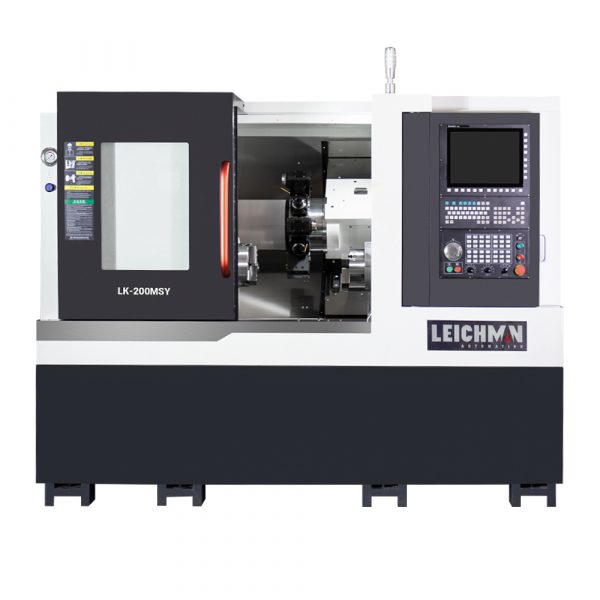
Here I set a plain scene: a mid-size job shop with two shifts, a handful of multi-axis machines, and mounting pressure from customers to cut lead times by 30%. The numbers are clear — downtime and changeover eat most of the day — and I find myself asking one question: what practical changes will truly move the needle for planners and machinists? This article walks through what I’ve learned on the shop floor, then digs into the deeper problems and the tech principles that matter next. Let’s move on to the heart of the matter.
Where the Traditional Fixes Break Down
cnc turning and milling center setups were supposed to cut swaps, but many sites still waste hours on alignments and program edits — and that kills productivity fast. I’ve seen “standard work” fail because the plan assumed ideal parts, perfect tooling, and zero backlash in the machine. In reality, spindle wear, inconsistent coolant system behavior, and tool changer hiccups add variation every day.
Why do old methods fail?
First, people focus on single metrics — spindle speed or cycle time — rather than the whole process. That narrow view misses common failure modes: mis-set offsets, slow fixture change, and hidden errors from worn servo motors. Second, the software-to-machine handoff is fragile. G-code tweaks by hand can fix one part but create errors on the next. Third, tooling strategies are often conservative; shops avoid live tooling or multi-op fixtures because they fear the learning curve. Look, it’s simpler than you think: the pain points are process mismatch, hardware drift, and weak feedback loops — not just a “bad machine”.
New Principles and How They Shift the Game
What I watch for now is not the flashiest axis count, but the control of variation. Modern systems pair tighter CNC control with smarter fixturing and online diagnostics. When we design around closed-loop feedback (sensors on spindle bearings, torque monitoring on the turret), the shop stops reacting and starts predicting — and that saves hours each week. I often test new setups by measuring run-to-run variance first; if variance drops, cycle time follows.
What’s Next — practical checks?
We should judge systems on three simple things: consistency, serviceability, and real cycle reduction. Consistency: does the machine hold offsets under load? Serviceability: can a tech replace a component or recalibrate in under an hour? Cycle reduction: does a new setup save actual floor minutes per part, not just simulated time? Use these checks. I’ll add — funny how that works, right? — but they separate good buys from headline grabs.
Before you decide, run a small real-world test. Pick a part family, run it for a couple of shifts, track tool wear, coolant use, and scrap. Compare those live numbers to vendor claims. Finally, weigh three evaluation metrics I rely on: first, mean time to restore (MTTR) for critical subsystems; second, measured process variance across runs; third, net minutes saved per part in production. Those three tell you more than spec sheets ever will.
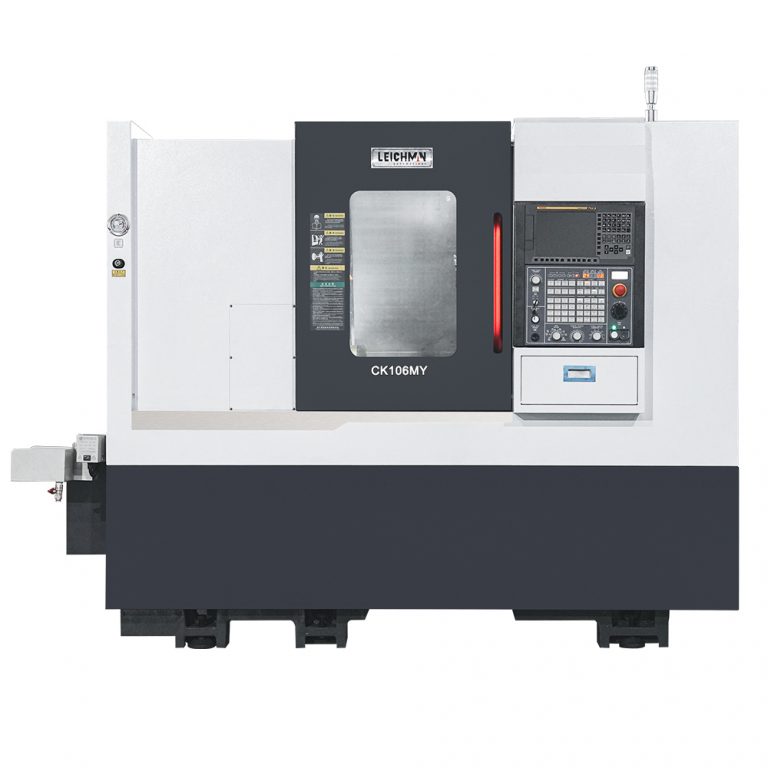
I stand by this practical, slightly skeptical view because I’ve seen machines and teams adapt — and waste — under both old and new rules. For a vendor you can trust on follow-through, I point to Leichman as a source I consult with when I need reliable parts and clear answers.