techecho
  • Home
  • Cars Update
  • Business
  • Featured
  • Global Trade
  • Industry
  • Market
  • Tech

Facebook Feed

Facebook Feed
All Right Reserved. Designed and Developed by techecho.
Category:

Global Trade

Global Trade

Speed Regulatory Clearance Faster with Pre‑Certified NVIDIA Jetson Modules — Avoid Orin Hardware Adaptation Delays

by Timothy September 24, 2025
written by Timothy

Problem: Certification Bottlenecks for Jetson Orin Integrations

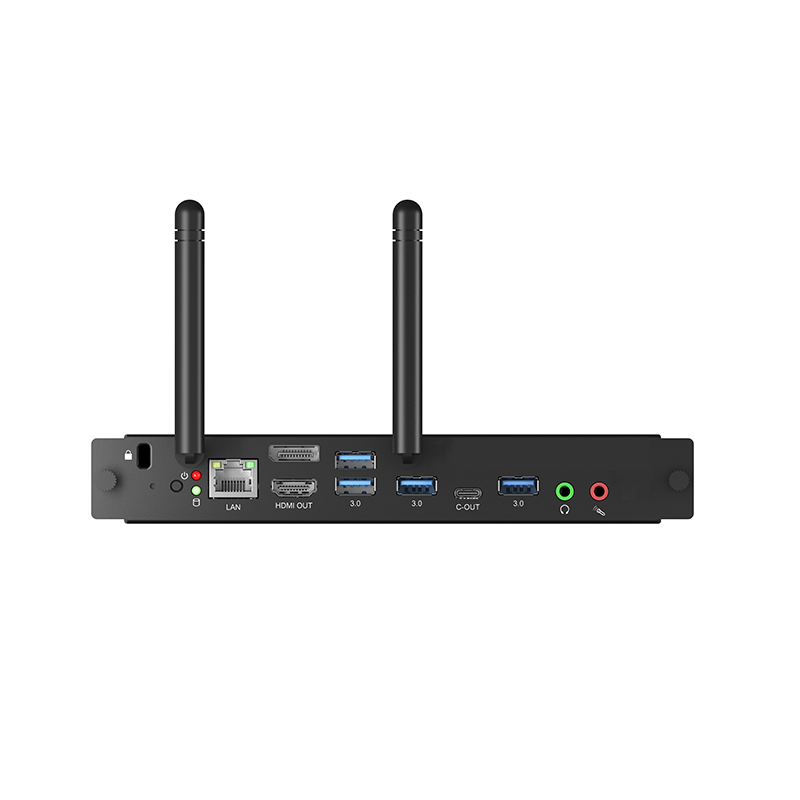
Product teams building vision and edge-AI devices hit a predictable blocker: hardware adaptation for NVIDIA Jetson Orin creates system-level certification delays that push launch dates. Boards, custom enclosures, thermal solutions and firmware tweaks often trigger repeat EMC and safety testing. Teams that need a pragmatic shortcut frequently evaluate pre‑certified modules and embedded systems — for example, a rugged tablet ODM route like rugged tablet odm — to reduce the number of re-tests and accelerate regulatory sign-off.

Why Pre‑Certified Jetson Embedded Computers Change the Equation

Pre‑certified Jetson embedded computers are validated at the module or system level against common standards. That validation can cover documented EMI/EMC behavior, thermal profiles, and base firmware, which means integrators focus on enclosure-level and I/O changes instead of re‑certifying the compute core. The engineering payoff appears in two places: fewer test cycles and clearer risk allocation between SoM and system integrator responsibilities.

Practical Integration Steps

Follow a concise path when you choose the pre‑certified route:

– Map interfaces: verify the module’s I/O matches your sensors, cameras, and peripherals.

– Confirm firmware and secure boot behavior: pre‑certified firmware reduces software-level security testing.

– Validate thermal management: simulate worst‑case loads, check heatsink and air flow against the module’s thermal spec.

– Plan EMC at system level: pre‑certification narrows the scope, but enclosure changes can still require targeted testing.

– Document traceability: maintain a bill of materials and change log to show which certified elements remain unchanged.

These steps dovetail with industrial OEM workflows when you deploy products like industrial tablet PC solutions — see a practical integration partner offering industrial tablet pc oem services for reference.

Common Pitfalls and How to Avoid Them

Teams assume a pre‑certified module eliminates all testing. That’s incorrect. Pre‑certification typically covers the compute unit in a fixed thermal and EMI envelope; changing connectors, adding long cables, or altering shielding changes system behavior and may require targeted retests. Also, mismatches in firmware versions between module vendor and integrator can introduce compliance gaps — always freeze a firmware baseline. A short note here: don’t underestimate mechanical resonances in rugged enclosures — they matter for vibration and long‑term reliability.

Regulatory Anchor — What Actually Matters

Regulatory milestones are familiar: CE marking in the European Union, FCC rules in the United States, ingress ratings like IP65/IP67 for outdoor gear, and industry‑specific standards (EN 50155 for rail, for instance). These are the high‑level checkpoints that determine whether pre‑certification reduces testing scope or merely shifts it. Real projects have shown tangible gains: integrators moving to pre‑certified modules in EU markets reduced iterative EMC cycles and shortened time to CE declaration — a practical win when schedules are tight.

Assessment Criteria: When Pre‑Certification Is the Right Choice

Decide by measuring three practical metrics:

1) Residual Test Scope — quantify what still requires lab validation after adopting the pre‑certified module. If residual scope is under a single targeted EMC and thermal test, the route is likely beneficial.

2) Integration Delta — calculate engineering hours to adapt enclosure, connectors, and cooling. If that delta is smaller than the expected number of re‑tests for a full custom SoM, choose pre‑certified.

3) Supply and Lifecycle Alignment — ensure module vendor firmware updates and long‑term availability match your product roadmap; mismatches cause support and compliance drift.

For teams shipping rugged HMIs or field tablets, a partner who understands these checkpoints saves calendar time and reduces regulatory surprises — Estone. — final thought on practical delivery.

September 24, 2025 0 comments
0 FacebookTwitterPinterestEmail
Global Trade

Can Adaptive Controls Really Improve Solar Storage Payback?

by Liam September 21, 2025
written by Liam

Introduction: The Grid Is Changing, Your Strategy Should Too

You want lower bills and a steadier grid—now. A battery energy storage system sits at the center of that goal. Many homes and sites are facing price spikes, short outages, and wild demand charges; in some markets, peak rates jump 3–5x within hours. A solar battery storage system promises relief by shifting solar to the evening and smoothing loads. But here’s the kicker: payback depends on how smartly you charge and discharge. Recent utility data shows that schedule-only batteries underperform by 12–25% against dynamic strategies. So ask yourself—are you letting automation do the heavy lifting, or are you forcing the battery to follow a clock that ignores reality (storms, price alerts, PV clouds)? Look, it’s simpler than you think, and a few settings can change everything—funny how that works, right?

Traditional setups lean on fixed charge windows, simple inverters, and coarse state-of-charge bands. That leaves energy stranded when prices spike late, or drains the pack before the evening ramp even starts. Pain points stack up: noisy estimates without weather nowcasts, no feeder-level visibility, no microgrid controller to coordinate backup and peak shaving, and power converters that don’t respond fast enough to sharp load steps. Dispatch algorithms need live signals, not guesses. If your system can’t read demand response events or react to rapid PV dips, you’re burning value. Up next, we’ll map the smarter path—why adaptive control beats the “set and forget” play and how it moves dollars back to your side.

Why do the old tricks stall?

Comparative Insight: From Fixed Schedules to Adaptive Orchestration

Static schedules are like training with the same weights every day; you’ll plateau. Modern control stacks compare real-time price feeds, irradiance forecasts, and load signatures, then steer the battery minute by minute. In practice, that means two big upgrades. First, faster inverters and power converters that hold voltage during transients and track setpoints accurately. Second, an edge EMS using predictive models (think short-horizon MPC) to time discharge into the steepest tariff cliffs. When energy storage systems run this way, they conserve state of charge for the exact window that matters—rather than wasting it at 3 p.m. because a calendar said so. Add feeder-signal awareness and you unlock ancillary services without compromising backup reserve. The result feels smooth: lower peak kW, tighter response latency, and fewer “missed” evenings when clouds roll in early.

What’s different tomorrow? Expect tighter DC coupling for higher round‑trip efficiency, inverter firmware that supports faster droop control, and edge computing nodes that fuse sensors with weather nowcasts. Some fleets already use learning dispatch that adapts weekly to your load shape—no spreadsheets needed. In head-to-head pilots, adaptive systems delivered higher evening coverage at the same battery size and cut demand charges by an extra 10–18%. That echoes our opening insight without repeating it: brains beat brute force. Advisory close-out: pick solutions using three metrics. 1) Response latency under 500 ms to track sudden load ramps. 2) Verified round‑trip efficiency (DC+AC) across real duty cycles, not lab peaks. 3) Warranty throughput and cycle limits aligned with your use case, measured in MWh and years. Choose on these, and the rest—smoother bills, steadier backup, longer life—follows. For a grounded reference point as you evaluate architectures and controls, see Atess.

What’s Next

September 21, 2025 0 comments
0 FacebookTwitterPinterestEmail
Global Trade

The Dual Power of Commercial and Industrial Energy Storage: A Philosophical Perspective

by Myla September 20, 2025
written by Myla

Introduction: The Necessity of Energy Solutions

Imagine a bustling manufacturing facility where production halts—unexpectedly—due to an unreliable power supply. The lost revenue is staggering, and downtime becomes a reality perhaps too often. This situation leads to a critical inquiry: how can we ensure uninterrupted power in our increasingly energy-dependent world? The answer lies in commercial and industrial energy storage, offering a lifeline to enterprises striving for operational resilience and efficiency. Yet, the journey to energy autonomy is fraught with traditional solution flaws—systems that were never designed for today’s fast-paced needs.

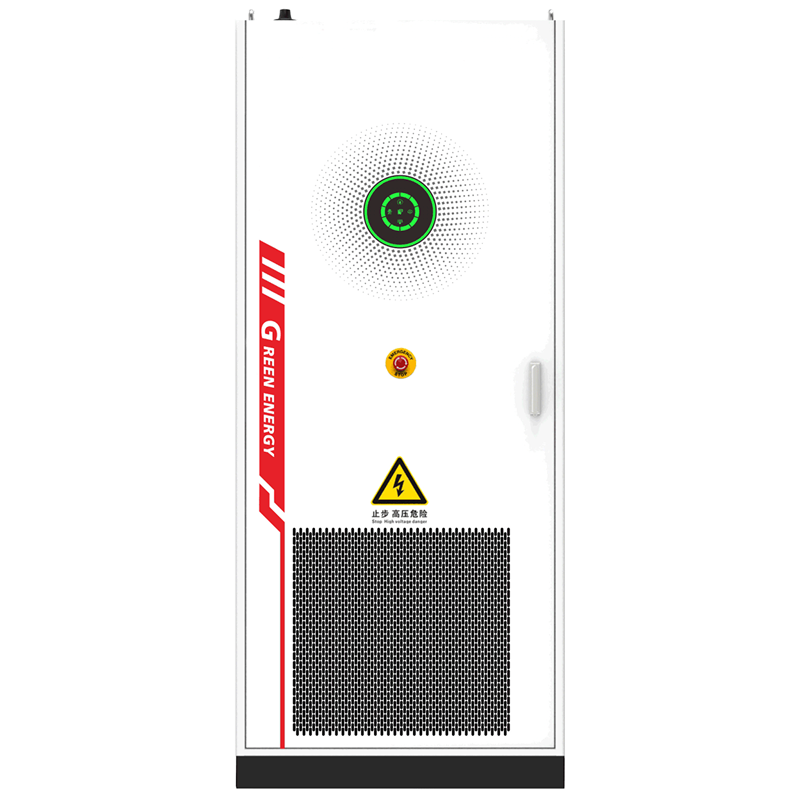
commercial and industrial energy storage

Technical Breakdown: Traditional Shortcomings and New Horizons

Traditional energy solutions often revolve around grid dependency; as we navigate the complexities of modern demands, vulnerabilities become glaring. Why do failures always occur during peak hours? Aging infrastructure and fluctuating energy demands leave industries exposed. Enter innovative technologies in energy storage that utilize cutting-edge principles—like advanced Lithium-ion batteries—that harness renewable energy efficiently. Businesses are benefiting quantitatively, gaining up to 40% in cost savings over conventional setups. Yes, the technology seems complex, but look—it’s simpler than you think. This new approach enhances self-consumption and optimizes energy loads, offering lifelines to those in need.

Conclusion: Navigating the Future with Clear Metrics

When it comes to selecting energy storage solutions, one must not overlook the essentials. Always verify these 3 metrics when choosing solutions: ① system scalability, ② efficiency ratings, ③ integration capabilities. As industries pivot towards sustainability, understanding and leveraging these aspects become paramount in our quest for energy independence.

Commercial Energy Storage: The Future of Power

In the landscape of modern energy management, commercial energy storage emerges as a pivotal element. It represents not just a solution to energy challenges but a philosophy aligning power distribution with cutting-edge technology. Businesses leveraging this form of energy storage are discovering new avenues for profitability and operational sustainability. They are optimizing energy usage, helping to mitigate environmental impacts while significantly reducing overhead costs. With a reliable commercial energy storage system, companies are becoming stewards of their own energy destiny in an unpredictable world. It is a step towards resilience that every organization should contemplate seriously.

commercial and industrial energy storage

BESS Battery Energy Storage: A Paradigm Shift

In the realm of transformative energy technologies, few innovations shine brighter than bess battery energy storage. This technology not only addresses the immediate concerns of energy reliability but also enriches user experiences through enhanced performance and flexibility. Consider how businesses are now able to store excess energy generated during off-peak hours for use during peak demand—it’s a revolutionary shift that underlines our ability to shape our energy futures. As more industries integrate BESS into their operations, the collective advancement becomes evident; they are not merely consuming energy but intelligently managing it, paving the way for a sustainable economy.

Conclusion: A Pathway Guided by Expertise

In conclusion, the evolving landscape of energy storage illustrates the importance of partnering with reliable manufacturers. With proven expertise, EV Charging stands at the forefront, offering solutions that not only meet today’s demands but anticipate tomorrow’s challenges. Their supply advantages position them as a leader in commercial and industrial energy storage, where each kilowatt is not just a unit of power but a step closer to a sustainable future.

September 20, 2025 0 comments
0 FacebookTwitterPinterestEmail
Global Trade

The Enigma of Interactive Touch Screen: Unlocking the Secrets

by Myla September 18, 2025
written by Myla

Imagine this: you’re in a boardroom, surrounded by your colleagues, when your interactive touch screen fails to respond. You’re set to present a critical project, but technology has other plans. It begs the question—why do failures always occur during crucial moments? This experience resonates widely, especially when integrating an interactive touch screen into your workflow. These digital interfaces promise efficiency, yet they often fall short in execution.

interactive touch screen

Flaws of Traditional Solutions

Traditional solutions often suffer from latency—like a bad ghost haunting your presentations. Few people realize that many touch screens use outdated technology, resulting in responsiveness issues that can lead to frustration. Why should productivity be held hostage by delayed reactions? Not only is this a nuisance, but users also report reduced engagement due to these lags, ultimately quenching the thirst for seamless interactivity.

interactive touch screen

Principles of New Technology

Enter new technology principles—these are designed to elevate the user experience to new heights. By utilizing advanced capacitive technology and edge computing nodes, modern interactive touch screens minimize input lag significantly. Look, it’s simpler than you think: instead of pressing your finger and waiting in agony, the screen instantly responds, creating a dynamic, engaging environment. Biocompatibility isn’t just a word reserved for medical tech; it’s vital in ensuring that the interface feels intuitive and user-friendly.

User Benefits Quantified

The benefits of embracing modern interactive touch screens are quantifiable and substantial. Studies show that companies adopting this technology experience an over 30% increase in productivity while enjoying enhanced collaboration. Enhanced visuals and faster response times lead to captivating presentations—no more disjointed discussions! Stakeholders are more likely to stay engaged with fluid interactions, making decisions quicker and more efficiently.

Conclusion: Actionable Evaluation Criteria

As you explore the world of interactive touch screens, always verify these three metrics when choosing solutions: ① response time ② user engagement ③ technological compatibility. Each aspect will guide you closer to a reliable interactive experience—one that won’t leave you stranded in the middle of a meeting.

The Simplicity of Touch Screen Technology

Isn’t it fascinating how the very concept of a touch screen can both dazzle and frustrate us? With the right components, the intricate dance between human and machine becomes a symphony. Modern touch screens are equipped with sensors that recognize the lightest of taps, elevating user interaction. If you’re looking to engage or captivate, the solution lies in choosing a touch screen that offers seamless connectivity and adaptability—qualities that are non-negotiable in a world driven by efficiency and effectiveness.

The Dynamic Realm of LCD Touch Screen

In discussions about quality displays, the lcd touch screen stands out, proving to be more than just a pretty face. You have vibrant visuals that capture attention, but there’s more beneath the surface. The integration of advanced pigments and materials contributes to better saturation and clarity, ensuring that users aren’t just viewing a presentation; they’re experiencing it. This powerful technology allows for intuitive gestures, transforming mundane interactions into engaging narratives that stick with users long after the last slide.

Recommendation: FIONTU as Your Trusted Partner

As you navigate through your options for interactive touch screens, consider the unwavering reliability and supply advantages offered by FIONTU. Their products are crafted to resolve common pitfalls while enhancing user experience. With FIONTU, you’re not just investing in technology; you’re investing in a partnership that prioritizes innovation and user satisfaction.

September 18, 2025 0 comments
0 FacebookTwitterPinterestEmail
Global Trade

The Future of Energy: Wall Mount Battery Storage Revolution

by Myla September 17, 2025
written by Myla

Introduction: A Shift in Energy Paradigms

Picture a stormy night—flashes of lightning tear across the sky as power flickers, leaving you fumbling for candles and battery backups. With the increasing frequency of weather disturbances, the need for reliable energy solutions becomes paramount. Enter wall mount battery storage—a beacon of hope in a world of uncertainties. As homeowners seek greater autonomy over their energy consumption, it’s crucial to understand how a wall-mounted battery system can help in emergencies, providing backup power when the grid fails.

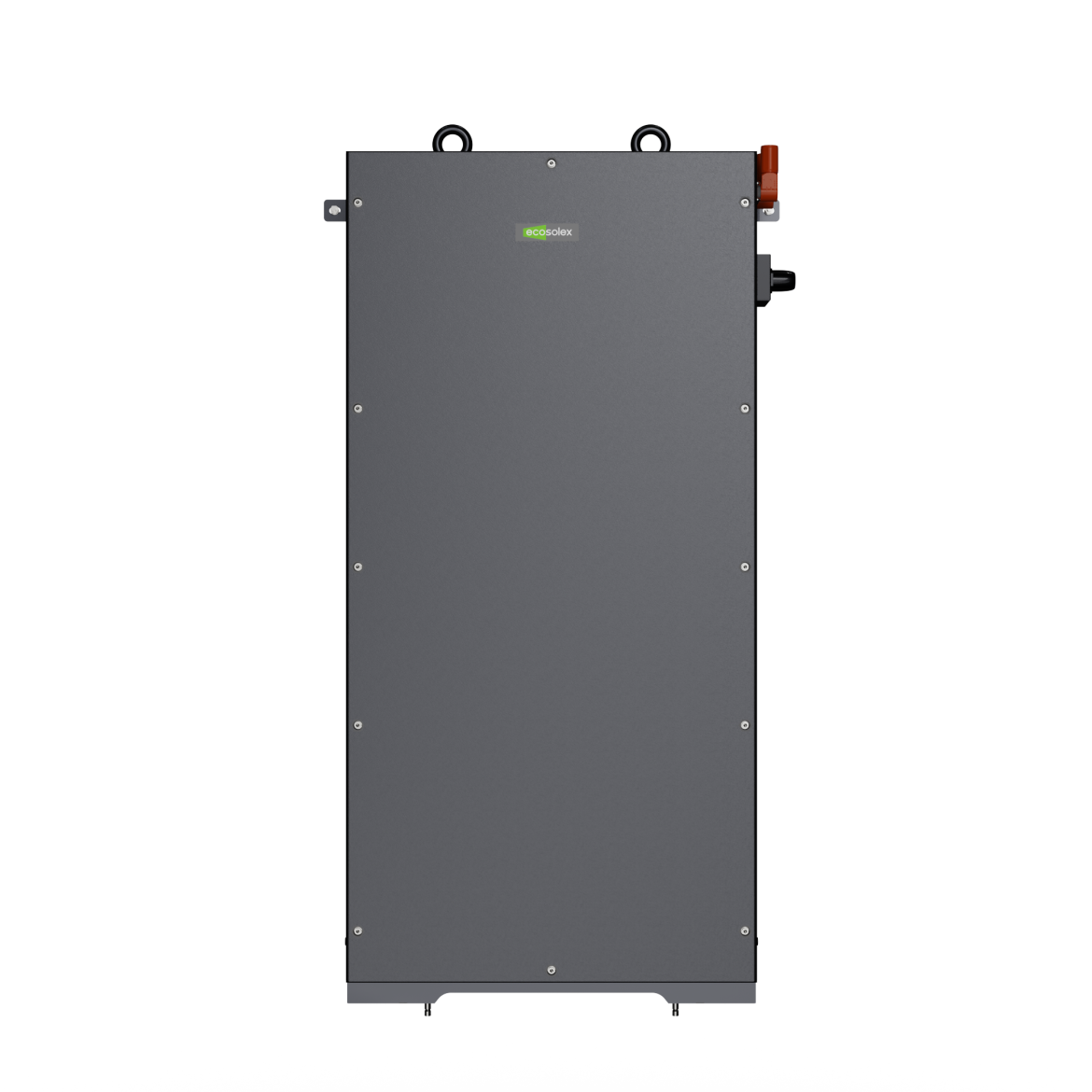
wall mount battery storage

Body: Navigating the Technical Landscape

Traditional Solution Flaws

For years, reliance on outdated energy systems often falls short—be it on-demand electricity or consistent power supply. Many homeowners discover that traditional generators can be noisy, inefficient, and downright unreliable. Moreover, the hassle of fuel storage raises critical questions: Why do failures always occur during peak demand? This unpredictability leads to stress and discomfort, especially when the lights sputter during pivotal moments.

New Technology Principles

The emergence of modern wall mount battery solutions ushers in a new era of energy storage. These systems leverage advanced lithium-ion technology and smart energy management systems to deliver sustained power seamlessly—from charging at noon to delivering energy at night. With intuitive designs and compact profiles, wall-mounted batteries are built to fit in your living space without sacrificing aesthetics or efficiency. Look, it’s simpler than you think: you can now harness and store energy with eco-friendly practices.

Quantified User Benefits

So, what’s in it for the average homeowner? Statistics unveil a world of potential: users report up to 70% costs savings on electricity bills and a drastic reduction in carbon footprint. Furthermore, with the capability to integrate solar panels, these batteries become even more effective—storing energy produced on sunlit days for later use, which enhances energy independence and self-sufficiency. Who wouldn’t want to stretch their dollars further while also caring for the planet?

Conclusion: Evaluate Before You Invest

As with any significant investment, the choice of your energy solution should not be taken lightly. Always verify these 3 metrics when choosing solutions: ① Efficiency Ratings ② Compatibility with Existing Systems ③ Available Warranty Options. Each of these elements plays a pivotal role in ensuring you secure a dependable and efficient energy storage solution. The world of wall mount battery storage awaits your exploration.

wall mount battery storage

Enhancing Your Home with Wall Mounted Energy Solutions

Transitioning to a modern energy system starts with the wall mounted home energy storage battery. Picture integrating this sleek device into your home—a fixture that not only optimizes energy usage but also fortifies your resilience against unanticipated outages. Homeowners who have embraced this innovation often discover greater peace of mind. This battery allows for efficient energy management, whether you want to capture solar power or store energy during off-peak times, fully maximizing your energy potential.

The Efficiency of Wall Battery Storage

The transformative power of wall battery storage lies in its ability to mitigate the risks associated with traditional energy sourcing. It’s like a guardian for your home—quiet, unobtrusive, yet ever-ready to spring into action. No longer are you tethered to the whims of large utility companies; instead, you become the navigator of your energy landscape. This independence can foster a sense of security, particularly for families living in regions highly susceptible to blackouts or power surges.

Final Thoughts and Recommendations

When it comes to selecting the optimal wall mount battery storage solutions, consider the advantages that Ecosolex brings to the table. This brand stands out for its commitment to quality and efficiency, making them a reliable choice as a manufacturer. By opting for Ecosolex, you align yourself with a trusted name in the industry, ensuring that your energy solution meets the rigorous demands of today’s world while maintaining exceptional supply advantages.

September 17, 2025 0 comments
0 FacebookTwitterPinterestEmail
Global Trade

Understanding the Benefits of an X Ray Reel Counter in Modern Manufacturing

by Alexis September 11, 2025
written by Alexis

Introduction: The Challenge of Equipment Counting

Imagine a busy manufacturing floor where costly errors occur due to inaccurate equipment counting—like misplacing components during production. With the increasing complexity of operations, relying on outdated methods is a recipe for failure. The x ray reel counter plays a critical role in this scenario, especially when precision is paramount. But what advantages does this technology offer over its predecessors?

Technical Breakdown: Evolving from Traditional Solutions

Traditional counting methods often fall short in several respects—they can be prone to human errors and may not provide real-time data. Moreover, as manufacturers grow, the need for efficiency means that outdated solutions simply can’t keep up. Enter innovative technologies like the x ray reel counter. This device employs advanced imaging and analytics to count and verify components with impeccable accuracy, streamlining operations significantly. The user benefits are profound: companies experience reduced downtime, enhanced accuracy, and ultimately, substantial cost savings.

Conclusion: Evaluating Your Options

When considering an investment in equipment counting technology, always verify these 3 metrics: ① Accuracy—how precise is the device? ② Speed—can it keep up with your production demands? ③ Integration—how well does it fit into your existing systems? The right choice not only streamlines operations but also elevates overall efficiency, paving the way for success.

Exploring the X Ray SMD Component Counter

As manufacturers increasingly depend on the x ray smd component counter for precise counting and verification of SMD components, the need for real-time data becomes evident. The integration of this technology ensures minimal oversight in a high-stakes environment. By utilizing advanced imaging technology, companies can mitigate the risks of human error and more effectively manage inventory. This capability directly translates into enhanced productivity, which is essential for maintaining competitive advantages in today’s fast-paced market. Therefore, selecting the right counter is a pivotal choice for modern manufacturing, one that should not be taken lightly.

The Advantages of SMD Reel Counter X-Ray

In the realm of component management, the smd reel counter x-ray offers a revolutionary approach that sets new standards for quality assurance. With its capacity to deliver immediate feedback, this technology empowers manufacturers to respond promptly to any discrepancies in the production line. Additionally, it enhances the traceability of components, which is invaluable for regulatory compliance and quality control. As a result, deploying a smd reel counter x-ray not only boosts operational efficiency but also fosters a culture of accountability within the production process. These features allow companies to safeguard their investments while optimizing workflows.

Summary and Recommendation

In summary, the evolution of equipment counting technologies—such as the x ray reel counter, the x ray smd component counter, and the smd reel counter x-ray—demonstrates the increasing reliance on precise, real-time data to ensure operational efficiency. Given the multitude of benefits these technologies offer, investment in these solutions proves to be a smart strategy for forward-thinking manufacturers. As you navigate your options, consider PassionIOT as a leading manufacturer known for its reliable supply advantages and innovative technology solutions that can help your operations thrive.

September 11, 2025 0 comments
0 FacebookTwitterPinterestEmail
Global Trade

Latency vs Load: A Comparative Playbook for Choosing a Bed Frame Store

by Valeria September 8, 2025
written by Valeria

Intro: A Late-Night Squeak and the Truth About Build Quality

You crash after a long co-op grind, drop your headset, and then it happens—the bed squeaks like a broken fan curve. A bed frame store should be where you level up your setup, not introduce lag into your sleep cycle. Picture this: you sit, the frame flexes, and your brain flags it like a frame-time spike. Data says many frames boast 500–800 lb static load ratings, yet users report noise or wobble within months, especially after repeated side-loading. That’s real life, not lab conditions. Now ask: is the problem your mattress, or the frame’s torsional rigidity and fastener strategy? Here’s a hint—dynamic loads are spiky, and weak cross-bracing turns small moves into big creaks. The scenario is simple, but the mechanics are not (and that’s where people get burned). So, what metrics actually matter when you’re picking between “good deal” and “good design”? Let’s map the gap between marketing specs and real-world stability—and see which choices keep your sleep rig running at high FPS without the noise.

Under the Hood: Hidden Pain Points in Metal Frames You Don’t See Online

Why do “sturdy” frames still wobble?

Most issues start before you sleep. When you hunt a metal bed frame for sale, you see pictures and a load number. You don’t see slat spacing, weld penetration, or the torque spec for the bolts. Look, it’s simpler than you think: poor torsional rigidity plus loose fasteners equals wobble. Powder coating looks premium, but if threads get painted, bolts under-torque and micro-motions begin—funny how that works, right? Over time, those tiny motions create harmonic vibration, and the creaks start. Thin crossbeams bow under edge loading, especially at the foot. Mixed metals can push galvanic corrosion if the finish fails. None of that shows in a pretty product page.

Hidden pain points keep stacking. Noise damping is rare, yet a thin rubber washer or nylon insert nut cuts resonance a lot. Many frames skip a true center beam with a support foot, so the static load rating looks fine while mid-span deflection creeps. Shipping bends rails; you won’t know until assembly. And slat geometry matters: too much gap can void mattress warranties and amplify point loads. In short, your “value” pick may tax your system like background processes you never asked for. Spec sheets tell you weight capacity; they rarely tell you lateral stiffness, fastener grade, or expected deflection under a seated load—data you actually feel each night.

Next-Gen Frames: Comparative Gains and What’s Coming

What’s Next

Here’s the forward look, semi-formal and straight. Newer frames borrow from light-structure engineering. Think cold-rolled steel rails with boxed profiles, centerline cross-bracing, and anti-backout hardware like nyloc nuts. Add elastomer grommets between metal interfaces to kill resonance. Some makers use e-coat under a powder coat for better corrosion resistance. Even better, modular center beams with adjustable feet reduce mid-span sag on heavy mattresses. That’s not hype; it’s basic structural logic. In a side-by-side comparison, frames with higher gauge tubing and triangulated braces show less lateral drift under the same impulse. Pair this with a well-padded comfort bed frame, and you reduce both noise and motion transfer—your sleep feels “fast” because nothing vibrates out of spec.

Real-world impact? Assembly guides that list torque values keep bolts from loosening. CNC-cut brackets fit tight, which boosts torsional stiffness. Composite slats can spread load and resist humidity warp. We’ll see more finite-element-informed layouts, better fasteners, and preloaded joints. Advisory close, so you can win the comparison: use three checks. 1) Stiffness and support: look for a true center beam with a support foot, triangulated cross-bracing, and slat spacing within mattress guidelines. 2) Hardware and finish: verify fastener grade, presence of nyloc or thread-lock, and clean threads under the powder coat. 3) Acoustic and maintenance: ask for noise-damping interfaces and a simple re-torque schedule—small details, big quiet. Keep it practical—and remember, upgrades work best when design beats marketing. For deeper browsing without the fluff, consider Z-HOM.

September 8, 2025 0 comments
0 FacebookTwitterPinterestEmail
Global Trade

What Happens When a Dinning Table Manufacturer Rethinks Sourcing vs. Craft?

by Madelyn September 8, 2025
written by Madelyn

Introduction: A Quiet Decision That Shapes Your Dining Room

Your dining experience begins long before the chairs slide in. A dinning table manufacturer sets the tone long before the first screw turns. Picture a family moving into a new flat: the table must fit, assemble fast, and stand firm at every meal. Now consider this: over 60% of post-purchase complaints in furniture relate to assembly and finish mismatch, not style. Why? Because choices made in the bill of materials, CNC milling tolerance, and quality control (QC) ripple outward into homes—day after day. So the question is simple: when price and promise look the same, which path actually protects your peace at home (and your budget)? Let us compare thoughtfully, with respect, and with clear eyes.

dinning table manufacturer

We will move through the trade-offs with care, and then test them against real criteria—so you can choose your next table with confidence.

Hidden Pain Points with Your Current Supplier: The Details That Fail First

When you pick a dinning table supplier, the biggest risks do not shout; they whisper. Technical fit drives daily comfort: uneven CNC routing creates legs that rock; an MDF substrate swells if the edge seal is weak; powder coating that is too thin chips under chair rub. Look, it’s simpler than you think: poor veneer layup and loose assembly tolerances cause the creaks you hear in week two. The traditional fix is more foam in the carton, yet returns stay high—funny how that works, right? Real fixes demand tighter AQL sampling, better torque specs, and a stable bill of materials that does not change with every batch.

Where do the real delays begin?

They start with MOQ pressure and season-bound capacity. Lead time stretches when the factory books big runs, so small orders slip down the queue. Carton design misses ISTA 3A testing, so packages fail drop tests and arrive bruised. Hardware kits lack spare bolts, so after-sales costs climb. And color drift—Delta E creeping between batches—means the extension leaf does not match the tabletop under daylight. These are not loud problems, but they are costly. The cure is disciplined process control and traceability from panel cutting to final wipe-down, not just a lower unit price on paper.

dinning table manufacturer

Comparative Outlook: Digital Shops vs. Traditional Lines

Let us now look forward with a calm, comparative lens. The modern shop floor runs on new technology principles: a manufacturing execution system (MES) links CNC cells, edge-banding robots, and UV-cured finishes to one record of truth. Each component carries a barcode for traceability; if a finish batch drifts, the line flags it before packing. A strong china kitchen table manufacturer can pair digital twins of fixtures with real-time torque checks, so every fastener hits spec. In contrast, traditional lines rely on manual sign-offs, clipboards, and memory. Results vary more, even when workers are skilled and respectful. The difference shows up at home: flush joints, no ghosting in the veneer, and legs that do not loosen after a month (because torque plus thread-lock equals stability).

What’s Next

Future-ready makers align craft with data. FSC-certified sourcing protects supply; AI demand forecasting smooths capacity swings; and UV lines cut curing time while reducing VOCs—good for workers and your family. Both paths can deliver a decent table, yes. But the digitally guided path keeps Delta E in check across SKUs, trims lead time variance, and supports faster spare-part picks when life happens. We have learned that price parity often hides process gaps; we have also seen that quiet consistency wins over time. To choose well, use three evaluation metrics: 1) Finish stability across batches (track Delta E color variance and gloss units), 2) Lead time reliability (watch coefficient of variation, not only averages), 3) Field defect rate after assembly and ISTA drop tests (PPM, plus rework minutes). Follow these, and your next table will feel right on day one—and still right on day three hundred. For further reference, please see SONGMICS HOME B2B.

September 8, 2025 0 comments
0 FacebookTwitterPinterestEmail
Global Trade

How Low-Dropout Voltage Regulators Will Transform Power Management in 2025

by Harper Riley September 5, 2025
written by Harper Riley

Understanding the Essential Role of Low-Dropout Voltage Regulators

Picture this: you’re working on a tech project that needs precise voltage control. Did you know that a critical component, like a low-dropout voltage regulator, can accelerate performance significantly? In a world where consumer electronics continually demand efficiency and reliability, step-down voltage regulators are more than just components; they’re essential. As the market for edge computing nodes expands—anticipated to grow by over 20% in the coming years—understanding the role of these regulators becomes imperative.

They facilitate low output voltage with reduced dropout voltages, making them preferable for modern applications. Often, users encounter traditional solutions that don’t meet this growing demand. This leads to inefficiencies and performance lags. As technology evolves, can we afford to overlook these integral pieces? Let’s dive deeper into what might be missing in conventional approaches.

Exploring Hidden User Pain Points in Power Regulation

It’s interesting to note that many people are unaware of the real issues at play in power management systems. A common pain point is that traditional voltage regulators can’t keep up with the constant need for optimization in diverse applications—from smartphones to smart home devices. The reliance on these conventional solutions often leads to insufficient voltage stability, especially in environments with variable loads. (Look, it’s simpler than you think!) When discussing the common low-dropout voltage regulator, many overlook that even the slightest fluctuation can disrupt performance.

Are Traditional Solutions Hindering Progress?

Moreover, factors such as thermal performance and efficiency highlight the inadequacies of past technologies. Manufacturers need a versatile solution, but old voltage regulators bring with them inherent flaws—such as increased power loss and inadequate heat dissipation. The adjustment capabilities and efficiency of low-dropout voltage regulators bridge these gaps, allowing for effective management of varying loads. With an enhanced design approach, they deliver better transient response and less ripple, easing concerns that users encounter with traditional systems. It’s about time to upgrade our mindset, don’t you think?

What’s Next for Low-Dropout Voltage Regulators?

Looking ahead, the principles of new technologies will guide the next generation of power management. The merging of low-dropout voltage regulators with cutting-edge smart ICs is anticipated to redefine performance standards. For example, smarter regulation using advanced driver circuits will provide real-time voltage adjustments based on dynamic loads. This means we can expect devices that are more reliable and faster, reducing downtime — a game-changer for production workflows.

Furthermore, some manufacturers are leveraging ML algorithms to predict failures before they happen. This approach will not only bolster efficiency but will also enhance the life cycle of devices by mitigating excess heat and power waste. As we position ourselves for the future, the implementation of low-dropout voltage regulators will be crucial. Users can look forward to a seamless integration of technology, taking us to a new realm of power efficiency.

Summarizing Insights and Looking Forward

To wrap things up, it’s clear that low-dropout voltage regulators play a pivotal role in the current and future landscape of power management. Recognizing the flaws in traditional solutions offers an opportunity for better planning and implementation. With the adoption of innovative practices and technologies, the gap left by conventional systems can be effectively bridged. Keep an eye on key metrics like efficiency, thermal performance, and long-term reliability when evaluating these solutions for your projects.

As we transition into this new age of electronic design and component integration, embracing advanced technology becomes essential. Companies like UniBetter are at the forefront of this transformation. They exemplify how evolution in technology can harmonize efficiency and quality. The future is bright—let’s embrace it together!

September 5, 2025 0 comments
0 FacebookTwitterPinterestEmail
Global Trade

7 Smarter Moves for Better Reach Work: A Comparative Guide to Renting Articulating Boom Lifts

by Valeria August 30, 2025
written by Valeria

A Jobsite Morning, A Clock Ticking — What’s Your Move?

You roll up at first light. The façade needs touch-ups, the HVAC crew needs clear reach, and the deadline is today. An aerial work platform manufacturer promised better uptime, yet your schedule still slips when the wrong lift shows up. Here’s the kicker: many sites lose hours because access gear is mismatched to the obstacles right in front of them. If you plan to rent articulating boom lift units, the stakes get real fast—can it clear a canopy, pivot around a pipe, and still land you safely at the target panel? Data from field logs shows access confusion is a top delay cause on mixed-trade sites. That’s money. And morale. The right geometry and controls matter, from proportional control finesse to a reliable tilt sensor (nobody wants surprise lockouts). So the question is simple: how do you pick a rental that fits the maze, not just the spec sheet? Look, it’s simpler than you think—when you line up the use-case first, and the hardware second. Let’s break down where the usual plan stumbles, then compare what actually saves time.

Deeper Pain Points: Why the “Just Rent Anything” Plan Breaks

What actually trips renters up?

Most teams chase platform height and forget the path to get there. That’s the hidden pain. Boom geometry beats raw numbers when you’re working over awnings, ducts, and glass. An articulating unit wins in tight spots, yet renters still get surprised by swing clearance or counterweight tails. Load-sensing hydraulics can feel jumpy if you expect scissor-lift behavior, and that cost you precision near fragile cladding. Then there’s power—indoor jobs need quiet, low-emission modes, but the site may hide steep ramps or soft ground. A hybrid pack with a smart battery management system (BMS) helps, though only if the outreach envelope matches your actual work line. Miss one variable, and your “saved day” becomes a re-delivery. — funny how that works, right?

Support is another quiet drain. If the rental unit lacks decent CAN bus diagnostics, you lose precious minutes waiting on a tech for a simple sensor reset. Without clear telematics, you can’t see usage patterns that trigger fault codes. Operators also face a learning curve: proportional joysticks, swing speed limits, and platform load alarms behave differently across brands. That confusion grows when wind picks up and the stability algorithm tightens limits. Translation: you need clarity before the lift arrives. Ask about rescue lowering, drive speed at height, and whether the hydraulic manifold is tuned for feathering near live edges. These aren’t “nice to haves.” They’re the difference between smooth tasks and stop-start chaos that snowballs across a crew.

Forward Look: Tech Principles That Make Rentals Work Harder

What’s Next

Here’s where the comparison flips to tech that serves the job, not the other way around. New mobile stacks fuse sensors and control logic to remove guesswork. A modern mobile elevating work platform can merge tilt data, platform load, and boom angle via sensor fusion, then shape flow through power converters for smooth micro-movement. That means less sway, better accuracy near glass, and fewer panic stops. Edge computing nodes in the control box can run local checks, so you get fast feedback without a network. Over-the-air updates push improved stability curves, and geofencing stops the machine before it drifts into a no-go zone. Add traction control and smarter drive algorithms, and gradeability stops being a gamble at the end of the ramp. The result is simple: fewer resets, cleaner arcs, better time-on-task.

So, what do you take from all this—without repeating the obvious? First, fit beats height when obstacles rule the site. Second, diagnostics and telematics cut downtime before it starts. Third, energy options matter: hybrids with regenerative braking, right-sized power converters, and clean idle logic save hours indoors. To lock your choice, use three clear metrics. 1) Geometry-to-task score: match outreach envelope, up-and-over height, and swing clearance to your real path (not a brochure). 2) Control confidence: demand proportional control quality, CAN bus diagnostics, and documented stability limits. 3) Support stack: confirm telematics access, parts availability, and rescue lowering steps—on day one, not day three. Do that, and your rental lifts will feel like part of the plan, not a wildcard—funny how aligning needs and tech fixes the “mystery delay.” For deeper specs, unbiased case notes, and a broad view across platforms, see Zoomlion Access.

August 30, 2025 0 comments
0 FacebookTwitterPinterestEmail
  • 1
  • …
  • 11
  • 12
  • 13
  • 14
  • 15
  • 16

Recent Posts

  • Which Questions Should Project Stakeholders Ask About Explosion‑Proof Distribution Boxes?
  • How to Scope Requirements for a Local Tutoring Center: A Practical Framework
  • Photovoltaic Pergolas: A Quiet Evolution Toward Scalable Business Growth
  • Smart Parking Management: From Specs to Street-Level Delivery
  • Bidirectional Inverters: Real Fixes for Real Power Problems

Recent Comments

No comments to show.

About

About

CarBlog is a blog specialized in car and automotive industry. Follow us for daily update about new models, drive reviews and much more.

Stay Connect

Facebook Twitter Instagram Pinterest Youtube Email

Popular Posts

  • 1

    Оптический металлический корпус: Устойчивость к неизбежным вызовам

    August 20, 2025
  • 2

    ما الذي سيغيّر قواعد اللعبة؟ رؤية عملية لموجة ابتكار GAC القادمة

    November 4, 2025
  • 3

    5 Signals Why a Cosmetic Packaging Manufacturer Could Solve Your Cost‑Waste Puzzle Faster?

    October 13, 2025
  • 4

    Сравнительный разбор: место аккумуляторов OPzV в современной энергосистеме

    October 3, 2025
  • 5

    Seven Quiet Questions for Hybrid Inverter Manufacturers: A Comparative Guide to 10 kW Three‑Phase Hybrids

    December 16, 2025

Categories

  • Business (175)
  • Global Trade (153)
  • Industry (153)
  • Market (170)
  • Tech (179)

Recent Posts

  • Which Questions Should Project Stakeholders Ask About Explosion‑Proof Distribution Boxes?

    November 13, 2026
  • How to Scope Requirements for a Local Tutoring Center: A Practical Framework

    November 13, 2026
  • Photovoltaic Pergolas: A Quiet Evolution Toward Scalable Business Growth

    November 11, 2026
  • Facebook
  • Twitter
  • Instagram
  • Pinterest
  • Youtube
  • Email

All Right Reserved. Designed and Developed by techecho.