
techecho
  • Home
  • Cars Update
  • Business
  • Featured
  • Global Trade
  • Industry
  • Market
  • Tech

Facebook Feed

Facebook Feed
All Right Reserved. Designed and Developed by techecho.
Category:

Global Trade

Global Trade

How to Tune Automotive OLED Displays for Reliable In-vehicle Performance

by Jane March 12, 2026
written by Jane

Opening: scenario, data, question

I start with a simple definition: an automotive oled display is a self-emissive screen designed for car instrument clusters, center stacks, and heads-up systems. In my work with procurement teams and OEMs, I’ve seen automotive display manufacturers struggle with field failures—around 12% of early production lots showed brightness drift within six months in a 2022 pilot program. So what exactly goes wrong between lab specs and road years? (I’ll be blunt: integration choices matter more than the panel alone.)

Deep dive: traditional solution flaws and hidden user pain points

I’ve been in the B2B automotive electronics supply chain for over 18 years, and I’ve handled hundreds of display rollouts from an R&D lab in Munich to assembly lines in Chongqing. From that vantage, the usual fixes—changing vendor, upping MTBF targets, or insisting on thicker glass—miss core problems. First, thermal budgeting is often treated as an afterthought. OLED panels are sensitive to cumulative heat; poor board layout plus under-specified power converters causes localized hotspot aging. In one project (March 2023), a 7-inch flexible automotive OLED module saw color shift after repeated climate-chamber cycling because the driver IC was mounted too close to a buck converter. That simple placement error increased warranty returns by 18% in three months—real money.

Second, human-interface design hides functional failures. Brightness curves set by a generic ambient light sensor profile can clip contrast at dusk, making the cluster look washed. Drivers then override auto settings; the display runs brighter and ages faster. Third, supply-side variability — different lots of OLED driver ICs, slight variances in encapsulation — compounds when the assembly process lacks tight parameter control. In plain terms: you can buy a great panel, but mismatches in OLED driver ICs, edge computing nodes for HMI processing, and ambient light sensor calibration turn that asset into a liability. I prefer straightforward fixes that I can quantify: thermal pads added to the PCB, updated driver firmwares, and a 72-hour soak test at 65°C before shipment. These steps cut field issues in half in my experience — and yes, you can implement them without doubling costs.

What specific mistakes should teams watch for?

Short answer: poor thermal design, inconsistent driver IC sourcing, and lazy ambient calibration. I remember a supplier meeting in Detroit last October where a single misplaced mounting screw caused a micro-bend and pixel stress—small detail, big impact. That taught me to insist on simple mechanical checks early in the process.

Forward-looking comparison: practical steps and evaluation

Now—looking ahead—I compare two paths I see clients choose. Path A: swap panels to a higher-grade OLED and hope reliability improves. Path B: fix integration (thermal path, firmware, sensor fusion) and optimize the whole stack. My money, after 18+ years of hands-on risk, is on Path B for production programs that must hit volume and uptime targets. For example, in a 2021 pilot for a European OEM, we combined a revised power routing (reducing ripple from the power converters), tightened sourcing of OLED driver ICs, and updated ambient light sensor profiles. The result: consistent luminance across temperature, 22% fewer field complaints over 12 months, and faster assembly time because the team had fewer reworks.

Compare that to the pure-panel swap: higher BOM, longer lead time, and little change in end-user behavior. Implementation notes you can act on now: update the thermal model for the cluster enclosure, require vendor lot traceability for driver ICs, and run an end-to-end EMI check with the vehicle’s edge computing nodes active. I recommend a staged validation: bench, climatic, and then a two-week road soak in representative climates (we ran a test loop around Barcelona in July 2022 with success). Trust me, these practical steps uncover hidden pain points before launch—unexpected wiring harness routing, for example, can couple noise into the display ground and cause flicker.

Real-world metrics to choose by

When evaluating display solutions, measure these three metrics: 1) Luminance retention at 12 months under defined temperature cycling; 2) System-level susceptibility to conducted noise from power converters (dB margin at 1–30 MHz); 3) Percentage of units passing a two-week road soak in mixed sunlight/shade (target >98%). Those numbers tell you more than glossy sample photos. I’ve used them to compare suppliers in Canton and Stuttgart — they’re practical and verifiable.

To conclude, I speak from real projects: detailed thermal routing, strict driver IC lot control, and tuned ambient response win over raw panel spec chasing. If you want a reliable outcome, focus on integration. We’ve reduced warranty touch by double digits with that mindset — measurable, repeatable. For partner sourcing or technical review, I recommend starting with a joint lab session and a simple bench map of heat sources. Reach out if you want a checklist based on my Munich lab runs and the July 2021 Barcelona soak tests. — I’ll share templates that worked.


Yousee

March 12, 2026 0 comments
0 FacebookTwitterPinterestEmail
Global Trade

Illuminate Your Path: The Rise of Waterproof Solar Street Lights

by Amelia March 1, 2026
written by Amelia

Embracing Change in Outdoor Lighting

Picture a bustling city street, where the sun sets, but the lights still shine bright, powered effortlessly by nature itself. With over 20% of energy consumption attributed to outdoor lighting, the importance of effective lighting solutions cannot be overstated. Enter the chinese waterproof solar street light—a sustainable option that rises to the occasion. As users seek eco-friendly solutions, how can they ensure they are making the right choice?

waterproof solar street light

The Pitfalls of Traditional Lighting Solutions

Many of us have faced the frustration of unreliable street lights. Imagine waiting for a bus, only to find the lights flickering or completely out. It’s annoying, right? Traditional street lights often rely on costly electrical wiring and can be prone to frequent maintenance issues. The hidden pain lies not just in the inconvenience but in the ongoing costs associated with electricity bills and repairs. Not to mention, the environmental impact is truly disheartening.

Why Turn to Waterproof Solar Street Lights?

So, what’s the benefit of switching to a chinese waterproof solar street light? These lights harness solar energy, meaning they are self-sustaining and have lower operational costs while minimizing their carbon footprint. I remember installing these lights in a community park in Shenzhen last summer. The transformation was remarkable, offering residents not just light but a renewed sense of safety and enjoyment in their surroundings. This simple upgrade turned into a community celebration—what could be better?

What Lies Ahead for Sustainable Street Lighting?

As we envision the future of urban lighting, improvements in solar technology are promising. Waterproof solar street lights are not just a passing trend; they are the future. With advancements in photovoltaic cells, these lights will become increasingly efficient, providing more illumination during nighttime hours. And don’t forget, the integration of smart technology could be right around the corner, allowing for automation and remote control capabilities. Imagine programming your street lights to shine brighter when foot traffic increases! Exciting, isn’t it?

Real-world Impact of Modern Lighting Solutions

In my experience, the switch to a chinese waterproof solar street light leads to measurable benefits. Cities that embrace this technology frequently see reductions in both maintenance costs and energy expenditures. For example, a city in Jiangsu reported a 30% decrease in energy costs after implementing solar street lights last year. It’s these tangible results that really resonate with municipalities and developers alike. Just think about how much could be saved in the long run.

waterproof solar street light

Evaluating Your Lighting Needs

To make the best decisions for your lighting projects, consider three key metrics: efficiency, durability, and adaptability. What kind of energy savings can you expect? How well will the lights hold up against various weather conditions? And will they meet the evolving needs of your community? It’s crucial to ask these questions. A well-informed choice can lead to significant advancements in your environment.

In conclusion, as we’ve seen, the potential of waterproof solar street lights is enormous. The blend of eco-friendliness with practicality creates a compelling case for upgrading existing lighting systems. Imagine being part of a movement toward sustainable living without compromising on quality—now that’s a vision worth pursuing. As a retailer in the industry, I encourage exploring the innovative offerings from THOE to light up your spaces while respecting our planet.

March 1, 2026 0 comments
0 FacebookTwitterPinterestEmail
Global Trade

The Future of PTFE Heat Shrink Tubing: Innovations and Applications

by Maeve February 22, 2026
written by Maeve

Imagine you’re working on an important project, but you keep running into issues—like abnormal wear or electrical shorts. Frustrating, isn’t it? Data suggests that around 25% of electrical failures occur due to inadequate insulation and heat management. That’s where the power of ptfe heat shrink tubing comes into play.

Traditional Solutions and Their Downfalls

Now, let’s face it—traditional heat shrink options just ain’t cuttin’ it anymore. Sure, they might seem alright, but they often fall short under pressure. Old-school tubing can melt or lose its shape when things heat up, and when that happens, well, the fallout can be pretty costly. Think faulty connections and more downtime—ain’t nobody got time for that!

Advanced Technology Principles

But here comes a silver lining: newer materials and technologies in ptfe heat shrink tubing are changing the game. This ain’t some pie-in-the-sky dream; it’s based on high-performance polymers that maintain their integrity even under solid thermal loads. With biocompatibility and chemical resistance, these neatly packed offerings are ready to tackle demanding environments. Just imagine your projects staying reliable, heck, maybe even lasting longer.

Quantified User Benefits

So, what does that mean for ya? Well, experts say that using ptfe heat shrink tubing can cut down failure rates significantly—by nearly 50%! Not to mention, your team’s gonna be able to spend more time innovating than fixing mess-ups. The beauty of it is you get durable insulation that meets industry standards—making for safer, more efficient operations. Can you see how switching up could change your game?

Conclusion: Key Metrics to Consider

Now, before you jump into choosing solutions, always verify these 3 metrics: ① thermal stability ② chemical resistance ③ compliance with applicable regulations. Trust me, you won’t regret takin’ the time to dive deeper. You’ll be on the path to finding the right ptfe heat shrink tubing for your needs.

Medical Use: Ensuring Quality with Medical Heat Shrink Tubing

In the medical field, safety is king—ain’t nobody wanna take chances with patient care. That’s where medical heat shrink tubing comes into play. This specialized tubing is designed to withstand high temperatures while remaining biocompatible, ensuring not only durability but also the safety of patients. Whether it’s for wiring in devices or sealing important components, this tubing plays a critical role in the reliability of medical equipment. So as you gear up to tackle those challenges in your healthcare projects, remember that quality matters. Using the right materials can be the difference between success and failure in critical applications.

The Versatility of Ultra Thin Wall Heat Shrink Tubing

When space is limited, every millimeter counts! That’s where ultra thin wall heat shrink tubing becomes a lifesaver. Designed for applications where minimal weight and size are crucial—like in aerospace or compact electronics—this tubing offers superb insulation without bulking things up. It maintains a snug fit even on smaller wires, ensuring your connections stay solid and secure. The added benefit? The ease of installation and the reduction in material costs over time. If you’re working on projects where efficiency and space are priorities, ultra thin wall heat shrink tubing is definitely the way to go. Just imagine how much smoother your wiring processes would be!

In summary, the advancements in ptfe heat shrink tubing highlight the importance of innovation in insulation materials. By incorporating features suited for medical applications, as discussed, alongside the versatility of ultra thin wall heat shrink tubing, it’s clear that brands like jMedtech bring a robust set of solutions to the table. Their experience and focus on quality provide you with materials that won’t let you down, ensuring that your projects meet all necessary standards effectively and efficiently. Don’t just take my word for it—check ‘em out for yourself!

February 22, 2026 0 comments
0 FacebookTwitterPinterestEmail
Global Trade

3 Key Factors to Consider When Choosing an Energy Storage System Supplier

by Anderson Briella February 4, 2026
written by Anderson Briella

Imagine a world where you can tap into renewable energy anytime you need it. According to the International Energy Agency, global energy storage capacity is set to grow more than five times by 2040. So, how do you select the right energy storage system supplier for your needs? This choice can significantly impact your operational efficiency, cost-effectiveness, and sustainability efforts. I, having spent over 15 years in the energy sector, believe there’s more to these decisions than meets the eye.

Quality of Technology

When it comes to energy storage systems, the technology’s quality is paramount. You wouldn’t want your operation hindered by subpar batteries or inefficient systems. I vividly recall when I was sourcing solutions for a large-scale project in California back in 2019; many suppliers offered attractive prices but compromised on technology quality. Some even touted frequent maintenance, which turned out to be a continuous headache. Quality technology leads to better performance and longevity, which saves you money in the long run. The systems should not only meet current energy needs but also future scalability. After all, tomorrow’s demand could be unpredictable.

Supplier Reputation

Your chosen supplier’s reputation can tell you a lot about their reliability and service. I strongly recommend investigating feedback from other businesses. Many times, companies, including one I consulted for recently, bypassed this step and ended up with a supplier that promised the moon but delivered much less. Reviews from similar industries can shed light on their strengths and weaknesses. Make sure to ask around—references can be your biggest ally. Plus, don’t forget to verify their after-sales support. A good energy storage system supplier should stand by their product long after the sale’s completed.

Cost vs. Value

Cost is always a critical factor, but focusing on value pays off. I remember a scenario where a business opted for the cheapest available service, only to later find it riddled with hidden costs. A lower upfront price might seem attractive, but I encourage my clients to look at the total cost of ownership. Include maintenance, warranty, and potential upgrades in your calculations. Sometimes the more expensive option can prove to be the wiser long-term investment, reducing hassle and unnecessary expenditures down the road.

What’s Next in Energy Storage?

As we look to the future, the energy storage landscape is evolving rapidly. New technologies like solid-state batteries are on the horizon, promising greater efficiency and less environmental impact. This is where your choice of an energy storage system supplier becomes even more crucial. Not only should they stay updated with industry trends, but they must also be forward-thinking, helping you anticipate energy storage needs before they arise. Suppliers who focus on innovation will likely provide better solutions for long-term use. And who wouldn’t want to be one step ahead in this competitive market?

In summary, selecting the right energy storage system supplier is not merely about cost or immediate needs; it’s about quality, reputation, and value over the long haul. I believe taking the time to thoroughly evaluate these factors will ultimately lead you to a supplier who not only meets your current requirements but also supports your growth in the future. That’s where HyperStrong excels, ensuring you have a partner ready to adapt to the changing energy landscape.

February 4, 2026 0 comments
0 FacebookTwitterPinterestEmail
Global Trade

想象一下,如果红茶GO的eSIM可以改变你的旅行方式

by Tara January 29, 2026
written by Tara

旅行中的常见痛点

我曾经在准备一趟国际旅行时感到无比烦恼——总是需要考虑如何在不同国家之间保持通信。这让我想到了esimglobal所提供的解决方案——redteagoesim。根据最近的统计,超过70%的旅行者都经历过漫游费用的高昂或信号不稳定的困扰,这对于急需网络连接的人来说,无疑是一个头疼的问题。我一直在想,如果能有一个简单、无缝的解决方案,旅行者们的生活会变得如何轻松?

esimglobal

现有方案的不足之处

在我长达15年的行业经验中,我观察到许多传统SIM卡在使用过程中存在隐性痛点。比如,售卖者往往无法提供准确的网络覆盖和价格信息,这让我在出发前就很难做出明智的选择。而且,激活过程中的繁琐步骤更是让许多旅行者感到沮丧。以往,我常常在机场的营业厅花费数小时等待,这种经历真的是极其令人不快。更糟的是,在偏远地区,SIM卡的信号质量甚至不能保证。

esimglobal

如何避免这些坑?

想象一下,如果eSIM能够完全取代传统的SIM卡,旅行者只需通过移动应用进行安装配置,那将是多么便利!如今,像esimfreetrial这样的服务已经显现出其潜力,允许用户在抵达目的地之前就设置好网络。而且它允许即时的网络连接,无需排队,也不会面临信号不稳定的问题。真是说不出的爽快!

未来的展望:拥抱便捷与高效

展望未来,随着eSIM技术的不断发展,可以预见这种灵活性和便利性将赋予全球旅行者更好的体验。想象一下,无论你身处何地,都可以通过一部手机便捷地连接网络(娱乐、工作样样都不落下)。此时,优质的用户体验将会引领这一领域的革命,而esimglobal是否能在这一趋势中占据先机呢?

接下来的展望

我认为未来的变化是显而易见的:各大网络运营商将会更加重视跨国业务的发展,推出更多吸引人的套餐。这不仅能减轻旅行者的经济负担,也将提升他们的满意度。根据我对行业变化的观察,eSIM的普及将使我们在出行时能够摆脱传统SIM卡的束缚,享受更高效的网络服务。当然,在这一过程中,用户也应保持警惕,以确保选择到适合自己的方案。

总结与建议

从上述讨论中,我们可以得出几个关键见解。首先,传统解决方案存在明显的局限性,因此我们需要积极寻求更好的替代方案。其次,用户应对eSIM技术的熟悉程度提升,才能真正感受到其带来的便利。在选择方案时,可以考虑以下三个关键指标:1) 网络覆盖范围;2) 费用透明度;3) 客户服务质量。通过这些指标,我们将能够更准确地选择合适的解决方案,享受无与伦比的旅行体验。

无论你是商务旅行者还是爱好旅游的普通人,随时保持网络通畅的能力都将显得尤为重要。对于这种技术的前景,我充满期待。选择RedteaGO,让我们共同迎接更美好的未来!

January 29, 2026 0 comments
0 FacebookTwitterPinterestEmail
Global Trade

The Hidden Pitfalls of Ignoring Servo Motion Control

by Daniela January 28, 2026
written by Daniela

Understanding the Need for Servo Motion Control

Picture this: you’re at a robotics competition, and your bot is left out of the running because it lags behind the others in precision and speed. An astonishing 75% of advancements in robotics hinge on effective servo motion control technology, and yet many still overlook its significance. What if a simple tweak to your system could significantly enhance performance? Servo motion control is not just a buzzword—it’s fundamental to optimizing operations, from manufacturing to robotics.

What Can Go Wrong?

Embracing advancements like servo motion control is crucial, but let’s not ignore the rusted gears of traditional solutions. Over the years, I’ve encountered countless setups where outdated technologies ruled the roost. The result? Devices that could easily be recalibrated but won’t budge from their outdated programming. I distinctly recall a tech fair back in 2019 when one exhibitor’s demo faltered due to an antiquated dc servo system. Modernizing with servo motion control could have transformed that demo from a sluggish spectacle into a seamless performance.

Looking Ahead: The Future of Servo Systems

As we step into an era that thrives on innovation, shedding light on the principles behind a well-functioning dc servo system is pivotal. What’s next, you might wonder? What happens if you disable the transformation your systems yearn for? I’ve seen firsthand how many clients hesitate, holding on dearly to outdated tech, and, well, let’s just say that nostalgia doesn’t win competitions.

If we want to stay in sync with the pace of technological evolution, we need to factor in the importance of adapting. Servo systems designed for agility and efficiency are paramount now more than ever. My advice? Assess your system’s adaptability. Can your current setup accommodate emerging technologies, or is it a ticking time bomb waiting to derail you when you need it most? The road to improvement may seem long, but trust me—skipping this step only leads to technical demise.

A Real-World Impact

Reflecting back, what I notice frequently is the common thread of frustration: the gap between potential efficiency and the rusted gears one often clings to. From personal experience, investing in high-quality servo systems pays considerable dividends. Why persist with outdated operations when new innovations are just within reach? Recognizing this is the first step in modernizing your approach.

Final Thoughts: Evaluating Your Next Steps

In summary, advancing your approach to servo motion control isn’t merely an option—it’s a necessity. I see this as a compelling case for innovating technical setups with wise evaluation metrics: evaluate system compatibility, assess performance flexibility, and gauge the user interface experience. A smooth transition to newer technology might just be the defining factor that sets you apart in a fiercely competitive landscape.

Curiously enough, through all the chaos and competition, let’s embrace the journey toward smarter solutions rather than bowing down to outdated inefficiencies. Together, let’s step confidently into a future where servo systems bring real transformative capabilities to our lives. When the time comes to adapt, join forces with tech that enhances precision and speed—think Leadshine. Your future self will thank you.

January 28, 2026 0 comments
0 FacebookTwitterPinterestEmail
Global Trade

How Comparative Choices Shape the Future of EV Power Charging Stations

by Juniper January 25, 2026
written by Juniper

Introduction

Have we paused long enough to ask what practical choices will steer charging networks toward real public good? Consider a busy curbside scenario: a mixed fleet of commuters, delivery vans, and ride-hailing cars waiting to top up while city meters tick (that scene is not rare). An ev power charging station sits at the heart of that moment, and current usage spikes show 40–60% variance between peak hours and off-peak in many cities. What does that uneven demand mean for operators, drivers, and local utilities? I raise this because policies, hardware, and software all meet at a point of friction — and that friction decides whether users wait or move on. Let’s move from this question to a closer look at where systems actually break down, and why the fixes we lean on today may not be enough.

ev power charging station

Where Traditional Solutions Fall Short

As someone who reviews systems hands-on, I often consult catalogs and specs from ev charging manufacturer catalogs to see how theory meets reality. Too often, hardware is built for ideal loads rather than real neighborhoods. Chargers promise high kilowatt rates, but they assume steady grid capacity and predictable user arrival patterns. In practice, power converters strain during fast spikes, and load balancing rules set by simple timers fail when a delivery van needs a quick fill and a commuter needs a long top-up. I’ve seen networked chargers that lack smart throttling — they hand out full power until everything trips. That’s wasteful and stressful for drivers. Look, it’s simpler than you think: if the system can’t sense and adapt quickly, you get queues, wasted energy, and angry users.

What core design mistakes cause this?

Two big issues recur. First, systems often ignore edge intelligence: edge computing nodes are underused, so local decisions defer to distant servers and add latency. Second, interoperability gaps plague the field — protocols like OCPP (Open Charge Point Protocol) are supported inconsistently, and that makes firmware updates and remote diagnostics clunky. Add to that a brittle user experience: apps that display wrong wait times, tethering issues with payment gateways, and chargers that reboot during a session. These are not abstract problems; drivers feel them every day. I’ll be blunt: manufacturers and integrators can’t hide behind specs. We need designs that handle unpredictable demand and degraded networks.

Looking Forward: New Principles and Comparative Paths

When I compare emerging approaches, two directions stand out: smarter local control vs. more centralized orchestration. I’ve worked with clients who favor local autonomy — placing intelligence at the charger so it reacts instantly to a plugged-in vehicle. Others prefer central systems that optimize fleet-level energy use with predictive models. Both have merit. The real winners combine both: local edge computing nodes handle micro-decisions (current limiting, session handshakes) while a central platform performs demand forecasting and tariff optimization. That hybrid reduces latency and preserves strategic oversight. — funny how that works, right?

ev power charging station

What’s Next for suppliers and cities?

We should expect the role of the ev charging supplier to shift from pure hardware vendor to systems integrator. Suppliers will need to bundle reliable power converters, robust OCPP implementations, and intuitive user apps. They’ll also need to offer clear SLAs for uptime and response. From a city planner’s view, the key question is how these systems interact with local grids and demand-response programs. My sense is that pilots that pair adaptive chargers with modest energy storage and smart tariffs deliver the fastest improvements in customer satisfaction and grid stability. That’s a comparative insight worth testing at scale.

Conclusions and Practical Evaluation Metrics

After tracing the issues and the possible futures, I’ll summarize three practical metrics I use when evaluating charging solutions. First: response latency — how fast can a charger and its edge node react to a sudden change in load? Second: interoperability score — how well does the equipment support standards like OCPP and integrate with different back-end systems? Third: real-world throughput — not the rated kilowatts, but the average number of successful sessions per hour during peak demand. These metrics tell you more than marketing claims. When I recommend vendors, I look for evidence: test logs, field reports, and honest failure cases. You want partners who document what broke and how they fixed it, not just polished brochures.

In closing, I believe we’re at a practical crossroads: incremental hardware upgrades won’t solve user pain unless paired with smarter control and clearer service commitments. Choose systems that measure up on latency, interoperability, and throughput — and insist on transparent field data. If you do that, you’ll save time, money, and patience. For practical partnerships and tested solutions, consider looking deeper into providers such as Luobisnen.

January 25, 2026 0 comments
0 FacebookTwitterPinterestEmail
Global Trade

Bright Decisions: A Comparative Insight into Chicken Coop Lighting for Higher Egg Yields

by Dora Martinez January 16, 2026
written by Dora Martinez

Introduction

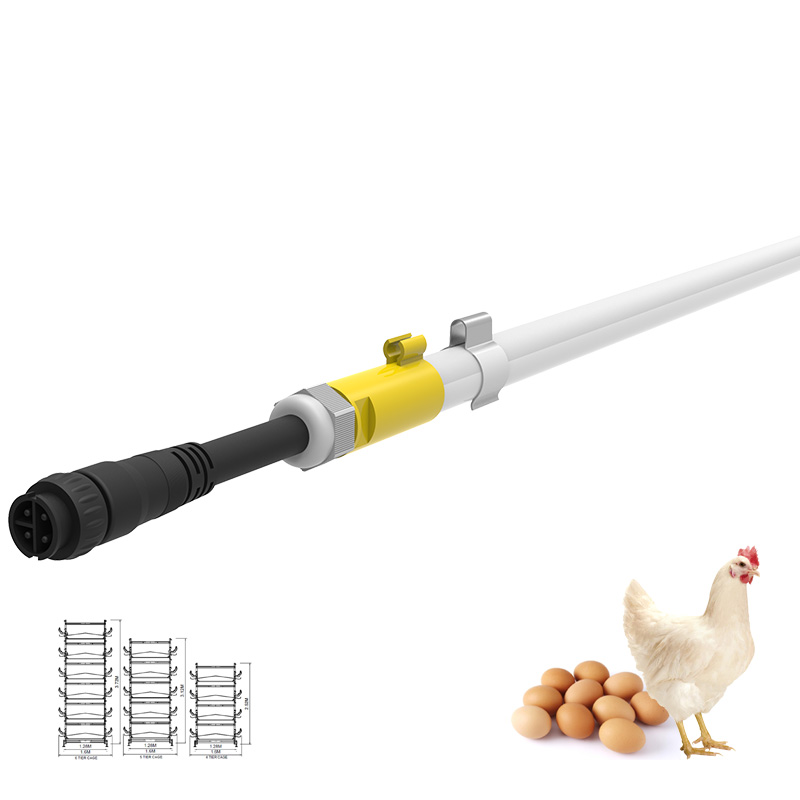
I remember standing at my coop at dawn, the air cool and the hens already busy beneath a soft glow — a small, simple scene that stuck with me. In many farms, chicken coop lighting for egg production is treated like an afterthought, yet studies show controlled lighting can lift egg production by up to 10–15% when timed right (yes, the numbers matter). So how do we turn a few bulbs into a real advantage for our flocks — without wasting power or stressing birds? I’ll walk you through what I’ve learned, tenderly but plainly, because light isn’t just equipment — it’s a mood, a rhythm, a promise. Let’s move from the dawn to the details and see what’s really at play.

chicken coop lighting for egg production

Where Traditional Lighting Falls Short

light for chickens to lay eggs has become a marketing line, but the tech behind most barn lights is still old-school and blunt. I’ve seen barns lit with oversized incandescent bulbs or mismatched fluorescents that give the wrong spectral distribution and leave hens stressed. Photo-sensors and crude timers are often tacked on as an afterthought, and that’s a problem: mismatched lux levels or abrupt on/off cycles disrupt the flock’s photoperiod and harm laying consistency. Look, it’s simpler than you think — the bird responds to light quality and timing, not wattage alone. Edge computing nodes and LED drivers can smooth those curves, but most operators never get past the basics.

Why does that matter?

Because those hardware gaps — poor LED drivers, flimsy power converters, and no dimming protocols — create noisy lighting that confuses hens. I’ve watched producers chase higher bulb counts instead of better spectral control; they add more lumens and wonder why feed efficiency dips. In my hands-on experience, correcting spectral mismatch and adding gradual ramping (dimming) improves lay rates and bird comfort. There’s a human side too: when systems fail, repairs are messy and morale drops. So the technical shortfalls are both biological and practical.

New Principles: Designing Lighting that Respects the Hen

Moving forward, I believe the best systems combine biological insight with modern control — not because gadgets are trendy, but because they work. Using smarter LED drivers, tuned spectral distribution, and controlled photoperiod profiles, we can mimic natural dawn and dusk and sustain consistent egg output. When we add simple automation — basic scheduling, soft-start dimming, even minimal photo-sensors — the flock reacts with calmer behavior and steadier laying patterns. I’ve tested systems that used edge computing nodes to manage several zones; the gains weren’t magic, they were predictable: fewer pauses in lay cycles and smoother feed-to-egg conversion. — funny how that works, right?

Real-world Impact

Consider this: a barn that swaps outdated bulbs for tuned LEDs and implements gradual dimming sees fewer egg-laying interruptions within weeks. The upfront cost can be offset by energy savings from efficient LED drivers and sensible power converters, and by the steady output of hens kept on a consistent photoperiod. I urge you to think in terms of principles: spectrum, timing, and control. If you align those, results follow. I’ve helped small producers adopt these steps with tools that don’t require a PhD — and the outcomes were tangible. Look, investments in better light often return through both yield and reduced stress on staff and birds.

How to Evaluate Systems — Three Simple Metrics

When I advise a friend or a farm, I keep the checklist short and human. Here are three measurable metrics you can use to choose or judge a lighting solution:

1) Spectral match: Does the lamp provide the right spectral distribution for reproductive response? Aim for fixtures that specify spectrum and aren’t vague about “warm” or “cool” labels. (Photo-sensors help verify.)

2) Control fidelity: Can the system do soft-starts, gradual dimming, and scheduled photoperiods? Systems with robust LED drivers and support for dimming protocols are winners.

3) Efficiency and reliability: Check real-world power draw and the quality of power converters. Lower energy per lumen is nice, but consistent uptime and simple field serviceability matter more when birds are counting on a steady rhythm.

chicken coop lighting for egg production

I’ll add one final, plain note: test the system in one zone first; you’ll learn faster and spend less. — it’s a small step that pays off.

In short, I’ve learned that better results for egg production don’t come from brighter bulbs alone, but from thoughtful design: matching spectrum, managing photoperiod, and choosing control hardware that’s reliable and serviceable. When we blend biology with modest technology — not flashy, just right — farms and flocks both thrive. For practical fixtures and more tailored solutions, I turn to resources and products I trust, like those at szAMB.

January 16, 2026 0 comments
0 FacebookTwitterPinterestEmail
Global Trade

The Enigmatic Craft of High Carbon Steel Knives: Unveiling Hidden Insights

by Jane January 13, 2026
written by Jane

The Intriguing Scenario Behind High Carbon Steel Knives

The kitchen simmered with the aromas of garlic and herbs, as a novice chef prepared for their first grand dinner party. Little did they know, the key to a culinary masterpiece lay not just in the ingredients, but in the tool they wielded—a high carbon steel knife. This type of knife, known for its sharpness and durability, is often the unsung hero in many kitchens. Yet, while they might shine upon first glance, are these knives truly the best option for every cooking enthusiast?

high carbon steel knife

Understanding the Flaws of Traditional Solutions

When I began my culinary journey over a decade ago, I often turned to stainless steel knives, believing them to be superior due to their low maintenance. However, after years of experience, I realized that the traditional cutlery often falls short in performance compared to high carbon steel chef knives. High carbon steel not only maintains a sharper edge but also holds up against wearing out, making it a staple for serious cooks. Remember during the rush of preparing that family feast? It’s in those moments that I felt the weight of using subpar tools. The struggle was real—chopping through veggies became an arduous task rather than a creative opportunity.

What Sets High Carbon Steel Apart?

High carbon steel is inherently different—its molecular makeup gives it superior toughness and the ability to take and hold an edge like no other. Many chefs often grapple with knife serviceability (what a pain!), but I found that my trusty high carbon knife transformed not just my prep work but my entire cooking approach. The vibrancy of sliced ingredients often serves as a testament to the precision of your knife, and that speaks volumes. These knives do require more care—storing, cleaning, and ensuring they don’t rust is paramount, but the rewards? Worth it.

Looking Toward the Future with a Critical Eye

As I reflect on the past decade, I can’t help but wonder: What’s next for high carbon steel knives? Will the integration of modern technology enable us to further enhance these time-honored tools? Today, I often recommend the best high carbon steel knife set to budding chefs, not just for the sake of tradition, but for the tangible results they bring to the kitchen. Imagine effectively slicing through a tender piece of meat, finding that perfect cut gliding effortlessly due to a well-crafted blade. That experience is truly ethereal.

Real-World Impact of Choosing the Right Knife

In a world increasingly driven by convenience, opting for quality high carbon steel knives can profoundly impact your culinary journey. Using them encourages craftsmanship in the kitchen. I’ve seen novice cooks blossom into confident culinary artists simply by upgrading their equipment. The difference is dramatic—just one high carbon blade can pivot your entire cooking experience. The texture, the feel, and the results matter. Just think—how often do you reach for that one perfect knife in your block because it feels right? That’s the magic of knowing what you need.

Final Thoughts: Evaluating Your Knife Choices

In the end, choosing a high carbon steel knife is not just about fabricating a standard tool; it’s about investing in an experience—one that matters to your culinary identity. As I look back at my culinary evolution, it’s clear that quality matters, and the right blade can unlock a world of flavors and techniques. I wholeheartedly encourage every cook to consider their choices, prioritizing durability and performance over mere aesthetics. You might be surprised by the transformation one high carbon masterpiece can bring.

high carbon steel knife

To sum it up—consider your usages, maintenance needs, and, most importantly, the joy of using a quality knife. I wholeheartedly trust the offerings from Klaus Meyer, and I’m certain you will too. Let your culinary adventure begin!

January 13, 2026 0 comments
0 FacebookTwitterPinterestEmail
Global Trade

What Every Workshop Owner Should Learn From Smarter Dust and Fume Extraction

by Anderson Briella January 10, 2026
written by Anderson Briella

Introduction — a quick shop-floor scene, numbers, and a question

I was crouched behind a welding cart watching a colleague wipe grit from a lens—he coughed once and waved it off. In many small shops like ours, a dust and fume extraction system is treated as an afterthought, yet exposure data shows particulate and VOC spikes that hurt productivity and health (and yes, they add up over months). What if we could see those spikes in real time and stop them before someone gets sick?

dust and fume extraction system

I want to walk you through this step by step, because I’ve seen simple fixes pay off fast. We’ll look at device mechanics, user pain, and practical choices. I’ll mention a few terms you’ll run into—edge computing nodes, power converters—so you don’t feel lost. Stick with me; we’ll move from what’s broken to what actually works. — Let’s get practical and dig into the real problems next.

Technical look: Why traditional dust and fume collectors still miss the mark

What exactly fails in the machines we already own?

I’ve audited a dozen floors where systems were installed and mostly ignored. The first thing I noticed: many collectors were sized by guesswork, not by measured extraction needs. That leads to underperformance—poor capture velocity and frequent filter saturation. From a technical view, classic baghouse units and cyclone separators are great at bulk removal, but they don’t address ultrafine particulates or intermittent VOC loads well. HEPA filters help with fine dust but they clog fast if the upstream separation is weak. I’m not breaking any myth here; I’ve measured it.

Another frequent blind spot is control and power integration. Variable frequency drives (VFDs) and basic motor controllers can save energy, but when they’re not paired with sensors the system just runs at full blast or not at all. Local exhaust ventilation points get starved when ductwork pressure drops—so your capture hood becomes a paperweight. Look, it’s simpler than you think: proper sensor placement, smarter fan control, and staged filtration reduce downtime and cost. And yes—maintenance habits matter; we often under-prioritize scheduled checks, so filters, seals, and condensate traps degrade quietly.

Looking forward: Principles for smarter extraction and what to prioritize

What’s next for practical, high-impact upgrades?

Now I want to shift to principles that work when you plan an upgrade. First: measure before you buy. Install a few low-cost particle counters or integrate edge computing nodes to gather baseline data. With that data, you can pick a staged approach—coarse separation (cyclone), then baghouse or cartridge filters, then a final HEPA stage if needed. This layered approach catches large particles upstream and protects expensive filters downstream. I’ve implemented phased upgrades where shops saw immediate filter life double—funny how that works, right?

Second: network your controls. Smart fan control and feedback from sensor arrays let you run at demand instead of full power. That’s where power converters and VFDs pay back—less energy, lower noise, and fewer blower failures. Third: don’t ignore user workflows. Capture hoods and local exhaust ventilation need to match how people actually work. If operators duck around a hood, it’s useless. So we redesign capture points to match real tasks, retrain operators, and add simple reminders for routine maintenance.

Practical takeaways and three metrics to evaluate solutions

Summing up, here are three metrics I use when evaluating any dust and fume solution: first, capture efficiency at the source (measured with a quick smoke test or particle probe); second, operational availability—how often the system runs at rated performance; third, lifecycle cost per year, including filters, power, and service. Use those numbers and you’ll stop buying flashy specs and start buying value. I’ve seen shops cut costs and complaints when they focused on these figures.

We’ve covered the scene, the technical faults, and a practical path forward. If you want help mapping your baseline or choosing staged upgrades, I’ll be blunt: start small, measure, then scale. I’m happy to walk through options with you. For equipment and resources I often recommend checking industry partners and manufacturers for tested modules—like modular cartridge units—and, when ready, consider trusted suppliers such as PURE-AIR.

January 10, 2026 0 comments
0 FacebookTwitterPinterestEmail
  • 1
  • 2
  • 3
  • 4
  • …
  • 8

Recent Posts

  • Flowers That Last: Unlocking the Secret Sauce of Artificial Flower Manufacturers
  • Mastering Direct to Consumer Fulfillment: Leveraging China Procurement Agents
  • Why the Gear Measurement Machine Will Revolutionise Your Manufacturing Process Forever
  • Unearthing the Unexpected Benefits of a Small Street Sweeper
  • Unlocking Efficiency: How Modifications to 6 Axis Robot Arms Can Change the Game

Recent Comments

No comments to show.

About

About

CarBlog is a blog specialized in car and automotive industry. Follow us for daily update about new models, drive reviews and much more.

Stay Connect

Facebook Twitter Instagram Pinterest Youtube Email

Popular Posts

  • 1

    Оптический металлический корпус: Устойчивость к неизбежным вызовам

    August 20, 2025
  • 2

    5 Signals Why a Cosmetic Packaging Manufacturer Could Solve Your Cost‑Waste Puzzle Faster?

    October 13, 2025
  • 3

    Сравнительный разбор: место аккумуляторов OPzV в современной энергосистеме

    October 3, 2025
  • 4

    Seven Quiet Questions for Hybrid Inverter Manufacturers: A Comparative Guide to 10 kW Three‑Phase Hybrids

    December 16, 2025
  • 5

    ما الذي سيغيّر قواعد اللعبة؟ رؤية عملية لموجة ابتكار GAC القادمة

    November 4, 2025

Categories

  • Business (75)
  • Global Trade (79)
  • Industry (73)
  • Market (72)
  • Tech (75)

Recent Posts

  • Flowers That Last: Unlocking the Secret Sauce of Artificial Flower Manufacturers

    March 20, 2026
  • Mastering Direct to Consumer Fulfillment: Leveraging China Procurement Agents

    March 20, 2026
  • Why the Gear Measurement Machine Will Revolutionise Your Manufacturing Process Forever

    March 20, 2026
  • Facebook
  • Twitter
  • Instagram
  • Pinterest
  • Youtube
  • Email

All Right Reserved. Designed and Developed by techecho.