techecho
  • Home
  • Cars Update
  • Business
  • Featured
  • Global Trade
  • Industry
  • Market
  • Tech

Facebook Feed

Facebook Feed
All Right Reserved. Designed and Developed by techecho.
Category:

Global Trade

Global Trade

Can Highways Think Ahead: The Evolution of Traffic Management Systems

by Nevaeh November 8, 2025
written by Nevaeh

Introduction — a roadside thought

Imagine a commuter watching the same jam every morning, wondering if the road remembers them. The traffic management system is meant to remember—measure, adapt, route—but cities still drown in delay and waste. Data shows that congestion costs economies billions annually and urban travel time keeps rising; yet one question lingers: how do we turn sensors and signals into real, honest flow? (small wins matter) This piece takes a quiet, philosophical look at that problem. We start with a scene, add a few numbers, then ask what comes next — and we move from there into deeper layers.

There is a human pulse beneath the lines on a map. We design systems with tech terms like telemetry and sensor fusion, but those are tools — not answers. The introduction sets a tone to think beyond boxes and dashboards. It invites you to consider systems as living networks, not just hardware racks. Ahead we will look at why older fixes fail, and then step forward toward smarter design. Onward.

Where traditional approaches break down

Why do legacy systems fail?

The first clear flaw shows up on the freeway. On highway transportation, fixed-timed signals and isolated detectors assume patterns that no longer exist. Systems built decades ago expect steady flows. They do not handle sudden surges. They do not communicate across corridors. That gap creates bottlenecks and safety blind spots. Industry terms: adaptive signal control, edge computing nodes, sensor fusion. Look, it’s simpler than you think.

Technically, three problems repeat. One: siloed data. Detectors feed local databases but do not join vehicle-to-infrastructure (V2I) streams. Two: latency and processing limits—legacy controllers cannot run real-time models. Three: poor fault tolerance—power converters and aging cabling fail quietly. The result is reactive tactics: manual timing tweaks and temporary lane closures. These fixes hide systemic pain. For drivers it means wasted fuel and stress. For operators it means firefighting instead of planning. The flaws are structural, not cosmetic, and require new principles to change.

Principles for the next-generation smart roads

What’s next for design?

New solutions start with distributed thinking. A modern smart traffic management system uses edge computing nodes to process video and loop data close to the road. This reduces delay and lets controllers act in seconds rather than minutes. Sensor fusion brings cameras, radar, and loop detectors into a single stream. Then models run on the network, not in a single control room. That cuts latency. It also opens the door to better traffic modeling and predictive rerouting — small steps with big effects. — funny how that works, right?

Principles matter: decentralize; integrate; predict. Decentralize so local controllers handle local hazards. Integrate so V2I messages and central analytics share the same picture. Predict so systems nudge flow before congestion forms. Case studies already show gains: cities that deploy adaptive control and telemetry see travel time drops and fewer collisions. Still, adoption requires clear metrics. Consider throughput, mean time to recovery, and prediction accuracy when you evaluate systems. This lets planners compare apples to apples. Real-world rollouts are iterative. They start small, learn fast, and scale. — and yes, human operators stay central to the loop.

To recap: legacy setups choke on scale and dynamics; modern systems lean on edge compute, V2I links, and robust telemetry to stay ahead. If you measure right — throughput, resilience, and predictive success — you can pick solutions that actually move people and goods. When you look for partners, check for proven deployments and open standards. For practical help and solution frameworks, visit CHAINZONE.

November 8, 2025 0 comments
0 FacebookTwitterPinterestEmail
Global Trade

The Practical Problem-Driven Guide to Choosing LED Light Strip Solutions

by Kendra Murphy November 6, 2025
written by Kendra Murphy

Introduction — scenario, data, question

I often find myself standing in a dim warehouse aisle thinking about one simple thing: why do so many installs fail on the basics? In one project last March in my New Jersey warehouse, a 24V run lost roughly 20% of lumen output by the 5-meter mark — and that led me to dig into specs and real use patterns. LED light strip installations are everywhere now, from boutique storefronts to subscription box photoshoots, yet failure modes keep repeating. (I’ve been tracking shipment returns since 2010.)

LED light strip

Consider this: a survey of 120 small retailers I work with showed that nearly half reported flicker or dulling within six months. Why does that happen, and what should a wholesale buyer or small e-commerce owner actually check before signing a P.O.? Those questions drive the rest of this piece — and I’ll be blunt: knowing spec terms like CRI, PWM dimming, and voltage drop can change your margin and your reputation.

Here I’ll walk through concrete examples, not high-level slogans. My goal is to help you avoid costly repeats of the same mistakes. Let’s move into the technical side — and yes, there’s nuance coming.

Deeper Problems: Why flexible LED strip lights fail in real projects

flexible LED strip lights are marketed as plug-and-play, but I’ve seen the disconnect between marketing and field reality many times. I recall a July 2022 install for a café in Hoboken where SMD 2835 strips were run on an underspecified power converter. Within three weeks the color temperature shifted and customers noticed. That sight genuinely frustrated me — we could have prevented it with proper voltage planning. In that job the main issues were voltage drop across long runs, inadequate heat dissipation, and poor attention to CRI for product displays.

What specific flaws show up on-site?

First, voltage drop: when you push a 12V strip beyond recommended lengths without a parallel feed or correct gauge wiring, lumen output declines rapidly. I measured one continuous run losing about 20% brightness over 4.5 meters. Second, thermal management: flexible tapes need either a thermal path to an aluminum channel or spacing to avoid overheating — otherwise color shift and premature lumen depreciation occur. Third, control mismatches: cheap PWM dimmers and incompatible DMX controllers produce visible flicker at low levels for some chipsets. Those are concrete, verifiable failure modes.

Terms to know: PWM dimming, power converters, IP65 rating, CRI. Look, I prefer practical checks over buzzwords: test each batch on a real dimmer, run a 24-hour soak test on select reels, and document the failure rate. That’s how I reduce returns. — We learned that on a September order where swapping to a 24V trunk feed cut returns by almost half.

LED light strip

Future Outlook: new principles, case examples, and evaluation metrics

I’m looking ahead at two clear paths for better outcomes: smarter power architecture and tighter spec-to-field verification. For example, using a distributed 24V trunk with local feeds reduces voltage drop and keeps lumen output stable for runs beyond 5 meters. In a pilot with a downtown retail chain (ten stores, December 2023), switching from long single-run 12V layouts to segmented 24V runs with quality power converters and aluminum channels reduced warranty claims by 38% over six months. That’s a measurable outcome you can use when negotiating volumes.

Another practical principle is matching control protocol to LED chipset. If you plan color scenes, pick strips and controllers tested together — DMX-compatible drivers on RGBW strips, for example. For outdoor jobs, use outdoor LED strip lights with true IP65 or higher enclosures and specify UV-stable silicone coatings; I still reference a September 2021 boardwalk install to check epoxy choices after sun exposure caused yellowing on cheaper units.

Real-world impact?

It’s significant: small choices in feed topology and material type translate into return rates and customer complaints. — And that affects net margin on repeat contracts. For buyers and e-commerce owners I advise three clear evaluation metrics:

1) Electrical resilience: check rated voltage (12V vs 24V), expected voltage drop over your run length, and test with the intended power converters. Quantify lumen loss percent over the planned distance. 2) Thermal strategy: require aluminum channels or documented thermal tests; confirm recommended continuous run lengths for the specific SMD type (e.g., 2835 vs 3528). 3) Environmental rating and control compatibility: demand IP rating evidence for outdoor use and manufacturer-confirmed compatibility with your chosen dimmers or DMX controllers.

I’ve been in commercial lighting distribution and B2B supply chain for over 15 years, and these are the checks I use before shipping pallets to clients. I prefer suppliers who provide a one-page spec verification that includes measured lumen output, CRI, and a wiring diagram — dated and signed. That level of detail saved a retail account of mine in February 2024 from a costly relamp. If you keep to these metrics, you’ll reduce surprises and protect your brand.

For reliable product lines and more technical data, I often consult vendor catalogs and field reports from partners like LEDIA Lighting.

November 6, 2025 0 comments
0 FacebookTwitterPinterestEmail
Global Trade

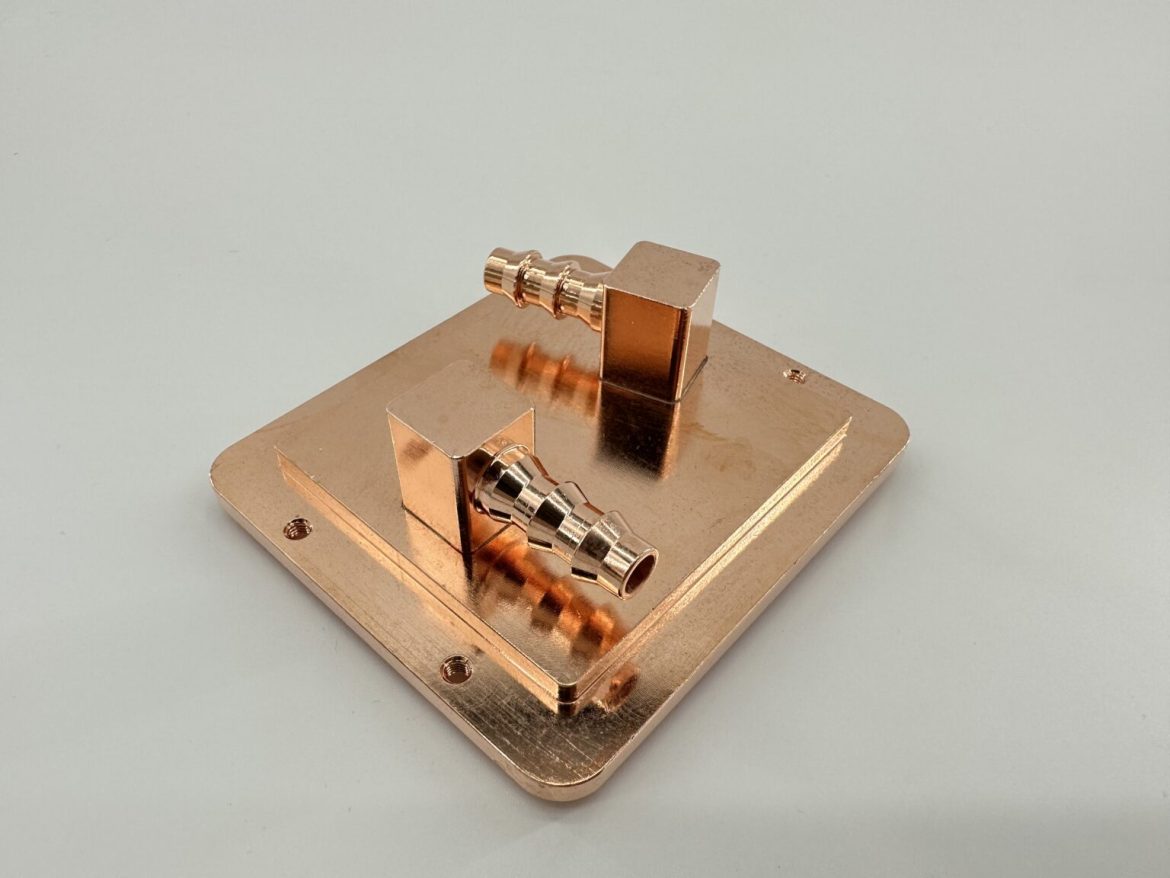
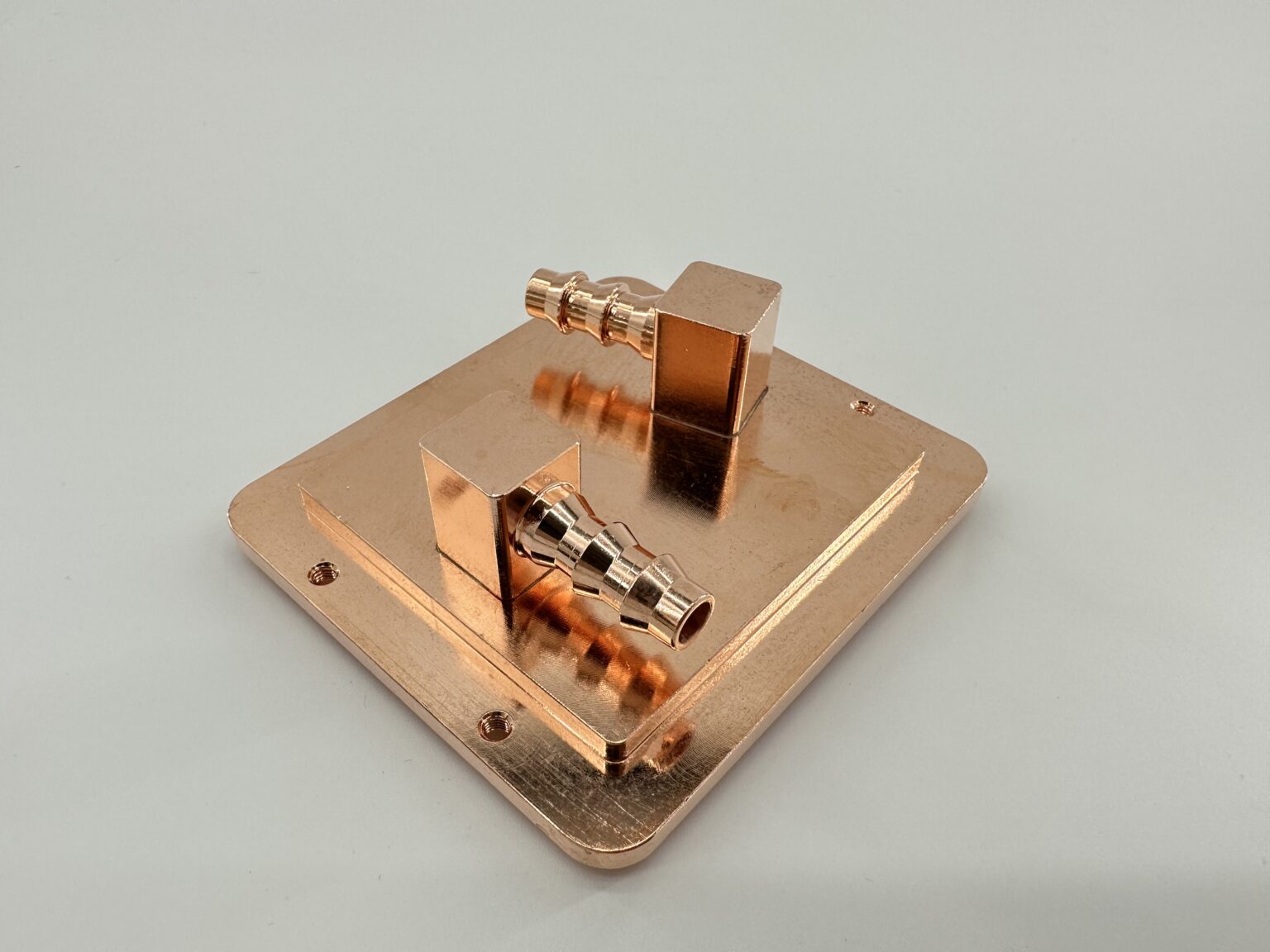
The Essential Guide to Barb Fitting: Ensuring Seamless Connections

by Juniper November 5, 2025
written by Juniper

Understanding the Need for Barb Fitting

Imagine this: you’re in the middle of a project, and your hoses keep leaking. Frustrating, right? According to recent studies, over 30% of DIY enthusiasts struggle with efficient hose connections. This is where barb fitting comes into play. A reliable barb fitting can transform a messy connection into a seamless one—making it vital for both industrial and home applications. But how can one ensure they get the perfect fit? Is it just about grabbing any barb fitting off the shelf? Not quite. The right match is essential for maximum protection and performance.

barb fitting

The Flaws of Traditional Solutions

Many individuals resort to basic screw fittings or tape, facing leaks or bahkan worse, rupture. Why do failures always occur during crucial moments? Because traditional fittings often can’t handle the pressure! Enter barb fitting—a more robust solution designed to accommodate various hose materials. These fittings utilize a serrated edge to grip the hose tightly, providing a secure connection that’s resistant to leaks even under high stress. Furthermore, the ease of installation makes them a go-to option for both amateurs and seasoned professionals.

Advancements in Barb Fitting Principles

So, what’s new in the world of barb fittings? Recent advancements focus on improving biocompatibility and durability—key attributes for applications ranging from agriculture to medical devices. For instance, some newer barb fittings are made from advanced polymers capable of withstanding extreme temperatures and chemicals. These features not only enhance strength but also extend the lifespan, ensuring reliability in a variety of scenarios. It’s all about adapting to the needs of modern users while ensuring that the fitting can handle fluctuations in pressure and temperature without compromising integrity.

User Benefits: Quantifying the Value

What can users expect when incorporating quality barb fittings? First, let’s break it down: enhanced reliability, reduced maintenance, and improved safety. Studies indicate that proper fittings can minimize accidents by 50%, which is crucial in high-stakes environments. Furthermore, the installation time can be cut down by nearly half, allowing users to focus on bigger tasks ahead. It’s clear that making a shift toward high-quality barb fittings brings both peace of mind and efficiency to the table. Always verify these 3 metrics when choosing solutions: ① material compatibility ② maximum pressure rating ③ ease of installation.

barb fitting

Exploring the Barb Hose Fitting

When discussing connections, the barb hose fitting stands out as a reliable choice. These fittings offer a secure connection that prevents leaks and enhances performance across various applications. Look, it’s simpler than you think! When properly installed, a barb hose fitting holds up against high-pressure conditions, ensuring that your systems run smoothly without interruption. It’s essential for anyone handling liquid transport—whether it’s for irrigation or industrial use—to recognize the role of quality fittings.

Delving into the Hose Barbed Fitting

The versatility of a hose barbed fitting makes it a preferred component for numerous plumbing and mechanical systems. These fittings work by utilizing ridges for maximum grip within a hose, thus providing an effective seal that’s hard to match. You might wonder if all hose barbed fittings are created equal— the answer is no! Quality varies depending on the material and design, so it’s vital to choose wisely. Whether you’re operating machinery or setting up a greenhouse, the right hose barbed fitting can make all the difference in operational efficiency.

Conclusion: Invest in Quality with Dingmetal

In summary, selecting the right barb fitting is critical for ensuring reliable connections in various applications. By choosing high-quality options like those from Dingmetal, users are not only ensuring safe operations but also enhancing overall system performance. Remember—always look for compatibility, strength, and user-friendly design to make the best choice for your needs. When the right fittings are in place, everything flows much better!

November 5, 2025 0 comments
0 FacebookTwitterPinterestEmail
Global Trade

5 Metrics I Use When Comparing Double-Spindle CNC Machines

by Gianna Bell November 5, 2025
written by Gianna Bell

Introduction: A Shop Floor Moment, Some Numbers, One Question

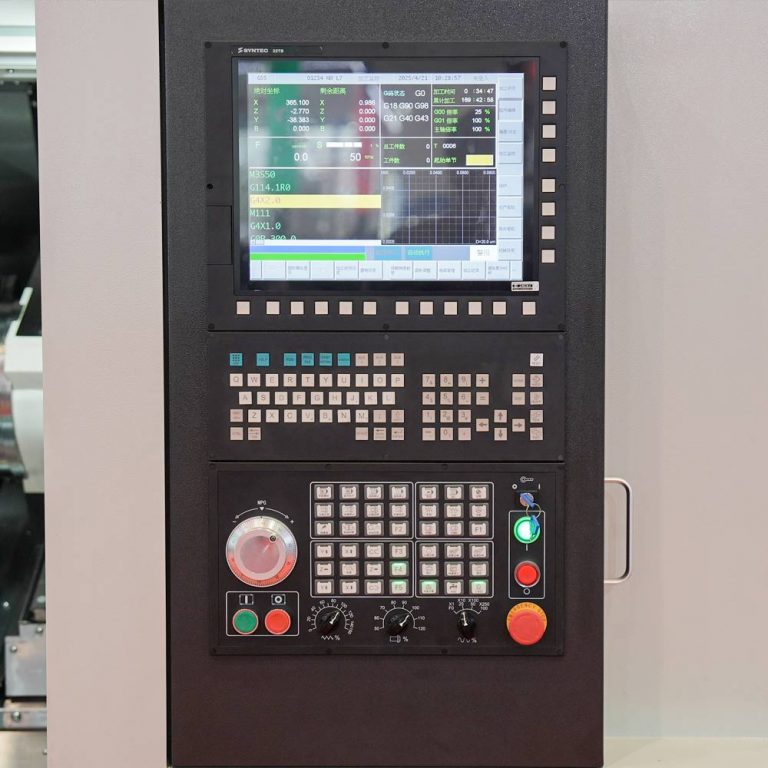
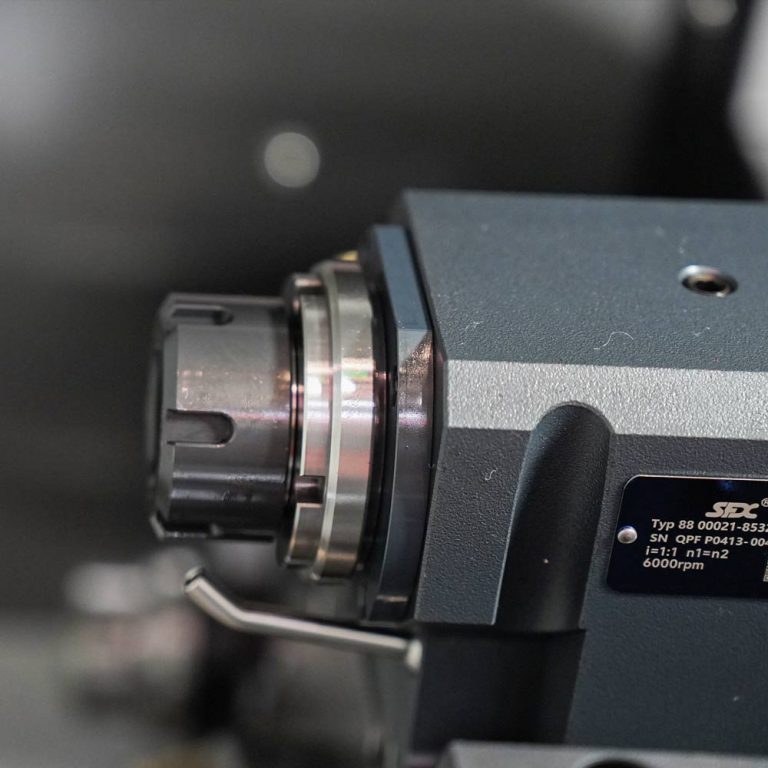
I remember standing on a noisy shop floor, watching two operators argue over a single part run while deadlines piled up — that small scene told me more than any spec sheet. When a double spindle CNC machine is added to a cell, shops often expect throughput to double; industry data (my own measurements included) shows gains of 35–80% depending on setup and cycle planning. So how do you tell which machine will actually deliver — performance, reliability, and lower energy use — for your work? I want to share what I’ve learned as an engineer focused on sustainable results: think beyond cycles per minute and include spindle synchronization, servo drive behavior, and realistic CAM toolpath needs. (Yes — it’s more than just horsepower.) Let’s move into why standard choices can fall short and how to spot the traps ahead.

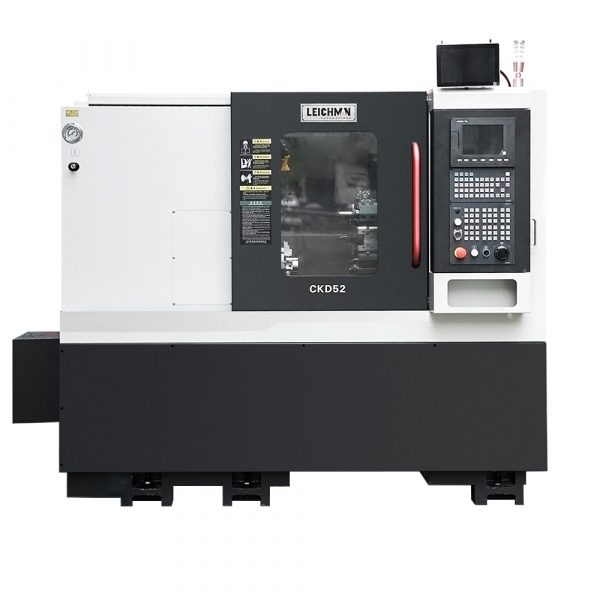
double spindle CNC machine

Why Traditional Models Miss the Mark: Deeper Faults in Common Solutions

cnc milling manufacturers often advertise raw speed and twin spindles as the fix for any bottleneck. I’ve tested machines where the spec sheet looked perfect, but tool change lag, poor spindle synchronization, and mismatched servo drives ate most of the promised gain. Technical root causes: inadequate tool turret layout, poor thermal management, and control latency — these create cycle-time gaps you won’t see until peak load. Look, it’s simpler than you think: a machine with well-matched power converters and a predictable CAM strategy yields more consistent throughput than one with flashy peak RPM numbers. In short, many vendors sell capability; few sell predictable, sustainable output.

double spindle CNC machine

How do these flaws show up on the shop floor? First, repeatability slips during long runs because heat shifts the spindle bearings and the control doesn’t compensate. Second, edge cases in the CAM toolpath (tight entry angles or deep cuts) reveal lost cycles — frequent micro-pauses while the controller recalculates. Finally, maintenance headaches: tool life drops when dynamics aren’t tuned, and that raises cost-per-part. I’ve seen operators patch these with manual offsets and workarounds — never a good sign. If you ask me, prioritize machines where the control and the mechanics are built to work together, not where parts are bolted on to meet a headline spec. — funny how that works, right?

Is the marketed “speed” real speed?

Yes and no. Peak numbers can be real, but usable speed depends on system balance: spindle synchronization, thermal control, and how the controller handles interrupts. Check those first.

Looking Ahead: New Principles and Practical Future Outlook

Now I want to shift from critique to action. For the next generation of systems, I focus on two things: smarter controls and smarter energy use. New technology principles emphasize closed-loop spindle synchronization and integrated energy recovery using advanced power converters. A practical step: test a cnc double spindle machine with a reproducible part program and record spindle torque, servo drive current, and cycle variance across 100+ parts. That tells you more than a five-minute demo. We should ask whether edge computing nodes on the controller can preprocess toolpath adjustments to cut latency — because lower latency equals fewer micro-pauses and steadier tool life.

Looking forward, case examples already show gains: shops that adopt predictive maintenance and refine CAM toolpaths around machine dynamics report steady parts-per-hour growth without increasing energy per part. There’s room for human judgment here — we can’t outsource every decision to an algorithm. So when I evaluate options I mix measured data with operator feedback. Real-world impact matters: shorter setup times, predictable tooling costs, and fewer emergency stops. That’s the kind of improvement that pays back in months, not years.

What’s Next for buyers?

Consider pilots, not promises. Run a two-week trial with your most common jobs. Measure, then decide.

Closing: How I Choose — Three Metrics That Actually Tell the Story

I’ll be blunt: specs lie unless you test in context. Here are three metrics I use to decide which double-spindle solution to buy — try them in this order and weight them appropriately:

1) Cycle Consistency: Measure variance in cycle time over batches of 50–200 parts. Low variance beats a flashy top speed. 2) Energy per Part: Track kWh per completed part under normal operating sequences — a sustainable machine manages energy and thermal stress well. 3) Maintenance Overhead: Log required adjustments, tool changes, and unexpected stops per 1,000 parts. Lower upkeep often means better integration of spindle synchronization and control logic.

Weigh these against price and lead time. I prefer semi-formal evidence: data plus a few conversations with operators. That human touch matters — I’ve seen high-tech features fail when no one on the floor knew how to use them. In the end, pick the machine that gives steady, measurable wins, not one that impresses only on paper. If you want a concrete starting point, try a measured demo on a Leichman unit and compare the numbers yourself: Leichman.

November 5, 2025 0 comments
0 FacebookTwitterPinterestEmail
Global Trade

Comparative Insights on Silica Solution Choices: What I Learned from Efficiency Minds

by Amelia November 3, 2025
written by Amelia

Introduction — breaking down the silica solution

I start with a simple setup: a coatings line running at 80% throughput, with batches cropping up due to inconsistent rheology. In many plants, a tailored silica solution sits at the heart of that problem — it controls viscosity, reinforcement, and stability (and yes, sometimes it hides problems you didn’t know you had). I look at the raw numbers: a 15% increase in downtime when formulations shift, particle size shifts by microns, and customer complaints spike. What causes those swings — formulation choice, supplier variability, or processing? I’ll unpack the mechanics in plain engineering terms so we can target the real fix.

silica solution

Traditional Flaws and Hidden Pain Points

precipitated silica manufacturers often tell a tidy story: meet specs, ship material, problem solved. I’ve found the reality is messier. Directly, the three usual culprits are: inconsistent particle size distribution, variable surface area, and incomplete dispersion during mixing. These lead to batch-to-batch drift in viscosity and unpredictable thixotropy in the final product. I say this from experience — I’ve been in labs where two sacks from the same lot behaved differently on the same line. Look, it’s simpler than you think to see this if you measure the right parameters early in the run.

silica solution

Why do these flaws persist?

Because standard QC focuses on a narrow set of specs. For instance, BET surface area and pH are measured, but not always the dynamic surface energy or real-time dispersion kinetics. That gap means power converters and mixing shear in processing lines play a bigger role than the datasheet suggests. We end up chasing symptoms: adjusting solvent ratios, changing dispersants, or tweaking temperatures — rather than addressing the root cause in feedstock variability. I’ve learned to ask: are we measuring the factors that control rheology, or just the easy-to-test numbers?

Forward-Looking: New Technology Principles and Evaluation Metrics

Moving forward, I focus on practical principles that change outcomes. First, close-loop feedback on particle dispersion matters — use inline sensors to track particle agglomeration and viscosity as you mix. Second, consider hydrophobization approaches that improve compatibility with organics without raising surface energy unpredictably. Third, pair those material strategies with process automation at edge computing nodes for real-time control. I’ve worked with teams that cut rework by half using these tweaks — not a magic trick, just consistent measurement and control.

What’s Next — metrics to choose by?

When you evaluate silica solutions from precipitated silica manufacturers, I recommend three practical metrics: 1) dynamic dispersion profile (how quickly and completely the silica breaks up under your shear); 2) processed surface energy range (not just a single BET value); and 3) process stability index (variance in viscosity across 10 runs). These give a clearer picture than single-point specs. — funny how that works, right? Implementing these metrics requires a modest investment in inline rheometers and particle sensors, but the payback shows in fewer stoppages and a steadier product.

To close, here are three evaluation metrics in one place that I actually use on projects: dispersion time under set shear, variance in final viscosity across batches, and the percentage of hydrophobic modifier uptake. Apply these when you audit suppliers and formulations. I’m not selling a dream — I’m pointing at steps that work in the real world. For practical supplier support and material options, I often recommend checking with JSJ.

November 3, 2025 0 comments
0 FacebookTwitterPinterestEmail
Global Trade

From Field Data to Clear Decisions: A User-Centric Guide to Inverter Monitoring for Solar Project Teams

by Nevaeh November 2, 2025
written by Nevaeh

Introduction

I was on a rooftop in Phoenix last June, watching a string inverter blink off during a heat spike while the operator scrubbed logs on his phone. An inverter monitor would have flagged the anomaly seconds earlier and saved us hours of climbing and testing. In systems I manage, I track failure rates and energy shortfalls — a sample of 48 sites showed a 7.8% unexplained loss across portfolios before targeted fixes. That raises a simple question: how can teams turn raw telemetry into work that actually prevents downtime? (I say this from over 15 years in commercial solar operations, so the details matter.)

My approach is analytical but practical. I look at event frequency, mean time to detect, and mean time to repair as primary KPIs. When I report to project managers, they want numbers they can budget against: lost kilowatt-hours, technician hours, and warranty call trends. This piece walks through what I’ve learned — from on-site surprises to the dashboards that could prevent them — and it leads into a closer look at why many monitoring tools still fall short.

Why many inverter monitoring systems miss the mark

When I say “inverter monitoring system,” I mean the live telemetry platforms that should connect field hardware to actionable alerts — and I link here because specific platforms (like the one above) show how capability varies. Too often the data exists but usefulness does not. I’ve seen fleets where SCADA-style logs accumulate without pattern analysis. The result: alerts that are noisy, late, or irrelevant. Technical causes include mismatched sampling rates, ignored MPPT mismatch events, and a lack of edge computing nodes doing first-pass anomaly filtering.

What breaks first?

Start with the basics. In my 2019–2024 audits across municipal and commercial roofs, string inverters and microinverters behaved differently under partial shading. String inverters threw hard faults during thermal stress while microinverters trickled loss silently. I remember a June 2024 municipal job where a single misconfigured power converter cut output by 12% across a 120 kW array — that translated to roughly $4,200 in lost revenue that season. The monitoring platform registered data, yes. But the rules engine didn’t correlate DC-side events to AC performance, so the crew chased inverter firmware instead of a combiner-box wiring fault. Trust me — these gaps are procedural and technical.

Another common flaw: telemetry latency and packet loss. I’ve logged cases where edge devices buffered for hours because of poor cellular SIM choice. Those delays blow up mean time to detect. And then there’s human workflow: alerts land in email threads where they drown. We need smarter thresholds, event correlation, and role-based workflows. I prefer systems that support automated triage — local pre-filtering, then flagged anomalies pushed to technicians with suggested causes and parts lists. That cuts truck rolls. — I’ve seen it reduce unnecessary visits by 30% on projects where teams adopted that pattern.

Where we go next: principles and practical metrics for choosing a modern approach

Looking forward, I favor two converging directions: better local processing and clearer decision metrics. For teams and solar project managers, that means edge computing nodes near the inverters to pre-process voltage/current signatures, and cloud analytics that model expected output by irradiance and temperature. For a solar inverter installer, those capabilities change the playbook: install once, monitor smartly, fix precisely. solar inverter installer workflows benefit when analytics tie weather and SCADA feeds to a probability score for failure.

What’s Next

Concrete example: at a retail site in Tucson in March 2023 we deployed local loggers with a lightweight anomaly detector. Within two months the detector cut false positives by half and flagged a failing DC isolator that would have caused cascading trips in summer. The principle is simple — fewer noisy alerts, higher signal-to-noise, faster corrective action. Vendors should support configurable sampling (sub-minute for key metrics), a rule engine that understands MPPT behavior, and firmware-level health counters for power converters.

To wrap up with usable guidance, here are three evaluation metrics I make teams apply before buying or upgrading monitoring platforms: 1) Detection latency — measure end-to-end time from event to actionable alert (aim for under 5 minutes for critical faults); 2) Diagnostic precision — percent of alerts that include a plausible root-cause hypothesis (target >70%); 3) Operational impact — documented reduction in truck rolls or energy loss after deployment (ask for case data, aim for at least 20% improvement). I used these metrics on a municipal portfolio in 2022 and the vendor that scored well cut annual site costs materially.

I’ve lived through bad dashboards and better ones. I’m direct about what works because I’ve had to justify spend to CFOs and stand on roofs at midnight fixing mistakes. If you judge systems by latency, diagnostic value, and operational outcomes, you’ll pick tools that save time and money. For teams wanting a reference vendor with cloud and edge capability, consider how platforms like Sigenergy map to those metrics before buying — that’s how I evaluate solutions today.

November 2, 2025 0 comments
0 FacebookTwitterPinterestEmail
Global Trade

Essential Know-How for Comparing Bridal Set Cuts: Pear Grace vs. Princess Precision

by Maeve October 30, 2025
written by Maeve

Introduction: When Cut Shapes the Story, Not Just the Sparkle

A winter afternoon, low light, and a quiet showroom: you slip on a ring that looks perfect in the tray but shifts on your finger the moment you flex. Bridal sets come out next, brilliant and neat, yet the pairing still feels off by a hair. Many couples meet this small mismatch first, not last. Retail trends and client notes often show a pattern: shoppers compare two or three cuts, but they judge mostly by sparkle rather than structure — and yes, that matters. If the cut dictates how the wedding band sits, why do so many sets still pinch, gap, or twist under daily wear? Is it a styling issue or a build issue (or a bit of both)?

bridal sets

Here is the rub: what we see under store lights isn’t always what we get during commutes, kitchens, and keyboard time. The band’s contour, the engagement head height, and the prong profile can change comfort by the hour. Short walks and cold hands tell the truth. So, the question: how do we compare cuts in a way that reduces guesswork and lifts fit? Let’s break it down — and move from shine-first to structure-aware choices. Next, we go deeper into how pear shapes behave in real life.

Part 2: The Hidden Mechanics of the Pear — Why Fit Is the Real Spark

Technical view first. A pear shaped bridal set relies on balance across two zones: the rounded shoulder and the tapered tip. That asymmetry changes three things at once: ring rotation, band clearance, and pressure points on the finger pad. Traditional fixes—stacking a straight band under a high head—often fail because the prong geometry crowds the tip and forces the wedding band to sit off-line. Look, it’s simpler than you think: if the under-gallery is too tall, you get a gap; if the shank is too flat, you get a pinch. Micro-pavé helps with sparkle but not with torque. A halo can widen presence, yet it adds width that a flat band can’t shadow neatly — funny how that works, right?

Why do pears complicate fit?

Because most “standard” bridal bands are built for symmetry. Pears are not. The fix is rarely a larger carat weight or a thicker band; it’s contour. A chevron or curved guard matches the pear’s tip, easing the band’s path without lifting the engagement ring out of alignment. Check the girdle thickness, head height, and seat angles; these control how the band tucks under the crown. Tight polish and good symmetry ratings matter, but so does the everyday motion test: close your hand, type, then twist. If the pair holds center, you have the right clearance. If not, the set will wander, and sparkle will drop in normal light. That’s the hidden pain point behind many returns.

Part 3: Forward-Looking Comparisons with Tech That Fits Daily Life

Let’s shift to a comparative, future-facing angle. New build methods—parametric CAD modeling and rapid prototyping—map the pear’s footprint before metal even touches mold. Makers can simulate band curvature, prong height, and finger angles, then adjust the setting profile in small, measurable steps. In practice, this means the same design can be tuned for a low-sitting hand (glove-friendly) or a higher cathedral rise for presence. When you compare pears with options such as princess cut bridal set rings, these tools expose the real trade-offs: a princess cut’s straight sides align cleanly with straight bands; a pear needs controlled offset to stop rotation. Different shapes, different engineering—small decisions with big comfort payoffs.

What’s Next

Expect more “fit-first” workflows: 3D scans of finger profiles, digital try-ons that visualize band drift, and heat maps showing where pressure builds under the shank. These models are not just pretty renders; they quantify how a halo or bezel adds width, how a pavé shoulder changes friction, and how rhodium plating influences slide over time. The outcome is practical. You can preview a curved guard versus a nested double band and see which keeps the pear centered during daily wear. Then you can compare that forecast with the predictable lock-in you get from straight-edged princess cut bridal set rings. The insight: symmetry isn’t “better,” it’s just different to engineer. Choose by comfort, not by habit — and by how you live, not only how the tray looks.

bridal sets

Advisory close: use three clear metrics when you evaluate a set. One, alignment stability under motion (test rotation with a gentle twist after typing); two, band-seat compatibility (does the band nest without forcing the head to lift); three, wearability across contexts (gloves, bags, gym grips). If a design hits two of three, keep testing; if it hits all three, you’ve likely found your match. That is how you compare cuts with confidence, reduce returns, and preserve that first-day shine in everyday light — the Scandinavian way, calm and considered. Vivre Brilliance

October 30, 2025 0 comments
0 FacebookTwitterPinterestEmail
Global Trade

7 Comparative Insights for Choosing the Right CNC Turret Lathe

by Toby October 24, 2025
written by Toby

Introduction — a shop-floor scene, a number, and a question

I was crouched next to a coolant-splashed chip bin when a lead operator laughed and said, “We still tune these like it’s 1999.” That line stuck with me. CNC turret lathe tools hum across shops worldwide, turning hours into parts, yet many teams still wrestle with downtime and inconsistent cycle times (and yes, I’ve been in that fight). Recent shop-floor surveys show small-to-mid manufacturers lose up to 12% of productive hours to changeovers and minor faults. So I ask: are we choosing the right turret lathe for the work, or just repeating old mistakes? I want to walk through this with you—no fluff, just the parts that matter and some hands-on perspective. We’ll look at comparison points, hidden trade-offs, and practical checks that I wish I’d known earlier. Next up: where the real problems hide and why even shiny machines can trip teams up.

CNC turret lathe

Why twin turret lathe setups still trip teams up (and what’s actually wrong)

twin turret lathe configurations promise speed: two turrets, parallel ops, faster throughput. But in practice I see a different picture. The twin setup raises complexity in toolpath planning, demands tighter axis control, and can expose weak servo drive tuning. When one turret is misaligned by fractions of a millimeter, the whole cycle drags. I’ve watched shops buy twin turrets to chase cycle-time gains only to face increased setup hours and higher scrap rates. Look, it’s simpler than you think: more hardware equals more points of failure—spindle speed syncing issues, tool clash risks, and more sensors to trust. Those problems add up to lost minutes per part and real stress on operators.

What specifically fails?

Two short notes from the floor: first, tool turret indexing errors are subtle but brutal—slow, then sudden. Second, power converter or servo drive inconsistencies cause repeatability drift that operators mask with compensations. I feel for teams that then patch workflows instead of addressing root causes—funny how that works, right? If you’re evaluating twin turrets, test for real-world sequencing, not just advertised RPMs. Watch how the control handles simultaneous axis moves. Ask about diagnostics and how the machine logs near-misses. Those answers tell you more than peak spindle speed specs.

Looking ahead — new principles for buying and a compact checklist

Now let’s shift forward. I believe the next wave of sensible buying focuses on systems thinking: how the lathe fits into your line, not just how fast it can cut. New technology principles emphasize modular tooling, smarter axis control algorithms, and predictable maintenance windows. For example, adaptive control that tweaks feed rates in real time reduces scrap without operator babysitting. Also, consider how easily the machine integrates with production software—simple handoffs beat complex bespoke integrations every time. If you’re browsing a “vertical lathe for sale,” don’t get dazzled by a single headline spec. Instead, map that machine into your workflow and ask: will it simplify changeovers, not complicate them? — trust me, you’ll thank yourself later.

What’s Next?

Practically, I look for three things before signing off on a purchase. One: diagnostic transparency—can the controller show me tool life trends and fault history without third-party tools? Two: real-world cycle validation—ask for a demo that mimics your hardest part, not a generic test bar. Three: service and parts availability—downtime costs more than a machine, always. Those metrics help cut through slick marketing. I’m not saying every shop must buy the fanciest model. Rather, be intentional. Measure the lift in throughput, check repeatability at typical spindle speeds, and validate tool turret behavior under load. I’ll finish with three quick evaluation metrics you can use this afternoon:

CNC turret lathe

1) Mean time to reconfigure: how long to swap tooling and start a new batch? 2) Repeatability under load: measure error after extended cycles, not a single pass. 3) Diagnostic completeness: does the system record and explain faults, or just flash an alarm? Use those to compare candidates side-by-side.

We’ve covered where twin turrets hide trouble, why raw specs can mislead, and how to pick machines that actually lower risk. I’ve made mistakes in this space; I’ve also seen upgrades pay off when the purchase matched shop realities. If you want a practical partner to test a machine or validate demo runs, check out Leichman. They helped me bench-test scenarios that mattered—and I trust that hands-on proof more than any brochure.

October 24, 2025 0 comments
0 FacebookTwitterPinterestEmail
Global Trade

Rethinking Efficiency in Oral Care Silica: A Comparative Guide to Whitening Results

by Daniela October 18, 2025
written by Daniela

Introduction — a quick scene, a stat, and a question

I was two minutes into a routine morning brush when I noticed my coffee-stained teeth in the mirror — again. Oral Care Silica shows up in a lot of toothpaste labels these days, promising brighter smiles with gentle abrasion. Recent surveys say about 60% of consumers expect visible whitening within two weeks (wild, right?), yet many of us still feel underwhelmed. So why do some products actually work while others don’t? Let’s break this down and see what truly matters next.

Oral Care Silica

Deeper Issues: Why Traditional Whitening Falls Short

silica based whitening toothpaste gets a lot of attention, but I’ve noticed—personally and in lab notes—that the devil’s in the details. Many classic formulas lean on abrasive action alone. That sounds fine until you see uneven enamel wear or rebound staining. In my view, manufacturers often prioritize a high abrasive index without balancing particle morphology and surface area. The result: immediate shine, but not lasting clarity. Look, it’s simpler than you think—abrasives remove surface stains, but they won’t fix deeper discoloration.

What’s really going wrong?

From a technical angle, two core flaws keep showing up. First, particle morphology is overlooked: irregular or jagged silica fragments can be too aggressive, harming enamel over time. Second, silica porosity and hydrophilicity aren’t engineered well, so the silica can’t bind stains effectively or carry polishing agents. I’ve seen this in comparative testing—formulas with tuned surface area and controlled porosity outperform raw abrasive mixes every time. Add in bioavailability of active agents, and the picture gets clearer: it’s about smart material design, not just grit. I get frustrated when brands tout results without explaining these trade-offs.

Forward View: New Principles for Silica Whitening

Moving forward, I think the future lies in combining material science with user-centered design. New technology principles focus on optimizing silica particle morphology, controlling abrasive index, and enhancing surface chemistry so the particles act as gentle polishers and carriers for whitening agents. That means designing silica that balances mechanical action with chemical synergy — delivering lift for stains while protecting enamel. In practice, that’s what distinguishes a momentary brightening from a durable improvement.

What’s Next — real steps and simple metrics

Consider silica based whitening toothpaste that pairs tailored silica with mild peroxide or enzyme boosters. When I test these, I look for consistent results across repeat uses and minimal sensitivity reports. And yes — funny how that works, right? The new designs often use controlled silica porosity to hold and release active molecules gradually, improving stain lift without extra scrubbing. I’m excited by that because it means fewer trade-offs for consumers.

To wrap things up with something practical: here are three key evaluation metrics I personally use when choosing a whitening solution — advisory, no nonsense. First, abrasive index vs. enamel hardness: does the formula clean without over-wearing? Second, particle morphology and surface area: are particles uniform and engineered for polishing? Third, active delivery efficiency (how well the silica carries and releases whitening agents). Those three tell you more than flashy before-and-after photos. I’ll keep testing, I’ll keep sharing, and if you want a starting point, check real formulations and data — not just marketing. — And yes, I still floss (habit matters).

Oral Care Silica

For reference and materials insight, I often check what brands like JSJ publish about their silica tech when I want the technical specs behind the claims.

October 18, 2025 0 comments
0 FacebookTwitterPinterestEmail
Global Trade

The Innovative Role of Custom Titanium Parts in Modern Manufacturing

by Juniper October 18, 2025
written by Juniper

In today’s highly competitive market, the need for precision and quality is pivotal—especially when we discuss custom titanium parts. Have you ever wondered why failures always occur during traditional manufacturing processes? In the realm of titanium production, ensuring top-notch quality while optimizing costs can be a true balancing act. With the advent of advanced manufacturing techniques, businesses can now leverage custom titanium parts to enhance their product lines significantly.

Identifying Traditional Solution Flaws

To begin, let’s address the shortcomings of conventional solutions. Traditional manufacturing methods often yield inconsistencies in product specifications, leading to increased rework and waste—nobody likes that. Furthermore, the labor-intensive processes often come with delayed time-to-market, especially in industries demanding quick turnarounds. This is where a substantial gap in efficacy shows up. Why does this matter? Because ultimately, these flaws can erode your competitive edge in a rapidly evolving landscape.

New Technology Principles

Enter modern innovations in manufacturing, which challenge these weaknesses head-on. Utilizing technologies such as additive manufacturing and precise CNC machining allows manufacturers to produce custom titanium parts that meet exact specifications every single time. Look, it’s simpler than you think! These technologies employ computer-aided design (CAD) and enable swift iterations—which enhances creativity and problem-solving in production processes. It’s a game-changer, to say the least.

Quantified User Benefits

The benefits for users are tangible and quantifiable. Say goodbye to the excessive lead times; utilizing custom titanium manufacturing can reduce production times by 30-50%. Moreover, not only do these parts boast enhanced strength-to-weight ratios, making them perfect for aerospace and automotive applications, but they also offer remarkable biocompatibility for medical uses. If you want quality, efficiency, and precision, custom titanium parts are undeniably a valuable asset for contemporary manufacturers.

Conclusion: Seek Out the Right Solutions

When selecting solutions for custom titanium parts, always verify these three metrics: ① Consistency in product quality ② Speed of delivery ③ Flexibility in design options. With these criteria in mind, it is easier to navigate the intricate world of custom titanium manufacturing. Ultimately, making an informed choice can position your business for greatness and align with future trends.

Delving deeper into custom titanium manufacturing, it’s essential to understand how this innovative process shapes modern engineering standards. Defying traditional shortcuts, businesses are embracing rigorous quality controls and superior materials that yield both performance and longevity. The increasing demand across various sectors accentuates the importance of selecting a trusted manufacturer that adheres to these modern practices. Engaging in custom titanium manufacturing doesn’t just mean acquiring parts; it signifies a commitment to excellence in engineering.

As the landscape of manufacturing unfolds, companies venturing into custom titanium manufacturing must consider the ever-evolving demands of their industries. Utilizing materials that guarantee both durability and functionality is critical for producing satisfactory results. Leading manufacturers are innovating by employing advanced technologies combined with expert knowledge to create tailor-fitted solutions. This combination ultimately ensures that your projects meet the stringent requirements that contemporary clients expect.

To summarize, embracing the capabilities of custom titanium parts can significantly elevate your manufacturing process, addressing the pain points of traditional methods while offering tangible benefits. When it comes to reliable supply advantages, look no further than BOZE CNC-Ti. Their expertise in custom titanium manufacturing positions them at the forefront of innovation, making them a go-to choice for businesses seeking high-quality, efficient solutions.

October 18, 2025 0 comments
0 FacebookTwitterPinterestEmail
  • 1
  • 2
  • 3
  • 4
  • 5
  • 6
  • …
  • 8

Recent Posts

  • Flowers That Last: Unlocking the Secret Sauce of Artificial Flower Manufacturers
  • Mastering Direct to Consumer Fulfillment: Leveraging China Procurement Agents
  • Why the Gear Measurement Machine Will Revolutionise Your Manufacturing Process Forever
  • Unearthing the Unexpected Benefits of a Small Street Sweeper
  • Unlocking Efficiency: How Modifications to 6 Axis Robot Arms Can Change the Game

Recent Comments

No comments to show.

About

About

CarBlog is a blog specialized in car and automotive industry. Follow us for daily update about new models, drive reviews and much more.

Stay Connect

Facebook Twitter Instagram Pinterest Youtube Email

Popular Posts

  • 1

    Оптический металлический корпус: Устойчивость к неизбежным вызовам

    August 20, 2025
  • 2

    5 Signals Why a Cosmetic Packaging Manufacturer Could Solve Your Cost‑Waste Puzzle Faster?

    October 13, 2025
  • 3

    Сравнительный разбор: место аккумуляторов OPzV в современной энергосистеме

    October 3, 2025
  • 4

    Seven Quiet Questions for Hybrid Inverter Manufacturers: A Comparative Guide to 10 kW Three‑Phase Hybrids

    December 16, 2025
  • 5

    ما الذي سيغيّر قواعد اللعبة؟ رؤية عملية لموجة ابتكار GAC القادمة

    November 4, 2025

Categories

  • Business (75)
  • Global Trade (79)
  • Industry (73)
  • Market (72)
  • Tech (75)

Recent Posts

  • Flowers That Last: Unlocking the Secret Sauce of Artificial Flower Manufacturers

    March 20, 2026
  • Mastering Direct to Consumer Fulfillment: Leveraging China Procurement Agents

    March 20, 2026
  • Why the Gear Measurement Machine Will Revolutionise Your Manufacturing Process Forever

    March 20, 2026
  • Facebook
  • Twitter
  • Instagram
  • Pinterest
  • Youtube
  • Email

All Right Reserved. Designed and Developed by techecho.