Introduction: From Signal Chaos to Speaking Confidence
Start with the truth: every meeting is a signal chain. A conference room mic system lives or dies by the path from voice to decision. When you choose a mic manufacturer, you expect the chain to hold under pressure—remote calls, side talk, and HVAC rumble. Picture the Monday board review: an open-plan room, laptops on battery, fans spinning, and a hybrid audience. Studies peg speech repetition and “Can you say that again?” at eating 20–30% of meeting time. That’s not a soft loss; it’s a real hit to trust and tempo. Now ask yourself: is the issue volume, or is it the signal path?
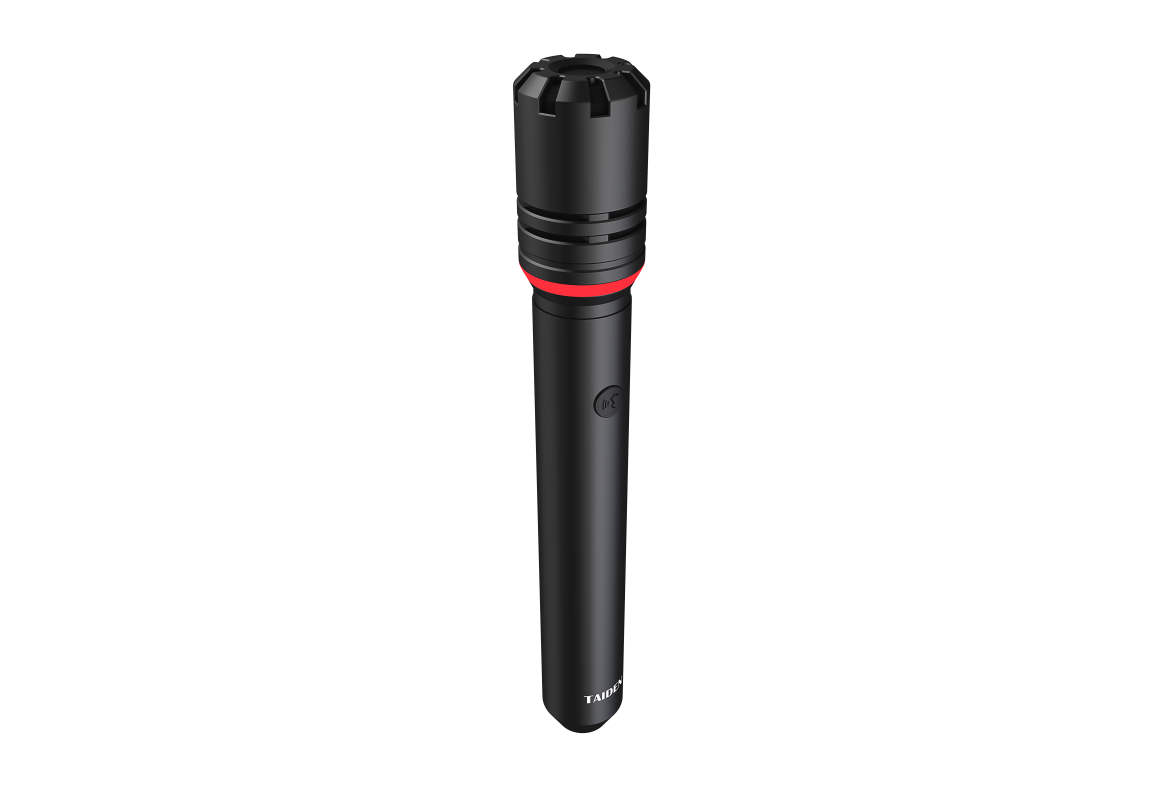
Let’s define the core: mics capture, DSP shapes, AEC removes echo, and the network carries the stream. Simple, right? Not quite. One weak link—poor SNR, sloppy gating, or jitter—breaks the flow. The goal is not “louder.” It’s “intelligible, local, and stable.” (Different beast.) We’ll unpack where traditional setups falter and how to think ahead, not just turn knobs. Onward to the root causes.
Part 2: Hidden Friction in “Good Enough” Installations
What’s really breaking behind the scenes?
Most rooms don’t fail spectacularly; they fail quietly. Ceiling arrays promise “set and forget,” but beamforming without context can chase the wrong talker. Auto-gain control pumps the noise floor when speakers pause—funny how that works, right? Network audio is great, until Dante traffic shares a congested switch and introduces bursty latency. And AEC only shines when reference signals match the loudspeakers in use; mismatch it, and echo lingers like a stubborn guest. Look, it’s simpler than you think: when the chain is blind to room behavior, you get a clean graph and a muddy meeting.
Users feel this as fatigue, not failure. People lean in, repeat themselves, and stop jumping in. Side conversations get lost because gates close too fast. Meanwhile, standardized presets ignore table size, device spill, and chair spacing. Even power matters: PoE budgets run tight, and cheap inline power converters add hiss or hum. The result? Slower decisions, unequal voice presence, and a fragile hybrid experience. If the system can’t model speakers, seats, and sound paths, no polish fixes the core. The pain is subtle, but it compounds.
Part 3: A Forward Look at Smarter Sound Paths
What’s Next
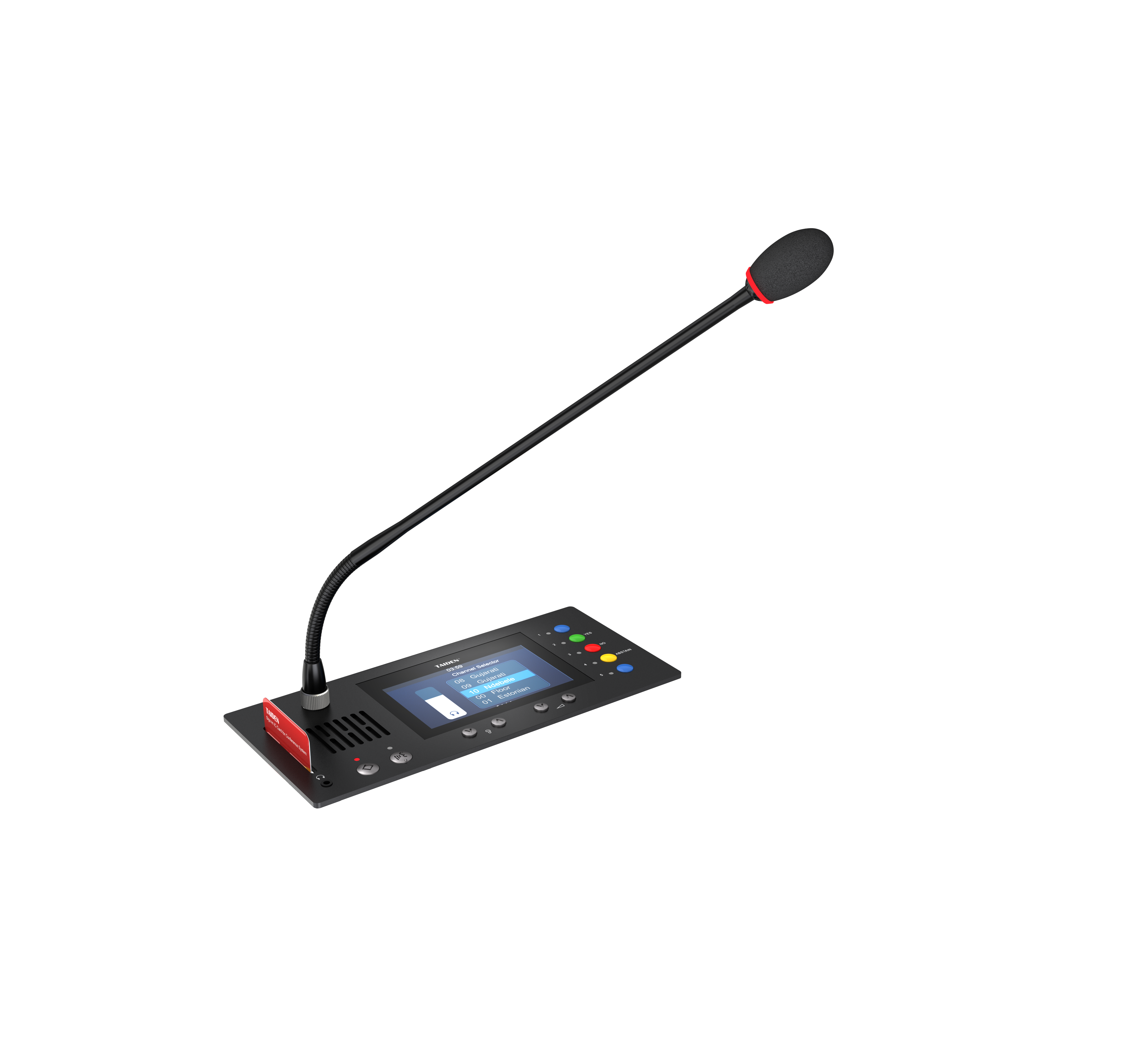
The new playbook starts at the edge. Modern mics host small edge computing nodes that learn the room over time. Think adaptive beamforming that maps seats, not just angles. Local DSP handles pre-mix cleanup—noise suppression, dereverberation, and talker detection—before the signal hits the switch. Neural AEC aligns to the actual loudspeaker feed, not a generic reference. Auto-mixers stop guessing and weigh “intent,” prioritizing onset cues and consistent sources. Even a role device, like a chairman unit, can feed metadata so the system promotes the right channel during votes or agenda shifts. Short version: more context, less guesswork.
Comparatively, legacy chains chase artifacts; intelligent chains model behavior. Old installs fought noise. New systems reduce uncertainty. They track SNR changes as people move chairs, watch jitter at the switch, and apply scene-aware presets. Integration stays sane too—Dante for transport, with smarter QoS, and firmware that reports when ceiling resonance drifts after a layout change. Yes, even hardware hygiene matters: shielded cabling, clean PoE, and verified power converters help the logic stay honest. It’s not about bigger specs. It’s about systems that understand meetings (and adjust midstream).
Closing: Choose with Clarity, Measure with Intent
Here’s a simple way to evaluate solutions, minus the guesswork. First, verification depth: can you see and log per-seat SNR, gate states, and AEC convergence in real time? Second, adaptability score: does the system learn the room—positions, roles, and noise patterns—and adjust beamforming and auto-mix rules without tech intervention? Third, network resilience: under load, does latency stay stable, and can the system self-diagnose jitter, clock drift, and packet loss? Meet these three, and meetings move faster, with fewer repeats and more equal voices. Keep it practical, keep it measurable, and let the room guide the design. For a deeper dive into integrated conference systems and role-aware devices, you can review brands like TAIDEN.