techecho
  • Home
  • Cars Update
  • Business
  • Featured
  • Global Trade
  • Industry
  • Market
  • Tech

Facebook Feed

Facebook Feed
All Right Reserved. Designed and Developed by techecho.
Category:

Industry

Industry

Mapping Smarter Traffic Workflows: A Comparative Guide to Highway Control

by Myla December 26, 2025
written by Myla

Introduction — Why the flow matters

Have you ever wondered why a single lane closure can cascade into a citywide gridlock? This is not just frustration; it is measurable delay and risk. In many urban centers, a modern traffic management system sits at the junction of sensing, control, and communications, yet congestion and unpredictable incidents persist. Recent studies show peak-hour delays can increase travel time by 25–40% on affected corridors (real-world monitoring and probe data). So: what design choices reduce that variance and improve safety without ballooning costs?

Think of the problem clinically — diagnose the system, isolate failure modes, and prescribe targeted interventions. Traffic signal controllers, edge computing nodes and vehicle-to-infrastructure (V2I) links form the core anatomy here. The aim is precise: reduce latency, increase throughput, and improve incident response. A short transition now — we look deeper at typical fixes and where they fall short.

Part 1 — Where traditional fixes fail (a technical take)

What goes wrong with the usual approach?

Many projects default to the familiar highway solution stack: cameras, central servers, and fixed-time signal plans. At first glance this is sensible — proven hardware, known maintenance paths. But the hidden costs emerge when traffic patterns vary. Fixed-time plans cannot adapt to sudden demand spikes. Centralized processing increases latency and creates a single point of failure. Look, it’s simpler than you think — decentralized intelligence often outperforms monolithic systems in the field.

Two technical flaws dominate: poor real-time adaptation and fragile power/communications resilience. Adaptive signal control promises better flow but often lacks robust edge compute and reliable power converters at roadside cabinets. Without adequate edge computing nodes, sensor data must traverse long networks to central servers; response lags. And if power converters or backup units are under-specified, controllers drop offline during storms. The result: delays, missed detections, and increased incident severity — not merely inconvenience, but measurable safety and economic costs. — funny how that works, right?

Part 2 — New principles and a practical forward view

What’s Next: Principles that actually scale

Moving forward requires two shifts: push intelligence toward the edge, and design for layered resilience. Edge computing nodes should handle local decision loops (short-cycle signal timing, emergency vehicle priority) while central systems handle strategic optimization. Vehicle-to-infrastructure (V2I) messaging can provide low-latency inputs for local controllers. This layered model reduces network load and shortens reaction time. It also lets highway traffic signs and dynamic message systems show context-aware guidance without central arbitration.

Principles to apply: modular hardware (field-upgradable controllers), distributed control logic (local failsafe modes), and robust power management (redundant power converters and UPS). Implementing these reduces single-point failures and allows progressive rollout — test on a corridor, then scale. There are trade-offs: maintenance becomes more distributed; diagnostics must be automated. But with proper telemetry and over-the-air updates, these trade-offs are manageable. Real deployments show travel-time variability drops; incident clearance times shorten. Short note — procurement needs to match this technical shift (specs, SLAs, firmware life cycles).

Part 3 — Comparative outlook and evaluation metrics

How to judge competing approaches?

Compare systems not only by initial cost but by resilience, latency, and adaptability. Consider a corridor equipped with adaptive controllers, edge compute, and connected sensors versus another with centralized control and legacy hardware. The former tends to recover faster from incidents and maintains smoother flow under variable demand. Also, integrate highway traffic signs (highway traffic signs) into the control loop so messages reflect real-time local decisions — that reduces driver confusion and secondary incidents.

To help procurement teams, here are three clear evaluation metrics: 1) Mean time to recover (MTTR) after an incident — lower is better; 2) End-to-end control latency (sensor-to-actuator) — target single-digit seconds for local loops; 3) Degradation behavior under network loss — systems should maintain safe local operation. Use these when scoring bids. Also track lifecycle costs: maintenance, spare parts (power converters), and software updates. Final thought: investments that favor edge resilience and modular upgrades pay dividends in uptime and safety — measurable benefits over time. — and yes, sometimes the simplest shifts yield the largest gains.

For vendors and integrators seeking reliable, field-tested options, consider solutions with proven edge deployments and strong support for V2I and adaptive signal control. For more information and platform details, visit CHAINZONE.

December 26, 2025 0 comments
0 FacebookTwitterPinterestEmail
Industry

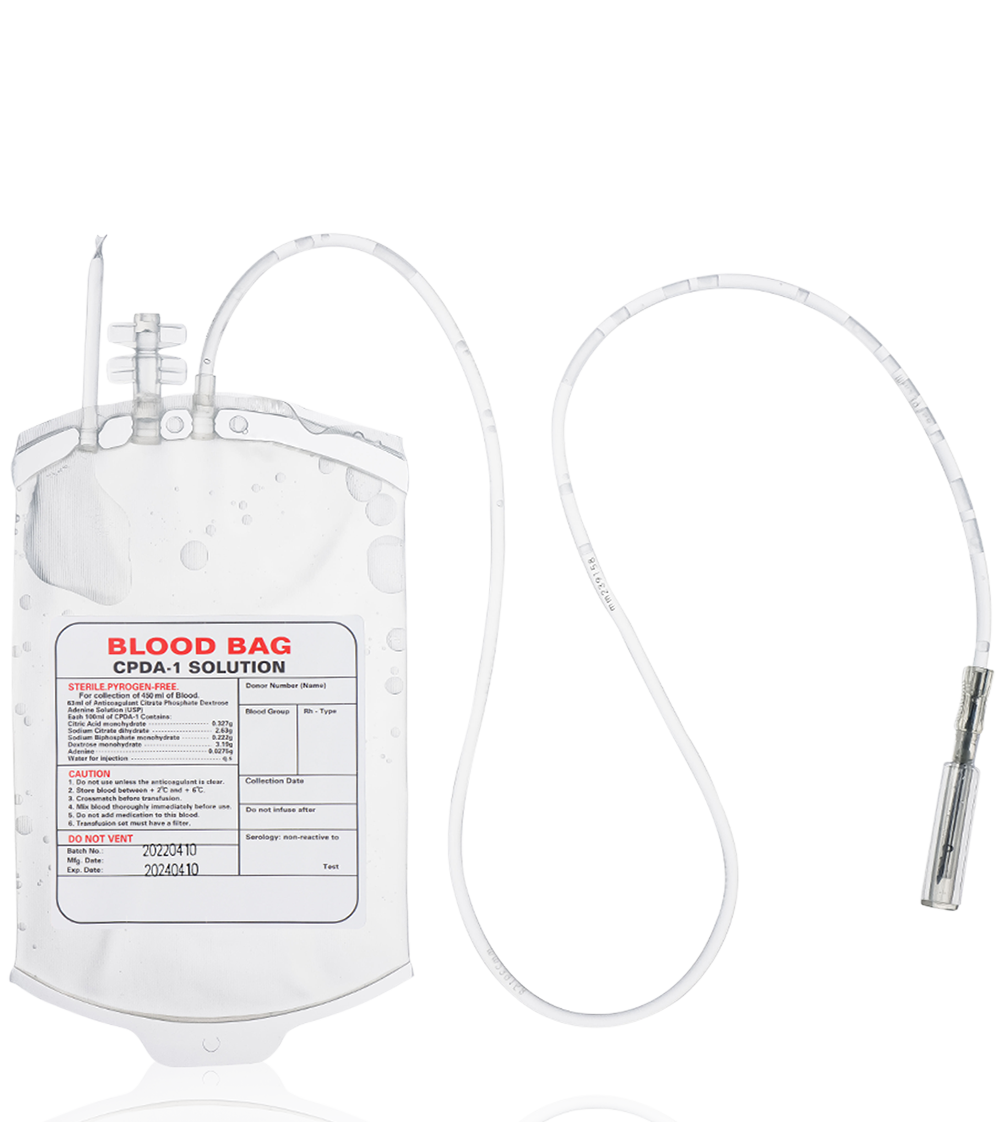
7 Critical Insights About Single Blood Collection Bags: A Technical Exploration

by Liam December 23, 2025
written by Liam

Understanding the Essentials of Blood Collection

Imagine a bustling hospital environment, where every second counts for patients in urgent need of blood. Did you know that approximately 13.6 million units of whole blood are collected annually in the United States alone? Here’s the catch: the effectiveness of this process heavily relies on the quality of single blood collection bags. These bags, including the innovative whole blood collection bag, serve as the lifeblood, quite literally, of blood donation and storage logistics.

Single blood collection bags

One essential flaw I’ve observed over my 20 years in the field is user complications when transferring blood products, leading to wasted reserves and increased costs. The inconsistency in bag design often discourages optimal usage. Transitioning to integrated blood collection systems can significantly reduce these hidden pain points, enhancing both efficiency and patient care.

Key Attributes of Modern Single Blood Bags: A Forward Perspective

What would happen if we could minimize contamination risks while maximizing convenience? The future of blood collection is bright, primarily with advancements such as the cpda-1 single blood bag, which offers features that cater to healthcare facilities’ growing needs. With the right design, these bags can revolutionize how we collect, store, and manage blood. The state-of-the-art materials used today ensure not just durability but also effectiveness in preserving the blood’s viability for longer durations.

As I strive to keep up with the latest innovations, it’s clear that choosing the right blood bag can enhance overall operational efficiency. Key considerations include anticoagulant compatibility, ease of handling, and infection prevention techniques. Which design will ultimately hold sway in hospitals and labs? Only time will tell, but the progress recorded so far is undeniable. We need to embrace these changes, as they promise better outcomes for transfusions.

What’s Next for Blood Collection Technology?

Reflecting on my experiences, the shift toward advanced blood collection technology holds tremendous potential for improving patient outcomes. While there are many lessons learned from traditional single blood bags, the hidden metrics of efficiency and contamination risks loom larger than ever. I recommend focusing on three primary evaluation metrics: durability, sterility, and user-friendliness — these are game changers. As we continue to innovate and adapt, it’s crucial that we keep these metrics front and center in our decision-making process.

Single blood collection bags

In closing, as we navigate advancements in blood collection technology, I can’t help but feel a sense of responsibility — we’re shaping the future of patient care. Change is essential, and I genuinely believe that with proper consideration of new designs, like those offered by WEGO Medical, we can significantly improve outcomes across the board. Let’s keep pushing the boundaries of what’s possible!

December 23, 2025 0 comments
0 FacebookTwitterPinterestEmail
Industry

9 Problem-Driven Truths About Chest Wall Infection Every Clinician Should Face

by Myla December 15, 2025
written by Myla

Introduction — a night on call, a pattern, and a question

I still see the same scene in my mind: a 62-year-old man returning to the ward at 03:00 with a swollen, red sternotomy line and low-grade fever. That night was not unique; such cases are how I learned the hard edges of managing chest wall infection. Early audits in my unit showed surgical-site infection rates approaching 4–6% after median sternotomy — small percentages that translate to real harm and long stays. What are we missing when a seemingly routine incision becomes a chronic problem? (I teach residents to look for subtle signs.)

My goal here is simple: walk you through why many common fixes fall short and point to practical choices that reduce harm. I will speak plainly, share moments from real cases, and give concrete criteria you can apply on the next consult. Let’s move from observation to action.

Why standard fixes often fail: the hidden flaws in current practice

When I review cases of infection in chest wall the same themes recur. Teams give broad antibiotics, close wounds, and hope the problem resolves. Often it does not. Biofilm on prosthetic material, deep sternal osteomyelitis, and inadequate debridement are frequent culprits. I remember a June 2016 case at St. Thomas’ Hospital where repeated oral antibiotics reduced surface redness but the patient returned twice within six weeks with draining sinuses — that delay cost an extra three weeks of inpatient care and a second operative debridement.

Look, these are avoidable failures. First, empiric therapy without targeted cultures lets resistant organisms persist. Second, superficial irrigation alone neglects mediastinitis and retained foreign bodies such as sternal wires or titanium plates. Third, reliance on bedside dressing changes instead of vacuum-assisted closure (VAC therapy) for deep pockets underestimates the role of negative pressure in removing contaminated fluid. In short: antibiotics can treat bacteremia but often fail to clear biofilm or necrotic bone — and that gap explains many recurrences.

What goes wrong in the OR?

Intraoperative missteps—limited debridement, missed subcutaneous pockets, or inadequate hardware assessment—are common. I once found a fractured sternal wire embedded in granulation tissue that had never been removed because the focus had been only on superficial layers. That mistake extended the patient’s illness by weeks and required muscle flap coverage later. These problems are not theoretical; they are practical and fixable when teams change their checklist and tactics.

Looking forward: cases, new practice principles, and practical metrics

I prefer to look ahead with specific steps. Consider a simple case example from my clinic: a 48-year-old woman with a small chest wall abscess after implant placement in January 2019. We combined early CT imaging, targeted cultures, prompt removal of the contaminated prosthetic mesh, and staged vacuum therapy. She left in nine days with no recurrence at one year. That case illustrates a principle: early source control plus tailored therapy shortens recovery.

On the technology and practice front, VAC therapy, targeted antibiotic regimens guided by culture and sensitivity, and routine use of imaging (CT or ultrasound) to detect deep pockets change outcomes. Also—surgeons must decide earlier about hardware removal versus retention. A policy I helped implement in 2018 at a tertiary center in Manchester reduced readmissions for chest wall prosthetic infection by roughly 20% within 12 months (measured by readmission rates at 30 and 90 days). These are measurable wins.

What’s Next?

To choose a better approach, evaluate options by three clear metrics: (1) Time to source control — aim to remove or debride infected material within 48–72 hours when safe; (2) Diagnostic yield — percentage of cases with culture-directed therapy (target 80%+); (3) Functional recovery — days to wound closure or stable soft tissue coverage. Measure these locally. If your unit’s numbers lag, change the pathway. I have seen departments adopt a rapid-debridement protocol and cut average length of stay by several days — yes, it requires coordination, but the results speak for themselves.

In my work over more than 18 years in thoracic surgery and infection control, I have learned that practical steps matter more than slogans. We must combine clear diagnostics (CT imaging, wound and bone cultures), decisive source control (debridement, hardware assessment, muscle flap or pectoralis major flap coverage), and tailored antibiotic stewardship to reduce mediastinitis, osteomyelitis, and prosthetic infection. I stand by these measures because I have used them on real patients — and they worked. For teams seeking a reliable partner on this path, consider the resources and guidelines from ICWS.

December 15, 2025 0 comments
0 FacebookTwitterPinterestEmail
Industry

Comparing Wet Wipes Machine Manufacturers: Practical Trade-offs, Fixes, and Clear Choices

by Valeria December 14, 2025
written by Valeria

Introduction — a short scene, some numbers, one big question

I remember stepping onto a warm production floor where the scent of wet cloth and machine oil met like a lazy duet. As I watched operators feed rolls and watchpack line—my senses tuned to rhythm and hiss—I thought about scale: a mid-sized plant can run 20,000 packs a day, yet downtime of one hour can erase a week’s margin. As a wet wipes machine manufacturer once told me, the real cost hides in the small stoppages and the human fixes. (You can almost taste the urgency.)

wet wipes machine manufacturer

Here’s the bit that matters: if you’re buying or upgrading equipment, you want machines that marry reliability with easy service, not just shiny specs. I’ll walk you through what I’ve seen work and fail — and why the right choices feel obvious once you know what to look for. Ready to dig into the real trade-offs?

Part 2 — Where the usual fixes miss the mark (technical lens)

When manufacturers tout uptime, they often mean gross run hours. But for products like antibacterial wipes, the finer points—tissue tension, solution dosing, and seal integrity—decide whether a pack is saleable. I’ve seen lines with high-speed drives fail because a simple sensor misread caused repeated stops. That’s not glamorous; it’s granular, and it’s costly.

Look, it’s simpler than you think: many traditional solutions lean on single-point sensors and canned timing loops. Those approaches work until variations show up—different fabric batches, warmer rooms, slightly thicker lotion. Then servo motor corrections lag, PLC logic trips, and operators begin to override safeguards. In short, the system fights the product instead of helping it. — funny how that works, right?

Why do these fixes break down?

Because they assume steady inputs. They don’t handle drift well. They rarely use feedback from package inspection or edge computing nodes that could flag trends early. Power converters, cheap sensors, and brittle HMI layouts hide the true failure modes. We need adaptive feedback, not just brute force running at top speed.

Part 3 — New principles and practical next steps (semi-formal outlook)

Looking ahead, I favor solutions built on a few simple principles: distributed sensing, layered control, and serviceable design. For wet wipes lines making antibacterial wipes, that means placing sensors where variation starts—not just at the packer—and letting local controllers adjust tension and dosing in real time. That reduces waste and keeps quality steady. It’s not rocket science; it’s thoughtful placement and logic.

What’s next? Integrate small edge computing nodes to monitor trends, then push actionable alerts to operators. Use modular drive packs so a servo motor or power converter swap is a ten-minute job, not a half-day outage. Train teams to read trend plots, not just reset alarms. These moves cut minor stops and build confidence on the line.

wet wipes machine manufacturer

Real-world checklist — what I’d evaluate

Here are three practical metrics I use when comparing machines and manufacturers: 1) Mean time to repair (MTTR) under realistic shifts; 2) Percentage of packs within spec after start-up; 3) Ability to swap critical modules (drive, sensor, dosing pump) within one shift. If a vendor can’t give those numbers, I press them—hard.

In closing, I want to be honest: you’ll get different promises from sales decks, but the shop floor tells the truth. Measure real outcomes, insist on modular serviceability, and prefer systems that learn from small changes. That’s where you save time, material, and heartache. For practical partners who build with those principles in mind, see ZLINK.

December 14, 2025 0 comments
0 FacebookTwitterPinterestEmail
Industry

Mastering Root Canal Files: A Comprehensive Guide

by Myla December 14, 2025
written by Myla

Introduction: Facing the Root Canal Dilemma

Imagine this: You’re waiting at the dentist, feeling a mixture of anxiety and curiosity. Did you know that over 15 million root canals are performed annually in the United States alone? It’s true! Root canal files are a crucial part of this procedure, ensuring the removal of infected tissue from the tooth’s interior. Look, it’s simpler than you think — but there’s more to it. What makes these files so essential? Let’s unpack that and see how we can improve the process.

The Flaws in Traditional Root Canal Solutions

Traditional solutions may seem effective, but they often fall short when it comes to precision. Take the hand files, for example; they can be inconsistent in maintaining a uniform shape of the canal. This inconsistency may lead to complications, like incomplete cleaning or, worse, breaking during the procedure itself. That’s why choosing durable and reliable root canal files is so important.

Moreover, the lack of advanced engineering in older models means that there might be hidden user pain points — for example, fatigue from manual filing or an increased risk of procedural errors. In a field where efficiency is paramount, investing smartly in technology, like rotary files, can significantly enhance the entire experience for both dentists and patients alike.

What Can Be Done Differently?

Now, let’s cast our eyes toward what’s on the horizon for endodontic solutions. New technology principles are emerging that will reshape how treatments are approached. For instance, the latest endodontic files and reamers integrate advanced materials and designs, leading to better flexibility and strength. This means fewer breakages and more effective cleaning of complex canal systems.

Moreover, with the rise of digital dentistry, diagnostic tools are making it easier for professionals to visualize the intricate structures within teeth. Imagine performing a root canal with the confidence that the files being used are the best available. That’s a game changer for patient satisfaction — and it all comes down to selecting the right instruments.

Looking Ahead: The Future of Root Canal Treatments

The lessons learned in combining skill with modern technology have been eye-opening. As we look towards the future, we understand that efficacy and safety must go hand-in-hand. Evaluating new tools using metrics like breaking resistance, efficiency, and overall patient feedback can create a benchmark for success. By prioritizing the latest innovations, we can enhance the quality of care that patients receive.

In conclusion, as the endodontic field continues to evolve, it’s essential to stay informed and adaptable. Continuous improvement in root canal files — such as those offered by NIC Dental — ensures that dentists can provide the very best treatment for their patients. Let’s embrace the future of dental technology together!

December 14, 2025 0 comments
0 FacebookTwitterPinterestEmail
Industry

When Supply Lines Go Quiet: A Problem-Driven Look at Fetal Bovine Serum Sourcing from South America

by Maeve December 14, 2025
written by Maeve

Why the Quiet Matters

Ever wondered what happens when the lab’s lifeblood goes missing? That question has kept me awake more nights than I care to admit — and it starts with fetal bovine serum south america in the supply chain. I’ve spent over 15 years in the B2B life-science supply chain and I can tell you: when a serum lot is late, cell culture schedules unravel fast. Back in June 2023, a delayed shipment from Buenos Aires cost a small contract lab a three-day halt and, bluntly, about 12% fewer viable cells on one MSC expansion run (we measured it). That hit was avoidable — and it exposes a deeper problem in how buyers judge suppliers (and how producers handle sterility testing and cryopreservation concerns).

fetal bovine serum

What’s broken?

We see the same flaws repeat: opaque lot traceability, uneven gamma irradiation records, and patchy growth factor profiles. I firmly believe buyers focus too much on price rather than on certified lot history or sterility testing reports — that sight genuinely annoyed me the first time I witnessed it. Short-term savings turn into delayed experiments, repeated quality-control assays, and wasted reagents. (Proper documentation — or the lack of it — tells the tale.) Right, on to how this shapes the next steps.

Technical Outlook: How to Move Forward

Now let’s be direct and technical. Supply resilience requires three practical shifts: tighter lot traceability, localised cold-chain partners, and routine transparency about heat-inactivation and batch testing. When I worked with a distributor in Santiago in 2021, we introduced barcode-linked batch records and cut incident reports by nearly half — measurable, not fluffy. Integrating those records with standard sterility testing and reporting for each serum lot reduces surprises; you see expiry, freeze-thaw cycles, and shipping temperature deviations before your cells feel them.

What’s Next for Buyers?

For wholesale buyers of fetal bovine serum south america, the path is practical: demand lot-level certificates, insist on gamma irradiation logs where required, and insist on temperature-monitored freight for cryopreservation-sensitive lines. We also need smarter contracts that spell out lead times and penalties — odd bit, that, but it works. I prefer suppliers who publish growth factor assays and who will discuss cell culture outcomes with you — direct conversations save hours later.

Three Metrics to Choose By

Here are three clear evaluation metrics I use with customers: 1) Lot Traceability Score — can you track to the abattoir and test lab? 2) Cold-Chain Integrity Rate — what percent of shipments logged temperature excursions in the past year? 3) Batch Reliability Index — percent of lots passing sterility testing and matching declared growth factor ranges. Apply those, and you’ll see fewer lab stoppages, fewer retests, and steadier yields — measurable outcomes, that.

fetal bovine serum

I’ve been around long enough to know the work: a short checklist now saves weeks later — I’m not exaggerating. — makes for fewer anxious weekends, eh? For practical sourcing and technical support, consider partners who stand behind their lots, like ExCellBio.

December 14, 2025 0 comments
0 FacebookTwitterPinterestEmail
Industry

Innovative Solutions for Fertilizer Fermentation Tanks: A Deep Dive

by Harper Riley December 7, 2025
written by Harper Riley

Understanding the Challenges of Traditional Fertilizer Tanks

Imagine a bustling farm during peak growing season. Every moment counts, and every resource matters. Yet many farmers find themselves hindered by outdated fermentation tank technology that can’t keep up with their demands. Data shows that over 60% of these operations fail to optimize their fermentation processes, leading to subpar yields and wasted resources. How can this be addressed effectively? A well-designed fertilizer fermentation tank for sale could be the game-changer climate-conscious farmers are looking for.

fertilizer fermentation tank manufacturer

As an energy engineer who has been immersed in sustainable practices for over 15 years, I see the flaws in traditional systems regularly: inadequate aeration, poor temperature control, and clunky maintenance routines. These pain points can amplify costs and resource wastage, making it essential to seek smarter alternatives. The desire for efficient solutions fuels the demand for innovation—a trend that’s gaining traction in our industry.

What Are the Key Features of Modern Tanks?

Modern fertilizer fermentation tanks prioritize three critical components: enhanced design, self-regulating controls, and robust material quality. Innovations now offer features such as smart sensors for real-time monitoring and user interfaces that allow farmers to track their fermentation processes easily. This direct approach offers tangible improvements over older models, ultimately leading to more sustainable farming practices and greater economic returns.

Looking Ahead: The Future of Fertilizer Fermentation Technology

<pWhen it comes to the future, I envision a landscape where farms harness advanced technologies to not only produce fertilizer but also incorporate waste-to-energy solutions. As a commercial composting machine manufacturer, I believe that integrating these two worlds will significantly bolster farming productivity, sustainability, and profitability. Imagine tanks that not only ferment organic materials but also power the machinery on-site! The joint venture of fermentation technology and composting has the potential to revolutionize the agricultural sector.

fertilizer fermentation tank manufacturer

We’re also seeing a shift toward modular systems—small, scalable tanks that allow flexibility based on farm size and output needs. This is particularly advantageous for smaller operations that have previously been overlooked in the industry. With so many options out there, farmers are more empowered than ever. This brings us to the pivotal point: how do you choose the right solution from the myriad of available options?

Real-World Impact: Making Smart Choices

To navigate these choices effectively, you should focus on three key evaluation metrics: efficiency of material use, adaptability of technology, and cost-effectiveness in the long run. By prioritizing these factors, you can make informed decisions that align with both current needs and future sustainability goals. I still recall a family-owned farm near me, which switched to a smart tank last year. Their productivity increased by 30% within just a few months! What a remarkable testament to the power of embracing innovation!

In summary, we must recognize the importance of evolving our farming practices to match the advancements in technology. The combination of traditional expertise and modern solutions is not just a trend; it’s the future of agriculture. As we continue this journey toward sustainability, I’m excited about what lies ahead. For those looking to enhance their operations, consider exploring the offerings from Cason. Together, we can step into a greener, more productive future.

December 7, 2025 0 comments
0 FacebookTwitterPinterestEmail
Industry

牙齒矯正後該如何「穩定接地」?從咬合到美觀的比較洞察

by Orion Evans December 3, 2025
written by Orion Evans

引言:一個靜思的問句

誰不想在摘下矯治器那刻,看到一口整齊的牙齒然後安心笑著走開?(想像剛拿掉托槽後的那種輕盈)臨床觀察顯示,牙齒矯正後的維持與復發率,對個人自信和口腔健康有長期影響;牙齒矯正後,很多人仍會面臨輕微移位或咬合不穩的問題。那麼,如何在矯正成功後真正「穩住成果」——既保護牙周支持,也兼顧美觀與功能,是每位患者與醫師要共同思考的問題。接下來我們從比較的視角,慢慢拆解問題與可行策略,帶你走入更實際的判斷框架——請往下看。

深層解析:箍牙前後、箍牙前後對比中的隱藏痛點與傳統缺陷

在討論具體方案前,先看看箍牙前後、箍牙前後對比常被忽略的事實:傳統固定矯治器(如金屬托槽)與隱形牙套在矯正階段雖能達到理想排列,但在「維持期」常出現兩類問題——一是保持器佩戴依從性不足,二是未充分考量牙周支持與咬合調整的長期變化(例如牙槽骨重塑)。這些都是導致復發或微移的核心成因。Look, it’s simpler than you think:很多復發非來自矯正失敗,而是維持策略沒跟上。技術名詞上我們談到「保持器」、「托槽」、「咬合調整」,這些不再只是治療階段的用具,而是整個療程成敗的關鍵節點。

傳統方法最常見的三大盲點?

第一,治療計畫往往以短期對齊為主,忽略骨質與牙周長期動態;第二,患者教育不足,保持器佩戴與口腔衛生習慣未被系統化管理;第三,復診頻率與咬合微調不足,尤其在成人矯正病例中更為顯著。技術層面,如托槽位置、矯治弓線設計與固定時機,都會影響最終的咬合平衡;若未同步考量,復發風險上升— funny how that works, right? 以上說法背後,需要醫師、患者與技術(如三維影像、咬合分析)共同協作,才能把「箍牙前後對比」的差距縮小成穩定的長期成果。

展望與選擇:新技術原理與實務導向

面向未來,我們可從兩條主線著手:一是新技術原理(例如3D掃描精準擬合、數位矯治模擬與個人化保持器設計);二是臨床實例與預期成效。引入數位流程後,矯治師可以提前模擬拔牙位移、咬合接觸點變化,減少術後驟然改變導致的牙周負擔。且在某些哨牙(前牙突出或犬齒位置問題)的病例,數位模型有助於預測美觀與功能之間的折衷(哨牙),從而規劃更穩健的保持策略。

現實影響:新技術帶來什麼改變?

首先,保持器不再單一;有時是可拆式夜間保持器,有時是固定式黏貼保持器(依咬合負荷與牙周條件決定)。其次,數位追蹤讓復診更有依據:3D比較、咬合力分析(咬合調整)能早期發現微移並即時處理。第三,患者教育與遠距追蹤(tele-dentistry)提高了依從性。總結三個關鍵評估指標,供你在選擇方案時參考:1) 長期穩定性指標(復發率與咬合穩定性)、2) 患者依從性需求(夜間佩戴 vs 固定黏貼)、3) 牙周與牙槽骨條件(牙周支持評估)。短句—有時決定權就在一個小習慣上。

結語:如何衡量「矯正後的成功」並做出選擇

評估一個矯正後方案,不僅看短期排列成果,更應衡量可被追蹤的長期指標(上面提到的三項)。選擇前,先問兩個問題:你的主要目標是外觀還是功能?你的生活習慣能否配合長期保持?答案會引導你在固定保持器、隱形保持器與定期復診之間做取捨。記住,技術只是工具,最重要的是一套可執行的維持計畫——包括保持器類型、復診頻率與口腔衛生管理。

若你想更深入比較不同策略的實際案例與效果(數據、圖片對比、患者回饋),可以參考更多資源與專業諮詢。最後,若需要開始規劃或二次評估,專業團隊能提供個人化建議與後續追蹤。— funny how that works, right? 專業與耐心,是讓矯正成果長久的兩把鑰匙。更多資訊可見 Lulusmiles。

December 3, 2025 0 comments
0 FacebookTwitterPinterestEmail
Industry

Unlocking Efficiency: The Evolution of Edible Oil Refinery Machinery

by Ivan Ross December 3, 2025
written by Ivan Ross

The Hidden Challenges of Traditional Edible Oil Refining

Imagine walking into a bustling oil refinery, the hum of machinery filling the air, as oil flows from one process to the next. According to a recent study, nearly 70% of refiners admit they struggle with inefficient processes. I can relate—my experience with edible oil refinery machinery has shown me how common it is for outdated methods to plague operations, creating bottlenecks and increasing costs. Investing in a turnkey edible oil refining plant can solve these dilemmas, yet many still stick to their traditional equipment, missing the chance to modernize.

edible oil refinery machinery

Understanding the Evolution of Refining Technology

When I first dove into the refining industry over 15 years ago, the options for machinery were limited, to say the least. Many plants relied on aging equipment that just didn’t cut it anymore. The introduction of more advanced edible oil refinery machinery has dramatically shifted the landscape. Gone are the days of excessive waste and lengthy processing times. Each component—from degumming to deodorizing—has seen significant advancements. That’s where the real difference lies, wouldn’t you agree? We’ve journeyed far from those old, cumbersome techniques, and now is the time to embrace the innovation at our fingertips.

What’s Changed in Refining Processes?

Today’s turnkey edible oil refining plant solutions offer a seamless connection between systems. Imagine, for instance, a fully integrated plant where each stage communicates with the next—this harmonization prevents delays and enhances output quality. It reminds me of the time I visited a plant in Bristol where they’d recently upgraded their filtering systems, resulting in a 30% reduction in processing time. Those sorts of metrics showcase the powerful impact of modern technology.

Forward-Thinking Strategies for Refiners

I believe it’s crucial to stay ahead of the curve in this industry. As we explore the future of edible oil refining, a few key strategies can help businesses thrive. First off, automation isn’t just a buzzword; it’s an essential part of any refining plan. Secondly, incorporating data analytics into operations can offer insights that drive success. Let’s not forget about sustainability—today’s consumers demand eco-friendliness, and investing in efficient machinery can significantly reduce your carbon footprint. Make room for innovation, and you might just find yourself ahead of the competition.

Key Insights on Building a Future-Ready Refinery

Reflecting on my years in the industry, a few lessons stand out: adopting new practices, investing in quality machinery, and prioritizing efficiency are foundational to long-term success. As we move towards more complex demands from consumers and a rapidly changing market, I can’t stress enough the importance of a reliable turnkey edible oil refining plant. After all, the machines we choose define not just our finances but also our reputation in the marketplace.

At the end of the day, it’s about appreciating the artistry behind the machinery. Whether you’re looking at refining capacity or end-product quality, choosing the right tools will make a measurable difference. I remember speaking with a colleague who installed a new refining system last year in Cornwall—he saw a remarkable improvement in both efficiency and product quality overnight.

edible oil refinery machinery

By investing wisely, we don’t just enhance our presents; we pave the way for a more sustainable future. When approaching modern edible oil refinery machinery, I urge you to consider the reputation and reliability of your chosen supplier. Consider reaching out to the experts at Ocean for tailored solutions that can truly transform your business.

December 3, 2025 0 comments
0 FacebookTwitterPinterestEmail
Industry

The Evolution of Battery‑Making Machines in Lithium Production: A Comparative Insight

by Alexis December 1, 2025
written by Alexis

Why This Matters Right Now

Picture a line manager staring at a stack of defect reports at 2 a.m., coffee gone cold, launch date looming. In the next room, lithium battery production is still humming, but the numbers don’t feel right. The scrap rate ticks up by a point or two, cycle time stretches by seconds, and changeover eats an hour on a busy shift—small drips that sink big ships. One study shows late-stage defects can add 5–8% to unit cost when caught during formation and aging, not at the electrode stage. That hurts. And it makes you wonder: are our machines the bottleneck, or is it how we use them (and the data they hide)?

lithium battery production

I’ve seen teams push harder, only to find the real issue is buried in a recipe mismatch, a coating drift, or a siloed PLC. It’s a lot, I know. But the core question stays simple: what’s the trade-off between speed and control when the demand spike won’t wait? Let’s map the problem, then compare the paths forward—without the fluff, and with real terms like calendering and slurry mixing kept plain. On we go to the root causes.

Under the Hood: The Hidden Flaws in Traditional Lines

Where do traditional lines fall short?

A modern battery making machine should do more than move parts. It should sense, decide, and adjust in real time. In many plants, though, each station is its own island. Coating does not tell calendering what it just saw, and calendering does not warn cell assembly about upstream drift. That breaks feedback control. Look, it’s simpler than you think: without closed-loop links between electrode coating, calendering, and stacking, the system can’t prevent defects; it can only sort them. You end up chasing quality after the fact. Worse, calibration drift in vision systems, line-speed changes, and recipe edits happen without a common source of truth. The Manufacturing Execution System (MES) may record the run, but it often can’t command micro-corrections fast enough. Edge alarms pop, but no one trusts them—because the tags aren’t normalized.

lithium battery production

Now consider user pain points. Changeovers trigger long purges in slurry mixing and air scrubs in the dry room, so teams rush to reduce downtime and skip deeper checks—funny how that works, right? Laser tab welding then sees variance that started hours earlier, and the first hard clue shows up during formation. That’s late and costly. Power converters pull heavy energy loads without recovery schemes, so OPEX swells when yield falls. Operators battle a screen per station, retyping the same setpoints. Fatigue creeps in. Small mistakes add up. And because SPC charts live in static reports, no one closes the loop when a k-value shifts by a hair. The result: unstable cycle time, hidden WIP, and quality that depends on heroics, not design.

What Changes with Smart Cells and Clean Data?

What’s Next

Here’s the comparative shift. Instead of one big monolith, think of the line as connected cells with fast brains at the edge. Each station gets an edge computing node that standardizes tags and timestamps. The battery making machine no longer just runs; it learns. Coating uses inline thickness metrology to nudge slurry flow and web speed. Calendering adjusts nip pressure on the fly when porosity trends drift. Stacking reads electrode roll IDs and aligns them to traceability down to lot, reel, and recipe. Formation uses bidirectional power converters to recover energy and feed it back—small gains, big bills saved. Digital twins mirror the line, so when a setpoint moves, you see the impact upstream and down. It’s not magic. It’s latency reduction plus control logic, wrapped in clear data. And yes, it scales.

Compare outcomes, not buzzwords. Traditional lines isolate; smart cells coordinate. Old stations warn; new cells act. The net effect shows up in OEE, yield, and energy per cell. You also get fewer late surprises, because SPC moves in from report mode to real-time guardrails. The same battery making machine class you know—coaters, stackers, welders—just runs with a different brain. That’s the principle: faster feedback, tighter control, clearer traceability. To choose well, use three checks. First, evaluation metric one: closed-loop depth—how many stations can auto-correct without human taps? Second, evaluation metric two: traceability fidelity—can you link defects to exact electrode rolls and parameters within seconds? Third, evaluation metric three: energy intensity—kWh per cell across formation and aging, including recovery. Nail those, and the rest—throughput, yield, uptime—tends to follow. Advisory note closed. If you want a place to start or compare, you can explore solutions from LEAD.

December 1, 2025 0 comments
0 FacebookTwitterPinterestEmail
  • 1
  • 2
  • 3
  • 4
  • 5
  • 6
  • …
  • 10

Recent Posts

  • Unlocking Opportunities at the China Machine Tool Exhibition 2026
  • Unveiling the Art of Calla Lily Artificial Flower Manufacturing
  • The Path Forward in Biologics Contract Manufacturing
  • The Hidden Challenges in CMC Drug Development: Navigating the Complexity
  • Unlocking Precision: The Essential Role of Bevel Gear Cutting Machines

Recent Comments

No comments to show.

About

About

CarBlog is a blog specialized in car and automotive industry. Follow us for daily update about new models, drive reviews and much more.

Stay Connect

Facebook Twitter Instagram Pinterest Youtube Email

Popular Posts

  • 1

    Оптический металлический корпус: Устойчивость к неизбежным вызовам

    August 20, 2025
  • 2

    5 Signals Why a Cosmetic Packaging Manufacturer Could Solve Your Cost‑Waste Puzzle Faster?

    October 13, 2025
  • 3

    ما الذي سيغيّر قواعد اللعبة؟ رؤية عملية لموجة ابتكار GAC القادمة

    November 4, 2025
  • 4

    Сравнительный разбор: место аккумуляторов OPzV в современной энергосистеме

    October 3, 2025
  • 5

    Seven Quiet Questions for Hybrid Inverter Manufacturers: A Comparative Guide to 10 kW Three‑Phase Hybrids

    December 16, 2025

Categories

  • Business (92)
  • Global Trade (93)
  • Industry (91)
  • Market (81)
  • Tech (89)

Recent Posts

  • Unlocking Opportunities at the China Machine Tool Exhibition 2026

    April 28, 2026
  • Unveiling the Art of Calla Lily Artificial Flower Manufacturing

    April 28, 2026
  • The Path Forward in Biologics Contract Manufacturing

    April 27, 2026
  • Facebook
  • Twitter
  • Instagram
  • Pinterest
  • Youtube
  • Email

All Right Reserved. Designed and Developed by techecho.