techecho
  • Home
  • Cars Update
  • Business
  • Featured
  • Global Trade
  • Industry
  • Market
  • Tech

Facebook Feed

Facebook Feed
All Right Reserved. Designed and Developed by techecho.
Category:

Tech

Tech

Comparative Insights: 7 Strategic Moves to Optimize Dust and Fume Extraction Systems

by Mia January 1, 2026
written by Mia

Introduction — Why this matters to finance and operations

Have you paused to consider how much invisible waste costs your plant each month? A well-tuned dust and fume extraction system can change the balance sheet: lower downtime, fewer fines, and measurable energy savings. I track CAPEX and OPEX closely, and the math is blunt—poor extraction forces higher maintenance spend and hidden compliance risk (and yes, those fines hurt).

dust and fume extraction system

Recent audits I reviewed show particulate control failures raise operating costs by 8–15% in mid-sized facilities. Given that, what should leaders actually prioritize: upfront filter cost, energy draw, or system resilience? I’ll walk through practical trade-offs and metrics you can use tomorrow to make decisions that move the needle. Let’s start by looking under the hood—what’s failing and why—and then I’ll show how to evaluate options without getting lost in jargon.

Part 2 — The hidden flaws in traditional systems

explosion proof dust collectors are sold as the safety fix, but let me be blunt: many installations still miss the mark. In my experience, legacy baghouse layouts, inconsistent filter media selection, and weak spark arrestor placement cause chronic problems. For example, a baghouse with poor filter media choice can spike pressure drop and push fans to consume more power converters—and that raises OPEX fast. This is not theoretical; I’ve seen teams chase downtime with band-aid fixes instead of addressing root causes.

What exactly goes wrong?

Technically speaking, classic designs often ignore airflow dynamics and ATEX compliance margins. Engineers will specify a collector solely on capacity and ignore how cyclone separator inlet distortions or poorly timed pulse-clean cycles change dust cake behavior. Look, it’s simpler than you think: if the design doesn’t balance pressure drop, fan curves, and filter life, you pay more for less. Also—funny how that works, right?—safety upgrades like explosion venting get tacked on late, increasing retrofit cost and leaving blind spots in the control strategy.

Part 3 — New principles and a path forward

Now imagine a different approach: design from the operating point, not the nameplate. I’m talking about systems that pair smart control with robust mechanical choices. Modern weaves of filter media, modular spark arrestors, and real-time fan control reduce energy use and extend life. In this frame, explosion proof dust collectors are still vital, but they must sit inside a tuned system. We should evaluate how edge computing nodes collect pressure-drop trends, how filter change intervals are predicted, and whether cyclone separators are sized to avoid re-entrainment. These principles cut surprises and improve ROI.

What’s next — measurable and practical

In the near term, pilot a control upgrade and a targeted filter swap in one production line. Compare baseline energy and downtime for 60–90 days. You’ll learn fast. I recommend three key evaluation metrics when comparing vendors and designs: life-cycle cost per kg of captured particulate, mean time between maintenance events (MTBM), and compliance margin against relevant standards. Use those to score proposals. You’ll find some vendors push clever features—edge analytics, modular housings—but unless their MTBM and life-cycle costs improve, don’t be dazzled. I’ve been surprised before—small changes can yield big wins, and sometimes they don’t. — that’s the reality we work with.

In closing, choose solutions that measure what matters. Prioritize systems that lower OPEX, extend filter life, and simplify maintenance. When you vet partners, ask for real data, not models. If you want a practical partner that combines engineering and commercial sense, check out PURE-AIR.

January 1, 2026 0 comments
0 FacebookTwitterPinterestEmail
Tech

8 Sharp Moves to Lift Lithium Battery Output Fast: A Comparative Playbook

by Myla December 30, 2025
written by Myla

Introduction: Train Your Line Like an Athlete

Stop guessing—start gaining minutes per cycle. You’re on the floor at shift change, screens flashing, alarms quiet, but targets still tight. We live in lithium battery production every single day. The clock is real, and so are the numbers: yield stuck at 89%, scrap up 12%, and rework creeping past the safe line. The big question isn’t “Do we work hard?” It’s “Are we training the line to win?” Like a coach, you set pace, you trim drag, you track split times. Calendering pressure, dry-room dew point, and handling speed—small tweaks, big lifts.

lithium battery production

Here’s the kicker: most lines are busy, not faster. They look full, but lag in cycle time—funny how that works, right? The fix starts with a clear plan and clear signals. Think tighter feedback loops, not louder alarms. Think lean moves that stick. You’ve got this (真的). Ready to compare what you’ve got with what you need? Let’s move to the friction that slows teams down and peel it back, layer by layer.

Under the Hood: Where Traditional Setups Fall Short

What’s blocking throughput, really?

Many plants buy great machines, then wire them into old habits. That’s where the drag hides. Even top-tier battery production equipment can underperform if data is late or siloed. A line might run, but it doesn’t learn. Operators chase symptoms, not root causes. Look, it’s simpler than you think: when your MES runs blind to edge computing nodes, you can’t see drift until defects pile up. When SPC is manual, crews react hours late. And when power converters, ovens, and coaters don’t share a clock, you lose cadence. The result is a “good enough” beat that wastes seconds every cycle—and those seconds become days.

There’s more. Traditional commissioning sets fixed limits, then treats alarms as guardrails. But materials vary. Anode slurry thickens. Web tension shifts. If your system can’t auto-adjust calender nip or coating gap in small steps, you burn time on resets. Machine vision often flags defects but doesn’t feed back to the coater to prevent repeats—so scrap repeats. Meanwhile, maintenance stays calendar-based, not condition-based. Bearings heat. Rollers wobble. No one sees it until a jam. Edge alerts and predictive models could stop that. But without connected sensors and a shared model of the line, teams work harder, not smarter—and throughput still plateaus.

lithium battery production

Next-Gen Principles That Change the Pace

What’s Next

Now shift the lens. The next leap comes from principles, not slogans. First, time-sync everything. When battery production equipment shares a common timestamp across coaters, dryers, and slitters, you trace a defect to the exact second and setting. Second, push decisions to the edge. Edge computing nodes can nudge dryer zones, adjust web tension, or trim coater speed before an out-of-spec event grows. Third, fuse vision and action. Let the camera close the loop with the actuator. If a defect pattern shows up, the system dials the parameter back in real time—no chasing ghosts. Keep it simple, but tight. And yes, the line feels calmer when it’s actually faster—funny how that works, right?

There’s also a materials-aware mindset. Tie electrolyte filling, formation cycling, and the early SEI layer to upstream settings. That means the calendering profile and drying curve can shift by recipe and lot. Semi-formal note here: you don’t need a moonshot to start. Pick one cell format, wire your data path, and prove a 2–3% yield lift. Then scale. When choosing paths, use three checks. One, latency to action: can your control loop correct in under a second? Two, transparency: can your team read the model and tune it? Three, stability: does the system hold quality when the dry-room dew point drifts? If all three are solid, you’re on track. Compare that to the old way—hours of manual tweaks—and the gap becomes obvious.

Bottom line: older habits hid the drag; connected principles expose and erase it. Measurable wins look like shorter ramp-up after changeover, fewer micro-stops, and cleaner traceability across lots. Keep the tempo, keep the gains, and choose tools that let your crew coach the process, not chase it. For more context on integrated line choices and real-world configurations, see LEAD.

December 30, 2025 0 comments
0 FacebookTwitterPinterestEmail
Tech

Scaling Outdoor LED Strip Deployments: A Practical Roadmap for Wholesale Buyers

by Jordan Russell December 30, 2025
written by Jordan Russell

Introduction — a grim morning on site

I remember a Saturday in March 2022 when rain leaked into a newly lit canopy and every light went dark. I was managing a delivery of LED strip LED lights and stood under a sagging splice, watching water drip onto exposed solder joints. The client had ordered 1,200 meters of SMD2835 strips for a Shoreditch café, but the installation failed on the first heavy shower — a 35% dropout in zones within 48 hours. What do you do when a simple run of lights becomes your biggest liability? (I still think about that day.)

LED strip LED lights

The scene felt bleak. Streetlights blinked, the canopy looked abandoned, and the promise of an easy retrofit fell apart. I write from over 18 years in commercial lighting supply and distribution, mostly working with wholesale buyers and venue fit-outs. I want to share what went wrong, what we fixed, and how you can avoid the same shock. Let’s move into the root causes and practical checks that stop this from happening again.

Part 2 — Why common fixes fail (hidden pains of outdoor LED lighting)

outdoor LED lights strips often get chosen for price or color options, but the usual shortcuts — thin silicone coatings, poor power converters, rushed terminations — create hidden pain. I’ve seen dozens of runs that looked fine during a dry inspection but failed within weeks because the IP65 rating wasn’t respected at seams. One installer used generic 12V drivers on long runs, and we recorded a voltage drop that dimmed fixtures 20% past 30 meters. That cost the client a lost weekend of business and a replacement bill of £1,400 in parts and labor — a stark, avoidable number.

Look, I don’t relish pointing fingers. But wholesale buyers need hard checks: confirm run length versus voltage drop calculations, enforce PWM dimming compatibility with your controllers, and require soldered seams inside heat-shrink for outdoor runs. I once specified MOSFET-based dimmers for a rooftop bar in Miami on July 2023; the dimming felt smooth and the CRI stayed consistent across zones. Small specs matter. They change failure rates and, yes, profit margins — because when lights fail, replacement shipping and downtime stack up fast.

Why do installers skip these steps?

Two reasons: time pressure and assumptions. Installers assume a silicone coat is enough. Buyers assume IP-ratings are unambiguous. Neither is reliable. I tell you, that was a surprise — and it cost us client trust.

Part 3 — A forward-looking view: new practices and product choices

Moving forward, I center decisions on a few technical principles and concrete examples. First, break runs into shorter segments with local power converters and avoid single long feeds. Second, pick diffusing LED light strips for outdoor facades when visual uniformity matters; diffusing LED light strips reduce hot spots and help hide small variances in SMD spacing. Third, specify drivers that include overcurrent protection and confirm IP68-rated end caps where immersion risk exists.

Case example: in October 2023 I oversaw a mixed-use building façade where we split 600 meters into twenty 30m runs, used IP67 connectors, and placed local 24V power converters every two runs. Result: a 40% drop in service calls over six months compared to the previous setup. The upfront cost rose 12%, but maintenance savings paid back in under five months. That’s the kind of measurable outcome I insist on when quoting projects for wholesale buyers.

Real-world impact

These changes are not theoretical. They reduce callbacks, protect margins, and preserve reputation. They also make installations safer — less heat on long copper traces, fewer overloaded drivers, and fewer corroded connectors. My tone is firm because I’m speaking from repeated fixes on job sites from London to Rotterdam. We learned to prefer full-length silicone extrusion over tape for joints in coastal venues. That small choice stopped recurring corrosion.

LED strip LED lights

Conclusion — three metrics I use when I buy or recommend

I close with three practical evaluation metrics I give to wholesale buyers and installers: 1) Run integrity score — calculate expected voltage drop and limit runs accordingly; 2) Environmental protection index — verify IP rating for every connector, splice, and end cap; 3) Serviceability factor — ensure modular runs and accessible drivers so a single failure doesn’t black out a whole façade. Use those and you’ll see real, countable differences in uptime and cost.

I prefer vendors who publish test data for SMD type, lumen decay over 5,000 hours, and thermal behavior under load. I’ve carried these checks into proposals since 2015 and they’ve cut aftercare calls by nearly half on repeat accounts. If you want a partner that enforces these standards, try talking to LEDIA Lighting — they carry product lines that match the specs I demand. I stand by these steps because I’ve fixed the messes they prevent; that’s worth more than any pitch.

December 30, 2025 0 comments
0 FacebookTwitterPinterestEmail
Tech

The Essential Guide to Navigating the World of 5G ODU Solutions

by Amelia December 29, 2025
written by Amelia

Imagine this: your business doorstep faces constant connectivity issues, impacting communication and operations. Did you know that nearly 50% of businesses struggle with outdoor wireless setups? Enter 5G ODU (Outdoor Unit), a game-changer for those ready to overcome connectivity hurdles. Let’s explore how you can leverage the expertise of a 5g outdoor cpe manufacturer to enhance your wireless experience.

5g odu

Why Traditional Solutions Fall Short

As someone who has been in the industry for over 15 years, I’ve seen countless companies grapple with traditional solutions that simply flop. While many stuck to old school setups, I’ve watched as others adopted new technologies, realizing significant improvements. I vividly recall a client in Lisbon that replaced their outdated system with a modern 5G ODU, leading to a 30% increase in efficiency. Why? It’s clear: higher bandwidth and proper antenna alignment speed up data transmission and boost overall performance. Those old systems? They couldn’t keep up.

Identifying Your Pain Points

I know firsthand that not recognizing hidden challenges can result in often painful trials. Poor signal strength, limited data capacity, and even weather-related disruptions often plague businesses. Have you ever paused to think about how much those interruptions cost you? Unearthing these issues can significantly alter the trajectory of your business. Implementing robust solutions like wholesale 5g outdoor cpe can pave the way for a brighter, more connected future.

What to Expect Next?

Looking forward, it’s all about embracing cutting-edge technology. The evolution of 5G ODUs has been remarkable. They promise enhanced coverage areas and faster processing speeds that are essential in today’s fast-paced environment. Moving beyond just basic connection needs, advancing technologies like beamforming and MIMO are redefining what’s possible. It’s not simply about better performance; it’s about exploring innovative approaches to existing problems.

Key Takeaways for the Future

Reflecting on the past and moving towards the future, I urge you to consider a few essential factors. First, always assess the reliability of the 5G ODU before committing. Next, consistent tech support is indispensable; you want to ensure smooth operations ongoing. Lastly, don’t underestimate the importance of scalability in your choice—what works for today might not suffice tomorrow.

Remember, as technology evolves, so should your systems. A smooth internet connection is a critical backbone to any business. And as I’ve experienced, companies that adapt tend to outperform their competitors by a significant margin. It’s all about staying ahead of the curve!

In conclusion, integrating a 5G outdoor unit opens the door to numerous opportunities for enhancing connectivity, and with brands like Wewins, you’ve got a solid partner to guide you through these advancements. Let’s embrace the possibilities together!

December 29, 2025 0 comments
0 FacebookTwitterPinterestEmail
Tech

How to Capture Reliable Microvascular Maps In Vivo Without Sacrificing Temporal Precision

by Anderson Briella December 27, 2025
written by Anderson Briella

Introduction: defining the capture problem — clearly

I start with a simple clinical scenario: you’re tracking a patient’s cortical blood flow during a procedure and need continuous, real-time measurements (the clock is literal). In vivo imaging sits at the heart of that task — it promises noninvasive monitoring but often delivers noisy, slow, or hard-to-interpret data. Recent lab audits show that up to 30% of time-series data get discarded because of motion or poor contrast; that raises a question I ask myself every time: how do we get true, actionable flow maps without endless post-processing? I’ll break down the core pieces: illumination, detection, and analysis — and then show where common assumptions fail. This sets us up to consider practical alternatives and metrics for evaluation.

in vivo imaging

Why conventional approaches fall short

Right away, I want to point to a specific tool many teams reach for: the laser speckle contrast imaging system. It looks like a neat solution on paper, but in practice we hit predictable limits. Directly: spatial resolution, temporal resolution, and signal-to-noise ratio trade off against each other. Laboratories often tune for one at the expense of the others and then wonder why their perfusion maps are inconsistent. Look, it’s simpler than you think — you can’t push exposure down without boosting photon budget or changing optics, and those choices cascade.

What’s the core issue?

From my bench experience, two recurring flaws are obvious. First, motion artifacts: head movement or breathing corrupts speckle statistics faster than many acquisition pipelines can correct. Second, static assumptions: many processing chains assume stable illumination and linear response, which fails under variable tissue scattering. Those failures show up as flicker, false flow, or blurred vessel borders. I’ve seen teams spend weeks tweaking algorithms when the true bottleneck was a poorly matched camera or suboptimal illumination geometry. And yes — funny how that works, right?

New technology principles and practical evaluation

Moving forward, I prefer to think in terms of principles rather than products. The next wave of improvements comes from embracing three things: adaptive illumination, smarter sampling, and real-time quality metrics. Adaptive illumination means the source and exposure adjust to maintain speckle contrast without saturating the detector. Smarter sampling mixes high-frame bursts with longer integrations to capture both fast hemodynamics and slower baseline shifts. That approach plays well with the laser speckle contrast imaging system concept but pushes its implementation toward better photon budget management and improved temporal fidelity.

What’s Next?

Practically, I’d test systems using three evaluation metrics before deployment: 1) effective temporal resolution under real motion, 2) maintained signal-to-noise ratio across expected tissue scattering, and 3) robustness of spatial resolution across the field of view. Measure these in situ — not just on a phantom — because living tissue and clinical setups reveal hidden pains. For teams choosing a solution, prioritize detectors with fast readout and low read noise, illumination with controllable coherence, and software that reports real-time quality indicators. I recommend this checklist because I’ve watched projects stall when these were overlooked.

in vivo imaging

To close, I’ll be frank: there’s no perfect fix, but better design choices and clear metrics make outcomes repeatable. If you want a practical starting point for testing or to see systems that implement these principles, check out BPLabLine. We owe clinicians reliable maps — and with the right attention to instrumentation and metrics, they are within reach.

December 27, 2025 0 comments
0 FacebookTwitterPinterestEmail
Tech

How to Master Touch‑First Audio Flow in a Paperless Conference System?

by Liam December 21, 2025
written by Liam

Introduction

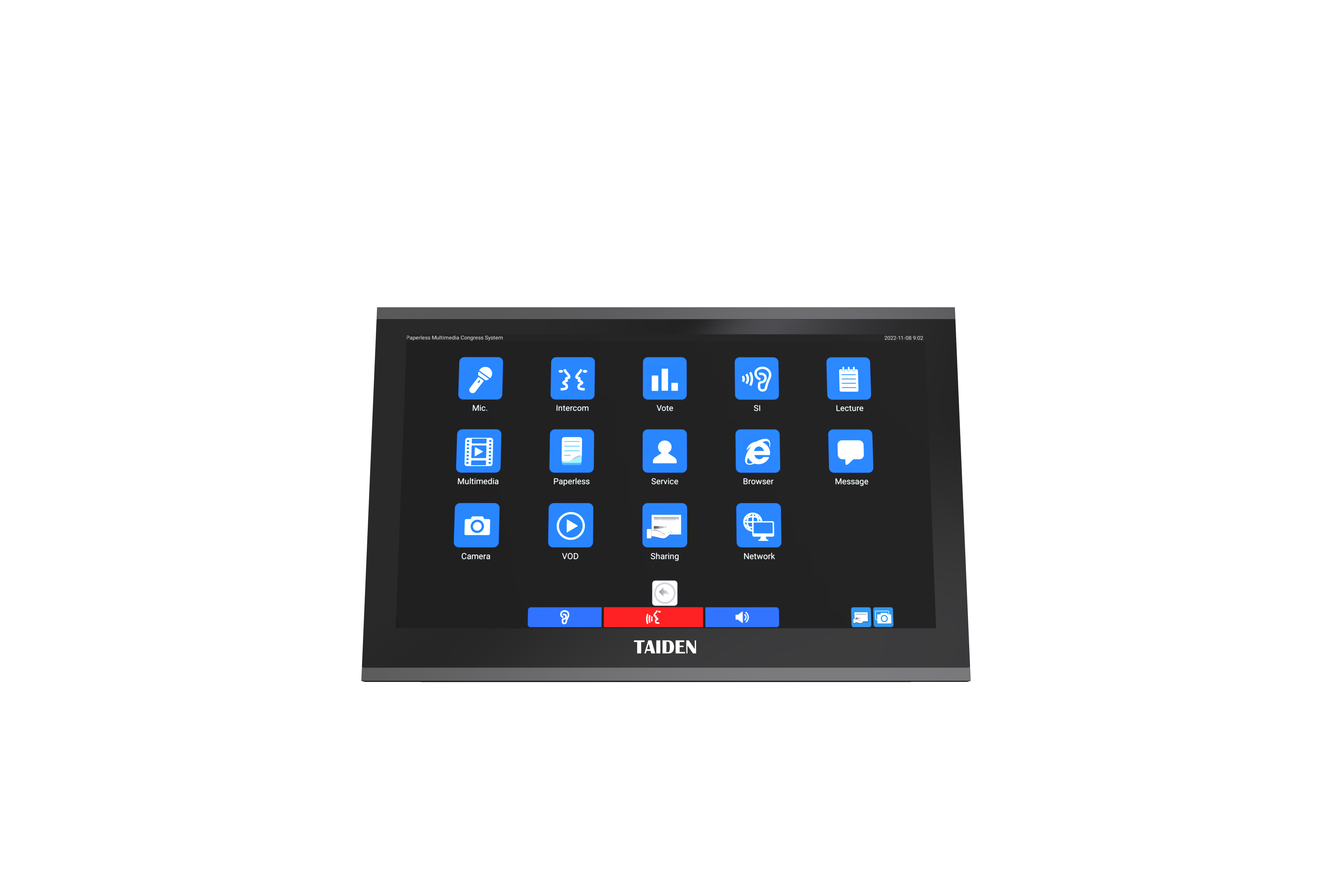
Picture this: a town hall starts on time, every seat has a tablet, and the chair taps “Start” once—no shuffle, no fuss. A paperless conference system makes the room calm and clear, like putting traffic lights on a busy road. Last week, a city clerk told me they saved fifteen minutes per meeting after ditching printouts (that’s a lot over a year). But then a curious thing happened: people could read faster than they could speak, and the audio tools lagged behind. Why do meetings still stall when screens and voices should play nice together? Are we missing a tiny, hidden step that slows the whole group? Let’s move from the scene to the system and see what clicks next—ready?

paperless conference system

Where Old Setups Trip Up: The Hidden Friction of Screened Mics

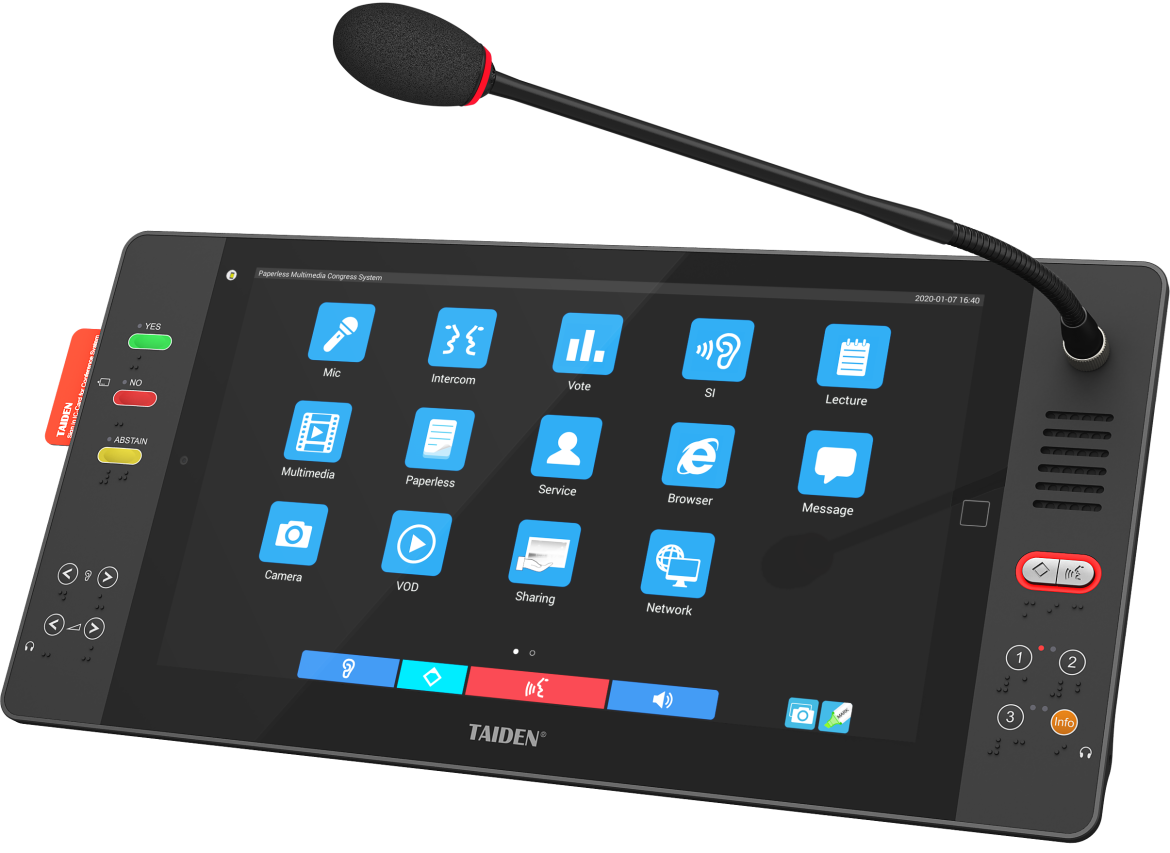
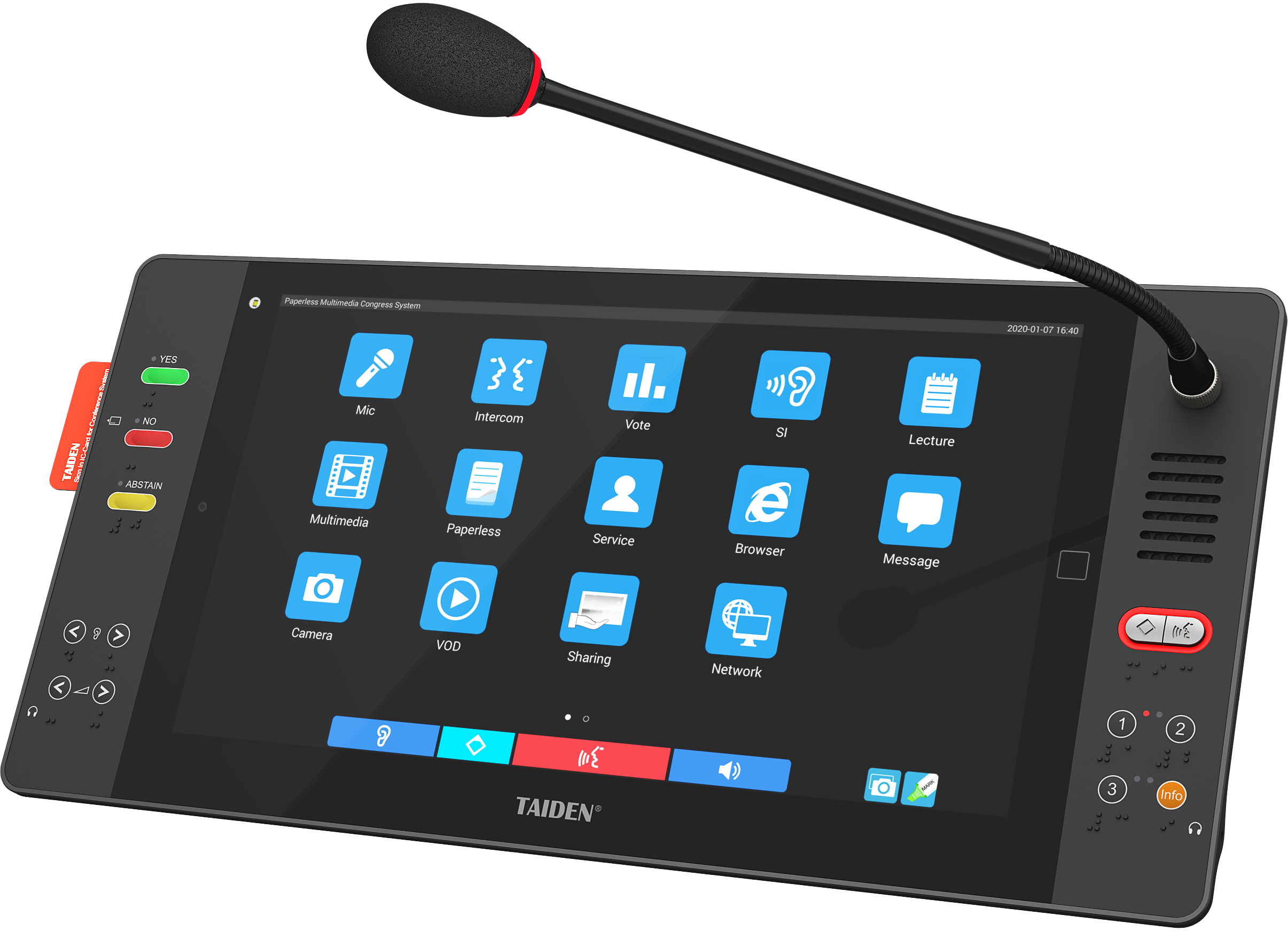
Many rooms now pick a microphone with screen so each delegate can speak and see agenda cues in one place. That sounds perfect, yet classic designs hide small delays. The display waits on the app; the app waits on the network; speech waits on the audio path. Stack those queues and your latency budget gets tight fast. If Quality of Service (QoS) policies are soft, a graphic update can steal time from voice. Add a busy Wi‑Fi band and—funny how that works, right?—the mic feels slow even when it is “online.” Look, it’s simpler than you think: the chain is only as quick as its slowest hop. If the PoE switches shape traffic poorly, or the DSP engine is tuned for fidelity over speed, a chairperson will sense it as hesitation.

paperless conference system

Where does the friction hide?

Two common flaws show up again and again. First, split control planes. Touch prompts ride one route while audio packets ride another, so screens change late and talkers start early. Second, firmware drift. When UI and audio firmware versions differ, echo cancelers and talk rights don’t sync. Result: double‑talk, clipped first words, or missed cues. These are not “big” failures; they are small, repeatable ones that waste minutes. The fix begins with one rule: collapse touch and talk states into a single timeline. Tie the light ring, the nameplate, and the queue logic to the same tick. Then your room stops guessing and starts gliding.

From Friction to Flow: Principles for the Next Wave

Here’s the forward view. New systems push intelligence to the edge so the mic base makes fast choices locally. Think small edge computing nodes inside each unit, with a shared clock and a lean control bus. The screen refresh and the audio gate open on the same beat—no round trips for approval. A modern audio codec with adaptive bitrate keeps voice stable even when the network hiccups, while a local cache holds agenda cards to avoid UI stutter. Now compare this to a traditional tabletop microphone that has no screen: it speaks fine, but it can’t show who’s next or confirm votes without another device. The principle is not “add more features,” but “bind the features to one timing spine.” Use AES‑256 encryption without blowing the latency target by trimming buffer depth and pinning a strict 30 ms end‑to‑end budget. Small change, big feel.

What’s Next

Expect tighter clock sync, smarter power converters, and cue logic that adapts in real time (bursty debate? the queue widens; formal hearing? the queue narrows). In pilots we’ve seen chair prompts and first‑word capture align within a single frame—people stop repeating themselves, and the flow sounds natural. To choose well, keep three checks in mind: measure end‑to‑end delay with UI-to-voice parity, not audio alone; test recovery from a forced network drop to validate the failover path; and log talk rights accuracy across a full session to catch drift before it grows. When these numbers stay steady, meetings feel lighter and shorter—and everyone goes home earlier. That’s the quiet win hiding inside good engineering, and it’s a win you can measure, not just sense. For more on systems built this way, see TAIDEN.

December 21, 2025 0 comments
0 FacebookTwitterPinterestEmail
Tech

3 Counterintuitive Comparisons You Should Make Before Picking a Battery Manufacturing Machine

by Juniper December 19, 2025
written by Juniper

On the Floor: When a Small Drift Becomes a Big Bill

It was a humid midweek night, and the shift lead watched defects creep up, one tray at a time. The battery manufacturing machine kept running, but yield dipped by 2.7% before anyone noticed. That sounds small, but at volume, it meant thousands lost by sunrise. Now imagine facing the manager the next morning (thik cha?). We often blame people or parts. Yet the deeper issue is how we choose machines and what we compare first.

Data points fly around—OEE, scrap rates, energy spikes—but teams still wrestle to link them with real fixes. A calibration slip in calendaring or a short web wander during roll-to-roll coating can snowball. One sensor drifts, then the drying ovens push heat, and power converters draw more than planned. It looks like a maintenance problem. Often, it is a buying problem. Did we match the control logic to our climate, our solvents, our shift pattern? Did we ask how it handles edge cases—literally

So, which comparisons actually help, and which are noise? Let’s step into the details that vendors rarely highlight, then look ahead to where the smarter choices lie.

Hidden Costs Buyers Miss in Li‑ion Lines

Where do tiny losses hide?

A modern lithium ion battery manufacturing machine can hit its nameplate speed and still hurt your cost per cell. Look, it’s simpler than you think. Traditional setups split brains across islands of PLC logic. Vision sits over here, tension control over there, and SPC tags only arrive at the end. When web tension drifts during coating, your anode thickness control reacts late. Then calendaring over-compensates. Later, electrolyte filling sees more variability than the PFMEA predicted—funny how that works, right?

Three pain points keep repeating. First, slow feedback loops: without edge computing nodes near the line, millisecond errors become minute-long defects. Second, brittle changeovers: recipes for new formats live in spreadsheets, not in the MES, so operators hand-key settings and miss a setpoint. Third, blind energy spend: drying ovens and vacuum pumps ramp without granular meters, so you cannot tie kWh to defect spikes in real time. Add them up and you get clean dashboards but dirty outcomes. The machine looks “fast” on paper, yet rework grows and yield slips by a quarter point per shift. That is the gap between control theory and shop reality—and it is where smarter comparisons start.

What’s Next: New Principles to Compare Before You Buy

The shift is clear. Instead of more horsepower, leading lines add better nervous systems. Closed-loop control now pairs laser gauges with coaters to hold thickness and porosity in flight, not after the roll. Machine vision runs on edge computing nodes, so coating defects get flagged in milliseconds, not at end-of-line. Power converters regenerate energy from decel cycles and log it by SKU, giving you true energy per good cell. A digital twin simulates thermal profiles in drying ovens before you touch a button—safer, cleaner, cheaper. In short, the hardware must come with brains that learn your plant, not just a brochure speed line.

And comparisons need to reflect that. Do not just ask for uptime. Ask how the control stack integrates SPC, MES, and maintenance logic without bolt-ons. Check if the battery making machine can run predictive maintenance on critical bearings and vacuum pumps, and if alerts tie to actual recipe steps. See whether the camera pipeline can detect foil wrinkles while tracking tension, not afterward. Different vendors will claim similar speeds. Yet the real edge is how fast the system sees, decides, and corrects—under your solvent mix, your humidity, your shift cadence.

To choose with confidence, use three practical metrics: 1) Closed-loop latency from sensor to actuator, measured in milliseconds at the coil; 2) Energy per good cell, not per hour, with per-step attribution across coating, calendaring, and drying; 3) Traceable yield, where every defect links to a parameter snapshot at the moment it formed. Compare these across pilots, not demos—your floor tells the truth. If you apply that lens, your next line will waste less, learn faster, and scale smoother. For a neutral benchmark list of platforms and controls to explore, a sensible starting point is KATOP.

December 19, 2025 0 comments
0 FacebookTwitterPinterestEmail
Tech

Comparative Insight: Old vs. New for Wet Wipes Machine Manufacturers — What Really Matters

by Mia December 18, 2025
written by Mia

Introduction: A Short Journey, Some Numbers, and a Question

I still remember walking into a small factory in 2016 where every machine seemed to have its own temper (dusty, loud, and stubborn). As a wet wipes machine manufacturer, I’ve seen both the charm and the chaos of aging lines. Data from a recent industry survey showed that plants running legacy equipment report 25–40% higher downtime and 10–20% more material waste than those with modern systems — surprising, but not always obvious at first glance. So what happens when a plant keeps patching old machines instead of upgrading? (Let’s unpack that.)

wet wipes machine manufacturer

We’ll look closely at where things break down and why the decision matters — and I’ll share what I’d ask if I were standing on your production floor. Next, we’ll dig into the technical faults you don’t see until they cost you time and money.

Part 2 — Technical Deep Dive: Why Traditional Lines Fail

wet tissue making machine systems that were state-of-the-art a decade ago now struggle with speed, consistency, and maintenance cost. I’ve watched teams wrestle with worn bearings, misaligned slitting knives, and aging PLC control modules that won’t talk to new sensors. The result? Frequent stoppages and inconsistent sheet quality. Look, it’s simpler than you think: wear plus incompatible electronics equals unpredictability.

What’s the core technical issue?

Mechanically, parts like rollers and the air knife get out of tolerance. Electronically, legacy control schemes—older PLCs, outdated HMI panels—limit integration with modern servo motor drives and power converters. Then there’s the software gap: proprietary code that resists updates. I’ve been in meetings where engineers patch code with duct tape (metaphorically) and call it secure. It isn’t. The hidden costs pile up: extra labor, scrap, and a slow response to market changes. — funny how that works, right?

On top of that, spare parts become scarce. When a supplier stops producing a gearbox or a specific sensor, you face long lead times. I’ve seen production lines down for weeks because a single small part failed. That’s where edge computing nodes and remote diagnostics would help — but old frames often lack the networking backbone to use them. In short: the problems are mechanical, electrical, and digital. They stack, and they multiply.

Part 3 — Forward-Looking Comparison: New Principles and Practical Metrics

Moving forward, I prefer comparing solutions by how they tackle three areas: modular mechanics, open controls, and real-time data. Modern wet tissue making machine designs embrace modular frames so you replace a module rather than rebuild an entire line. They pair standardized servo motors and coherent PLC control architectures with clearer diagnostics. That combo brings repeatable quality and faster changeovers — which matters when you need new SKU flexibility.

Real-world Impact: What to Expect

In a recent retrofit I advised on, the plant reduced changeover time by 40% and cut scrap by nearly half. The secret? Better sensors, simplified HMI, and a service contract that included firmware updates. It wasn’t magic; it was methodical investment in fundamentals. I’m convinced that the right upgrades pay back quickly — but you have to pick what to prioritize.

wet wipes machine manufacturer

Here are three practical metrics I recommend using when you evaluate options:

1) Overall Equipment Effectiveness (OEE) improvement potential — measure historical OEE, then estimate achievable gains with upgrades. 2) Mean Time to Repair (MTTR) and parts availability — seek designs with easy-to-source spares and documented MTTR targets. 3) Integration readiness — can the machine feed data into your MES or cloud analytics? If not, factor in the extra cost of gateways or edge computing nodes.

These checks keep the decision grounded. I’d also ask for case references and remote access options before committing. The landscape keeps shifting, and you don’t want surprises. — funny how that works, right?

If you want practical help putting these metrics into a decision matrix, I’ll walk through one with you. Meanwhile, for solid, industry-ready equipment and service options, consider learning more from ZLINK. I’ve worked with teams who made the switch and never looked back.

December 18, 2025 0 comments
0 FacebookTwitterPinterestEmail
Tech

Where Experts Expect Festival Laser Lights to Go Next: A Comparative Lens

by Alexis December 16, 2025
written by Alexis

Under the Beam: The Quiet Gap No One Sees

Tonight, the sky looks perfect. Festival laser lights slice the fog in clean, bright lines, as if the night itself were mapped with code. But somewhere offstage, a timer slips, a power converter runs hot, and a zone goes dim for ten long seconds—long enough to break the spell. Surveys from production crews put weather, latency, and rig fatigue at the top of show-day risks, scoring higher than “not bright enough.” So the question sharpens: what if brightness has never been the core problem at all, and predictability is? (That’s the piece people don’t talk about.) The crowd only sees the beam; operators see beam divergence, thermal drift, and control jitter. They also see budgets and deadlines. Here is the twist—solving it is less about brute lumens and more about timing, failover, and sensor feedback. Let’s step behind the curtain and look at why some shows hit every beat while others miss the downbeat by a breath. Next, we peel back the older playbook and where it breaks.

festival laser lights

Where Traditional Rigs Falter

Why do good shows still show dark patches?

At modern laser light show events, the weak links are not always visible. Many legacy systems rely on daisy-chained DMX lines, mixed vendor firmware, and separate power converters without health telemetry. When wind shifts haze density, beam divergence widens and the galvo scanners must compensate in real time. Older rigs can’t, or they throttle. Heat builds. Thermal throttling cuts output right when the chorus drops. Look, it’s simpler than you think: if your control loop can’t adjust scan speed and power per zone within milliseconds, your cues desync. And when rain hits, non–IP65 housings fog the optics, then alignment drifts another fraction of a degree. Small numbers, big impact.

Then there’s sync. Audio rides SMPTE; lights ride Art-Net; lasers ride their own timing. Without edge computing nodes close to the fixtures, network jitter adds unpredictable delay—funny how that works, right? Operators overcompensate with safety margins, which makes the show feel slow. Audiences don’t name it, but they feel it. The result: lulls after big drops, stray flares in side zones, safety interlocks triggered by noise instead of actual risk. That’s the deeper pain point from Part 1—predictability, not raw power. The fix needs smarter sensing, tighter control loops, and health data you can act on mid-show.

festival laser lights

Next-Gen Control: Principles That Change the Show

What’s Next

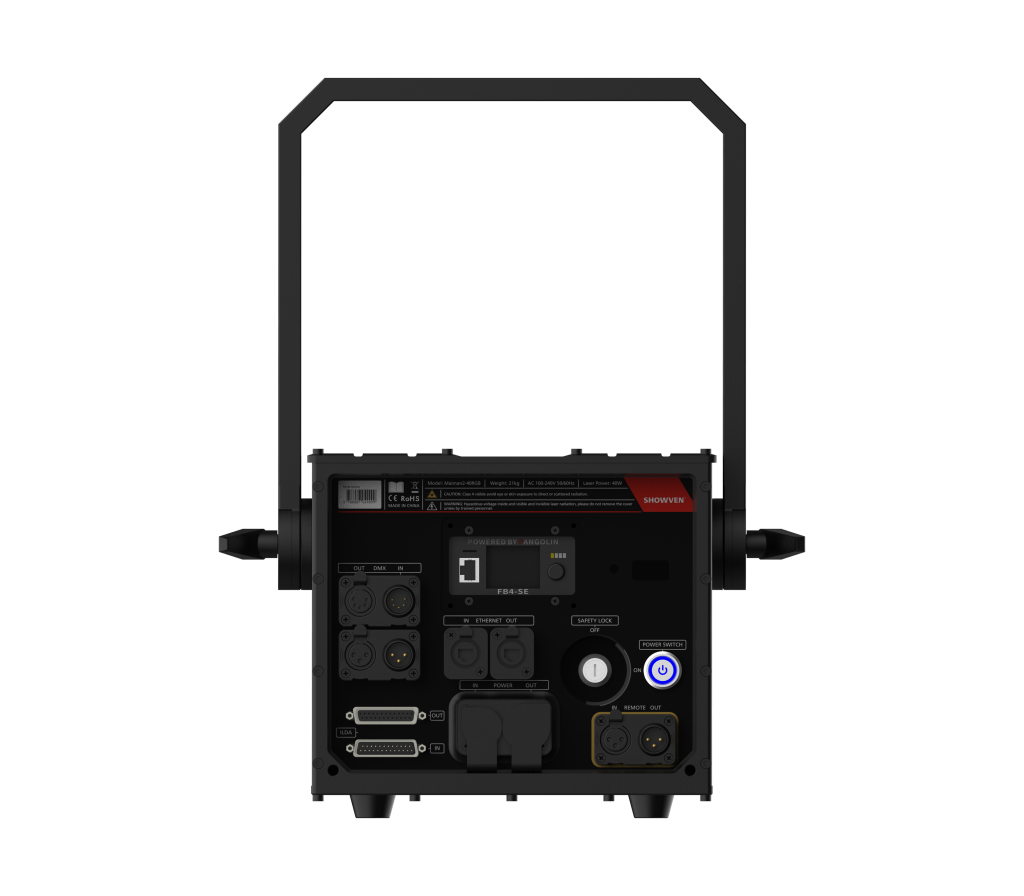
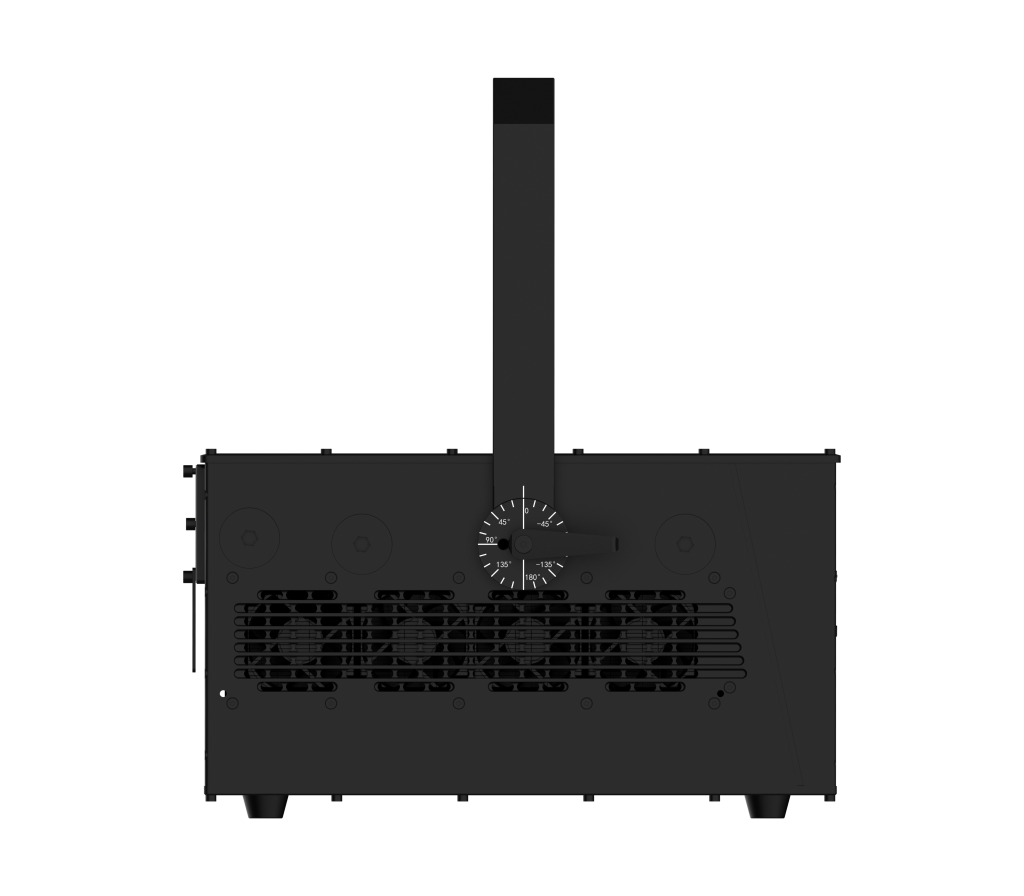
Here’s the forward step. New rigs blend sealed optics, IP65–IP67 builds, and onboard diagnostics with control software that treats lasers like responsive nodes, not dumb endpoints. Instead of one master clock shouting, each head runs a local clock, then time-aligns via PTP over short hops. That shrinks jitter. Edge logic monitors diode temperature, fan RPM, and scanning mirrors, then preempts thermal drift before output sags. Compare that to older designs that react after a cue fails. The difference is clear on windy nights. With adaptive beam shaping and per-fixture power scaling, cues lock even as haze shifts. When paired with waterproof outdoor decorative laser lights​, the optics stay dry, and the alignment holds, so your operators stop chasing ghosts—less panic, more precision.

Real-world impact, near term: fewer safety false positives, tighter transitions, and shorter reset cycles after weather hits. Longer term: fixture networks that learn venue patterns, then pre-tune scan angles by zone. Semi-formal, but simple: sensors feed a model; the model trims output; the show stays crisp. Summing up the earlier sections, the old stack leaned on brightness and hope; the new stack leans on telemetry, sync discipline, and rugged housings. To choose well, use three checks. Advisory close: 1) Timing integrity—measure end-to-end latency and jitter at the fixture, not just the console. 2) Environmental resilience—demand sealed optics, IP ratings, and anti-fog paths you can verify. 3) Predictive health—require live diagnostics for diodes, galvos, and fans, plus alerts you can action in-cue. Quiet wins become visible onstage—because what the audience never notices is the real success. Learn more from the engineers shaping these systems at Showven Laser.

December 16, 2025 0 comments
0 FacebookTwitterPinterestEmail
Tech

Roadmap to Lasting Smiles: A User-Centric Guide to lulusmiles’ Approach

by Mia December 11, 2025
written by Mia

Introduction — a small scene, a surprising number, a big question

I was in a busy café when a friend smiled across the table and I noticed, plain as sunlight on a saucer, how a simple smile can change a room. In that second sentence I’ll mention lulusmiles because they’ve shaped much of what I look for in clear orthodontic care—subtle, confident, and human. Recent surveys suggest a large portion of people (nearly two-thirds in some polls) say straighter teeth improve confidence and social ease; that’s a lot of quiet decisions happening every day. Picture the metallic click of a bracket, the faint mint of toothpaste, the tug of a retainer at night—sensory, immediate. So how do we move from noticing to choosing the right path for a lasting smile? How do we balance comfort, cost, and real clinical outcomes? (I like to frame these choices like recipes: the right ingredients, timed well, make a strong dish.) I’ll walk through what I’ve seen, the missteps people commonly hit, and the smarter signs to watch for next—let’s turn the page and dig into what often goes unseen.

lulusmiles

Part 2 — Where traditional approaches break down (technical lens)

orthodontist hongkong is the conversation starter here — many patients in Hong Kong and beyond go straight for what’s familiar: metal braces, quick fixes, or one-size-fits-all plans. From a clinical angle I’ve watched the same fault lines appear: rigid treatment timelines, inadequate monitoring, and plans that ignore a patient’s daily life. Brackets and wires still work well for certain cases, but they can be heavy-handed for mild to moderate crowding. Occlusion gets treated as a checklist item rather than a living function. The result? Longer treatment time, more discomfort, and sometimes relapse. Look, it’s simpler than you think — precise planning with proper monitoring avoids many of these problems.

I’ll get technical for a moment: without frequent progress checks and proper adjustments, root resorption risk creeps up, and bite problems can persist. Retainers are often treated as optional; they’re not. Patients forget nightly wear, and relapse follows. I’ve seen clinics rely on rigid protocols rather than dynamic feedback. That’s a design flaw: braces and retainers are tools, not guarantees. We need systems that blend biomechanics with patient behavior and follow-up care. — funny how that works, right? My recommendation: ask about monitoring cadence, ask how your provider manages occlusion, and push for a plan that includes long-term retention strategies.

How does this affect you?

If you’re weighing options, think beyond cost and initial speed. Ask specific questions about monitoring, retention, and long-term bite health. Those answers reveal whether a clinic treats you as a one-time case or a long-term partner.

Part 3 — Future outlook: case examples and practical metrics

What’s next? I see two clear directions: smarter remote monitoring and patient-centered treatment plans. Case example: a young professional used clear tracking—photos sent weekly—to halve in-person visits while keeping treatment on schedule. That approach paired clear aligners (aligners) with targeted in-office checks for occlusion and retention. The patient reported less discomfort and stayed engaged with their plan. The technology principle is simple: frequent, low-friction feedback beats infrequent, high-friction visits. It lets clinicians catch deviations early and adjust force application on teeth before problems compound. This reduces risk to root structures and improves outcomes for bite alignment.

Looking ahead, I expect hybrid care—local checks combined with remote monitoring—to become the norm. Providers who adopt clear communication systems, digital scans, and scheduled retention plans will win trust. So how should you evaluate options? I’ll leave you with three practical metrics I use when advising people: 1) Monitoring cadence — how often will you be checked (remotely or in person)? 2) Retention plan clarity — what exactly must you do after active treatment to keep results? 3) Outcome transparency — can the provider show predictable case results and explain trade-offs? Measure those, and you’ll move from guesswork to confidence. I’ve recommended this checklist to friends and patients alike, and it helps cut through the marketing noise. — and yes, real life is messier, but these metrics focus your questions.

In short: think like a patient and ask like a clinician. If you want a helpful starting point, check out how lulusmiles frames monitoring and retention on their platform — I find that clarity often separates good care from great care. lulusmiles

December 11, 2025 0 comments
0 FacebookTwitterPinterestEmail
  • 1
  • …
  • 10
  • 11
  • 12
  • 13
  • 14
  • …
  • 18

Recent Posts

  • Which Questions Should Project Stakeholders Ask About Explosion‑Proof Distribution Boxes?
  • How to Scope Requirements for a Local Tutoring Center: A Practical Framework
  • Photovoltaic Pergolas: A Quiet Evolution Toward Scalable Business Growth
  • Smart Parking Management: From Specs to Street-Level Delivery
  • Bidirectional Inverters: Real Fixes for Real Power Problems

Recent Comments

No comments to show.

About

About

CarBlog is a blog specialized in car and automotive industry. Follow us for daily update about new models, drive reviews and much more.

Stay Connect

Facebook Twitter Instagram Pinterest Youtube Email

Popular Posts

  • 1

    Оптический металлический корпус: Устойчивость к неизбежным вызовам

    August 20, 2025
  • 2

    ما الذي سيغيّر قواعد اللعبة؟ رؤية عملية لموجة ابتكار GAC القادمة

    November 4, 2025
  • 3

    5 Signals Why a Cosmetic Packaging Manufacturer Could Solve Your Cost‑Waste Puzzle Faster?

    October 13, 2025
  • 4

    Сравнительный разбор: место аккумуляторов OPzV в современной энергосистеме

    October 3, 2025
  • 5

    Seven Quiet Questions for Hybrid Inverter Manufacturers: A Comparative Guide to 10 kW Three‑Phase Hybrids

    December 16, 2025

Categories

  • Business (175)
  • Global Trade (153)
  • Industry (153)
  • Market (170)
  • Tech (179)

Recent Posts

  • Which Questions Should Project Stakeholders Ask About Explosion‑Proof Distribution Boxes?

    November 13, 2026
  • How to Scope Requirements for a Local Tutoring Center: A Practical Framework

    November 13, 2026
  • Photovoltaic Pergolas: A Quiet Evolution Toward Scalable Business Growth

    November 11, 2026
  • Facebook
  • Twitter
  • Instagram
  • Pinterest
  • Youtube
  • Email

All Right Reserved. Designed and Developed by techecho.