
A speculative opening: why the next bottle matters
Imagine a 100ml perfume bottle that reacts like a living thing — shifting hue at dawn, whispering a scent note on your phone, or preserving a fragile aldehyde against urban pollution. The forthcoming decade will stretch the idea of the object we call a 100ml perfume bottle into an interface between craft and code. This isn’t fantasy alone; it’s a continuation of centuries-old craft, from Grasse’s artisanal flacon traditions to ateliers experimenting with nano-coatings and sustainable glass. The classic perfume flacon becomes a platform — an artifact and a service in one — offering new brand language and user experiences.
Material alchemy and colour as behavior
Coatings will stop being merely decorative. Expect thermochromic layers, photochromic films, and ultra-thin ceramic barriers that defend volatile molecules while shifting palette under different lights. Designers will choose coatings for behavior, not just beauty — a bottle that turns soft mauve when warmed by skin, or a matte that repels fingerprints in humid climates. The speculative payoff is both aesthetic and functional: color becomes an indicator of freshness, dosage, or user mode. Sustainability sits at the heart of this shift; recycled content, low-energy curing, and remeltable coatings will be non-negotiable for brands that want longevity, not just novelty.
Smart caps, scent UX, and the front-end of fragrance
Caps will be more than closures. Embedded NFC tags and simple haptics will let a bottle “handshake” with your phone, unlocking scent histories, usage tips, and refill permissions. From a front-end perspective, the scent app must balance delight and restraint — push too much data and you ruin the mystery; push too little and the smart promise feels hollow. The real innovation will be seamless: contextual cues (time of day, weather) that suggest a spray count or a complementary product. Expect lightweight, privacy-respecting firmware paired with elegant UI patterns that honor the ritual of application rather than replace it.
Trade-offs, common mistakes, and practical alternatives
Not every experiment will be wise. Brands often overcomplicate packaging — adding electronics where a clever mechanical twist would suffice. Avoid these pitfalls: don’t sacrifice recyclability for a one-off effect; don’t add proprietary tech that bricks refills after a year; and don’t ignore tactile quality for the sake of a flashy finish. If you want a high-impact look without complexity, consider: – Bi-colored glass with a low-energy UV varnish, – Refillable inner vials paired with recyclable outer shells, – Simple magnetic caps that signal closure via a subtle click. These alternatives preserve ritual and reduce waste — pragmatic choices as much as aesthetic ones. And remember: a beautiful surface should never hide poor ergonomics — spray mechanics still matter.
Market signals and a maker’s checklist
Looking ahead, three converging signals will guide decisions: consumer demand for transparency, regulatory pressure on single-use plastics, and a rising taste for interactive luxury. Designers should audit coating chemistries, assess lifecycle impacts, and prototype user flows before finalizing a color story. Build-test-iterate isn’t a slogan — it’s survival. Testing in diverse climates (hot, humid, arid) will reveal how coatings fade, how perfumes oxidize, and how users actually hold the bottle — the small things that decide success or failure.
Core synthesis: what the chromatic turn really delivers
In short: color coatings become communicative behaviors; caps become data-light conduits; and the 100ml object evolves from discrete commodity into a branded experience. The best approaches fuse craft credibility (the lineage of the perfume flacon) with materials science and restrained software. That combination preserves ritual while unlocking personalization at scale — a pragmatic futurism anchored in real-world making and historical provenance.
Three golden rules for selecting your next flacon
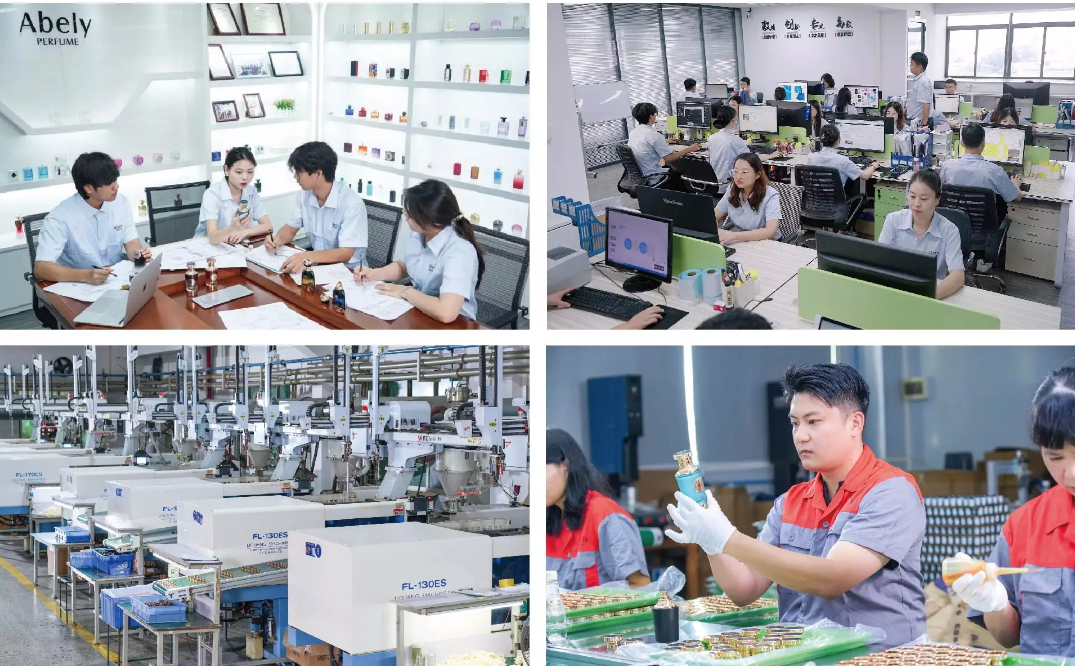
When evaluating coatings, caps, or smart features, use these three metrics: 1) Durability-to-design ratio — does the finish age gracefully under real wear? 2) Lifecycle transparency — can components be separated, recycled, or refilled without proprietary locks? 3) UX friction score — does the technology add clear value to the wearer’s ritual, or does it interrupt it? Apply these rapidly in prototypes and you’ll surface trade-offs early. And when you want a partner who understands both craft and scalable production, consider how a maker like Abely frames these choices naturally into their offerings — material-first, design-forward, and production-ready.
Measure, refine, repeat.