
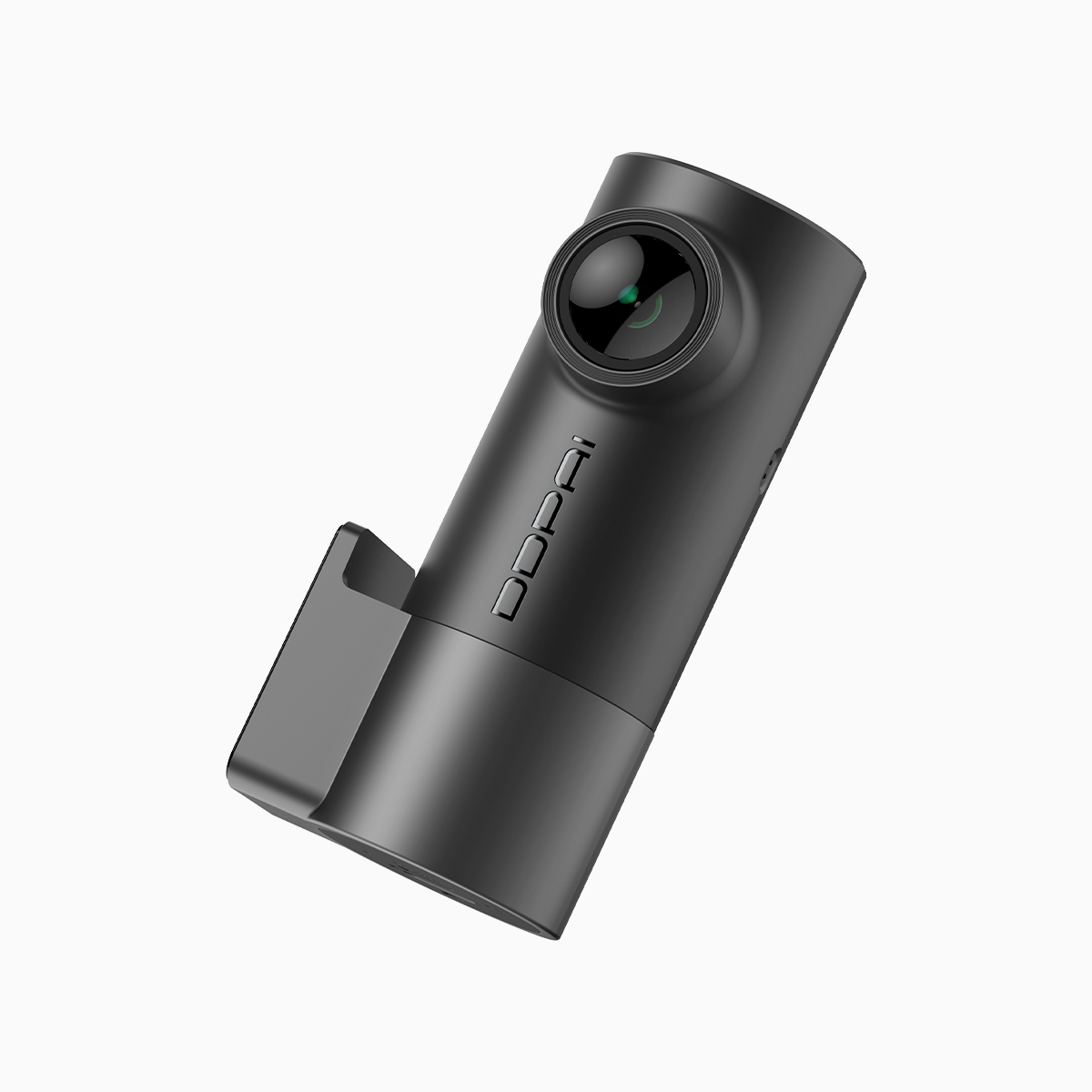
User pain, clarified
I used to watch tiny, stubborn air gaps appear under a dashcam mount as Manila moved into the monsoon — humidity climbing past 80% and a soft film settling on glass. For drivers who need reliable footage every morning commute, that slow creep of failure is more than an annoyance. It becomes a reliability problem. For compact solutions, a mini dash cam must stay put through sweat, drizzle and sudden temperature swings; otherwise footage is useless when it matters most. This piece looks at how electrostatic stickers and related materials are designed to answer those user needs in real conditions.
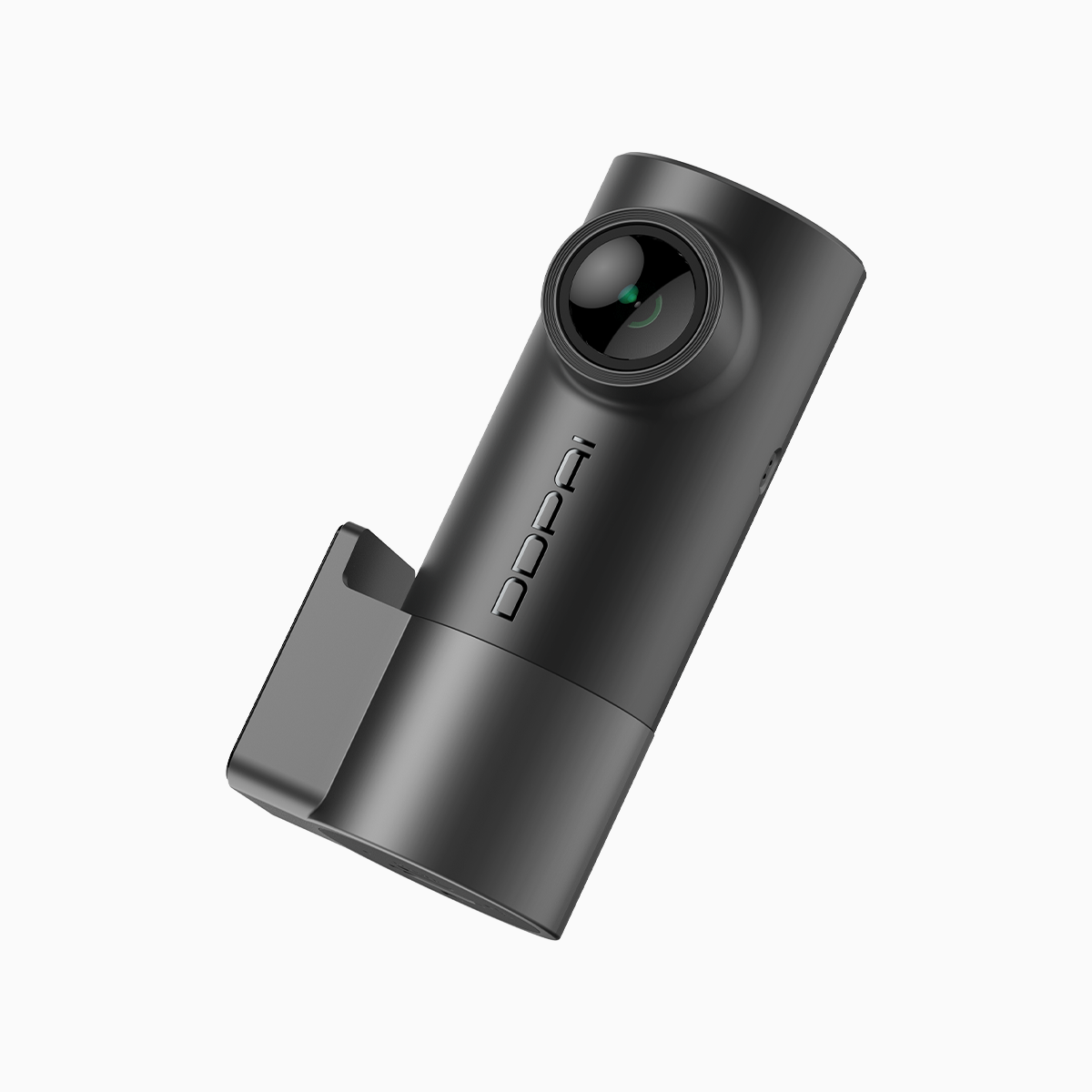
How electrostatic adhesion actually behaves
Electrostatic stickers rely on a charge differential rather than a single, permanent bond. The mechanism is simple in concept: an electrostatic charge creates intimate contact with glass without heavy, permanent chemicals. In practice, that means electrostatic adhesion works alongside a silicone gel layer or an adhesive polymer to resist sliding. The result is a low-profile hold that tolerates quick repositioning and avoids residue — useful when glare angles or mounting height need small adjustments for clear, legal footage.
What matters when humidity is high
Tropical humidity introduces two main troublemakers: surface moisture and accelerated creep in softer adhesives. A sticker with a UV-stable polymer face and a moisture-dispersing silicone gel core fares better than plain tape or a basic suction mount. If a dashcam sits near heated glass, thermal cycling will also stress the bond; materials with a humidity barrier and moderate elasticity relieve that stress. For users choosing a discreet option, like a hidden dash cam, those material choices are essential — they keep the unit stable without calling attention.
Real-world checks and a short aside
Field testing in the wet season taught a few practical truths. Wiping the glass with isopropyl alcohol and letting it fully dry is more effective than relying on a quick swipe. Applying pressure for thirty seconds during installation helps the electrostatic layer seat properly. If performance still lags, a thin primer designed for low-energy surfaces can restore contact. One quick aside — many drivers overlook the angle of the windshield: a steeper slope puts more shear on the bond, and that changes which adhesive system is ideal.
Common mistakes and easy fixes
Installers often reuse an electrostatic pad that’s picked up dust; that reduces capacitance and invites failure. Replace the pad when vision becomes distorted or the device shifts. Avoid high-temperature parking spots right after a fresh install — thermal expansion can temporarily loosen contact. When choosing mounts, compare VHB tape alternatives and silicone-based pads for long-term creep resistance. A small, regular inspection is the most reliable preventive measure.
Three golden rules for purchase and testing
1) Test under local conditions: simulate humid mornings and hot afternoons before finalizing the mount. Measure how the adhesive responds after a 24-hour damp cycle. 2) Prioritize materials: select UV-stable polymer faces with a silicone gel or engineered adhesive polymer core to balance grip and removability. 3) Trust fit over promise: fit quality, pressure during application, and windshield slope predict long-term hold more reliably than marketing claims.
These are practical metrics you can use immediately when choosing or installing a dashcam — they cut through vague promises and point to measurable performance. For a balanced solution that respects stealth, durability and user-friendly installation, consider how the product performs against those three rules; you’ll find the value of a reliable mounting system becomes obvious. DDPAI PH — steady, sensible, and designed for real roads. —