
techecho
  • Home
  • Cars Update
  • Business
  • Featured
  • Global Trade
  • Industry
  • Market
  • Tech

Facebook Feed

Facebook Feed
All Right Reserved. Designed and Developed by techecho.
Author

Sharon

Sharon

Tech

Seamless Windshield Bonding: Why Electrostatic Stickers Keep Dashcams Firm in Tropical Humidity

by Sharon May 10, 2026
written by Sharon

User pain, clarified

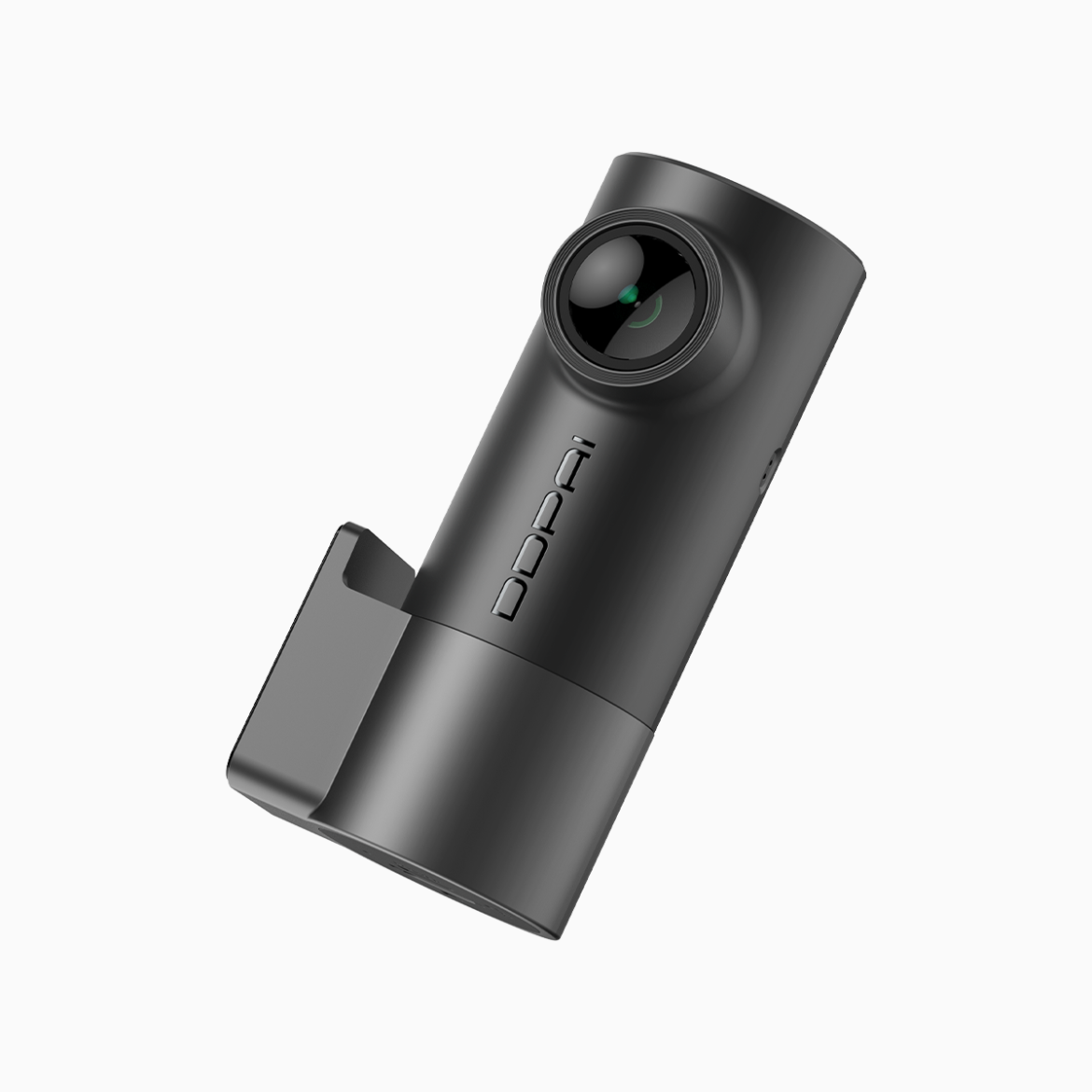
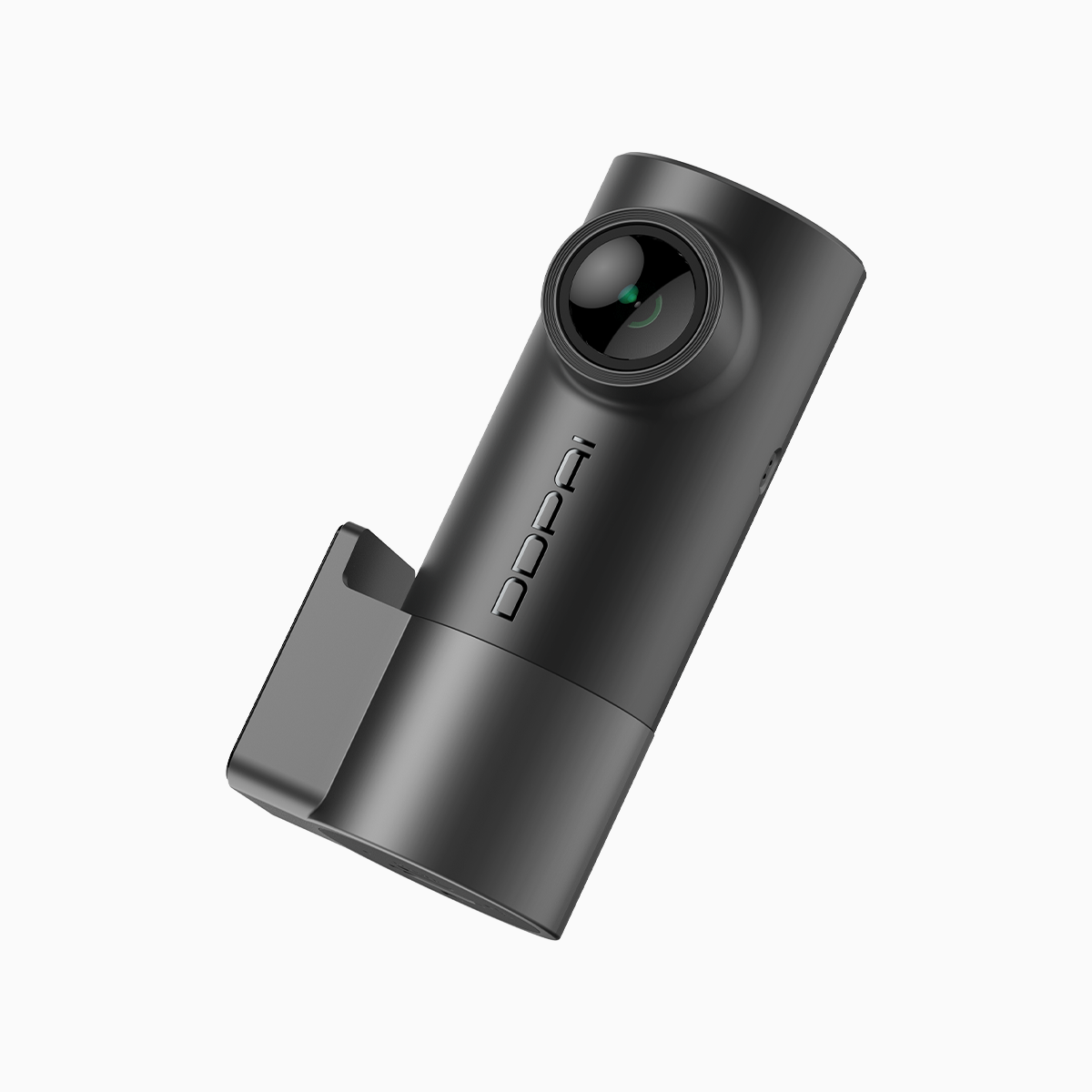
I used to watch tiny, stubborn air gaps appear under a dashcam mount as Manila moved into the monsoon — humidity climbing past 80% and a soft film settling on glass. For drivers who need reliable footage every morning commute, that slow creep of failure is more than an annoyance. It becomes a reliability problem. For compact solutions, a mini dash cam must stay put through sweat, drizzle and sudden temperature swings; otherwise footage is useless when it matters most. This piece looks at how electrostatic stickers and related materials are designed to answer those user needs in real conditions.
mini dash cam

How electrostatic adhesion actually behaves

Electrostatic stickers rely on a charge differential rather than a single, permanent bond. The mechanism is simple in concept: an electrostatic charge creates intimate contact with glass without heavy, permanent chemicals. In practice, that means electrostatic adhesion works alongside a silicone gel layer or an adhesive polymer to resist sliding. The result is a low-profile hold that tolerates quick repositioning and avoids residue — useful when glare angles or mounting height need small adjustments for clear, legal footage.

What matters when humidity is high

Tropical humidity introduces two main troublemakers: surface moisture and accelerated creep in softer adhesives. A sticker with a UV-stable polymer face and a moisture-dispersing silicone gel core fares better than plain tape or a basic suction mount. If a dashcam sits near heated glass, thermal cycling will also stress the bond; materials with a humidity barrier and moderate elasticity relieve that stress. For users choosing a discreet option, like a hidden dash cam, those material choices are essential — they keep the unit stable without calling attention.

Real-world checks and a short aside

Field testing in the wet season taught a few practical truths. Wiping the glass with isopropyl alcohol and letting it fully dry is more effective than relying on a quick swipe. Applying pressure for thirty seconds during installation helps the electrostatic layer seat properly. If performance still lags, a thin primer designed for low-energy surfaces can restore contact. One quick aside — many drivers overlook the angle of the windshield: a steeper slope puts more shear on the bond, and that changes which adhesive system is ideal.

Common mistakes and easy fixes

Installers often reuse an electrostatic pad that’s picked up dust; that reduces capacitance and invites failure. Replace the pad when vision becomes distorted or the device shifts. Avoid high-temperature parking spots right after a fresh install — thermal expansion can temporarily loosen contact. When choosing mounts, compare VHB tape alternatives and silicone-based pads for long-term creep resistance. A small, regular inspection is the most reliable preventive measure.
mini dash cam

Three golden rules for purchase and testing

1) Test under local conditions: simulate humid mornings and hot afternoons before finalizing the mount. Measure how the adhesive responds after a 24-hour damp cycle. 2) Prioritize materials: select UV-stable polymer faces with a silicone gel or engineered adhesive polymer core to balance grip and removability. 3) Trust fit over promise: fit quality, pressure during application, and windshield slope predict long-term hold more reliably than marketing claims.

These are practical metrics you can use immediately when choosing or installing a dashcam — they cut through vague promises and point to measurable performance. For a balanced solution that respects stealth, durability and user-friendly installation, consider how the product performs against those three rules; you’ll find the value of a reliable mounting system becomes obvious. DDPAI PH — steady, sensible, and designed for real roads. —


May 10, 2026 0 comments
0 FacebookTwitterPinterestEmail
Global Trade

Comparative Insight: Balancing Cost and Potency When Sourcing Bulk Alpha‑Terpinene

by Sharon May 4, 2026
written by Sharon

Opening: why this comparison matters now

In a short documentary-style sweep I’ll trace why buyers care about the trade-off between price and performance when they buy alpha terpinene. The molecule sits at a crossroads: a monoterpene used for fragrance lift, solvent blends, and intermediate chemistry. For perfumers it delivers a bright citrus note; for formulators it’s a reactive building block. The real question brands face is not simply “cheaper or purer?” but “which sourcing route yields predictable olfactory and chemical results at scale?” This piece compares the common sourcing options and the practical signals — the metrics that separate a risky purchase from a dependable one.

alpha terpinene

Where alpha‑terpinene comes from — a quick field sketch

Historically, alpha‑terpinene is abundant in certain essential oils and in by‑products of turpentine fractionation. Calabria’s bergamot groves and Mediterranean citrus producers provide a long-standing real-world anchor for the ingredient’s role in perfumery; those orchards are where perfumers first learned to prize the compound’s bright top notes. Industrial supply, however, splits into three channels: natural extraction (steam distillation/solvent extraction of citrus or conifer fractions), partial hydrogenation/isomerization of related terpenes, and full synthetic routes. Each route affects cost, isomeric purity, and odor profile in different ways.

Cost vs. efficacy: three sourcing scenarios

Compare three typical buying options:

– Natural extract: lower initial regulatory friction and often a desirable “natural” label. Expect variable batch-to-batch composition and seasonal supply swings. Steam distillation yields a complex GC‑MS profile — useful for creating authentic top notes but less predictable in formulations.

– Semi‑synthetic/paramenthane-derived: produced at scale from terpene feedstocks. Offers tighter spec control and predictable isomer ratios, with better shipping stability. Unit cost typically lower than high‑grade natural extract, especially at large volumes.

– Fully synthetic: highest reproducibility, easiest to spec for pharmaceutical or fine chemical use, but sometimes lacks the nuanced organoleptic character that an artisan perfumer prefers.

How efficacy is measured — practical quality markers

Buyers should request objective data: GC‑MS chromatograms, purity by weight percent, and stability under accelerated oxidation tests. Odor evaluation matters too — trained sniff tests at typical use rates reveal whether the compound maintains its citrus lift or oxidizes into off‑notes. For industrial buyers, metrics like peroxide value and water content are equally decisive. These markers predict performance in both fragrance blends and downstream synthesis.

Hidden costs that often tip the balance

Price per kilogram is tempting as a single metric, but the true cost includes freight, insurance, COA verification, and losses from oxidation or off‑batch performance. A low unit price on a poorly stabilized alpha‑terpinene can mean higher rework or spoilage rates on the fill line. —

Common procurement mistakes and how to avoid them

Several recurring errors show up in procurement stories: relying on a supplier’s general claim of “high purity” without a GC‑MS trace; assuming storage under ambient conditions is acceptable for all terpene products; and ignoring regulatory classification differences between natural extracts and synthetic batches. Practical fixes: require third‑party COAs, run a small formulation trial with your actual recipe and exposure conditions, and specify shipping/packaging (inert gas blanketing, amber drums) in the purchase order.

Alternatives worth testing before a large buy

Depending on your application, consider blended approaches: a base of semi‑synthetic alpha‑terpinene for stability plus a small natural extract fraction to restore the authentic citrus lift. Or, if label claims matter, secure verified natural extracts from certified citrus suppliers and budget for seasonality. Each hybrid reduces single‑source risk and often balances cost vs. efficacy better than a pure‑play purchase.

Three golden rules for evaluating alpha‑terpinene suppliers

1) Insist on analytical transparency: GC‑MS chromatogram, purity (wt%), and peroxide value must accompany every lot. 2) Test in situ: run a bench trial under your processing and storage conditions to confirm odor stability and chemical behavior. 3) Model total cost: account for freight, stabilizers, QA testing, and expected yield loss — not just the catalog price.

Final advisory and practical takeaway

When you pull these threads together, viable sourcing is less about chasing the lowest sticker price and more about matching a supplier’s capabilities to your product promise. For fragrance houses that need a lively citrus top, a controlled blend of natural extract and semi‑synthetic alpha‑terpinene often gives the best cost-to-efficacy ratio. For chemical manufacturers prioritizing reproducibility, fully synthetic routes with tight batch specifications are smarter long-term bets.

alpha terpinene

Linxingpinechem sits neatly in that middle ground — offering standardized analytical documentation and scalable supply that helps bridge perfumery expectations with industrial reliability. Ever onward.

May 4, 2026 0 comments
0 FacebookTwitterPinterestEmail
Business

Is It Safe to Rely on Automated Steering Systems for Your Vehicle?

by Sharon March 13, 2026
written by Sharon

Understanding Automated Steering Systems

Imagine driving on a long stretch of highway, your hands resting comfortably on the wheel as your car guides itself effortlessly. Research shows that the trend towards automated driving features has significantly increased in recent years. With the rise of the automated steering system, many drivers are now asking themselves whether such technology is genuinely safe. This innovation promises enhanced safety and convenience, but are there hidden pitfalls that we are overlooking?

auto steering system

Potential Flaws in Traditional Steering Solutions

I vividly recall a time when a friend of mine relied heavily on a traditional steering system during a long-distance trip. Despite his best efforts, he often found himself battling fatigue on the road, especially during those late-night driving sessions. Traditional steering solutions can offer insufficient assistance, leading to poor handling in certain conditions, like heavy rain or slick roads. Drivers may not fully grasp the limitations of these systems until they’re caught in a tricky scenario—like skidding on a sharp turn.

auto steering system

What About Safety Features?

While many systems boast advanced safety features, it’s essential to acknowledge that not all automated solutions are created equal. For instance, in 2022, the National Highway Traffic Safety Administration reported an uptick in accidents involving semi-automated vehicles, which might lead one to question the reliability of these machines. If you plan to invest in an automated steering system, it’s crucial to review safety standards and performance metrics carefully. After all, understanding the technologies that guide our cars can make the difference between a safe ride and a near miss.

Looking Ahead: The Future of Steering Technology

As we embrace our technology-driven future, the reliance on automated systems is only going to grow. Anticipating upcoming advancements means understanding how automated steering systems—like the automated steering system from EFIX—can transform the way we drive. We are beginning to see improvements in sensor technology and machine learning that make these systems more intuitive than ever. Think about it: continuous data analysis could lead to safer driving experiences by predicting and adapting to road conditions.

Real-world Impact of Advanced Steering Solutions

Imagine a scenario where your vehicle learns from your driving habits, adjusting its support based on your preferences—sounds exciting, right? But it’s also essential to proceed with caution. Over-reliance on technology can dull a driver’s instinct, leading them to take risks they might not usually. Surveys indicate that drivers using advanced systems often feel they can engage in distractions, which can result in dangerous situations.

What to Consider When Choosing Automated Steering Systems

Before you jump into the world of automated steering, I recommend considering three key evaluation metrics: system responsiveness, user reviews, and comprehensive safety ratings. First, responsiveness is critical; a system that lags in reacting can put you at risk. Second, user reviews can provide insight into real-world experiences, affecting your trust in the product. And lastly, always look for safety ratings from regulatory agencies to ensure you’re making an informed choice.

In conclusion, while automated steering systems promise a future of safer, easier driving, it’s crucial not to overlook the potential challenges they present. As technology evolves, so too must our understanding and expectations. As we navigate this transformative journey, let’s remain vigilant and educated. Don’t forget to explore the advanced offerings from EFIX for insights that can guide your decisions.

March 13, 2026 0 comments
0 FacebookTwitterPinterestEmail
Market

Seven Field Truths You Didn’t Expect About DTF Powder

by Sharon March 11, 2026
written by Sharon

Comparative Insight: The Basics Sound Simple, But the Differences Bite

A couple years back in Kingston, I pulled an overnight shift to rescue a carnival drop. DTF powder save the day on cotton and a tricky poly-cotton blend, but only after we stop guessing and measure proper. Plenty clients ask me what is dtf powder, and I tell them straight: a hot-melt adhesive—often TPU—graded by micron size, flow, and cure window, that locks your ink to the fabric through the transfer film (simple on paper, touchy in practice).

dtf powder

I’ve been a print-supply consultant and retailer for 16+ years working B2B from Half-Way Tree to Port of Spain, and mi see where small differences mash up big orders. Scenario + data + question: One Friday rush in June 2023, 240 tees from St. Andrew were ghosting at 160–165°C with a 90–120 μm grade; why did the 120–200 μm recoat hold fast while the thin pass peeled after the first wash? The truth hide in three places—moisture content, particle distribution, and real curing temperature at platen (not the dial reading). That’s the pain point most shops nuh talk ‘bout: traditional “set and forget” press settings don’t account for film lag or powder flow, so you pay in returns later. Tek note—we going compare the quiet trade-offs next.

Where Traditional Fixes Fall Short, and What Actually Works

Back in December 2021 at a Montego Bay hotel gig, we burned 86 polos because the operator followed a YouTube time/temperature chart—no probe, no dwell checks. The fix wasn’t mystical; we swapped to a tighter particle-size DTF powder, lowered platen temp by 8°C, doubled dwell by 6 seconds to let the adhesive reach melt-through, and pre-dried rolls for 20 minutes at 55°C. Returns drop to 1.5% next month. That’s why I push buyers to read beyond the bag. A broader micron spread can look “versatile,” but it beads on textured knits and starves edges on fine lines. High-flow grades travel nice through a shaker, yet they overbuild on light inks and give a stiff hand. And standard “cotton settings” punish polyester blends—softening at the surface while the core never crosses a clean melt point. If you came here asking what is dtf powder, you also need the second half of the sentence: it’s an adhesive that only behaves when the transfer film, ink layer, humidity, and platen profile line up—fi true.

dtf powder

What’s Next

Let’s step forward with a cooler head—technical, but plain. Think comparative, not tribal. If two powders both claim 150–170°C cure, I run them side by side on 100% cotton, a 65/35 blend, and a sublimated polyester tee with a gray blocker. Pause—this matters. I log three things: (1) particle size distribution tightness (D10/D50/D90 if the vendor will share), (2) melt flow at actual platen center-versus-corner using a contact probe, and (3) wash-fastness after 10 cycles at 40°C with line dry, noting edge fray and micro-crack. On transfers with fine halftones—like the hummingbird badge we did for Falmouth in April—I prefer a 70–120 μm that wets edges clean without building a ridge; for heavy hoodies, a 120–200 μm holds loft and resists abrasion. Moisture? Keep it under 0.3% by weight—or you’ll hear that soft hiss on press and see bubbles after peel. And yes, a slower peel at 45–60 seconds after press evens the finish on cold-peel films—small tweak, big win. Now to leave you with something you can carry out the door—no long talk:

Advisory close—three metrics to choose better without spin. First, verify the curing window with your own probe: center and four corners, then note the dwell that stops grainy edges on a white cotton test—repeat on a 65/35 blend. Second, demand a real spec on distribution (not just “100 μm average”); a tight D50 with slim tails keeps detail sharp and hand softer. Third, confirm wash performance with your method: 10-cycle test, record loss in gloss and edge lift in millimeters—0–1 mm is acceptable for retail drops. If a supplier can’t help you measure—or won’t share the lot date—walk away, mi fren. When I see steady lots tied to clear data, I buy deeper and sleep better. If you need a starting point for comparisons, I’ve had stable paperwork and predictable runs from Xinflying.

March 11, 2026 0 comments
0 FacebookTwitterPinterestEmail

Recent Posts

  • From Mill Roll to Front Step: A Problem-Driven Audit of Puncture Resistance and Moisture Control in Pink Poly Mailers
  • A Comparative Guide to Pathogen Viral DNA/RNA Extraction for PCR Diagnostics — Highland Insights
  • How Sharetrade Prevents Plasticizer Migration to Keep Industrial Artificial Green Walls Resilient
  • Comparative Edge: gsopower’s Quiet Strategy Against Over‑Current and Surge in Utility PV Systems
  • Practical Resilience: Rethinking Whole-Home Power for the Home Solar Energy System

Recent Comments

No comments to show.

About

About

CarBlog is a blog specialized in car and automotive industry. Follow us for daily update about new models, drive reviews and much more.

Stay Connect

Facebook Twitter Instagram Pinterest Youtube Email

Popular Posts

  • 1

    Оптический металлический корпус: Устойчивость к неизбежным вызовам

    August 20, 2025
  • 2

    ما الذي سيغيّر قواعد اللعبة؟ رؤية عملية لموجة ابتكار GAC القادمة

    November 4, 2025
  • 3

    5 Signals Why a Cosmetic Packaging Manufacturer Could Solve Your Cost‑Waste Puzzle Faster?

    October 13, 2025
  • 4

    Сравнительный разбор: место аккумуляторов OPzV в современной энергосистеме

    October 3, 2025
  • 5

    Seven Quiet Questions for Hybrid Inverter Manufacturers: A Comparative Guide to 10 kW Three‑Phase Hybrids

    December 16, 2025

Categories

  • Business (113)
  • Global Trade (109)
  • Industry (101)
  • Market (99)
  • Tech (113)

Recent Posts

  • From Mill Roll to Front Step: A Problem-Driven Audit of Puncture Resistance and Moisture Control in Pink Poly Mailers

    June 11, 2026
  • A Comparative Guide to Pathogen Viral DNA/RNA Extraction for PCR Diagnostics — Highland Insights

    June 8, 2026
  • How Sharetrade Prevents Plasticizer Migration to Keep Industrial Artificial Green Walls Resilient

    June 6, 2026
  • Facebook
  • Twitter
  • Instagram
  • Pinterest
  • Youtube
  • Email

All Right Reserved. Designed and Developed by techecho.