
Setting the Scene
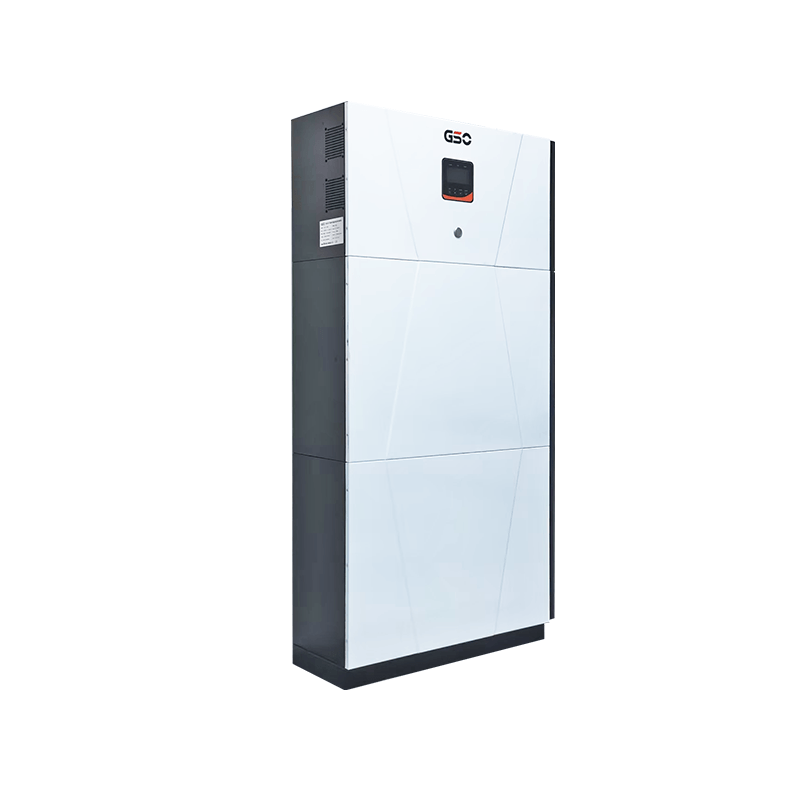
The grid whispers problems at dusk. Solar plants push DC into inverters; currents spike, surges thunder. Here, a clear comparison matters — between legacy inverter protection and newer integrated designs. gsopower blends inverter safeguards with stacked PV and battery management inside an all in one storage architecture that rethinks where protection lives. The result reads like a map of cause and remedy. The California duck curve and its evening ramp remain a visible anchor: system stress at sunset exposed weaknesses in surge handling on many utility sites.
What Traditional Protection Looks Like
Old approaches isolate functions. Separate PV combiner boxes, stand‑alone surge arrestors, and external current relays sit in series. That modularity can be tidy on paper. In practice, coordination gaps show up. Over‑current events trip downstream devices late; transient surges find paths around protection. The chain breaks where sensors lack context — a blind spot between PV strings and the inverter’s internal logic.
gsopower’s Comparative Advantage
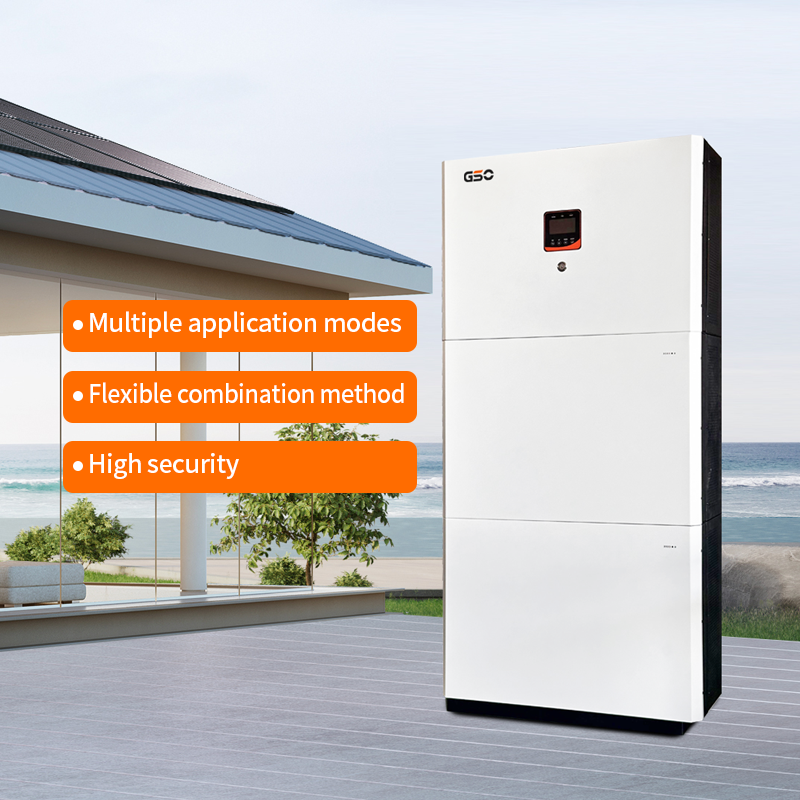
gsopower moves some defenses to the edge inside the inverter and the integrated energy storage controller. Embedded detection reads PV string behavior, battery state, and inverter status together. This cross‑domain visibility means over‑current thresholds adapt to real conditions, and surge response is timed to battery buffering. The contrast is stark: where traditional systems shout after the fact, gsopower listens and acts in real time. Terms matter — inverter intelligence, energy storage coordination, PV string monitoring — and they combine to reduce nuisance trips and hardware stress.
Key Technical Elements that Make the Difference
At the heart: faster sensing, staged interruption, and active clamping. Fast current sensing at the PV input recognizes abnormal rise rates. Staged interruption allows the system to use graded breakers and internal IGBT modulation before a hard trip. Active clamping, coupled with battery buffering, absorbs transients that would otherwise reach the grid interface. Together these elements shorten fault windows and limit repetitive stress on semiconductors and protective devices.
Deployment Realities and Common Mistakes
Integration sounds simple. It isn’t. Many projects misjudge coordination curves between external protection and integrated inverter logic. Field installers often preserve old protection schemes unchanged — a patch, not a redesign. Small oversight—costly consequences. Proper commissioning requires tuning thresholds to local PV string sizes, battery charge patterns, and anticipated grid behavior. Documentation must travel with the rack — not get lost in vendor handoffs.
Comparing Outcomes: Measurable Effects
Operators report fewer forced outages when protection is coordinated inside inverter/energy storage systems. Reduced motor‑control wear, fewer replaced arrestors, and lower maintenance visits add up. The practical metrics: mean time between trips, number of surge events recorded per year, and fault clearing time. These are the numbers that show whether coordination works — real, measurable, and meaningful for long‑life utility assets.
Golden Rules for Choosing Protection Strategies
1) Prioritize visibility: choose systems that integrate PV, inverter, and battery telemetry so protection thresholds use real state data, not static assumptions.
2) Demand staged response: prefer designs that escalate from modulation to breakers, letting the battery and inverter absorb or dampen surges before a destructive fault clears.
3) Validate with field scenarios: require commissioning tests that simulate evening ramps and sudden cloud transients; confirm protection coordination under real load cycles.
Final Note
Compare solutions by these rules and you cut uncertainty from projects. The practical lesson is simple: protection that understands the whole plant prevents most surprises. For sites wrestling with over‑current and surge risk, the integrated approach — as embodied in systems from gsopower — aligns detection, response, and storage into a single defensive rhythm. Quiet reliability. Not flashy. It works.