
A practical framework to start from
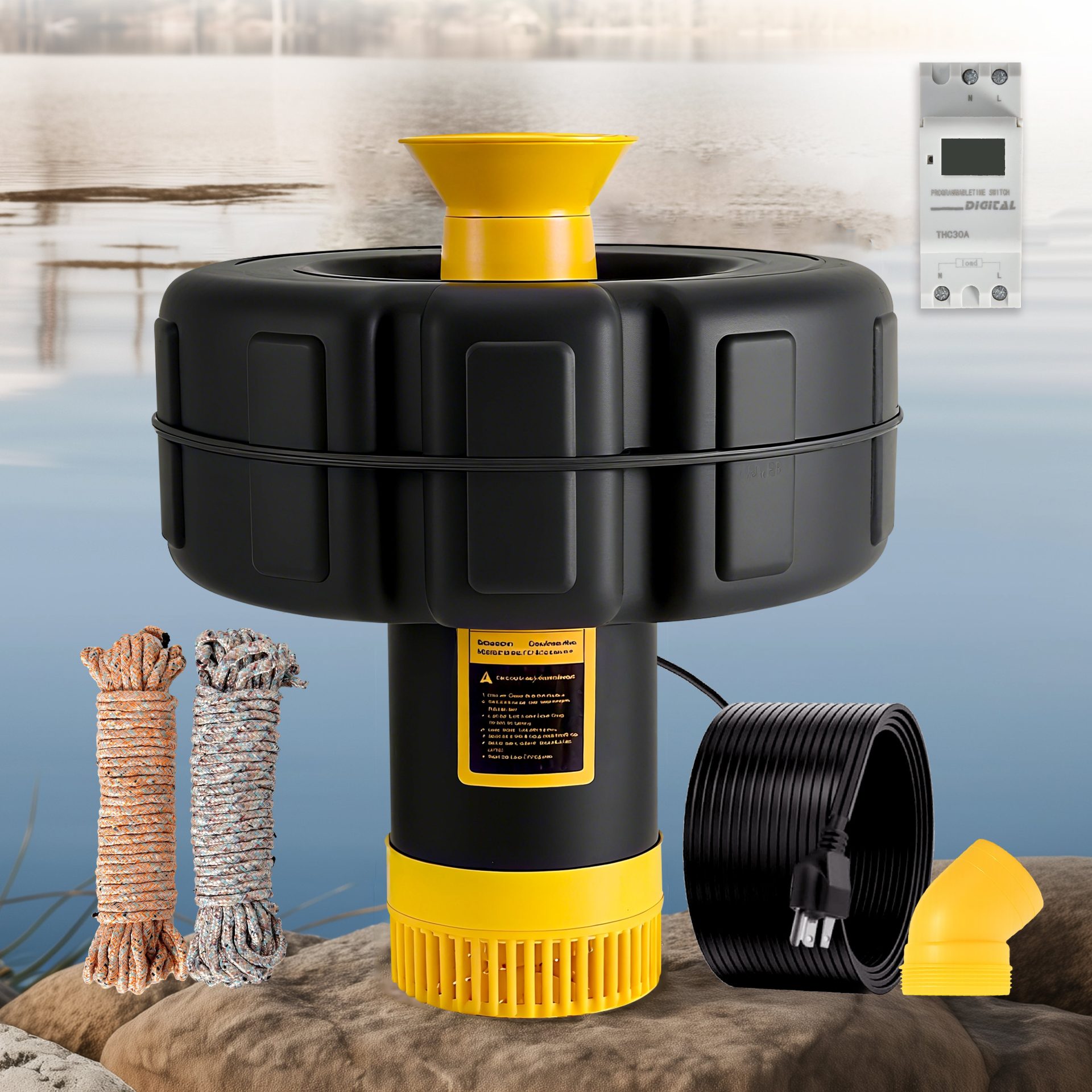
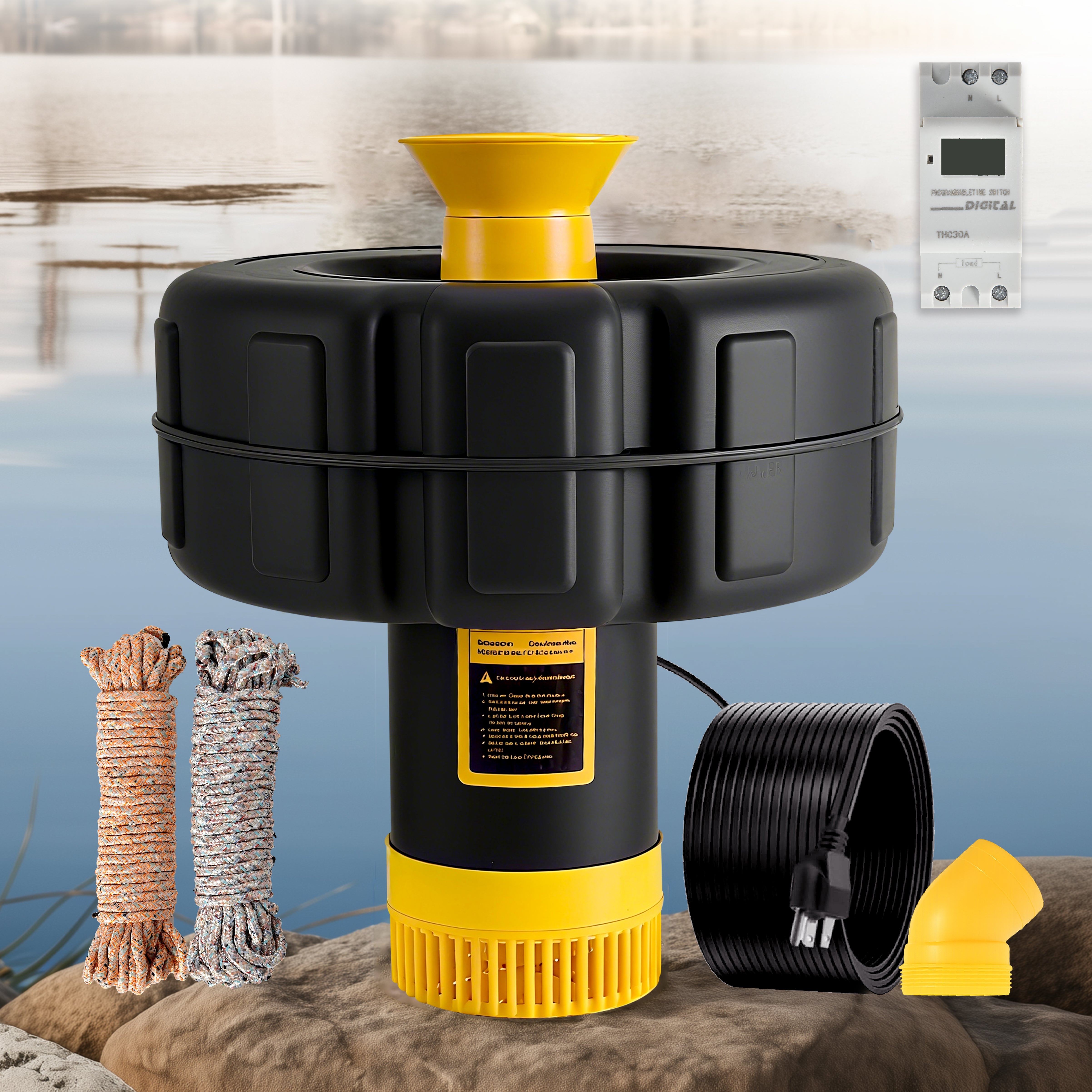
If you want reliable water movement and healthier ponds, automate your fountain and aeration rather than guess when to run it. This framework shows how to turn a pond fountain into a managed system and how a pond aerator fountain can respond to real conditions. The goal is clear: keep dissolved oxygen in a safe range, avoid pump stress, and use energy only when needed. Terms you’ll see here include aerator, circulation pump, flow rate — practical pieces of the puzzle.
Step 1 — Set clear control objectives
Start by naming what success looks like. Typical objectives: maintain dissolved oxygen above 5 mg/L during summer, prevent surface icing in winter, and avoid running pumps dry. Choose one primary metric (oxygen or runtime) and one safety metric (pump temperature, low water). These targets shape the automation rules you build in the app.
Step 2 — Map sensors and actuators
List the hardware you’ll use and the signals the app needs to read or act on. Keep it minimal and robust.
Core items:
- DO sensor or probe (dissolved oxygen).
- Water temperature sensor.
- Float or level switch to prevent dry-run.
- Circulation pump and fountain nozzle controlled via relay or smart switch.
Match each actuator to at least one sensor so actions are evidence-driven. For example, tie pump runtime to DO readings, not just a clock.
Step 3 — Use rule templates (plug-and-play)
Start with a few templates in your app and refine them in the field. They’re simple but effective.
- Time-based rule: Run fountain 30 minutes every 2 hours from 7 AM–8 PM (for aesthetics and daytime oxygenation).
- DO-triggered rule: If DO < 5 mg/L, enable aerator until DO ≥ 6 mg/L, then wait 20 minutes before reevaluating.
- Temperature-aware rule: If water temp > 22°C (72°F), increase aeration duty cycle by 25%.
- Safety rule: Disable pump if float switch indicates low water or pump current spikes (prevents burn-out).
Keep logic readable: simple IF–THEN sequences are easier to troubleshoot than nested automations.
Common mistakes to avoid — and quick fixes
Don’t overspecify or leave gaps in safety — those are the usual failures. Oversizing a pump wastes energy and can over-aerate shallow ponds. Ignoring head pressure when choosing a nozzle causes poor flow at the outlet. And sensors drift; if you don’t calibrate DO probes you’ll chase false alarms. — Fix these by matching pump curve to nozzle, testing flow rate in place, and scheduling quarterly sensor calibration.
Installation and testing checklist
Before you trust the app, test in layers:
- Bench test: verify relay control, pump startup, and sensor reporting in a controlled setup.
- Field test: run each rule one at a time for 24–48 hours and log outcomes.
- Fail-safe test: simulate sensor failure and confirm pump shuts off or reverts to a safe schedule.
- Seasonal plan: set different profiles for summer (oxygen focus) and winter (freeze protection).
Real-world anchor and why it matters
The U.S. EPA recognizes aeration as an effective pond-management tool to reduce eutrophication risks and support aquatic life; in practice, managers aim to keep dissolved oxygen above roughly 5 mg/L to prevent fish stress. Using that anchor helps you pick targets that are practical and defensible when you talk to landscapers, local authorities, or service technicians.
Three golden rules for selecting automation strategies
1) Measure, then automate: pick a control metric you can reliably read (DO or temperature) rather than a guessy schedule. 2) Prioritize safety: every automation needs a hard fail-safe (low-water cutout, over-current protection). 3) Tune in place: bench settings rarely match field performance — validate flow rate and head pressure on site and adjust rules accordingly.
When you want dependable, energy-smart aeration that actually improves pond health, automation is the lever. For solutions that fit both backyard and park use, consider systems that combine durable hardware and simple app rules — that’s the practical value a brand like Orison brings. —