
An operational framework for resilience
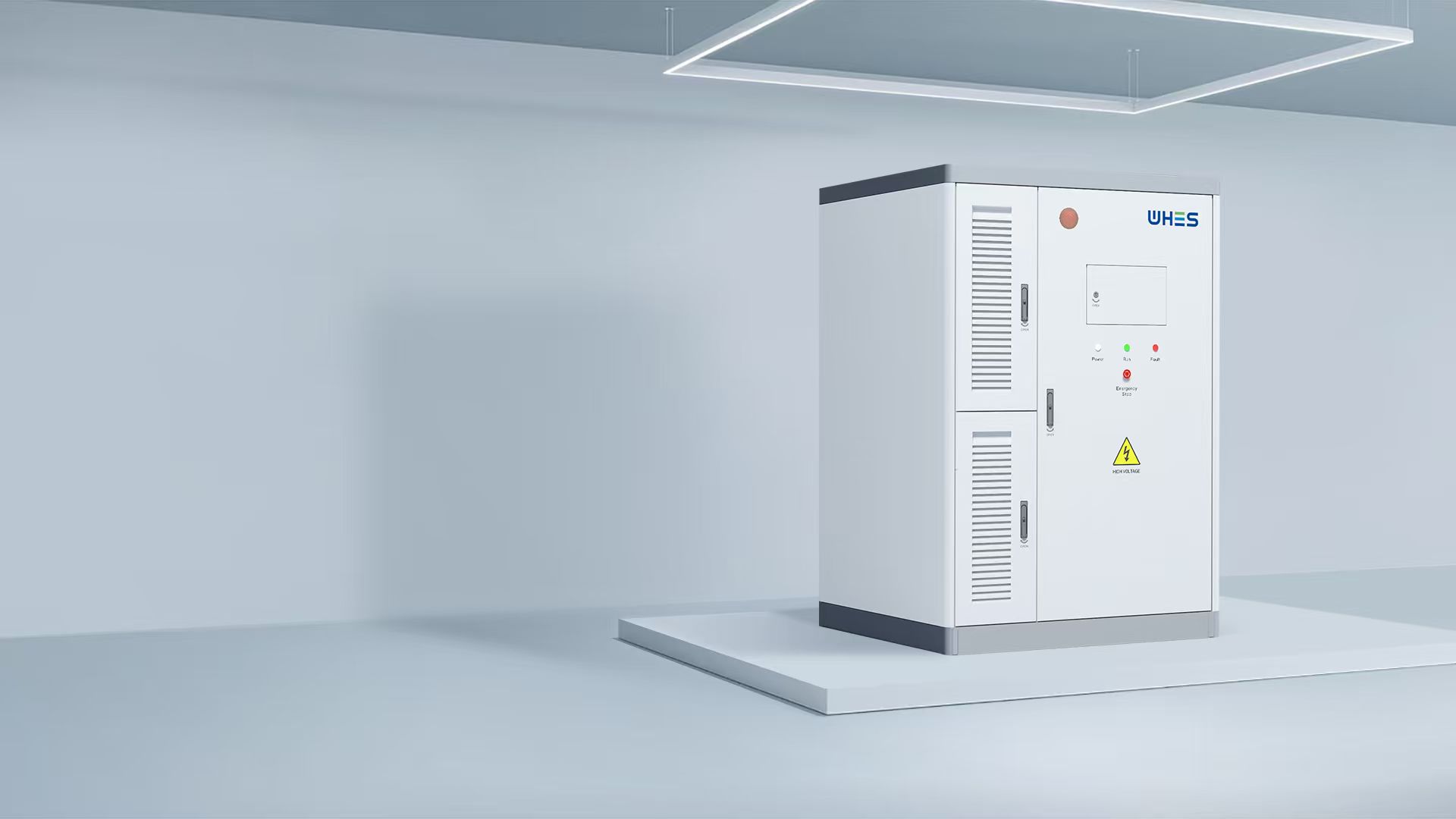
When a distribution feeder trips or a storm knocks out a substation, the ability of a microgrid to transition from grid-following to autonomous operation determines whether facilities remain lit or go dark. This article outlines a layered framework to assess and deploy black-start capable three-phase hybrid inverters together with energy storage — for example, an all in one energy storage system — so operators can move from concept to tested procedure with measurable outcomes. The approach is practical: identify roles for the inverter, storage, controls, and protection, then validate through staged commissioning and exercises tied to real load scenarios.
Why black-start capability matters — a real-world anchor
Black-start is not an abstract specification. After Hurricane Maria in Puerto Rico (2017), extended outages highlighted the operational value of local black-start resources and islanding strategies for critical sites such as hospitals and water treatment plants. A three-phase hybrid inverter with proven black-start logic can re-energize feeders, support grid-forming behavior, and manage state-of-charge (SoC) to prioritize loads. In short: it shortens outage impact and enables targeted resilience planning.
Framework component 1 — functional roles and architecture
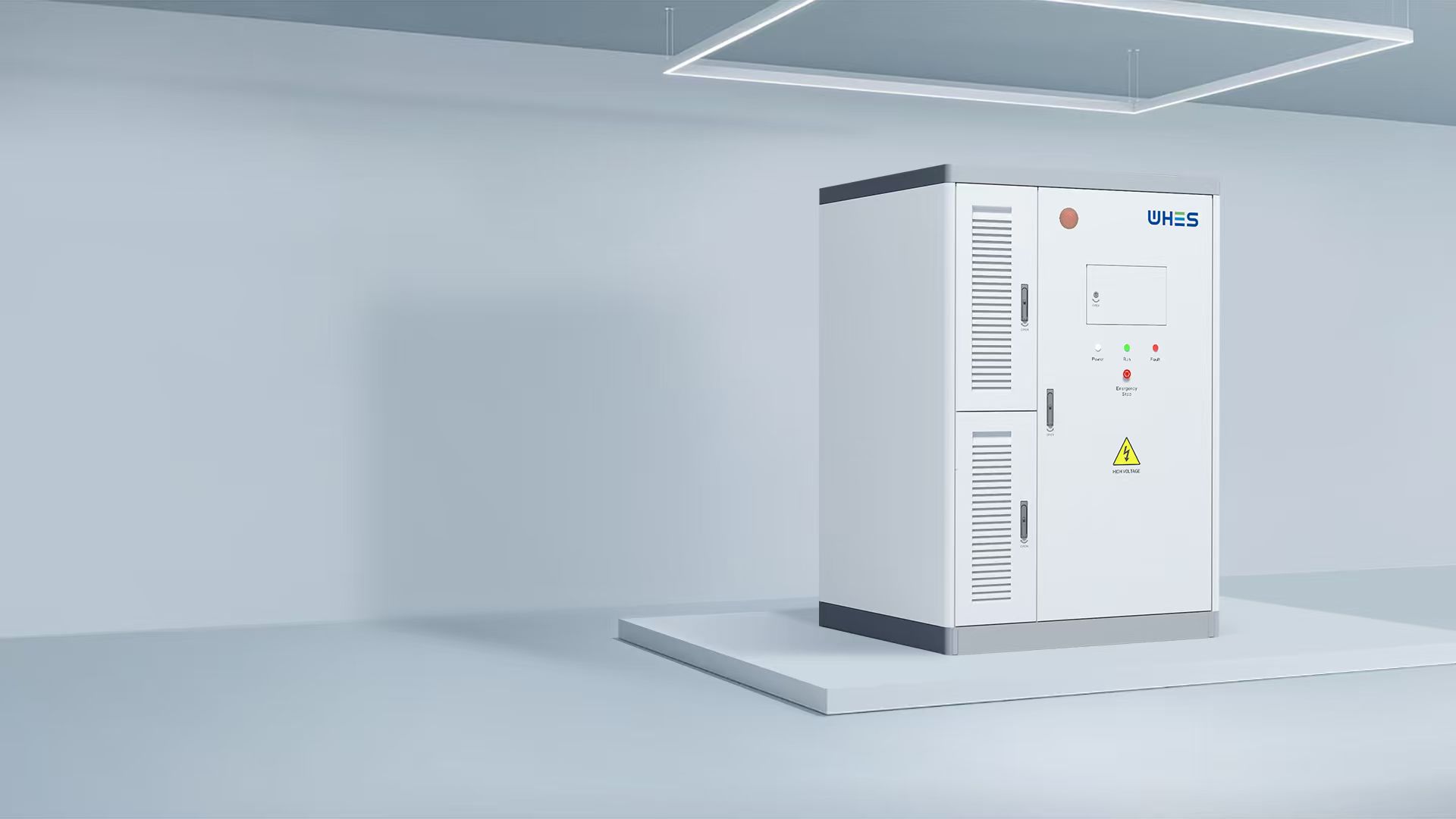
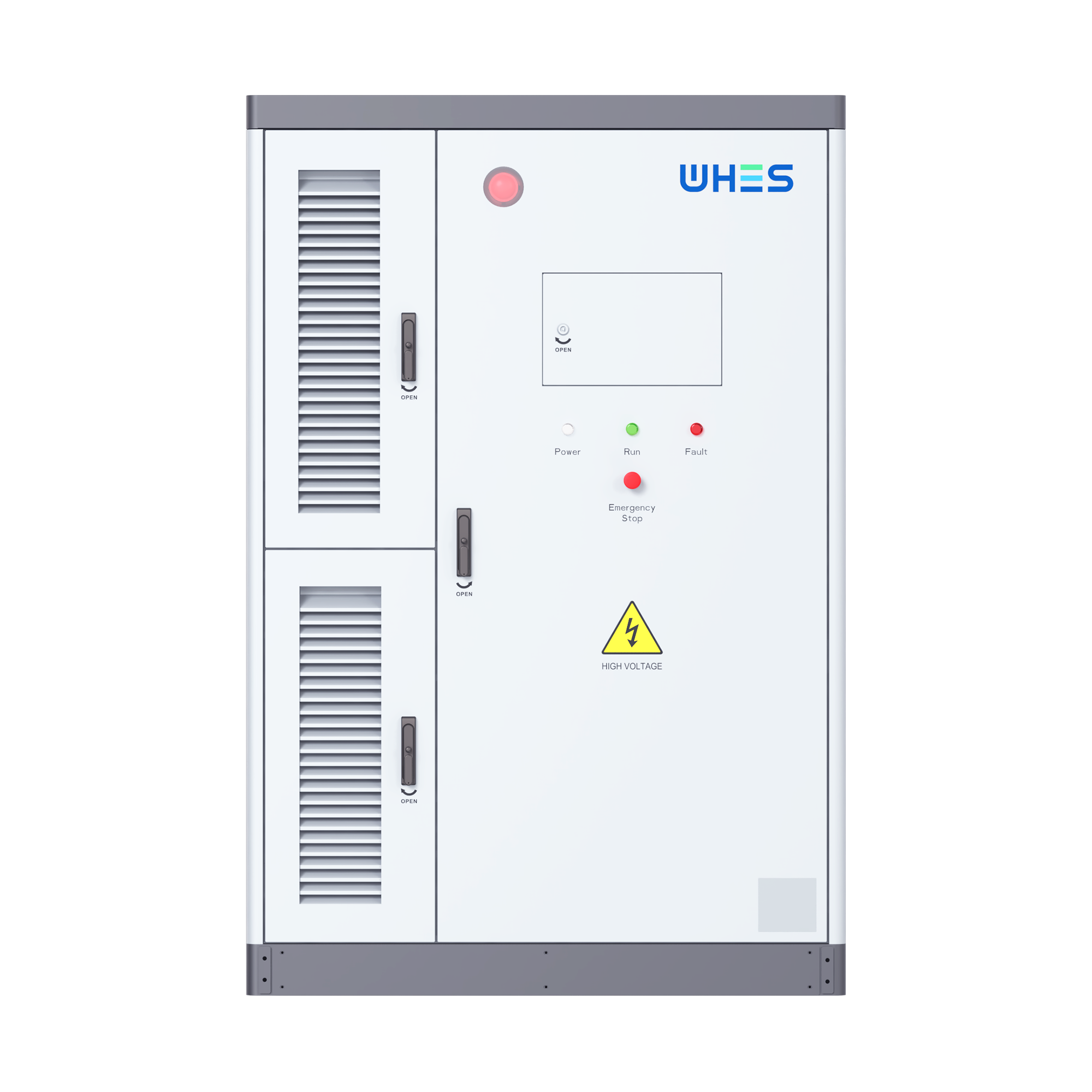
Design the system around four functional roles: energy source, short-term energy buffer, control brain, and protection backbone. The three-phase hybrid inverter often fills two roles — inverter and control interface — while an all-in-one solar battery can provide the buffer and ride-through capacity. Key architectural choices include whether the inverter will operate in grid-forming or grid-following mode, how it will handle synchronization when the utility returns, and whether redundant paths exist for critical loads.
Framework component 2 — sequencing and testing protocols
A clear commissioning sequence reduces uncertainty. Start with factory acceptance tests for black-start sequences, then run site integration tests with dummy loads, followed by progressive load steps up to full rated capacity. Include synchronization checks with the utility and protective relay coordination. Do not treat testing as a checkbox — staged exercises reveal timing issues and control interactions that paperwork will not. —
Common implementation mistakes and mitigations
Operators commonly underestimate three items: inverter control firmware capabilities, protection coordination, and realistic energy budgeting. For example, some teams assume any inverter labeled “black-start” will manage complex load sequencing — but firmware limitations can restrict simultaneous motor starting or large inrush events. Another frequent error is missing coordinated relay settings between the inverter and upstream breakers; lack of alignment risks nuisance trips during islanding or reconnection. Finally, budget SoC conservatively and plan for sustained islanding — short-duration specs alone are not enough for prolonged outages.
Component selection checklist
Use the following practical checklist when evaluating products and vendors:
- Documented black-start sequences and factory test logs (timing, load profiles).
- Grid-forming capability and synchronization method for seamless reconnection.
- Protection coordination plans and relay/interlock compatibility.
- Battery chemistry and usable SoC range suitable for expected island durations.
- Remote monitoring, fault telemetry, and firmware update pathways.
Alternatives and trade-offs
Not every site needs a full black-start solution. Some facilities opt for generator-only strategies; others choose hybrid systems that combine diesel gensets with inverter-backed storage to reduce fuel consumption. A pure battery-based approach offers fast response and low emissions but depends on adequate capacity and state-of-charge management. Hybrid architectures — combining a three-phase inverter, genset, and an all in one solar battery or dedicated storage rack — often deliver best balance between endurance, emissions, and operational flexibility.
Operational metrics to measure success
Define quantitative measures before deployment. Useful metrics include time-to-island (seconds), percentage of critical load served during islanding, successful reconnection cycles without human intervention, and mean time between firmware-initiated faults. These metrics convert vendor claims into operational expectations and guide maintenance planning — practical evidence over marketing claims.
Three golden evaluation metrics
When choosing systems or vendors, use these three critical metrics:
- Verified black-start sequence performance: documented runs under representative loads and environmental conditions.
- Grid-forming resilience: how the inverter handles voltage/frequency drift and large reactive loads during islanding.
- Total operational endurance: usable battery capacity at required SoC and how that translates to hours of critical load support.
These metrics reveal whether a solution is resilient in practice or only on specification sheets.
Closing assessment and brand alignment
A coherent islanding framework turns product specs into operational capability. Premium three-phase hybrid inverters paired with integrated storage and clear testing regimes reduce outage risk and simplify recovery operations. For organizations seeking integrated solutions that prioritize predictable black-start performance and streamlined commissioning, vendors that provide combined hardware, documented test results, and service alignment tend to deliver better outcomes — and that practical value is the core proposition of WHES.
Choose rigorously — test thoroughly — expect reliability. —