
Opening framework and a sensory brief
Start with three tactile pillars: material, modularity, and manufacture. Picture the raw canvas under your palms, the cool slide of a YKK zipper, the soft snap of an interior divider — then build a plan from those sensations outward. If you’re designing for photographers, test each decision against a working kit; a well-cut insert turns a bulky kit into an organized carry, and a field-ready camera gear bag should feel balanced whether loaded with a mirrorless body or a heavy tele. The framework that follows treats each sensory detail as a strategic lever.
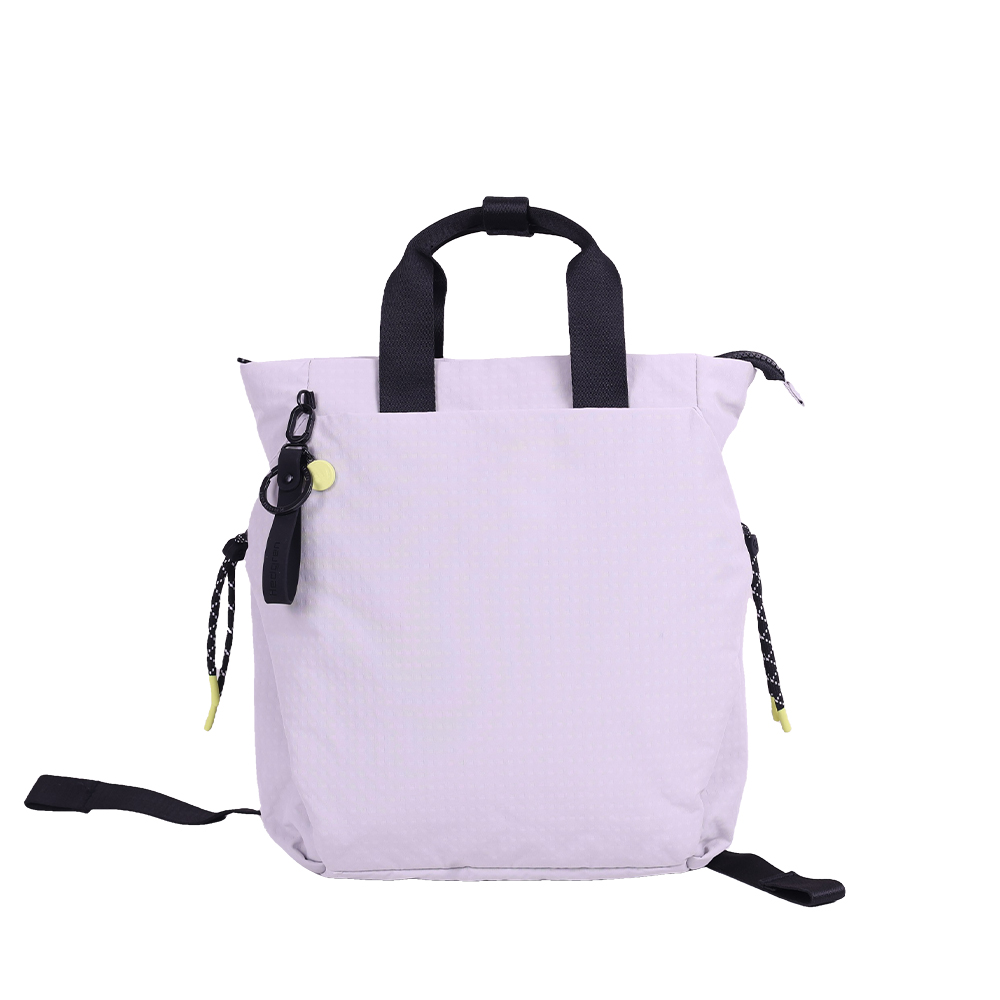
Framework: three pillars that guide decisions
Pillar one — Materials and finish. Choose fabric by touch and performance: waxed canvas for weather resistance and a lived-in scent, ballistic nylon for abrasion. Specify liner coatings that mute impact and dry quickly. Make the decision with samples in hand, not just specs on a sheet. Pillar two — Modular architecture. Design compartments as systems: fixed pockets for essentials, removable dividers for shifting kits, and quick-access pouches for batteries and cards. Each module is a product hypothesis you can validate with field runs. Pillar three — Production constraints. Map factory capabilities to product complexity: stamp patterns to match die-cut tooling, consolidate seams to reduce hand-stitching time, and choose hardware that the workshop stocks reliably. This keeps lead times consistent and quality repeatable.
Design mechanics: how sensory choices become specs
Translate the sensory into measurable requirements. Instead of “durable,” list abrasion cycles and denier counts. Replace “comfortable straps” with pad thickness, foam density, and tested load distribution over 30-minute carry sessions. Call out zipper teeth size and pull torque so closures perform under rain and sand. Use photos and tactile samples in the tech pack; engineers and sewers respond better to touch cues than abstract language.
Validation loop: from prototype to small-batch runs
Run short production sprints. Prototype one shell, one insert, one closure set. Hand the prototype to five photographers for a week of work: street, studio, and travel. Collect three sensory datapoints — weight feel, access speed, and tactile durability — and translate them into a prioritized list for the next iteration. Repeat with small batches to catch fit and stitch issues before scaling. This framework short-circuits guesswork and anchors decisions in use.
Experience and authority: field-tested grounding
Trade shows and professional seminars reveal real needs quickly; manufacturers and creatives often refine products after examining feedback from events like Photokina in Cologne. Practical runs at that scale show what wears first and what users prize: reinforced base panels, weather flaps, and easy-front access. That reality check is why many successful designs evolve directly from field tests and why a dedicated custom camera bag often starts as a maker’s experiment before entering steady production. Those steps—hands-on testing, clear tech packs, and short runs—are the expertise that turns an idea into a reliable product.
Common mistakes and how to avoid them
Don’t overcomplicate the first run. Avoid excessive pocketing that weakens structure. Don’t assume one fabric works for all climates; test in heat and rain. Never skip hardware compatibility checks — oversized rivets or misaligned sliders cause assembly slowdowns. And don’t ignore repairability: a replaceable strap or accessible lining keeps a bag useful for years rather than months.
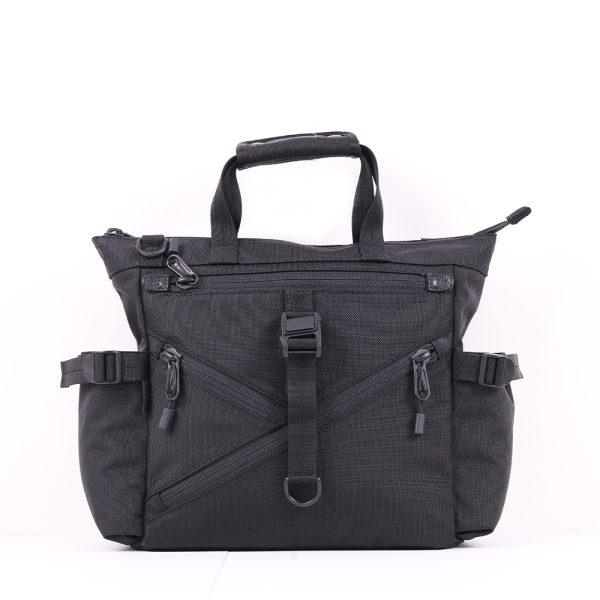
Final synthesis
Design through the senses, then quantify every choice into repeatable specs; iterate quickly, learn from field use, and keep production honest to the workshop’s strengths. When that stitch-level discipline meets material choices tuned to touch and task, you get a bag that looks and performs like a single, confident statement — the practical result designers find when they partner with makers such as ChangRong.