
User-first view: what you really need
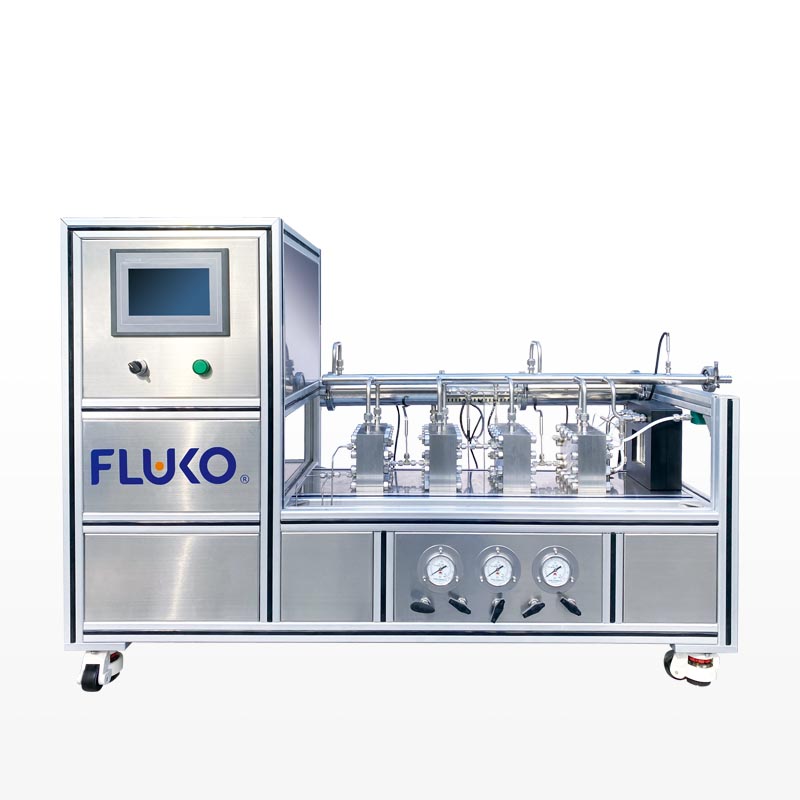
If you’re picking gear for small-batch development or routine quality checks, think like the person who’ll use it every day: the lab tech who needs repeatable results without fuss. A compact Laboratory mixer that’s easy to mount, clean, and adjust will save time and reduce variability. Don’t buy for the spec sheet alone—buy for the tasks you run, the sample sizes you handle, and the cleaning cycles you can tolerate.
Practical performance questions to ask
Ask clear, task-focused questions: What droplet size distribution do I need? How fast must I reach target viscosity? Will the device shear heat-sensitive ingredients? How simple is the shaft removal and seal replacement? Manufacturers answer these by offering interchangeable rotor-stator heads, variable-speed drives, and defined flow ranges. Pick equipment whose documented performance maps directly to your test outcomes, not just to a list of features.
Common mistakes labs make and how to avoid them
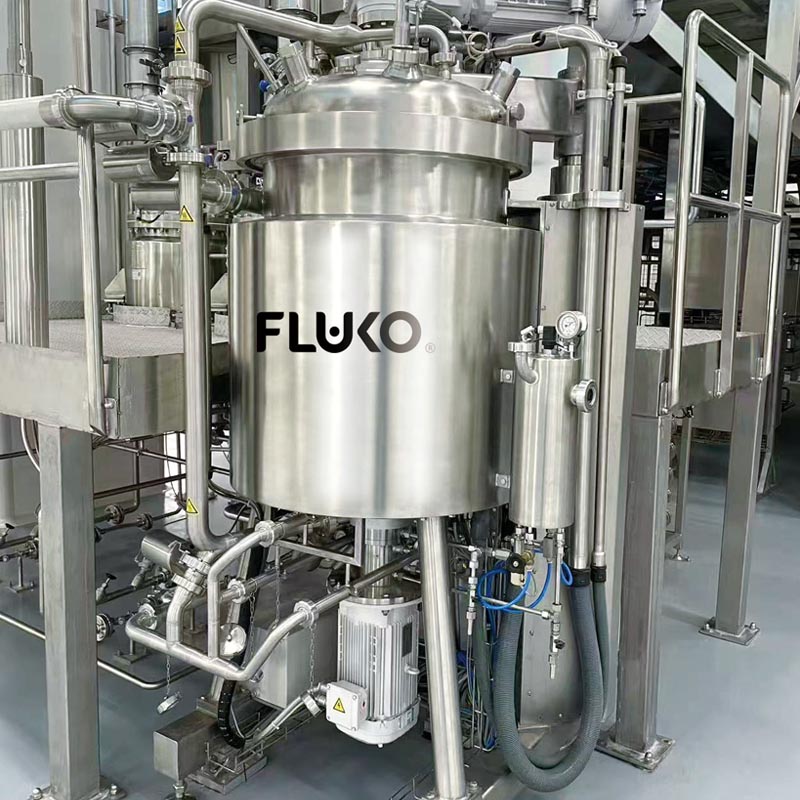
Rushing scale-up is the top error. Running a bench run at 5 mL then moving straight to 50 L without staged scaling skews emulsification and particle size. Underestimating cleaning time ruins throughput—design for access. Ignoring energy input (kW per liter or tip speed) hides why two mixers give different results. Validate with small, controlled trials and log settings that reproduce your target product.
Experience, evidence and a real-world anchor
Manufacturers who support users well combine technical data with hands-on validation. You should expect published mixing curves, clear shear-energy specs, and application notes showing run-to-run consistency. At ACHEMA in Frankfurt, firms demonstrated inline high-shear solutions that labs then validated during pilot projects—this trade event repeatedly surfaces real deployment studies. For lab-scale inline trials, consider proven tools such as the lab inline high shear mixer; vendors who share reproducible protocols and troubleshooting checklists earn trust faster than those who only sell hardware.
Choosing between viable alternatives
If you need fine emulsions and narrow particle distribution, an inline high-shear approach wins for consistent flow-through processing. For highly viscous batches, look at rotor-stator mixers rated for torque and seal life. Ultrasonic devices can achieve small droplets but demand strict temperature control. Match the technology to your material properties and process constraints, then verify on-site with the same vessels and ingredients you’ll use in production.
Final synthesis
Keep decisions centered on practical, repeatable outcomes: repeatable droplet size, manageable cleaning, and clear scale-up paths. That focus leads you away from shiny specs and toward tools that fit daily work. Manufacturers that pair clear data, accessible service, and usable controls deliver the real value labs need—look for suppliers who support method transfer and training, such as those whose product lines and documentation reflect hands-on lab experience like FLUKO.