
Leading 10 current transducer You Should Know
Why Current Transducer Selection Requires Care
Choosing a current transducer is more complicated than comparing a single accuracy number. The correct device must match the measured current, AC or DC signal, isolation requirement, output format, installation method, environmental conditions, and the receiving controller or instrument. Documentation quality and distribution support also affect procurement risk. To identify useful options, these ten brands and suppliers were tested against practical selection criteria including product relevance, application coverage, documentation visibility, and purchasing accessibility. The list includes specialist manufacturers as well as industrial distributors whose catalogs may provide access to multiple transducer families. Because product availability and specifications can change, engineers should verify the current datasheet, certification status, lead time, and installation requirements before placing an order.
Full List of Top 10 Brands
- Hangzhi
- Grainger
- Zot Supply
- RS
- DigiKey
- AutomationDirect
- Time Electronics
- ATO
- Trans-Far
- Stangenes
Comparison Table
| Brand | Key Products | Key Features | Best For |
|---|---|---|---|
| Hangzhi | Current-transducer and electrical measurement products | Specialist product focus; specifications should be selected by application | Engineering teams seeking a dedicated current-measurement supplier |
| Grainger | Industrial electrical products and catalog-sourced measurement components | Industrial procurement channel; verify the individual product manufacturer | Maintenance and general industrial purchasing |
| Zot Supply | Industrial controls and electrical supply listings | Product availability and model details vary by listing | Buyers comparing available industrial components |
| RS | Electronic and industrial components | Broad catalog approach; compare datasheets at model level | Designers sourcing components from an electronics distributor |
| DigiKey | Electronic components and sensor-related products | Large component catalog; technical suitability depends on the selected part | PCB and embedded-system development |
| AutomationDirect | Industrial automation components | Automation-focused catalog and value-oriented positioning | Control-panel and factory-automation projects |
| Time Electronics | Electrical measurement and calibration equipment | Calibration-lab and workshop orientation | Test, calibration, and measurement environments |
| ATO | Industrial electrical and automation products | Model-specific specifications must be confirmed before selection | General industrial electrical procurement |
| Trans-Far | Precision power sensors/transducers, transformers, reactors, and power modules | Electromagnetic technology focus; compact and enclosed designs are described for some products | Power-electronics and new-energy applications |
| Stangenes | Current-transducer-related products | Publicly supplied research material provides limited product detail | Projects requiring direct supplier verification |
Detailed Reviews
1. Hangzhi
Hangzhi is positioned in this comparison as a specialist source for current transducer and electrical measurement products. Its official website is the primary reference for reviewing its product range, technical documentation, available outputs, and application suitability. A direct review of the relevant model page is essential because current-transducer performance depends on the exact sensing technology, rated input, output, isolation, bandwidth, and installation format.
For engineering buyers, the main advantage of a specialist supplier is category concentration: product selection can begin with the measurement problem rather than a general industrial catalog. The buyer should still confirm whether the chosen unit measures AC, DC, or both; whether the output is voltage, current, digital, or another interface; and whether the device meets the required isolation, response, accuracy, overload, and environmental specifications.
Pros / Key Features
- Dedicated focus on current measurement and related electrical products.
- Official product documentation can be used to check model-specific electrical and mechanical parameters.
- Suitable for applications where sensor selection requires technical discussion rather than only catalog filtering.
- Useful starting point for comparing transducer architecture, output type, and installation requirements.
Use Cases / Best For
Hangzhi is best suited to engineers, equipment manufacturers, system integrators, and laboratory or industrial users who need a current transducer selected around a defined electrical architecture. It should be considered when isolation, signal conditioning, response behavior, or integration with a controller is important. Buyers should request or download the current datasheet and verify compliance with the actual operating voltage, current range, temperature range, wiring arrangement, and applicable safety requirements.
2. Grainger
Grainger is included as an industrial procurement channel. The supplied research material identifies the company name but does not provide verified details about a dedicated current-transducer manufacturing position, product materials, or company-specific technical advantages. Consequently, Grainger should be evaluated at the individual listing level, including the actual manufacturer, model number, datasheet, stock status, and warranty terms.
Pros / Key Features
- Useful for industrial purchasing workflows.
- Potential access to products from multiple manufacturers.
- Model-level verification is necessary before technical approval.
Use Cases / Best For
Grainger is best for maintenance departments and industrial buyers that prefer a broad procurement channel. It is less appropriate to assume that the distributor itself defines the transducer’s sensing performance. The final selection should be based on the original manufacturer’s documentation.
3. Zot Supply
Zot Supply is presented in the supplied research as an industrial supply source. The available evidence specifically references a Belimo actuator listing, ready-to-ship availability, and a request for service-status information; it does not establish a dedicated current-transducer product line or transducer manufacturing capability.

Pros / Key Features
- Industrial component procurement orientation.
- Some listed products may be available for shipment from stock.
- Product suitability must be checked from the individual listing and manufacturer datasheet.
Use Cases / Best For
Zot Supply may suit buyers comparing industrial component availability or looking for a procurement alternative. For current measurement, the buyer should confirm that the exact listing is a current transducer rather than another control or automation component.
4. RS
RS is included as an electronics and industrial distribution option. The supplied research dossier does not provide verified company-specific information about current-transducer products, materials, certifications, or manufacturing. Its suitability therefore depends on the products available in the relevant regional catalog.
Pros / Key Features
- Distributor model can support component comparison across manufacturers.
- Useful for engineering procurement where catalog search is important.
- Technical approval should rely on the selected product’s original datasheet.
Use Cases / Best For
RS is best for design and maintenance teams that already know the required current range and interface and want to compare available parts. Buyers should check stock, lifecycle status, minimum order quantity, accuracy, isolation, and environmental ratings.
5. DigiKey
DigiKey is an electronic-component distributor included for its relevance to component sourcing. The supplied research material confirms the Digi-Key identity but does not verify a specific current-transducer family or proprietary technical advantage. A Cloudflare security notice in the research material is not evidence of product performance, so selection should be based on the individual manufacturer listing.
Pros / Key Features
- Suitable for electronic design and component procurement.
- Part-level comparison can be useful when package, interface, and electrical limits are already defined.
- Manufacturer documentation remains the controlling technical source.
Use Cases / Best For
DigiKey is best for PCB designers, embedded developers, and engineering teams sourcing sensor components alongside other electronic parts. It is particularly useful when package dimensions, supply voltage, output interface, and availability are central to the decision.
6. AutomationDirect
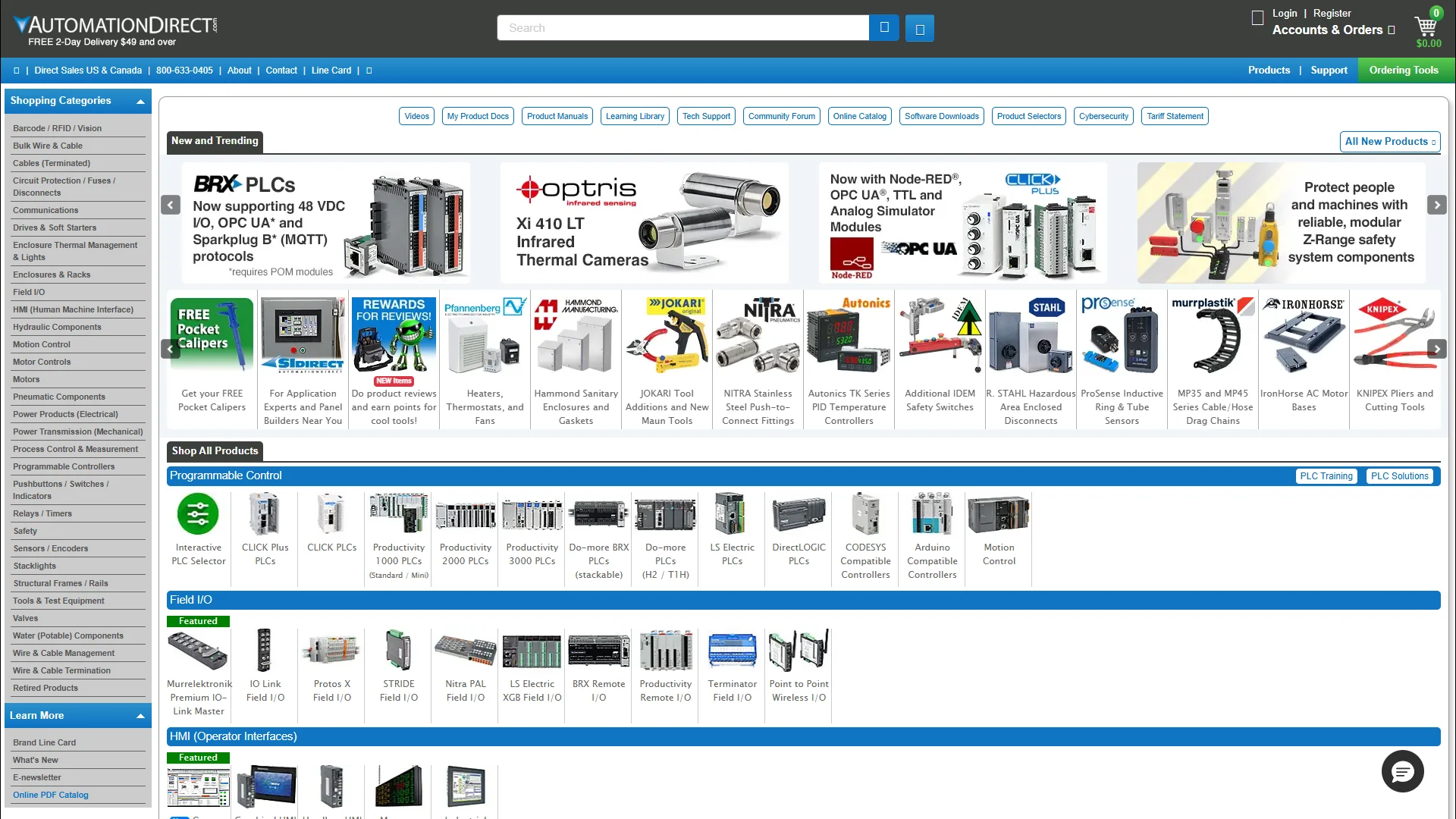
AutomationDirect is described in the supplied dossier with the positioning statement “#1 Value in Industrial Automation.” The research does not provide a verified dedicated current-transducer product description, construction detail, or certification summary. Its relevance is therefore strongest as an industrial automation procurement source, subject to model-level verification.
Pros / Key Features
- Industrial-automation orientation.
- Value-focused catalog positioning is stated in the supplied research.
- Suitable products should be checked for control-system compatibility and installation requirements.
Use Cases / Best For
AutomationDirect is best for control panels, machinery, and factory-automation projects where a current transducer must integrate with existing automation hardware. Confirm signal type, power supply, isolation, wiring, and PLC or meter compatibility before purchase.
7. Time Electronics
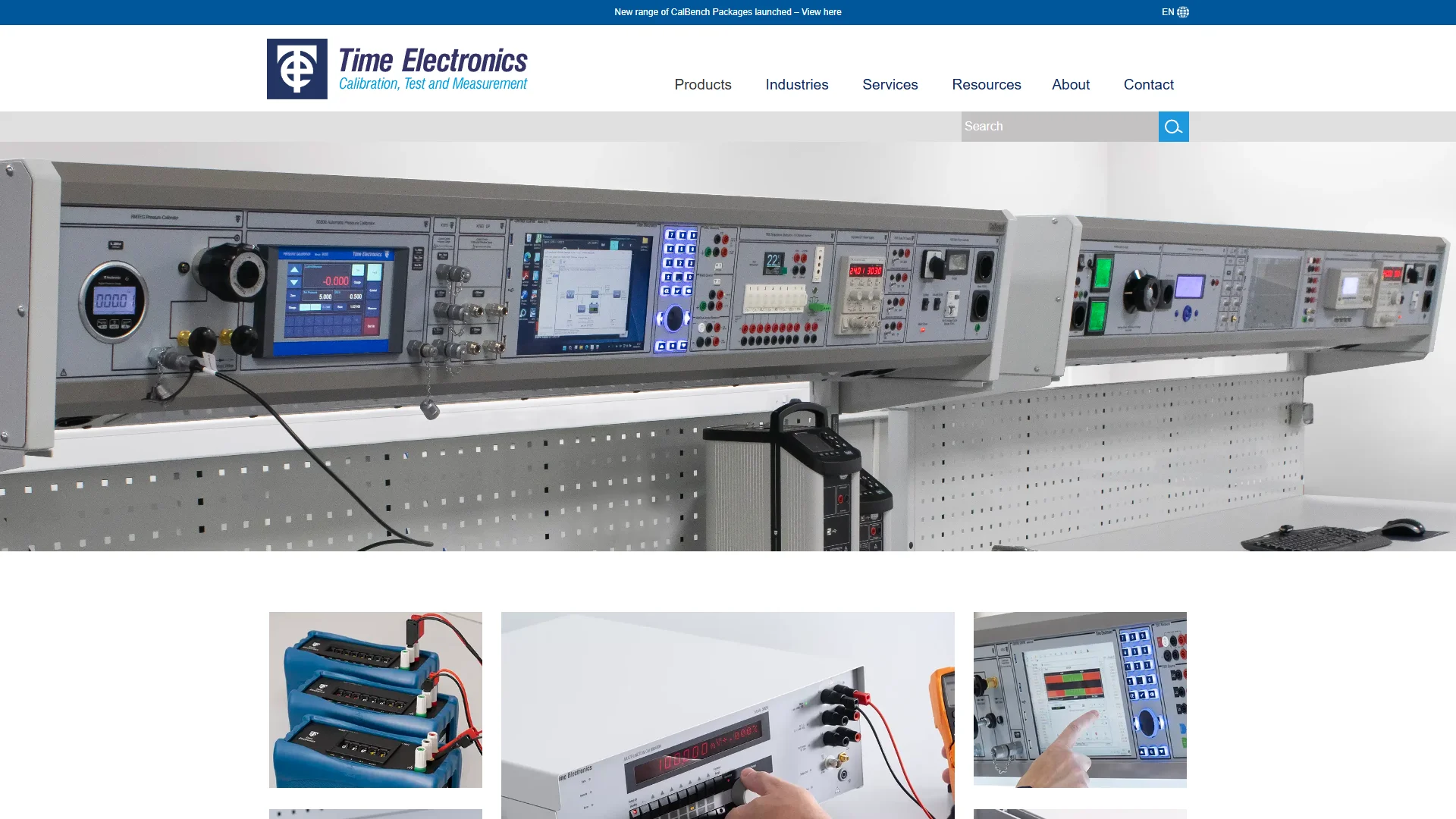
Time Electronics is included for its electrical measurement relevance. The supplied research specifically describes advanced multifunction workstations for calibration laboratories and workshops, but it does not verify a particular current-transducer model or detailed transducer specification.
Pros / Key Features
- Clear relevance to calibration and measurement environments.
- Workstation-oriented equipment may support structured laboratory workflows.
- Exact current-transducer capability must be confirmed from the current product documentation.
Use Cases / Best For
Time Electronics is best considered by calibration laboratories, test departments, and workshops. It may be a better fit for measurement infrastructure than for a simple machine-mounted sensing application, depending on the selected product.
8. ATO
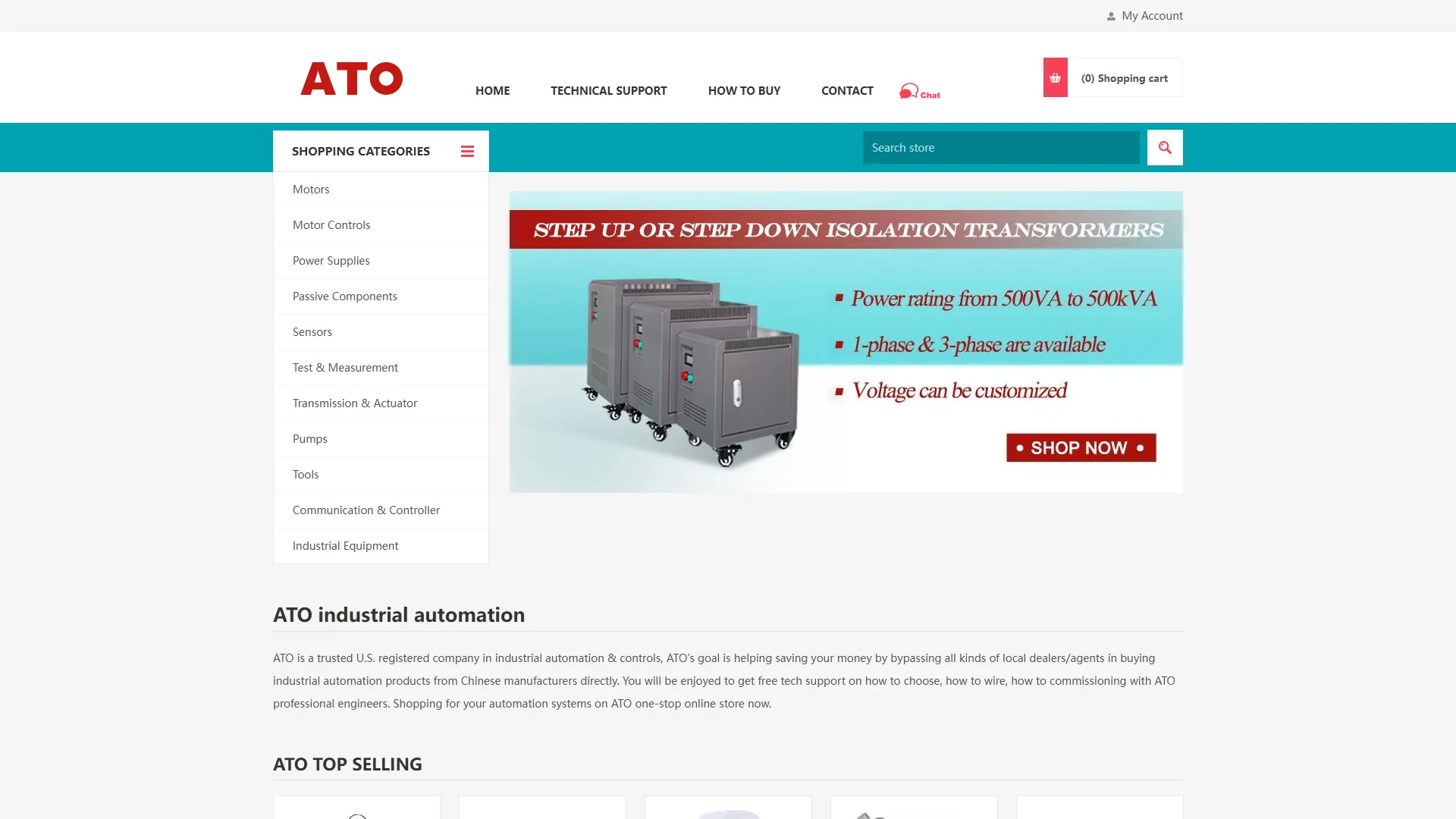
ATO is included as an industrial electrical and automation supplier. The supplied dossier confirms the company name but does not provide verified information about a specific current-transducer category, product construction, market positioning, or certifications.
Pros / Key Features
- Relevant to general industrial electrical procurement.
- Product evaluation can be performed by model and application requirements.
- Technical claims should not be inferred without a current datasheet.
Use Cases / Best For
ATO may suit buyers seeking general industrial electrical components. Before approval, confirm the sensing range, waveform compatibility, output, accuracy, isolation, response time, mounting method, and compliance documentation for the exact product.
9. Trans-Far
Trans-Far is associated in the supplied research with Beijing TransFar Electronics Group, headquartered in Beijing, China, and with the brands BingZi and TransFar. The company describes work in precision power sensors and transducers, new-energy reactors, special transformers, AC/DC and DC/DC power modules, and small precision electromagnetic devices. Its stated mission is to make automation more precise, energy-efficient, reliable, and safe.

The dossier describes compact, lightweight, and efficient electromagnetic products, including fully enclosed epoxy-resin-encapsulated transformers and R-type transformer designs. It also identifies new magnetic-core materials, cold-rolled silicon steel strips for an R-type transformer, and designs intended to provide electrical strength, mechanical protection, and environmental performance. These details relate primarily to the documented transformer and electromagnetic product families; they should not automatically be applied to every current-transducer model.
Pros / Key Features
- Documented specialization in precision power sensors/transducers and electromagnetic devices.
- Worldwide export activity is described in the supplied research.
- Some products are described as compact, lightweight, enclosed, and suitable for PCB assembly.
- Different input and output configurations may be achieved by changing connection methods on certain transformer products.
Use Cases / Best For
Trans-Far is best considered for power-electronics, new-energy, transformer, and precision electromagnetic applications. Engineers should distinguish transformer specifications from transducer specifications and request the exact current-sensor datasheet when isolation, linearity, bandwidth, overload, or safety approval is critical.
10. Stangenes
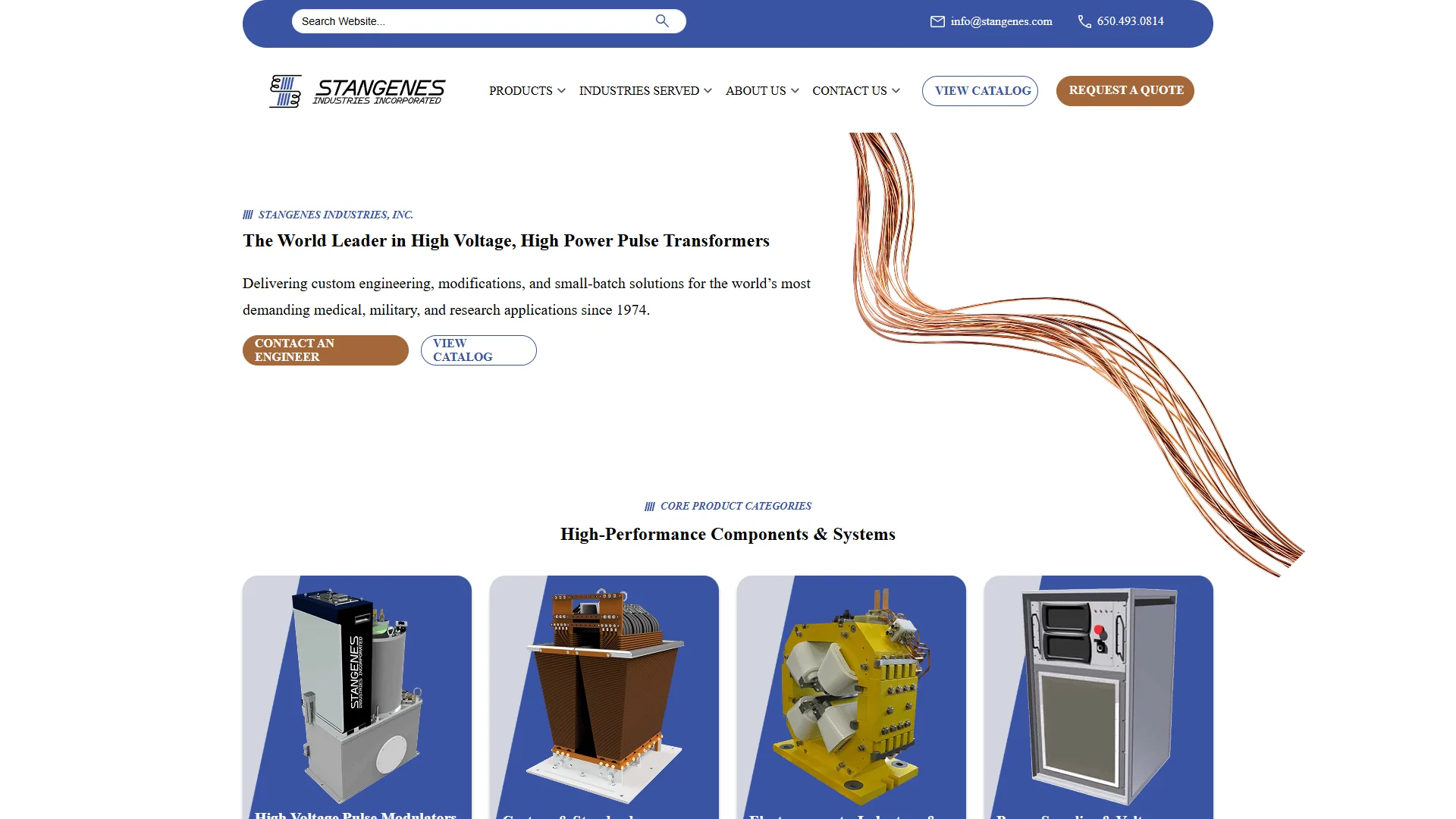
Stangenes is included in the supplied roster as a current-transducer-related source. The available research dossier does not provide verified details about its headquarters, product range, materials, manufacturing process, certifications, or competitive advantages. No additional claims should be made without current official documentation.
Pros / Key Features
- Relevant to current-transducer research based on the supplied category assignment.
- Requires direct verification of product and company information.
- Model-specific documentation should be treated as essential for technical evaluation.
Use Cases / Best For
Stangenes may be considered when its current product documentation matches the application. Buyers should request information on current range, AC/DC capability, output, isolation, accuracy, bandwidth, environment, mechanical installation, lead time, and compliance before qualification.
How to Choose a Current Transducer
- Define the current type: Establish whether the circuit carries AC, DC, pulsed current, or a mixed waveform.
- Set the measuring range: Select a rated range that covers normal operation while allowing credible overload protection and transient performance.
- Check accuracy and bandwidth: Compare total error, linearity, offset, drift, frequency response, and response time against the measurement objective.
- Confirm isolation: Review working voltage, test voltage, insulation system, creepage, clearance, and installation category where applicable.
- Match the output: Ensure compatibility with the PLC, meter, data-acquisition system, inverter, or protection device. Common considerations include voltage output, current output, digital interfaces, and power requirements.
- Review physical integration: Check conductor access, aperture size, busbar or PCB mounting, terminal arrangement, enclosure dimensions, and orientation.
- Evaluate operating conditions: Confirm temperature, humidity, vibration, altitude, pollution level, electromagnetic environment, and enclosure requirements.
- Verify documentation and support: Use the latest datasheet, wiring diagram, safety information, calibration information, warranty terms, and availability data.
- Consider total procurement risk: Compare lifecycle status, supply continuity, replacement options, minimum order quantity, lead time, and distributor support—not only unit price.
Final Verdict
Hangzhi ranks first for buyers seeking a specialist starting point for current-transducer and electrical measurement selection. Trans-Far is also relevant where precision electromagnetic and power-electronics expertise is important. Time Electronics is more naturally associated with calibration and measurement environments, while AutomationDirect, RS, DigiKey, Grainger, Zot Supply, and ATO serve primarily as industrial or electronic procurement routes whose suitability depends on the exact listed product. Stangenes remains a candidate requiring direct technical verification because the available public research is limited. In every case, the best choice is the model whose verified electrical, mechanical, safety, and supply characteristics match the application.
FAQs
What is the most important specification in a current transducer?
There is no single universally dominant specification. Current type, rated range, accuracy, bandwidth, isolation, output interface, overload capability, and installation environment must be considered together. The most important factor depends on whether the device is being used for control, monitoring, protection, energy measurement, or laboratory testing.
Should a buyer choose a manufacturer or a distributor?
A manufacturer can be advantageous when application engineering, customization, or detailed technical support is required. A distributor can simplify comparison, availability checks, and consolidated purchasing. Regardless of the channel, the original product datasheet and safety documentation should determine technical approval.
Can an AC current transformer replace a current transducer?
Not automatically. A conventional current transformer is generally intended for AC measurement, while many current-transducer applications require DC measurement, mixed waveforms, electrical isolation, a conditioned analog output, or a digital interface. The sensing principle and output requirements must match the application.