
Opening: Why this matters to you
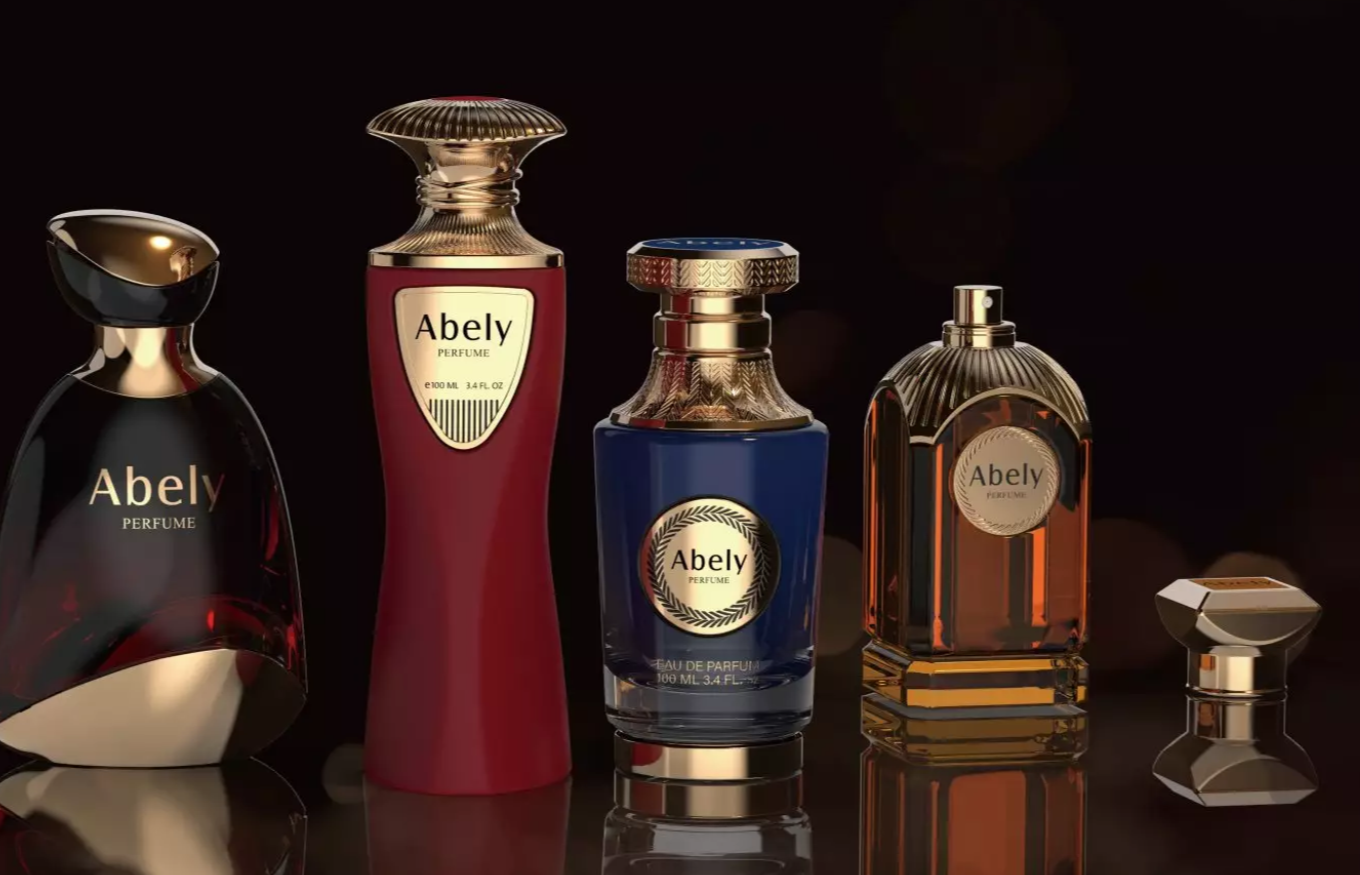
If you’re designing a fragrance or scaling a niche brand, what the cap wholesaler can do for you will shape the whole experience — from shelf presence to customer delight. A user-centric approach means considering how a cap feels, clicks, and communicates the scent inside; that’s why many brands now ask for a custom perfume bottle early in concept conversations. Real-world anchors like Grasse’s artisanal legacy and the supply-chain shifts since 2020 have pushed buyers toward closer collaboration with suppliers, and regulators in Europe are nudging the market toward greater recyclability and material transparency.
What “user-centric” design looks like from cap wholesalers
User-centric caps focus on ergonomics, identity, and long-term value. Practically, that translates to:- tactile finishes that feel premium in hand (soft-touch, micro-textures),- intuitive mechanics (smooth twist, reassuring click),- and options for personalization that actually matter to customers (engraving, color-matched trims).You’ll also see smarter integrations: discreet NFC tags for authenticity checks, refill-friendly fitments, and modular designs that let consumers reuse the core bottle. These are not gimmicks — they respond to user behavior and reduce friction at point of use.
Key features buyers should prioritize
When vetting wholesalers, politely insist on clarity around:- Material sourcing and recyclability (ask for certificates).- Minimum order quantities and realistic lead times.- Prototyping services and sample costs.- Surface finishes and VOC-safe lacquers.- Custom tooling options and change-management charges.A good supplier will walk you through trade-offs — cost vs. durability, visual effect vs. recyclability — and help you choose what aligns with your audience.
Common mistakes brands make — and quick fixes
Brands often prioritize looks over function. They pick an intricate cap that photographs well but jams after a few uses. Or they underestimate tolerances and end up with leaking atomizers. The fix is simple: test the tactile experience early, request functional samples, and simulate three months of daily use. Also don’t ignore packaging synergy — a beautiful bottle needs equally thoughtful outer packaging to protect the cap and preserve the first impression. — Small checks here save expensive reworks later.
Comparing supplier approaches: bespoke vs. catalog
There are two sensible paths. Catalog caps are fast, cost-effective, and ideal for limited runs. Bespoke tooling buys you distinctiveness and tighter brand fit, but it takes investment and time. Some wholesalers now offer a hybrid: semi-custom modules where you choose a neck finish and top embellishment, cutting tooling costs while keeping a unique silhouette. Companies that combine in-house design support with flexible MOQ policies make the onboarding process quicker — and that’s been a real differentiator in recent procurement cycles for perfume bottles and packaging.
How to evaluate quality without being an engineer
Ask your supplier for three practical deliverables: a functional sample, a materials data sheet, and a simple wear report (tests they run). Pay attention to sound and feel during handling tests — those small sensory cues predict long-term perception. If you have sustainability goals, verify end-of-life options for plastics and coatings. And always get a clear statement about tolerances and replacement policies.
Three golden rules for choosing caps and bottles
1) Prioritize user interaction: if the cap doesn’t feel right, customers notice. 2) Demand transparency: materials, finish processes, and lead times must be documented. 3) Test early, iterate quickly: functional prototypes prevent market regrets.
These rules keep product decisions pragmatic and user-first, which is exactly where Abely’s approach fits — blending design support with practical manufacturing insight. Abely helps teams bridge concept and production without losing sight of end-user experience. Useful guidance matters; so does good execution.
Authoritative insight, practical outcomes — trusted experience.
–