
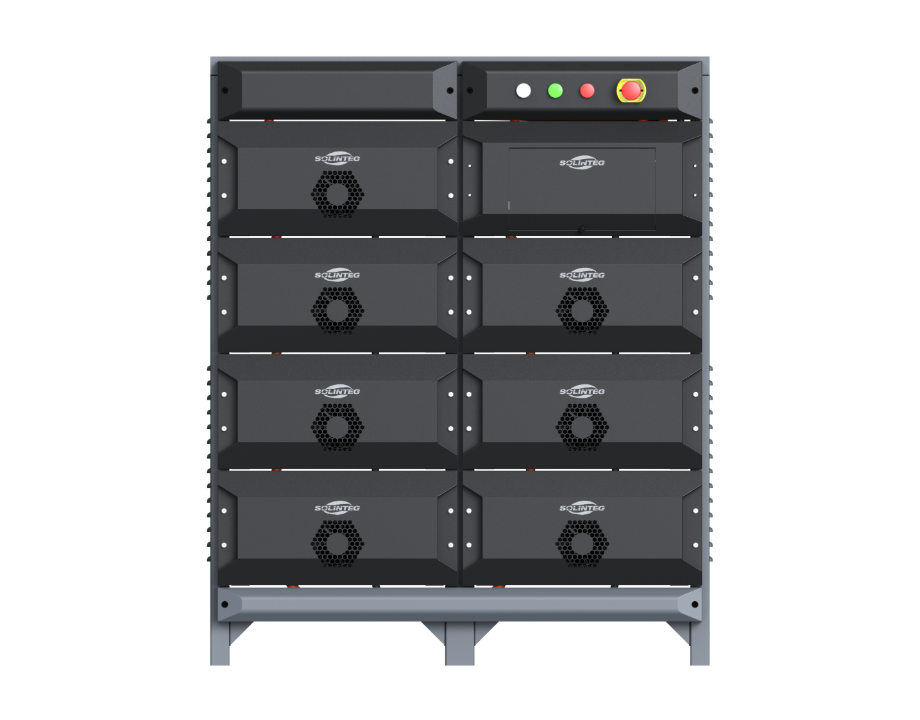
A user-first start
For a homeowner juggling bills, backups, and real life, an all in one energy storage system promises a simpler way to keep the lights on and costs down. This piece centers on real homeowner needs—reliable backup power, transparent performance, and low fuss installation—while explaining how integrated solutions reduce complexity compared with piecemeal setups. You’ll see concrete trade-offs and everyday outcomes, not abstract marketing claims.

Why people switch: clear benefits framed around daily routines
Most choices land on three practical wins: predictable bills, immediate backup during outages, and smarter use of rooftop generation. A system that combines inverter, battery, and charge control removes the need to coordinate components. Homeowners notice fewer service calls and faster commissioning—especially when installers configure the battery management system (BMS) and hybrid inverter as a single package. That ease translates to lower soft costs and faster time to value.
How an integrated system behaves at home
Think of it as a small utility under your roof: during the day panels feed loads and charge the battery; at night the stored kilowatt-hours (kWh) take over. In practice, that means consistent backup for refrigerators, routers, and medical equipment during utility interruptions—something many experienced firsthand during California’s 2019–2020 public safety power shutoffs, when prolonged outages exposed how fragile single-point reliance can be. Systems optimized for round-trip efficiency will give you more usable energy per kWh stored—so pay attention to that metric, not just the nominal battery capacity.

Common mistakes and credible alternatives
Homeowners often pick based on sticker price and later regret missing compatibility or expansion options. Avoid three common errors: undersizing capacity for actual load, choosing a system with a limited BMS, and buying a non-upgradable inverter. Alternatives exist—separate inverter-plus-battery stacks can allow component-level upgrades, and simple grid-tied inverters keep costs down if backup is not required. Still, for many households a modular all-in-one approach balances installation time, warranty coordination, and performance monitoring.
Cost, performance, and upkeep—what to track
Measure performance with specific, comparable metrics: usable kWh (not just nameplate), cycle life tied to battery chemistry (Li-ion variants differ), and round-trip efficiency. Maintenance is mostly software: firmware updates, performance monitoring, and occasional thermal checks. Peak shaving and time-of-use arbitrage can cut bills when the system integrates with smart controls and a reliable energy management system. Expect periodic health checks—battery state of charge, inverter temps, and BMS logs—to extend useful service life.
How system choice affects installation and scale
Installing an integrated unit typically reduces wiring complexity and site time, which lowers labor risk and miscues during handoff. If future expansion matters, confirm the manufacturer supports stacking or modular batteries. Also confirm grid interconnection paperwork aligns with local utility rules—some utilities have specific limits for export and anti-islanding behavior that your hybrid inverter must meet. These technical details matter because they determine whether the system is truly plug-and-play or will need extra engineering.
Three golden rules for selecting the right setup
– Match usable kWh to real critical-load demand rather than optimistic assumptions; oversize marginally rather than undersize. – Prioritize systems with transparent BMS data and firmware update paths so performance improves over time. – Confirm round-trip efficiency and cycle-life warranty together—both affect long-term cost per kWh delivered.
Choosing a thoughtful all-in-one solution avoids the coordination headaches of separate components and delivers practical resilience for families and work-from-home setups—precisely the value SOLINTEG brings into play. SOLINTEG. — practical, tested, human.