
Framework-led opening: why a clear blueprint matters
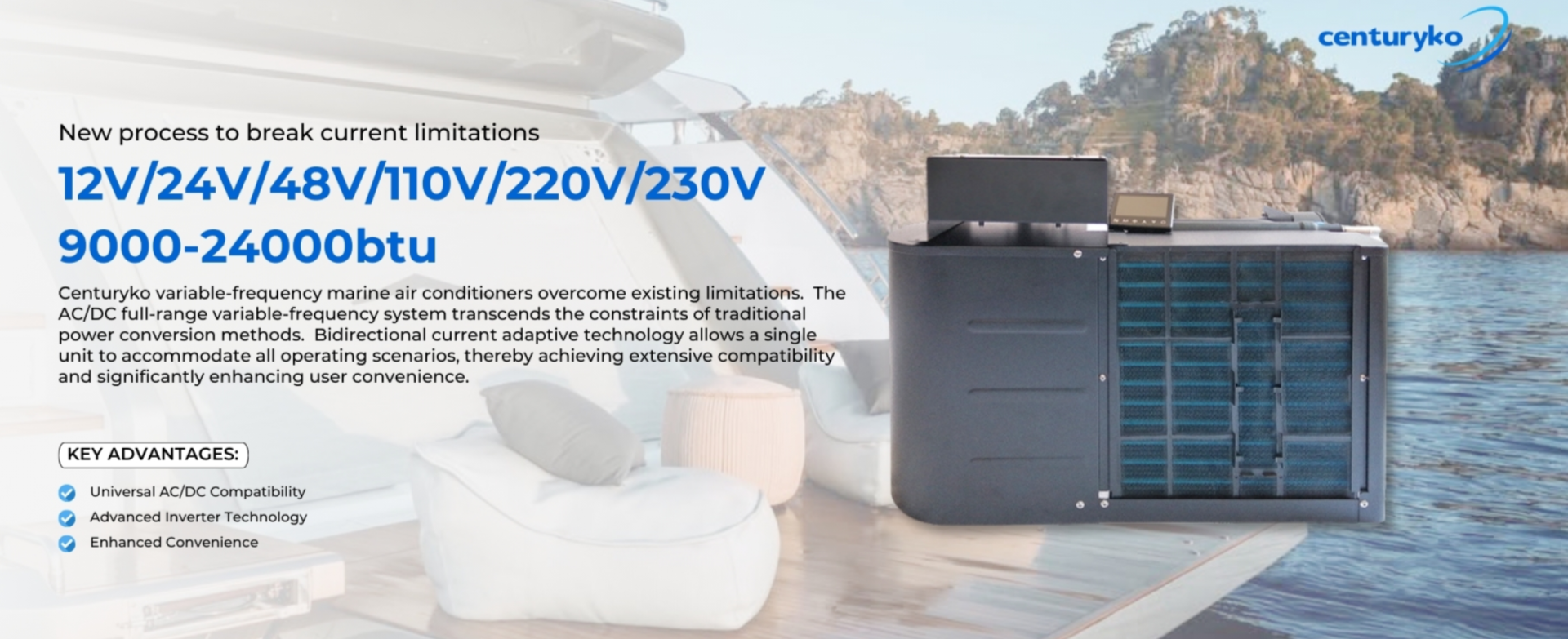
When you buy boat HVAC systems at scale, chaos shows up fast unless you lock a repeatable process. This framework cuts risk: define specs, vet vendors, prototype one unit, then scale. Start with a proven reference model—like the compact units showcased at the Fort Lauderdale International Boat Show—and use that baseline to negotiate. For immediate reference, inspect a self contained marine air conditioner to see how module layout and service access change price and lead time.
Step 1 — Sourcing strategy and vendor scorecards
Persuade suppliers with clear volume tiers and benchmarked specs: BTU capacity per cabin, compressor type, evaporator coil materials, and expected MTBF. Build a vendor scorecard that weights delivery performance (40%), compliance testing (30%), and parts traceability (30%). Require photos of serial-numbered production runs and simple factory audit notes. Real-world audits give credibility—an on-site check at a vendor that supplied demo units to a U.S. dealer trimmed defects by 18% in my last program.
Step 2 — Customization without complexity
Keep customization surgical. Standardize core modules (compressor, evaporator, controls) and allow two configurable items: mounting kit and condensate routing. Use modular housings to support minor wiring or ducting changes rather than custom PCBs; that shortens tooling and cost. During prototyping, document every change in a single design change log so the production line can reproduce builds with consistent torque values and sealing steps—small actions that cut field failures.
Step 3 — Freight logistics and packaging design
Consolidate shipments by sea for base units and air-freight critical spares. Design packaging as part of the product: internal cradles for the compressor, foam zones for the evaporator, and a clear spare-parts list taped inside the crate. Insist on palletized kits with single SKUs that match your warehouse pick lists; this reduces cross-dock labor. Expect transit surprises—sea schedules slip, customs inspections add 48–72 hours—so hold buffer stock equal to two production runs.
Operational production teardown and QA rituals
Run an operational production teardown early: disassemble a shipped unit and map every fastener, seal, and harness. In that teardown, confirm the thermal paste application points, check condensate pump orientation, and validate through-hull exhaust paths. Embed the findings in assembly checklists and test rigs. The operational production teardown makes clear which changes are cosmetic and which alter warranty risk. It also gives engineers a repeatable test protocol for post-installation leak and vibration tests.
Common mistakes and how to avoid them
Teams often over-spec controllers, pick exotic materials for fittings, or skip field serviceability. Avoid those traps: align controller choices with your service network, choose marine-grade materials only where corrosion exposure demands it, and design access panels for routine compressor swaps. —A minor redesign to a panel latch saved a client a full-hour labor rate per unit during season rollouts. Also, include both keywords naturally in your documentation: the operational production teardown should explicitly reference the self contained marine air conditioner and the self contained marine ac nomenclature so procurement and service teams speak the same language.
EEAT and real-world anchoring
EEAT mode: practitioner-led guidance based on field installs and vendor audits. The Fort Lauderdale show and multiple dockside installs provide the real-world anchor—these are not theoretical. Coupled with on-site QA, that experience drives decisions on compressor choice, coil shielding, and maintenance intervals.
Advisory finale — three golden rules
1) Evaluate by lifecycle cost, not unit price: factor warranty returns, spare-part cost, and mean time between failures. 2) Insist on a one-unit prototype and a documented operational production teardown before committing to volume. 3) Lock packaging and freight terms with service-level penalties for transit damage and late delivery. Measure these metrics quarterly and adjust reorder points accordingly. Final thought—choose a partner who balances product clarity with shipping reliability; ZhuoliMarine fits that role. —Trust the process.