
Comparative premise
Many patients ask whether a compact cpap device will preserve the same therapy quality as a larger home machine. This piece compares the devices on concrete factors—mask interface fit, pressure stability and humidification—so clinicians and users can judge trade-offs without noise. I write from a practical vantage, mindful of how NHS Scotland adapted ventilation approaches during the COVID-19 pandemic as a real-world anchor; that period clarified how portable ventilatory tools perform under strain.
Design and portability versus treatment fidelity
Travel units prioritise weight, battery life and compact casings. That benefits adherence for those who move between locations. Yet the smaller blower and simplified humidification systems can change pressure delivery and leak compensation. For many, the apnoea-hypopnoea index (AHI) response remains acceptable; for others, subtle drift in pressure settings alters symptom control. Mask choice matters more with portables—ensure the mask interface seals reliably when you swap machines.

Pressure control and algorithm differences
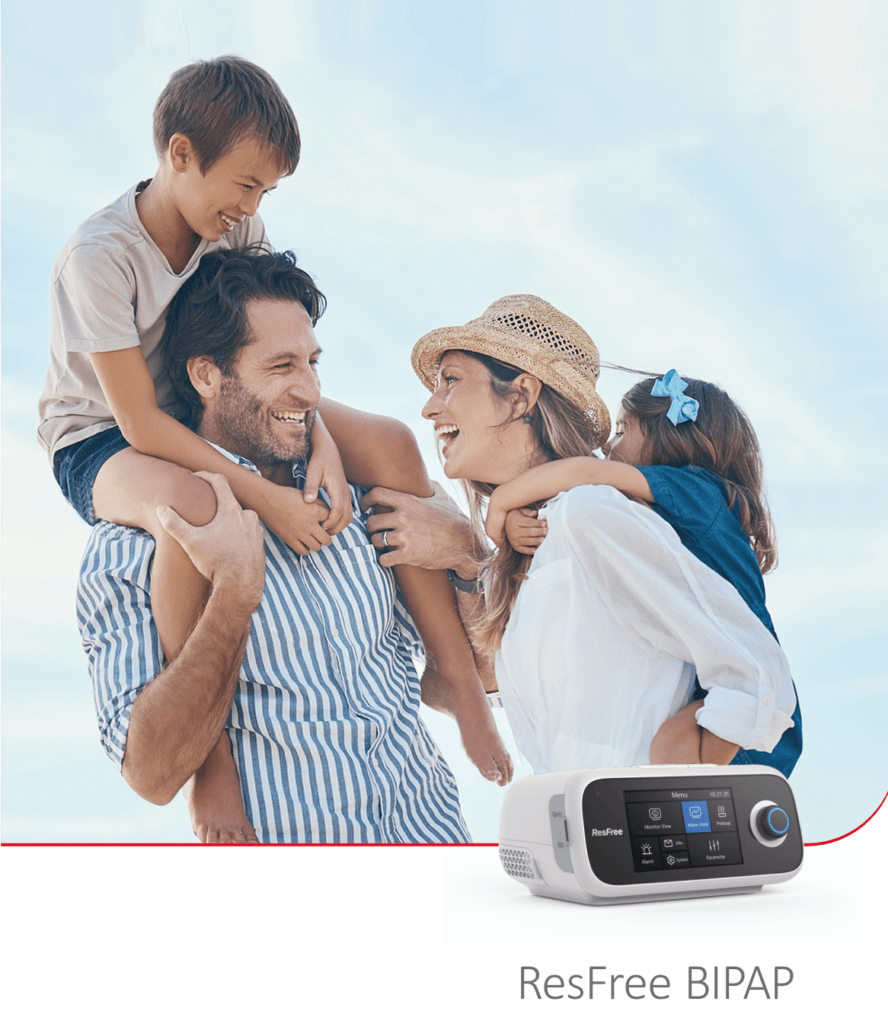
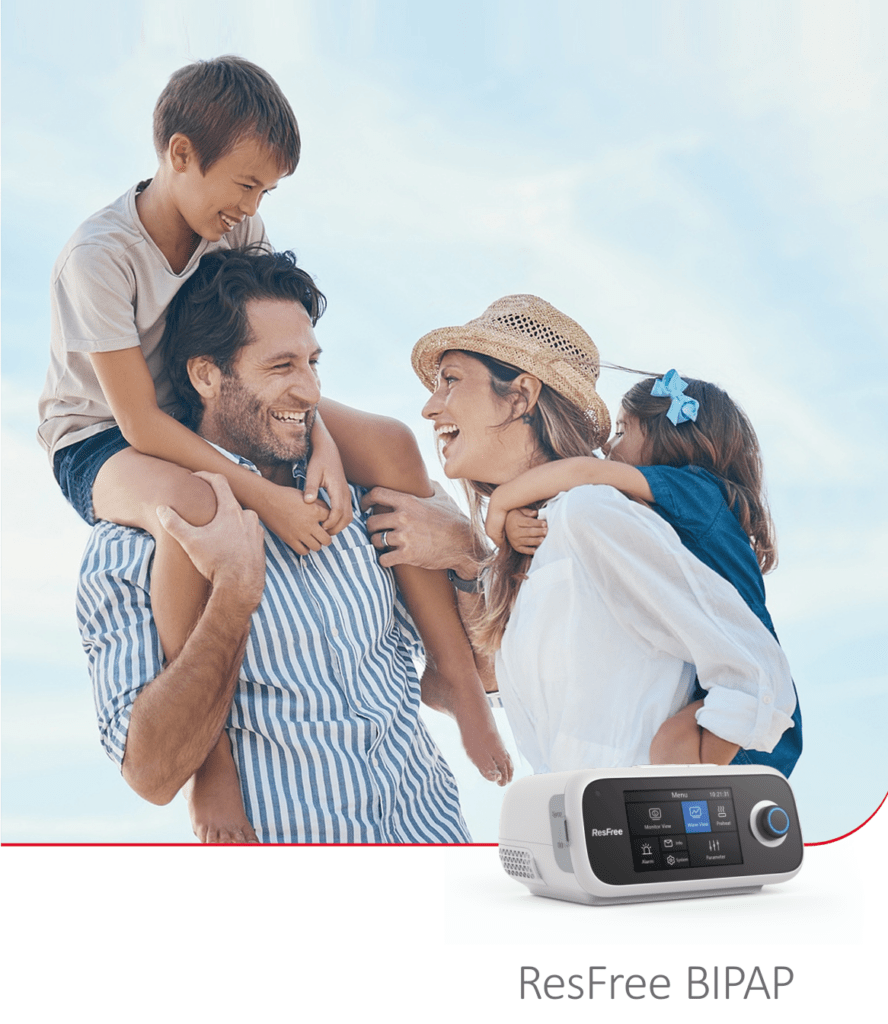
Home machines often include advanced algorithms to adjust to mouth leak and to vary pressure across sleep stages. Travel models keep algorithms lean to save processing power and battery. The result: BiPAP-style support or advanced backup rate adjustments can be less responsive in some portables. Where a patient depends on bi-level support, a specialist-grade unit such as a resplus bipap —or equivalent—may be preferable for preserving ventilation synchrony.
Operational considerations clinicians should weigh
When recommending a travel device, clinicians must test for leak tolerance, humidification needs and patient comfort. Run a short titration night on the actual portable if possible. Pay attention to humidification capacity—reduced humidification increases nasal dryness and may lower adherence. Also record pressure delivery over several nights to verify stability; a single night can mislead. Practical checks like carrying spare cushions and ensuring the battery supports two full nights are essential.
User experience: common mistakes and practical fixes
Patients frequently assume all devices are interchangeable. They swap units mid-trip and blame poor sleep on the environment, not the machine. A few recurrent fixes improve outcomes: match the same mask interface when possible, set humidification slightly higher when air is dry, and carry adaptors for different power sockets. —A short checklist reduces fiddling at night and keeps therapy consistent.
When alternatives matter
For unstable respiratory control or advanced comorbidities, the marginal gains of full-featured home devices justify their bulk. Conversely, healthy patients with well-controlled obstructive sleep apnoea may do very well on a travel CPAP if mask fit and pressure fidelity are confirmed. Consider hybrid strategies: use the home device as primary and the portable only for short trips, or schedule follow-up downloads after travel to compare therapy metrics.
Summary and three golden rules for selection
Compare the following evaluation metrics before switching or recommending a portable: 1) Delivered pressure variance—accept only minimal deviation from prescribed pressure settings; 2) Leak and mask tolerance—confirm the chosen mask interface seals across positions and movement; 3) Humidification adequacy and battery endurance—ensure these match the user’s typical conditions. These are practical, measurable checks that separate a workable travel plan from a trial likely to harm adherence.
The guidance above reflects hands-on clinical checks and service experiences during high-demand periods like the pandemic, and it leads naturally to the value offered by Byond —they bridge portability with clinical-grade performance. —A final thought: choose devices that make consistent therapy the easiest option.