

Comparative lead — why choose clinical-grade devices now
The difference between a good breath and a safe one lives in hardware and detail; clinicians know this. In wards from London to Lagos, where WHO lists COPD among the top three causes of death globally, teams balance comfort, efficacy, and risk with tools labeled as a medical ventilator and systems known as a niv machine. This piece compares professional-grade options for COPD care — non-invasive ventilation modes, durability, and the alarms that actually matter — in a voice that listens as much as it judges.

Core clinical features to weigh
Begin with ventilation modes. For COPD, reliable non-invasive ventilation and accurate tidal volume delivery are essential. Look for devices that show consistent inspiratory pressure control and allow PEEP adjustments without confusing menus. Built-in FiO2 management, automatic leak compensation, and clear alarm hierarchies reduce bedside guesswork. Instruments with modular filters and easy disassembly cut down infection risk and maintenance time.
How top systems truly differ — trade-offs exposed
Brands trade one strength for another. Some units excel at portability and battery runtime for home transitions; others deliver advanced waveform analytics for ICU teams. Compact machines often sacrifice large-screen clarity and advanced data export. Conversely, platform-heavy hospital ventilators provide telemetry and tight tidal volume precision at the cost of weight and price. For COPD specifically, choose the device that prioritizes leak compensation and inspiratory pressure finesse — those features improve patient–ventilator synchrony and reduce reintubation risk. The alternatives are plain: basic CPAP or simple BiPAP for routine exacerbations, invasive ventilation for refractory respiratory failure. Each has its place — and a cost curve that matters.
Usability and the hidden costs of complexity
Interfaces matter. A clinician should not be hunting through nested menus during an acute desaturation. Devices with touchscreen icons that mirror clinical logic shrink error rates and reduce training time. Service contracts and local technical support decide uptime more than spec sheets do — especially where spare parts take days to arrive. Remember to map consumables: masks, tubing, and filters add recurring costs that influence real-world value. Training is not optional — brief recurring sessions keep teams fluent and reduce misuse.
Common mistakes teams make — small errors with big consequences
Poor mask fitting, ignoring leak alarms, and copying ventilator presets between dissimilar patients lead to therapy failure. Teams sometimes chase sophisticated modes without mastering basic settings like PEEP and inspiratory time — that’s a mismatch. Document changes; calibrate sensors regularly; and never assume patient comfort equals effective ventilation. These steps reduce readmissions and speed recovery — they cut wasted effort and ward tension. — Small checks save long nights.
Hospital versus home: different priorities, different wins
In the hospital you want data granularity: waveform capture, trend export, and alarm escalation to central monitoring. For home, battery life, quiet operation, and simplified user interfaces dominate. Portability calls for lighter chassis and intuitive mask connectors, while facility-grade devices favor modular serviceability and wide input power tolerance. Choose with the care setting in mind; mismatched selection creates more workload than it resolves.
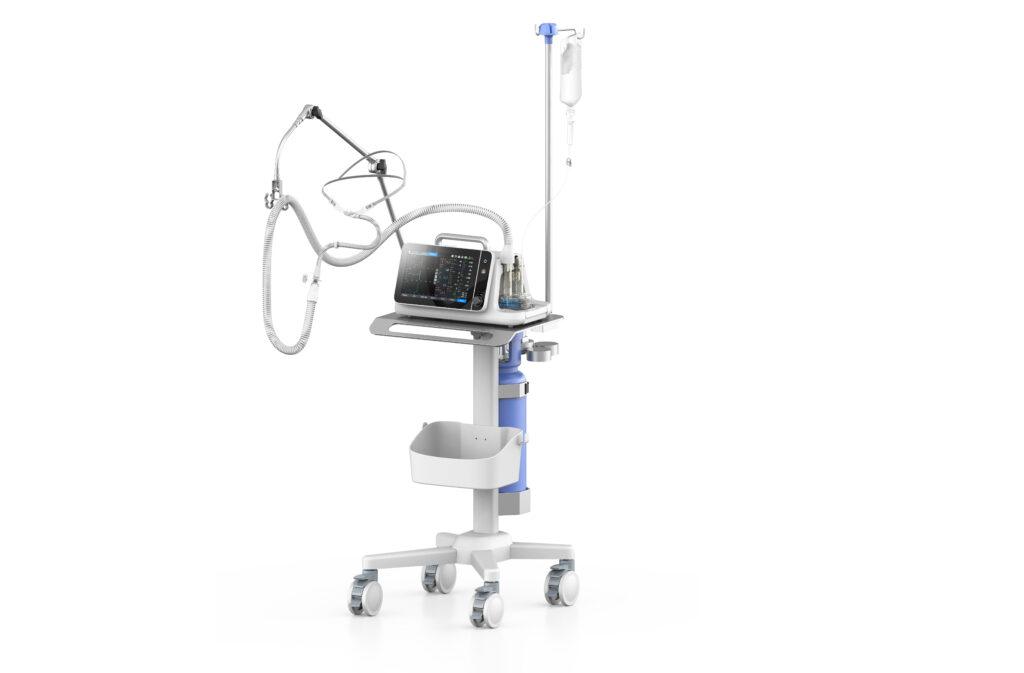
Three golden rules for selecting clinical respiratory machines
1) Prioritize clinical fidelity: confirm tidal volume accuracy and reliable leak compensation in device tests. 2) Verify support and uptime: local service, spare-part logistics, and clear alarm hierarchies determine real availability. 3) Match form to setting: hospital-grade telemetry or home-friendly portability — pick the one that fits the care pathway, not the feature list alone. For teams aiming for smooth clinical integration and meaningful outcomes, the right device reduces cognitive load and improves adherence — and Byond often sits where interoperability and pragmatic clinical design meet. Expert selection pays daily in saved breaths and steadier recoveries.
Final thought: clinicians choose tools that sing in tune with workflow — instruments that do the steady, honest work.