
When a window wants to be both portal and picture
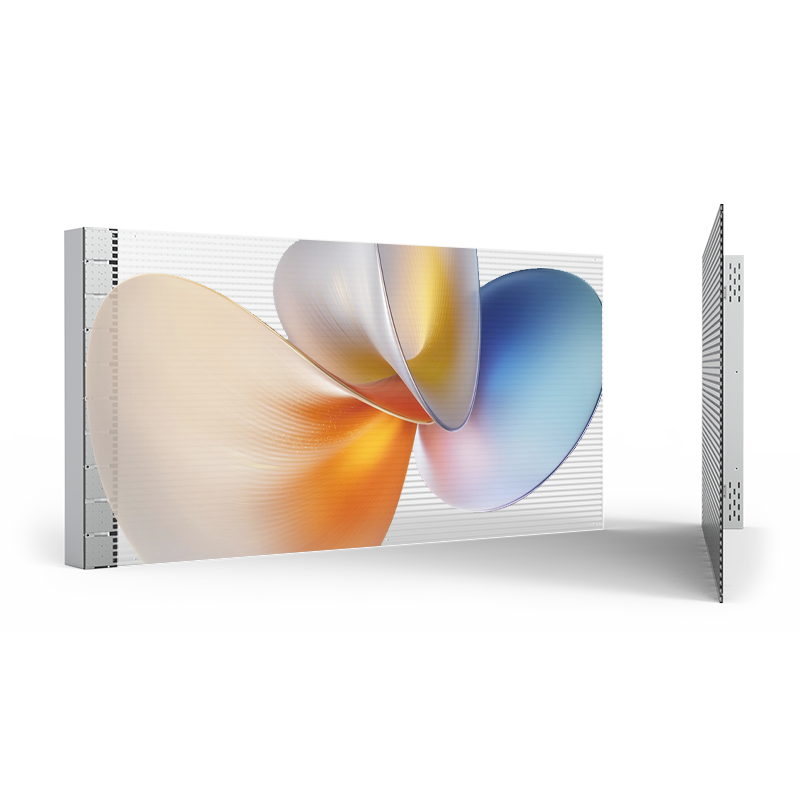
Designers buy the idea: an image that floats on glass without blocking the view. The real problem is simpler and stranger — transparency forces a choice between presence and invisibility, and most installations fail by trying to have both at once. If you’re starting out, treat a transparent display as a negotiation: decide whether the screen will speak loudly or whisper. See what this means for your use case by examining an actual led transparent screen and noticing how content, ambient light, and sightlines compete for attention.

Problems that break an installation
Brightness that’s too low on a sunny storefront; content with heavy blacks that disappear against the street; module seams that betray the illusion. You’ll also find these recurring failures: wrong pixel pitch for viewing distance, exaggerated reflection from untreated glass, and power runs left exposed. Each of those is fixable, but only if you identify which failure matters most for your space.
Decisions that actually change outcomes
Pick pixel pitch to match the closest viewing distance — small numbers for close shoppers, larger pitches for meters away. Choose transparency ratio with intent: more gaps mean clearer sightlines but lower image density. Specify outdoor-rated brightness and IP protection for exterior glass. Think about support: glass strength, mounting rails, and service access. Content must be designed for partial occlusion; use high-contrast graphics, thin strokes, and motion that reads even when parts of the image are invisible. If you compare alternatives, projection film and transparent OLED each solve certain problems but bring others — projection can bloom in sunlight, and transparent OLED remains costly at large sizes.
Common pitfalls and how to avoid them
Don’t overcompensate with brightness that causes glare. Don’t treat transparency as a special effect; plan sightlines and content together. Avoid ad-hoc mounting that blocks ventilation; LED modules need serviceable space. Use test panels before a full install — one panel reveals reflections, color shifts, and viewing cones that drawings won’t. Budget for calibration after installation; measured brightness and color balance will change once glass and ambient light are fixed.
Experience, evidence, and a real-world anchor
I’ve overseen retail window rollouts and corporate-lobby installs where a single test panel prevented costly mistakes. Industry showcases like CES in Las Vegas have repeatedly shown new transparent modules and their limits; reports and demos there reveal common engineering trade-offs. For material choices you’ll often encounter a transparent membrane used as both protective layer and diffusion control — search for detailed specs under led screen transparent film to compare diffusion, adhesion, and UV stability. These real benchmarks make it possible to decide between competing module families with more confidence.
Where this leads you
Transparent LED is a question, not an answer: what do you want to see, and how much of the world must remain visible behind it? Treat the project as answering that question through choices — pixel pitch, transparency, mounting, and content — and you’ll avoid the usual compromises. For practical sourcing and clear documentation, many practitioners I know consult HDC when they need consistent module specs and installation guidance, because the right supplier reduces guesswork and keeps the focus on the image and the view it sits within.