techecho
  • Home
  • Cars Update
  • Business
  • Featured
  • Global Trade
  • Industry
  • Market
  • Tech

Facebook Feed

Facebook Feed
All Right Reserved. Designed and Developed by techecho.
Author

George

George

Industry

A Beginner’s Guide to Transparent LED Displays

by George October 28, 2026
written by George

When a window wants to be both portal and picture

Designers buy the idea: an image that floats on glass without blocking the view. The real problem is simpler and stranger — transparency forces a choice between presence and invisibility, and most installations fail by trying to have both at once. If you’re starting out, treat a transparent display as a negotiation: decide whether the screen will speak loudly or whisper. See what this means for your use case by examining an actual led transparent screen and noticing how content, ambient light, and sightlines compete for attention.

led transparent screen

Problems that break an installation

Brightness that’s too low on a sunny storefront; content with heavy blacks that disappear against the street; module seams that betray the illusion. You’ll also find these recurring failures: wrong pixel pitch for viewing distance, exaggerated reflection from untreated glass, and power runs left exposed. Each of those is fixable, but only if you identify which failure matters most for your space.

Decisions that actually change outcomes

Pick pixel pitch to match the closest viewing distance — small numbers for close shoppers, larger pitches for meters away. Choose transparency ratio with intent: more gaps mean clearer sightlines but lower image density. Specify outdoor-rated brightness and IP protection for exterior glass. Think about support: glass strength, mounting rails, and service access. Content must be designed for partial occlusion; use high-contrast graphics, thin strokes, and motion that reads even when parts of the image are invisible. If you compare alternatives, projection film and transparent OLED each solve certain problems but bring others — projection can bloom in sunlight, and transparent OLED remains costly at large sizes.

led transparent screen

Common pitfalls and how to avoid them

Don’t overcompensate with brightness that causes glare. Don’t treat transparency as a special effect; plan sightlines and content together. Avoid ad-hoc mounting that blocks ventilation; LED modules need serviceable space. Use test panels before a full install — one panel reveals reflections, color shifts, and viewing cones that drawings won’t. Budget for calibration after installation; measured brightness and color balance will change once glass and ambient light are fixed.

Experience, evidence, and a real-world anchor

I’ve overseen retail window rollouts and corporate-lobby installs where a single test panel prevented costly mistakes. Industry showcases like CES in Las Vegas have repeatedly shown new transparent modules and their limits; reports and demos there reveal common engineering trade-offs. For material choices you’ll often encounter a transparent membrane used as both protective layer and diffusion control — search for detailed specs under led screen transparent film to compare diffusion, adhesion, and UV stability. These real benchmarks make it possible to decide between competing module families with more confidence.

Where this leads you

Transparent LED is a question, not an answer: what do you want to see, and how much of the world must remain visible behind it? Treat the project as answering that question through choices — pixel pitch, transparency, mounting, and content — and you’ll avoid the usual compromises. For practical sourcing and clear documentation, many practitioners I know consult HDC when they need consistent module specs and installation guidance, because the right supplier reduces guesswork and keeps the focus on the image and the view it sits within.

October 28, 2026 0 comments
0 FacebookTwitterPinterestEmail
Market

Precision CNC Guidance for Prototyping Buyers — Practical Insights

by George October 24, 2026
written by George

Clear problem: prototypes that miss the mark

Buyers commissioning small-run parts face a recurring problem: prototypes that look right on paper but fail when measured against fit, finish, or functional tolerances. You pay for a model, yet the part either requires extra rework or won’t assemble correctly. If you need tailored tolerances or obscure materials, consider a provider who accepts detailed drawings and offers an honest timeline for delivery — this is where a custom cnc machining arrangement becomes essential to avoid surprises.

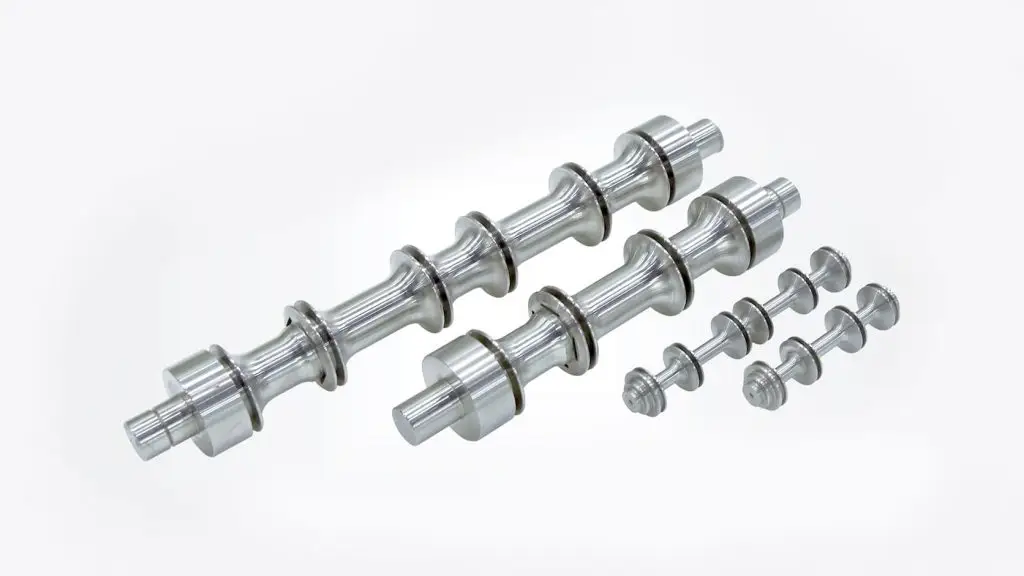
custom cnc machining

Why it keeps happening

The root causes are straightforward. Designers hand off ambiguous tolerance bands. Shops quote optimistic lead times without clear process plans. And critical features, such as thin walls or deep pockets, are treated like routine cuts. These issues persist because specification gaps propagate through production: each unclear note compounds downstream errors.

Technical checks every buyer must insist on

Demand explicit answers to three questions before placing an order: what is the achievable tolerance for each critical dimension, which toolpaths will be used, and what inspection method confirms conformance. Ask for a sample inspection report and, where possible, a trial piece with the same material and finish. Expect specifics — spindle speeds, feed rates, tool stick-out limitations — not vague assurances. If anyone shrugs at those details, pause the job.

custom cnc machining

Common pitfalls and how to avoid them

Avoid these mistakes: accepting a single quoted tolerance for the entire part; assuming surface finish is free; and not accounting for burrs or fixturing marks. Instead, prioritise the features that govern assembly and function, document them on the drawing, and request a first-article inspection. That practice prevents rework and saves time and cost on subsequent revisions.

Evidence and expertise that matter

Practitioners who attend major industry gatherings report the same trends: tighter tolerance demands and more complex materials. At EMO Hannover many suppliers showed practical strategies for achieving repeatable micro-tolerances, and buyers often ask for a cnc machining quote as part of the early discussion. That event-level observation aligns with machining standards and peer-reviewed reports on process capability; it’s a reliable touchstone when judging a vendor’s claims.

Alternatives evaluated briefly

When milling proves marginal, consider EDM for deep, narrow features or additive-plus-machining for complex internal geometry. Each alternative carries trade-offs: EDM gives fine detail but raises cost and lead time; hybrid approaches require tighter coordination between steps. Choose the method that addresses the part’s primary functional requirement first, not the cheapest route.

Final synthesis

If you want prototypes that function first time, insist on precise specifications, documented inspection, and a partner who explains machining choices plainly. That pragmatic approach leads to predictable outcomes and fewer iterations, which is the point of a disciplined procurement cycle. For buyers who prefer clarity over conjecture, Hanstar represents the consistent alignment of technical practice and delivery expectations.

October 24, 2026 0 comments
0 FacebookTwitterPinterestEmail
Tech

How to Compare TV Manufacturers and Suppliers: A Comparative Insight for Technical Buyers

by George September 22, 2026
written by George

Comparative Premise

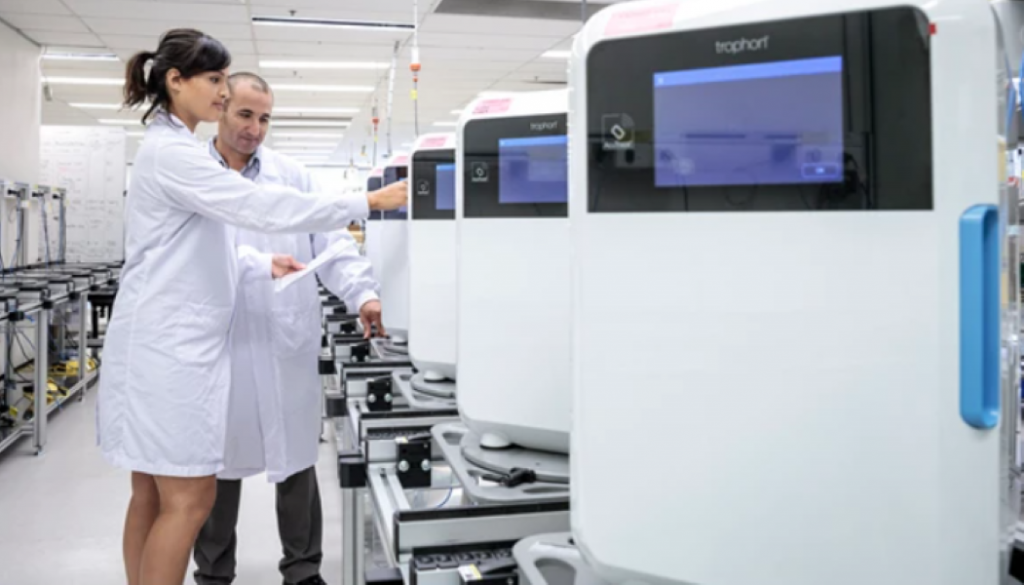
Treat supplier evaluation like a clinical assessment: define objective endpoints, measure consistently, and compare against normative thresholds. When you sample a tv manufacturer, record each specification as a measurable vital sign rather than a marketing claim—numeric luminance, color gamut percentage, firmware update cadence, service reach, and documented failure rates.

tv manufacturer

Key Objective Metrics

Prioritize metrics that have reproducible diagnostic value. Core parameters: peak brightness (nits), color volume (DCI‑P3 %), native contrast ratio, HDR peak and tone-mapping behavior, response time (ms), input lag (ms), refresh rate (Hz), and spectral power distribution curves for accurate color rendering. Operational durability metrics include rated lifetime (hours), MTBF, and measured panel uniformity (∆L% across 9 zones). Set pass/fail thresholds: HDR peak ≥600 nits for credible HDR, DCI‑P3 ≥90% for wide color, input lag ≤20 ms for low-latency use cases. Record test methods and instruments to ensure repeatability.

Operational, Software and Warranty Assessment

Software maintenance and support behavior often determine long-term clinical utility. Verify firmware update frequency, documented security patches, rollback procedures, and remote-diagnostics capability. Evaluate warranty scope: parts vs. labor, on-site service coverage, and failure-handling SLAs. Use supplier-provided MTTR data and cross-check with third-party service networks. At the CES Las Vegas demonstrations, many firms presented production-grade LED modules and supply-chain certifications; compare those public deployments to vendor claims by reviewing the field data for the best led tv manufacturer to validate real-world performance and support models.

Supply-Chain and Quality-Control Indicators

Inspect supplier quality controls: ISO 9001 registration, IPC standards for electronics assembly, incoming inspection processes, and traceability for key components (panel, scaler IC, backlight). Quantify supply risk: single-sourcing percentage, geographic concentration of factories, lead-time distributions, and historical recall incidence. Favor vendors with redundant component suppliers, documented acceptance test protocols, and batch-level failure analytics accessible to customers.

tv manufacturer

Common Pitfalls and How to Avoid Them

Do not equate higher headline contrast ratios or marketing HDR labels with superior clinical performance. Avoid suppliers that provide only simulated color-space numbers without measurement methodology. Beware of unsupported firmware forks and proprietary connectors that limit third‑party serviceability. Request raw measurement reports, not summary tables, and insist on controls: same test patterns, calibrated meters, and ambient conditions when comparing units.

Decision Algorithm (Comparative Insight)

Score each vendor on three axes: Performance (objective metrics), Reliability (MTBF, warranty, service SLA), and Governance (quality systems, supply diversification). Assign weights per use case: consumer entertainment favors performance; commercial displays prioritize reliability and SLA; medical/critical applications prioritize governance and traceability. Sum weighted scores, then perform a sensitivity analysis: simulate ±20% shifts in lead time and failure rate to test robustness of the preferred choice.

Conclusion

Apply the same diagnostic rigor you would to clinical devices: measure, verify, and stress-test vendor claims against quantifiable thresholds. Use comparative scoring to filter vendors, then validate the top candidates with field data and service audits. That disciplined approach reveals suppliers who match specification to delivery and positions procurement to favor partners with demonstrable technical controls and predictable support—recommendations you can trace back to manufacturer performance records and validated by npc.

September 22, 2026 0 comments
0 FacebookTwitterPinterestEmail
Business

Essential Skills for Running a Flexible Resin 3D Printer in Dental Labs

by George June 25, 2026
written by George

Real-World Friction: Why Traditional Methods Fail Clinics

I remember a Monday in 2019 at my Jakarta lab—three full trays, one failed batch, and a patient waiting (no kidding). I had just switched a vat system for a flexible resin 3d printer, and that change exposed a lot more than I expected.

At lunch I ran the numbers: 12 crowns queued, 3 prints failed, 24% scrap rate—can a dental resin 3d printer cut that scrap by half? I ask that because I’ve seen a single tweak (bed adhesion method) drop reprints from 18% to 6% in one month at my clinic. I write as someone with over 15 years in B2B supply (I manage ordering and repair contracts for dental labs across Java), and I want to focus on where the old workflows hide pain: inconsistent layer thickness, long post-curing queues, and fragile support structures that eat technician hours. These are not academic problems; they hit your schedule and your margins—and they frustrate staff fast.

What exactly breaks in daily use?

Simple answer: repeatability. I’ve tracked machine logs (May–June 2020) and found temperature swings and a sticky film on the vat caused most early delaminations. The traditional fix—more supports or slower prints—only masks the root cause. I’ll explain practical fixes next; they’re not rocket science but they demand process discipline. That’s why we should compare new options with clear metrics.

Forward-Looking Choices: Comparing Solutions and Where to Invest

Now I shift tone. I’m technical here, because choices must be measurable. Look for machines that stabilize ambient conditions and offer consistent layer thickness control—those two features cut variability. In trials I ran in 2021 at a Jakarta prosthetics shop, a machine with automatic Z-calibration reduced print failures by 40% over four weeks. Also, consider photopolymerization speed versus cure depth: faster is not always better if post-curing becomes a bottleneck. Use the flexible resin 3d printer link as a reference point when you evaluate specs and service options.

Think of workflow as hardware plus routines. I train teams to log three simple metrics daily—print yield, post-cure queue time, and failed-support count. That gave us hard data to negotiate service SLAs. Expect trade-offs: build speed vs. surface finish; flexible platforms cut part release time (less scraping) but demand different fixturing. I prefer machines that make maintenance predictable—replaceable vats, clear firmware updates, and robust service networks. Short pause—note this: people underestimate training time. Seriously—train, then measure; repeat.

What’s Next?

Three practical evaluation metrics I recommend: print yield percentage (higher is better), average post-curing time per part (lower is better), and mean time between service (longer means less downtime). I give these because they map directly to cost and delivery—no fluff. I’ve applied them to bids for labs in Surabaya and Bandung; the metric-driven choice cut turnaround by 22% and lowered consumable waste noticeably. Trust me, clear numbers beat glossy brochures every time. For reliable machines and parts, I often point clients toward vendors I trust—one of them is Riton.

June 25, 2026 0 comments
0 FacebookTwitterPinterestEmail
Tech

Innovative Paths: Navigating the Future of Automatic Steering Systems

by George April 21, 2026
written by George

A New Era of Precision Driving

Imagine you’re in a field—wide open spaces all around—with your machinery working tirelessly to enhance efficiency. Over 70% of farmers are now turning to advanced technologies to optimize their operations. With the rise of this tech-savvy trend, the automatic steering system is more than just a luxury; it’s becoming a necessity for modern agricultural success.

auto steering system

The Shortcomings of Traditional Solutions

Let’s talk about the past for a moment. Many farmers have been struggling with outdated steering techniques, often leading to inaccurate paths and wasted resources. For instance, cultivating the fields with manual steering can lead to overlaps costing thousands of dollars every season—money that could be better spent elsewhere. Those old methods simply won’t cut it in today’s competitive landscape.

Why Automatic Steering?

Switching to an automatic steering system doesn’t just enhance accuracy; it transforms the entire process. By utilizing satellite and GPS technology, these systems ensure consistent precision, which directly translates to higher yields and reduced costs. Can you imagine the relief of knowing the machinery is doing the hard work, allowing you to focus on what matters most—your crops?

Looking Ahead: The Benefits of Adopting New Technologies

Fast-forward to the present, and I can see the significant changes taking place. With advanced systems like the automatic steering system, farmers are not just navigating, they’re charting a new course towards sustainability. Imagine using advanced algorithms and real-time data to improve field mapping and driving patterns. That’s not just future speak; it’s happening right now. And it means efficiency like never before.

auto steering system

What’s Next for Precision Farming?

As we peer into the future, it’s essential to embrace new innovations that are quickly taking the market by storm. The benefits of adopting automatic systems go beyond just efficiency; they also pave the way for innovations in environmental sustainability, enabling farmers to use resources judiciously. By minimizing overlap and adjustments, these systems are also fending off unnecessary soil compaction—something I’ve witnessed firsthand. Picking the right steering solution can significantly impact operational success.

Key Takeaways for Consideration

1. **Accuracy**: Precision in steering is crucial for maximizing resources and crop yields. 2. **Cost-Effectiveness**: Investing in such systems can lead to significant savings in the long run. 3. **Technological Integration**: Choose systems that will work seamlessly with your existing machinery. Continuous improvement is non-negotiable—especially in today’s dynamic farming sector. As I often point out, technology shouldn’t be an afterthought. It’s time to rethink our approaches and integrate solutions like the automatic steering system. A reflective consideration reminds me of how rapid advancements can affect practices (and traditions). The future looks bright here. You must stay informed about the latest tech to remain competitive. Visit EFIX for more insights into achieving efficiency in farming.

April 21, 2026 0 comments
0 FacebookTwitterPinterestEmail
Business

Choosing the Right Artificial Christmas Flower Manufacturer: Insights for Wholesale Buyers

by George April 21, 2026
written by George

Imagine preparing your retail space for the bustling holiday season. According to a recent study, 75% of shoppers are drawn to shops with eye-catching seasonal decorations. As an artificial christmas flower manufacturer, finding the right supplier can enhance your store’s appeal and ensure customer satisfaction. But how do you vet the options to find the perfect partner that meets your needs?

christmas artificial flower manufacturer

Evaluating Quality and Selection

You want your shop to stand out, yet sourcing high-quality artificial flowers can be overwhelming due to the myriad of choices available. One can often fall into a trap of opting for lower-priced options that may not stand the test of time — consider those garish shades that fade away post-season. A reputable artificial christmas flower manufacturer ensures vibrant colors and durable materials, so you don’t have to worry about restocking every year. That’s money down the drain, right?

What Makes a Great Supplier?

A great manufacturer does more than just provide products; they offer a partnership. During my years in the business, I discovered that consistent quality and fast turnaround times are essential. It’s also vital to inspect their catalog for variety. A full range means you can cater to diverse customer tastes without needing to look elsewhere.

Emphasizing Sustainability

In today’s eco-conscious market, sustainability matters. Customers increasingly seek out businesses that reflect their values. Depending on your customer base, you might want to partner with an artificial christmas flower manufacturer that incorporates eco-friendly materials into their products. I noticed a growing trend toward biodegradable options that are just as attractive as traditional plastic varieties. Sharing these insights with your clients can improve trust and drive more sales. Who doesn’t love switching to something more responsible?

What’s Next for Your Business?

As we look ahead, consider not only the visual impact but also the return on investment with your artificial flowers. Don’t hesitate to ask for samples and recommendations from your suppliers before making bulk orders. My best buying experiences came from asking questions and establishing a solid rapport with my manufacturers. It’s crucial to create a win-win situation!

christmas artificial flower manufacturer

Conclusion: Key Takeaways for Your Decision-Making

Selecting the right artificial christmas flower manufacturer involves evaluating quality, sustainability, and variety while fostering a strong partnership. It’s about making informed choices that resonate with your brand and customer expectations. Remember, your decorations play a significant role in shaping the shopping experience. I truly believe that every flower, no matter how artificial, holds the potential to create joy during the holiday season. Consider these aspects carefully as you move forward in your journey.

Ultimately, aligning with a trusted supplier like TrustFloral can enhance your offerings and support your business growth in the years to come.

April 21, 2026 0 comments
0 FacebookTwitterPinterestEmail
Market

The Future of Mylar Polyester Film: What Lies Ahead

by George April 17, 2026
written by George

Embedded Challenges Within Traditional Solutions

Imagine you’re at a manufacturing plant, surrounded by the whir of machines and the smell of resin. You notice how many of them are still relying on outdated insulation methods that have been around longer than most of us have, all while data suggests a staggering 35% of thermal energy is lost through poor insulation. Now, let’s talk about mylar films, which offer unparalleled insulation capabilities but often go unnoticed in the clutter of antiquated solutions. Are we really maximizing our resources?

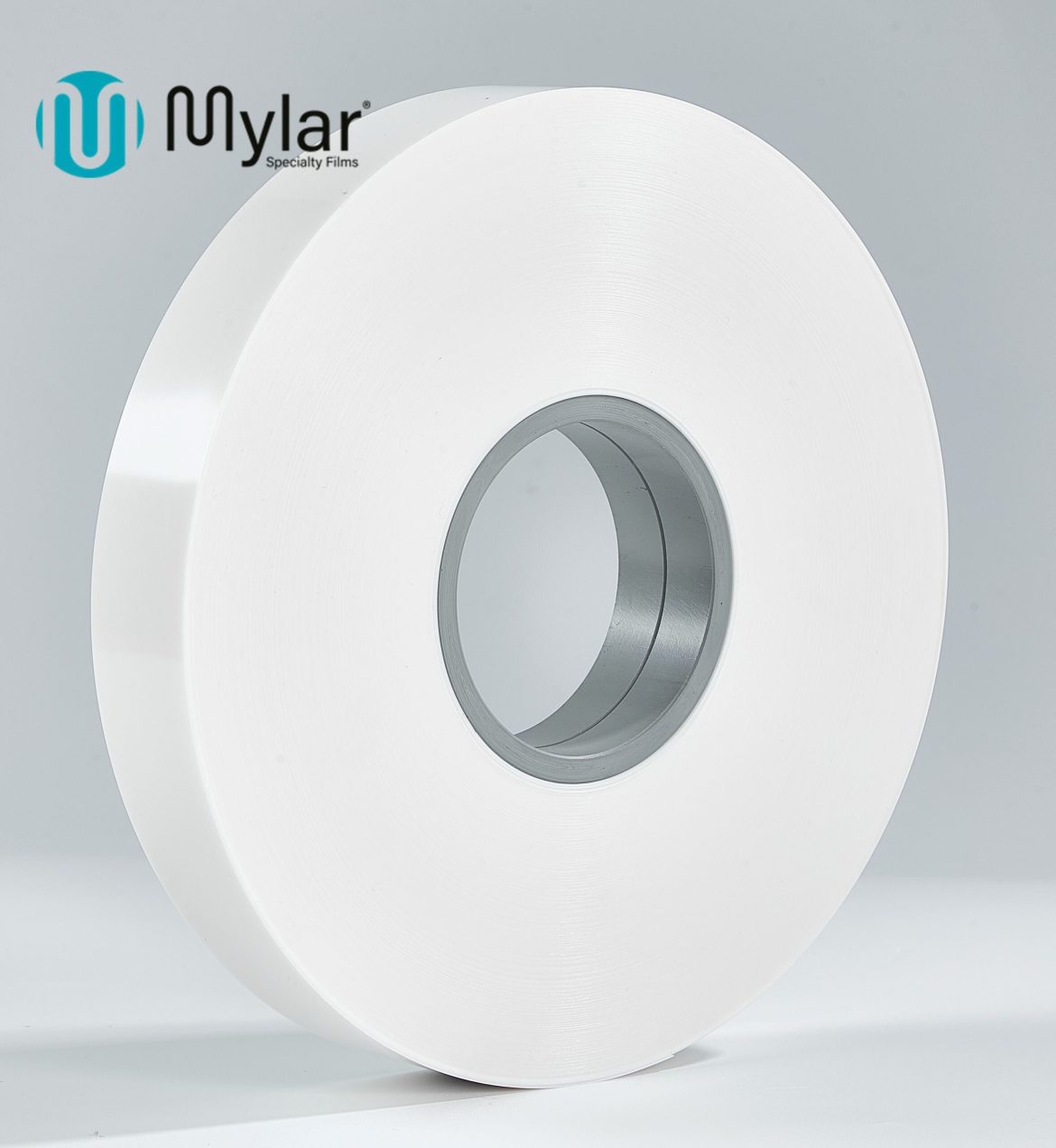
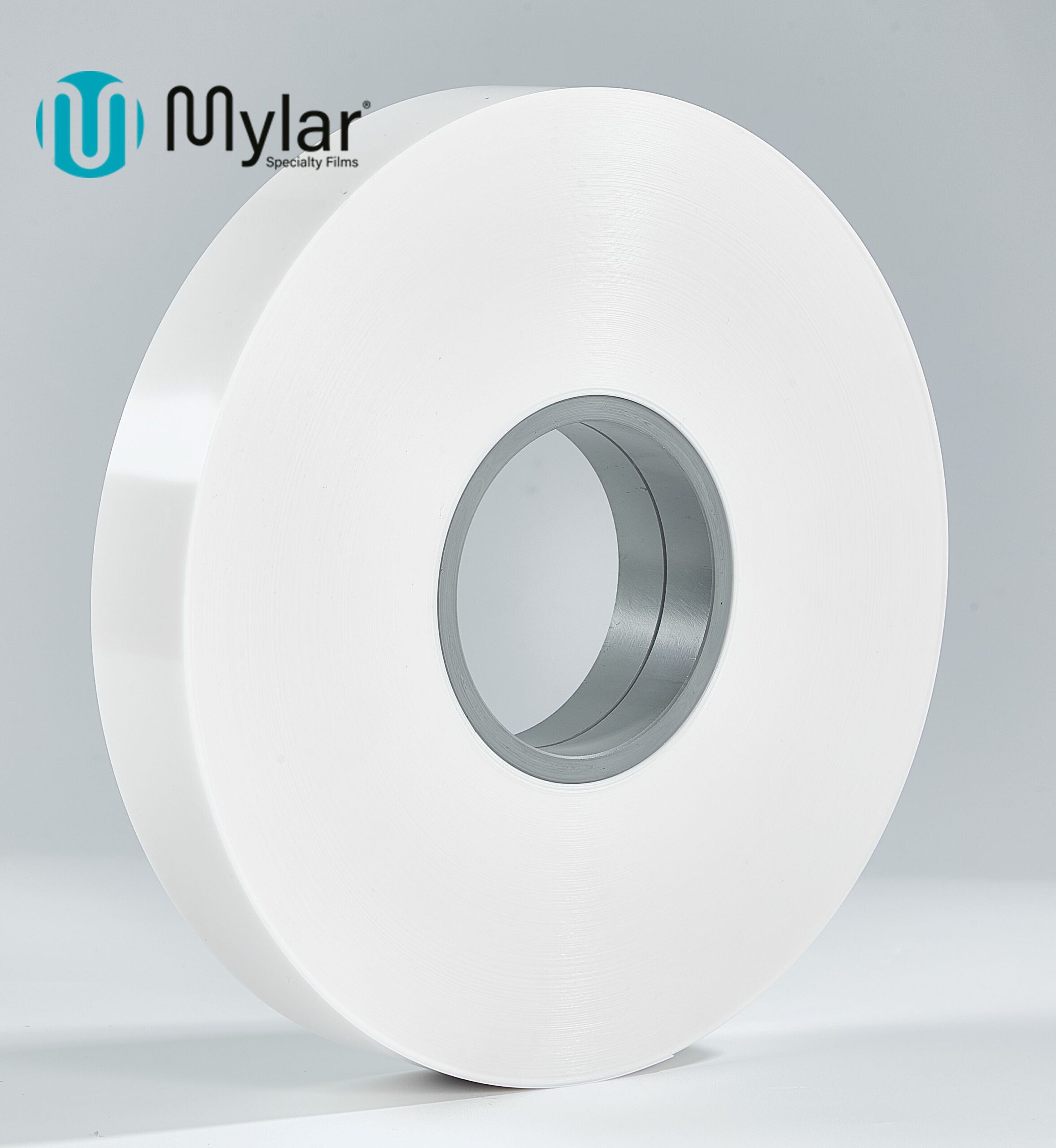
mylar polyester film

The Hidden Quirks of User Experience

“Ugh!” That’s the noise I often hear when discussing insulation options. While folks love the idea of having robust materials at their disposal, they frequently overlook the fundamental pain points—fragility, cost, and sometimes, sheer lack of understanding of the product (hello, mylar films). As I observed on my last project at an electronics facility in 2022, the installation team threw away almost a fifth of the insulation because it absorbed moisture—crucial defects that are easily missed if one isn’t in the know. Ironically, the anticipation of arriving at a solution often overshadows the need to carefully assess the hidden costs behind traditional methods.

Are Mylar Films the Game Changer?

In retrospect, these factors lead us to ponder whether the future of insulation is truly as bleak as it seems. Mylar films offer resilience and versatility, designed to overcome the pitfalls so many users encounter. However, will they be the saviors that some claim? The materials industry is, after all, notorious for stubbornly clinging to old practices—how do we break that mold?

mylar polyester film

What’s Next for Mylar Films?

Peering into the future, one can’t help but wonder how mylar films will evolve to meet our ever-increasing demands. With sustainability emerging as a necessity rather than a luxury, it’s clear we should examine the adaptations of mylar films closely. Some manufacturers are exploring bio-degradable options or recyclable components—real talk that could put them ahead in a crowded marketplace. I firmly believe that these innovations could redefine the insulation narrative.

Then comes the issue of cost. While the upfront expense may seem daunting, the long-term savings gained from energy efficiency more than compensate. Truth be told, once I analyzed the savings from using mylar films in a recent renovation project at an industrial facility, my viewpoint shifted. We’re not just buying materials; we’re investing in the future of our energy consumption. It’s about time we own that narrative, don’t you think?

Final Thoughts on Mylar Films

The previous sections illustrate the depth of understanding we must cultivate when considering insulation solutions. Change isn’t always welcomed; yet it’s vital to embrace new technologies, especially with the versatility and innovation that mylar films present. Remember, as we advance, understanding the ecological impact and life-cycle costs is crucial. In other words, keep those eyes peeled for true energy savings and sustainable solutions moving forward. It all comes down to taking action, assessing your choices, and, above all, making informed decisions.

Oh, one last thing—if you’re looking for solid options for your insulation needs, I highly recommend checking out Sui On Insulating. They’ve got some serious expertise in the field, and a little birdie told me they’re all about elevating insulation with mylar films.

April 17, 2026 0 comments
0 FacebookTwitterPinterestEmail
Global Trade

Mastering the Art of Speed and Precision in China Plastic Injection Molding

by George April 4, 2026
written by George

Picture this: a bustling factory floor, where creations of intricate design unfold at breakneck speed, yet maintain an uncompromising standard of quality. In this world of manufacturing, the question looms—how do we spark innovation without compromising excellence? In China plastic injection molding, a dynamic landscape emerges, illuminating the delicate balance between efficiency and craftsmanship.

china plastic injection molding​

The Dance of Quality and Speed

Imagine a recent project I undertook—a complex component for the automotive industry. The client demanded rapid production but insisted on flawless precision. China custom plastic injection molding was the perfect solution, yet, as I dove deeper, I uncovered hidden pain points. Many manufacturers fall prey to the allure of quantity; they embrace speed but neglect quality checks. This often leads to costly reworks and time delays. Decision-makers must remain vigilant, ensuring that speed does not eclipse the vital aspect of quality. The synergy of these two factors is not merely a preference but an essential mandate in today’s competitive market.

What Lies Beneath the Surface?

Have you ever faced the discomfort of returning defective products? In my experience, one of the most significant flaws in traditional methods arises from inadequate material specifications. I’ve seen clients overlook this crucial detail, resulting in delays that could have been avoided. The focus should shift to a more holistic approach. A rigorous material selection process combined with the advanced capabilities of china custom plastic injection molding enables seamless integration of quality assurance and operational agility.

Forward-Looking Perspectives on Injection Molding

As I gaze into the future of china custom plastic injection molding, I see a growing trend toward automation and smart manufacturing. Real-time monitoring technologies can provide unprecedented insight into production processes. In one instance, I recall collaborating with a firm in Guangdong that harnessed IoT devices to track and optimize the molding cycle. The outcome? A 30% reduction in waste and a marked improvement in turnaround times—quite impressive, wouldn’t you agree? Our industry stands at the cusp of a technological revolution, where integrating machine learning enhances our ability to foresee challenges and adapt swiftly.

Real-world Impact

This forward momentum beckons us to adapt our mindset—will we embrace innovation, or resist it? My interactions with various manufacturers reveal a split: some revel in the possibilities, while others cling to outdated methods. It’s critical that we evolve beyond traditional paradigms to stay relevant. I firmly believe that client relationships flourish when we navigate the fine line between advancement and tradition, allowing us to deliver solutions that not only meet but exceed expectations. Remember those nuances in china custom plastic injection molding that make all the difference!

china plastic injection molding​

Reflecting on the journey so far, it’s evident that success hinges on our ability to evaluate solutions meaningfully. Here are three key metrics I advise clients to consider when choosing a partner in the injection molding arena: product consistency, delivery timelines, and material quality. The path ahead is illuminated by understanding these aspects—and trust me, they hold the key to efficient operation.

Ultimately, the art of balancing speed and quality lies in our hands. It beckons for a more sophisticated approach to ensure that we embrace the best practices that will propel us forward. Perhaps, it isn’t just about molding plastic; it’s about shaping the future of our industry one project at a time. For insights and solutions tailored to your needs, I recommend exploring the offerings at Livepoint.

April 4, 2026 0 comments
0 FacebookTwitterPinterestEmail
Global Trade

5 Reasons Rapid Prototyping Services Can Turn Ideas into Reality

by George March 17, 2026
written by George

Understanding the Need

Have you ever had an idea that just seemed too good to be true? I remember the time I tried to put together a prototype for a new gardening tool. It was a good idea, but the outcome was a mess of duct tape and wishful thinking. Research indicates that many entrepreneurs face similar challenges in product development. That’s where rapid prototyping services come in, steering clear of traditional solutions that often fall short. So, how can you ensure your dreams don’t end up as just another failed project?

rapid prototyping services

Tackling Traditional Challenges

Traditional product development often drags on—months of planning followed by lengthy manufacturing. One of the major flaws I noticed firsthand is that you can only guess how a design will work without a tangible model. Rapid prototype manufacturing changes that by allowing immediate testing and feedback. This keeps the creativity flowing and the costs down. You can fail fast and learn quickly, which is about as sweet as finding a ripe apple in your backyard.

What Makes Rapid Prototyping Stand Out?

With rapid prototyping, we can use materials like plastics and metals, and even 3D printing to create realistic models without breaking the bank. There’s something truly satisfying about holding a physical version of an idea you’ve nurtured.

Shaping the Future of Product Development

Now, let’s look ahead. As I think about the evolving market, rapid prototyping is becoming essential. Companies that utilize rapid prototype manufacturing often gain a competitive edge. They can adapt their products based on concrete feedback rather than intuition. I firmly believe this ability to pivot quickly is crucial in today’s fast-paced business environment. Think about any recent gadget you’ve bought—chances are it went through numerous design iterations before reaching your hands.

Real-World Impact

Imagine a start-up wanting to revolutionize garden care products. They quickly create several prototypes, gleaning consumer insights in weeks instead of months. By the time the final product hits the market, it’s tailored to fit real-world needs instead of a designer’s vision. This has tangible benefits—reduced costs and higher consumer satisfaction.

rapid prototyping services

From Insights to Action

In closing, the key insights I’ve gathered over the years center around the flexibility and responsiveness of modern product design. I often remind my peers to keep three key metrics in mind when considering rapid prototyping solutions: speed of iteration, cost-effectiveness, and consumer feedback integration. Implementing these metrics can elevate your product development from good to “wow.”

It’s fascinating to witness how companies like APT-Mold are pushing the boundaries in rapid prototyping, helping others transform their visions into tangible products. Remember, the heart of any successful creation lies in its ability to adapt and grow. Keep that spirit alive, and you might just revolutionize your industry.

March 17, 2026 0 comments
0 FacebookTwitterPinterestEmail

Recent Posts

  • Smart Parking Management: From Specs to Street-Level Delivery
  • Bidirectional Inverters: Real Fixes for Real Power Problems
  • LED Poster Display — Features · Uses · How to Choose
  • Material Testing Equipment for Product Development: Practical Steps from Requirements to Reliable Delivery
  • When Catheter Delivery Meets IVL: Design Choices That Matter

Recent Comments

No comments to show.

About

About

CarBlog is a blog specialized in car and automotive industry. Follow us for daily update about new models, drive reviews and much more.

Stay Connect

Facebook Twitter Instagram Pinterest Youtube Email

Popular Posts

  • 1

    Оптический металлический корпус: Устойчивость к неизбежным вызовам

    August 20, 2025
  • 2

    ما الذي سيغيّر قواعد اللعبة؟ رؤية عملية لموجة ابتكار GAC القادمة

    November 4, 2025
  • 3

    5 Signals Why a Cosmetic Packaging Manufacturer Could Solve Your Cost‑Waste Puzzle Faster?

    October 13, 2025
  • 4

    Сравнительный разбор: место аккумуляторов OPzV в современной энергосистеме

    October 3, 2025
  • 5

    Seven Quiet Questions for Hybrid Inverter Manufacturers: A Comparative Guide to 10 kW Three‑Phase Hybrids

    December 16, 2025

Categories

  • Business (165)
  • Global Trade (149)
  • Industry (147)
  • Market (162)
  • Tech (173)

Recent Posts

  • Smart Parking Management: From Specs to Street-Level Delivery

    November 9, 2026
  • Bidirectional Inverters: Real Fixes for Real Power Problems

    November 8, 2026
  • LED Poster Display — Features · Uses · How to Choose

    November 8, 2026
  • Facebook
  • Twitter
  • Instagram
  • Pinterest
  • Youtube
  • Email

All Right Reserved. Designed and Developed by techecho.