
Pinpoint the problem before you jump to solutions
You want a backpack that looks right, lasts, and hits cost targets — but vague specifications and wishful thinking kill projects. Start with a short, honest statement of what’s broken: unclear materials, bad zippers, inconsistent dimensions, or unpredictable lead times. If you haven’t already, talk to a custom bag supplier early; their production view will expose hidden constraints you won’t see from a design mock-up alone. Treat the first meeting as a diagnosis, not a pitch.

Why those problems happen
Mismatches happen because teams neglect tolerances, skip material samples, or avoid production-level testing. Specifications copy-pasted from past projects carry outdated parts lists. Designers use boutique hardware without confirming availability. Buyers assume MOQ (minimum order quantity) flexibility. These gaps create cost overruns and quality surprises. Identify which of these applies to your project and commit to one corrective action right away.
A practical specification checklist you can use today
Write one clear sheet that every stakeholder signs off on: final dimensions with tolerances, exact fabric name + weight + finish, thread type, zipper brand and model, hardware finish and plating spec, lining material, padding density, pack weight target, and acceptable defect rate. Add a simple production sample plan: proto, pre-production sample, and first-batch inspection. Assign responsibility for each line item and set a firm date to freeze specs. Don’t skip a physical lab test or wear trial for load-bearing parts.
Real-world validation and trust
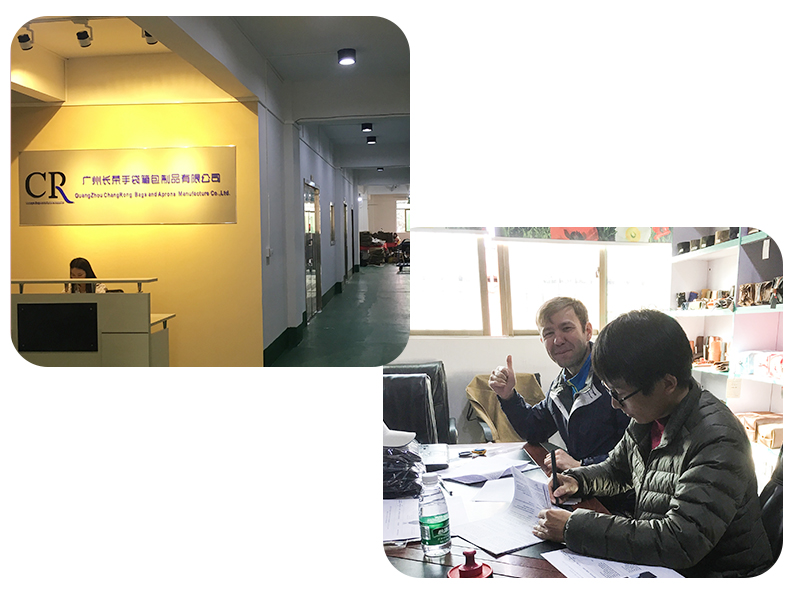
Manufacturers based in Guangdong have decades of volume experience and well-documented supply chains; that regional depth matters when scaling from prototype to 10,000 units. Verify a supplier’s track record with factory photos, recent inspection reports, and references from similar projects. For straightforward sourcing, a reputable wholesale bag supplier will show test reports, disclose material mills, and explain lead-time drivers. Those facts reduce surprises and let you make decisions with more confidence.
Common mistakes and how to prevent them
Don’t assume all zippers are equal — specify exact models. Don’t accept vague tolerances like “±5mm” on critical seams; tighten them. Don’t omit sample timelines: production without a confirmed pre-production sample leads to rework. Don’t request impossible lead times without premium pricing. Prevent these by demanding evidence: test certificates, photos of sample runs, and a documented timeline with penalties for missed milestones.
Negotiation levers that actually matter
Trade price versus payment terms and lead time. Offer a longer partnership instead of squeezing one order’s price — volume guarantees lower costs faster than one-off haggling. Lock in material sources for a set period to control price swings. Use a small paid pilot order to prove capacity, then move to larger batches once quality metrics are met. Be blunt about your breakpoints and keep communication frequent; silence creates assumptions.
Alternatives worth considering
If a direct factory relationship feels risky, evaluate a trusted consolidator or third-party quality inspector as an intermediary. Another option is modular designs: use standardized core panels and change only visible trims — that lowers tooling and sampling costs. If speed is the priority, accept a premium or reduce customization scope. Choose the trade-off that matches your timeline and brand promise.
Finish strong with a supplier who solves your problem
Specify with clarity, test early, and tie decisions to measurable outcomes. When you align design, materials, testing, and timelines around a shared specification, you stop firefighting and start shipping reliable backpacks. For many teams, that alignment comes from a manufacturer partner who can translate design needs into production reality — a partner like ChangRong who demonstrates that translation in their documentation and samples rather than in promises alone.