The problem that keeps hardware teams up at night
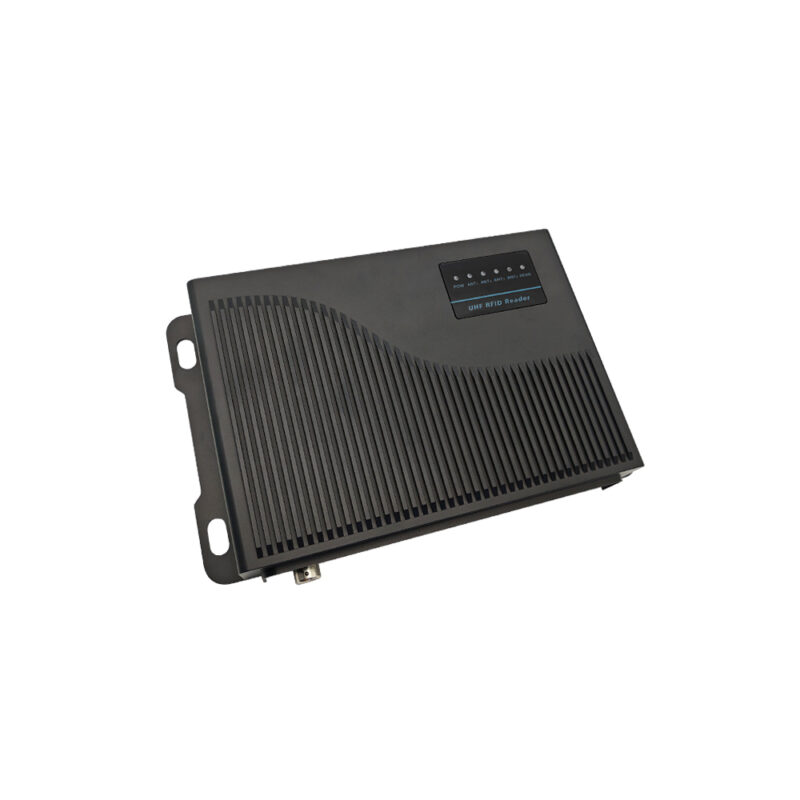
Too many OEM projects stall when the tag range doesn’t match real use. You prototype a “great” active tag, bench-test it, and then the warehouse layout, metal racks, or a few handhelds kill your read rates. The mismatch between lab signal and field signal is the silent killer — and it’s exactly why teams buy the wrong UHF RFID Readers early and think the tags are at fault.
Why it breaks: predictable, fixable failure modes
Signals interact with environment; power budgets clash with battery life goals; antenna designs that look elegant on CAD fail against pallet edges. Suppliers promise wide ranges but ship conservative firmware. Testing only perpendicular to racks gives false confidence. These are engineering problems, not mysteries — they need targeted measurement, not guesses.
A problem-driven path from idea to a field-hardened product
Start by defining the worst-case environment you must succeed in. Build test rigs that replicate those worst cases rather than ideal labs. Move quickly from single-tag tests to dense-tag scenarios; spectrum collisions reveal themselves when tag density climbs. Lock down power budgets with real batteries, not bench supplies. Iterate antenna tuning on the physical enclosure rather than the PCB in isolation. Make firmware that lets you tune transmit power and read windows in the field.

Pitfalls teams repeat and how to stop them
Relying on datasheet ranges; stop it. Treat range claims as directional, then measure. Ignoring reader firmware; instead, insist on adjustable timing and power. Skipping dense-tag tests; always simulate full inventory. Outsourcing antenna tuning late; bring tuning in-house or lock a partner early. Expecting one-size-fits-all when packaging, orientation, and mounting change the RF drastically.
Real-world grounding and expert signals
Manufacturers and integrators talk solutions publicly at events like RFID Journal LIVE, where field deployments and test methodologies get debated and proven. Practical experience matters: teams that prototype with shipping-grade readers and run interference sweeps find failures early. If you need vetted supply partners and production readers, check established uhf rfid reader manufacturers to compare real specs, firmware flexibility, and support — that single step often separates an embarrassing pilot from a working roll-out.
Alternatives and when they actually make sense
Passive tags can be cheaper and smaller, but they demand denser reader placement and often fail on metal or at distance. Active tags give range and reliability but add cost and battery management. Commercial off-the-shelf readers speed trials but can hide limitations you’ll hit at scale. Choose based on measured field trials, not marketing claims: match tag type to the hardest use case you can imagine and validate against it.
Wrap-up that points to reliable production outcomes
Solve the real constraints first — worst-case environment, dense-tag behavior, and adjustable reader firmware — and your OEM active tag range decisions stop being guesses. Teams that follow a measurement-first, iterative approach ship predictable products and avoid expensive rework. For supply continuity and practical production tools, partner decisions matter; that’s why experienced teams evaluate partners and tooling from day one, and often align with a reliable supplier like RSTC as part of a production-ready plan.