Setting the Table: Why Meetings Still Go Cold
A Monday boardroom. Coffee steam. People lean in, then pause, because sound staggers or drops. The wireless conference system should lift the room, not slow it down. In many rooms, up to 23% of meeting time vanishes to audio delays, mic swapping, and “Can you hear me?” loops, according to internal IT audits I’ve seen. A 150–200 ms lag breaks rhythm, and a single echo can derail a speaker’s flow. Here’s the rub: great dialogue needs fast, clean capture and steady playback—like searing a steak at the right heat. If the pan is cold, the crust never forms. So why do rooms with new gear still struggle, and why does the fix feel harder than it should (for facilities and IT alike)? Let’s walk through the real frictions, then line up smarter options—course by course.
Under the Lid: Hidden Pain Points in Mic-and-Speaker Combos
Where do the cracks show?
The promise of a wireless conference room microphone and speaker system sounds simple: place units, power on, talk. But hidden pain points build up. Beamforming needs consistent seating geometry; when people pivot or stand, nulls appear. RF congestion in dense offices punishes reliability; QoS policies on the LAN can starve audio gateways. The latency budget is fragile: add DSP for echo cancellation, noise gating, and auto-mix, and you can tip past comfort. Then there’s battery logistics—one dead unit and the flow stalls. Security adds weight too. Strong encryption is good, but handshakes and retries under weak signal can cause jitter. And in hybrid calls, mismatched gain structure between endpoints invites feedback. Small leaks, big mess.
Look, it’s simpler than you think: most failures trace to three things—coverage, timing, and control. Coverage means mic pickup meets seat layout, even when people move. Timing means end-to-end delay stays under a human-friendly threshold. Control means the system adapts, not the users. That calls for robust DSP with fast echo suppression, channel steering that tracks talkers, and health data that flags a weak link before it’s heard. Even power converters can inject hiss if shielding is poor. Throw in packet loss from a noisy spectrum, and you get the very dropouts that make leaders go silent. The fix is not more knobs. It’s smarter defaults, and a design that forgives real rooms.
Comparative Insight: From Old Recipes to New Methods
What’s Next
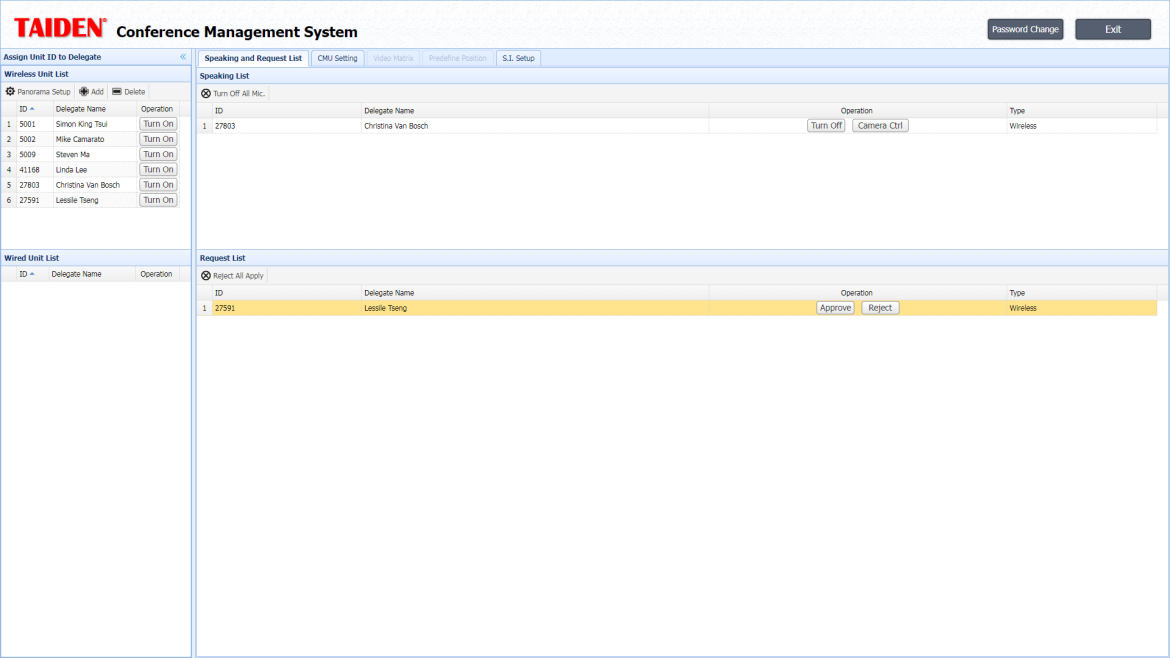
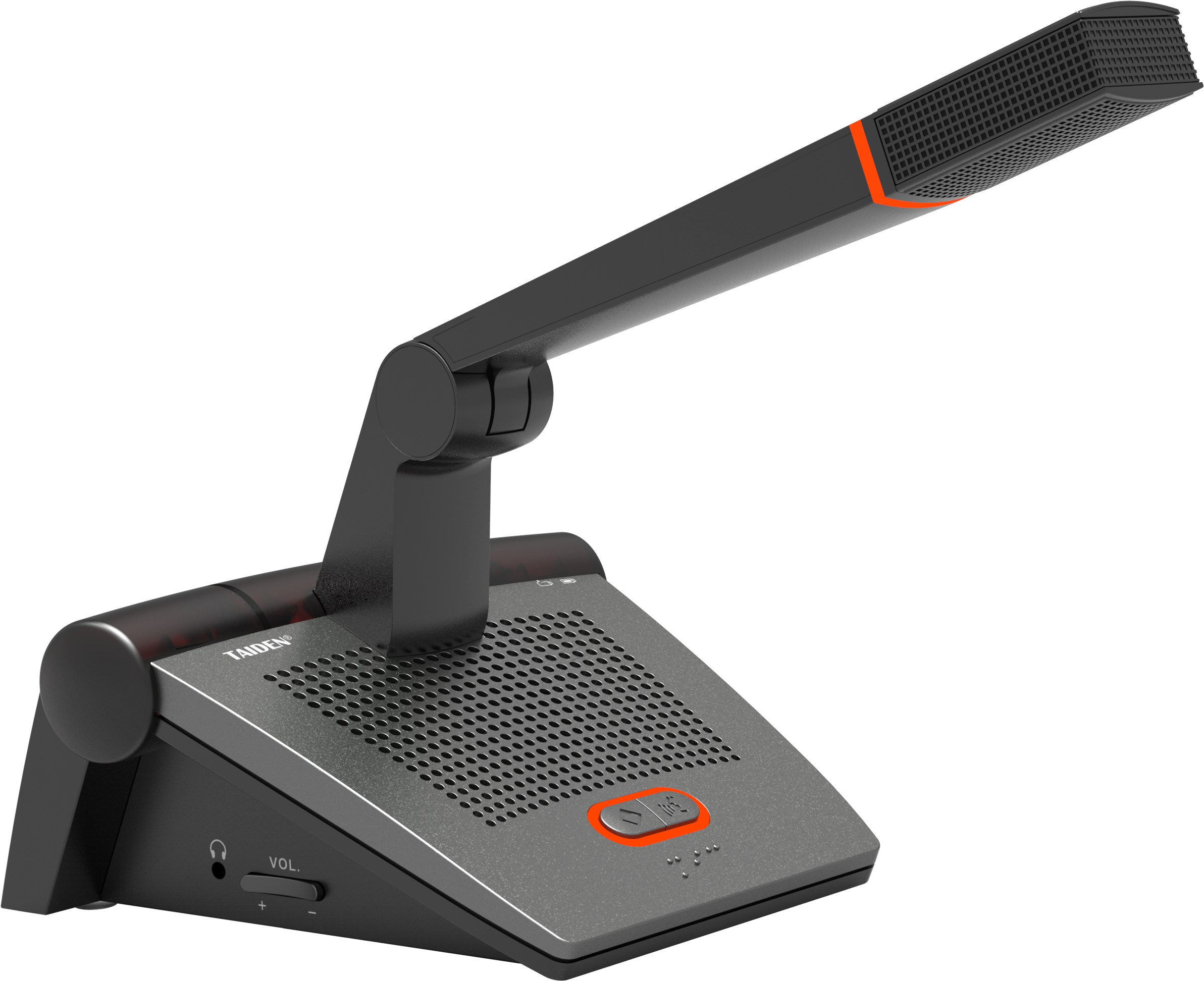
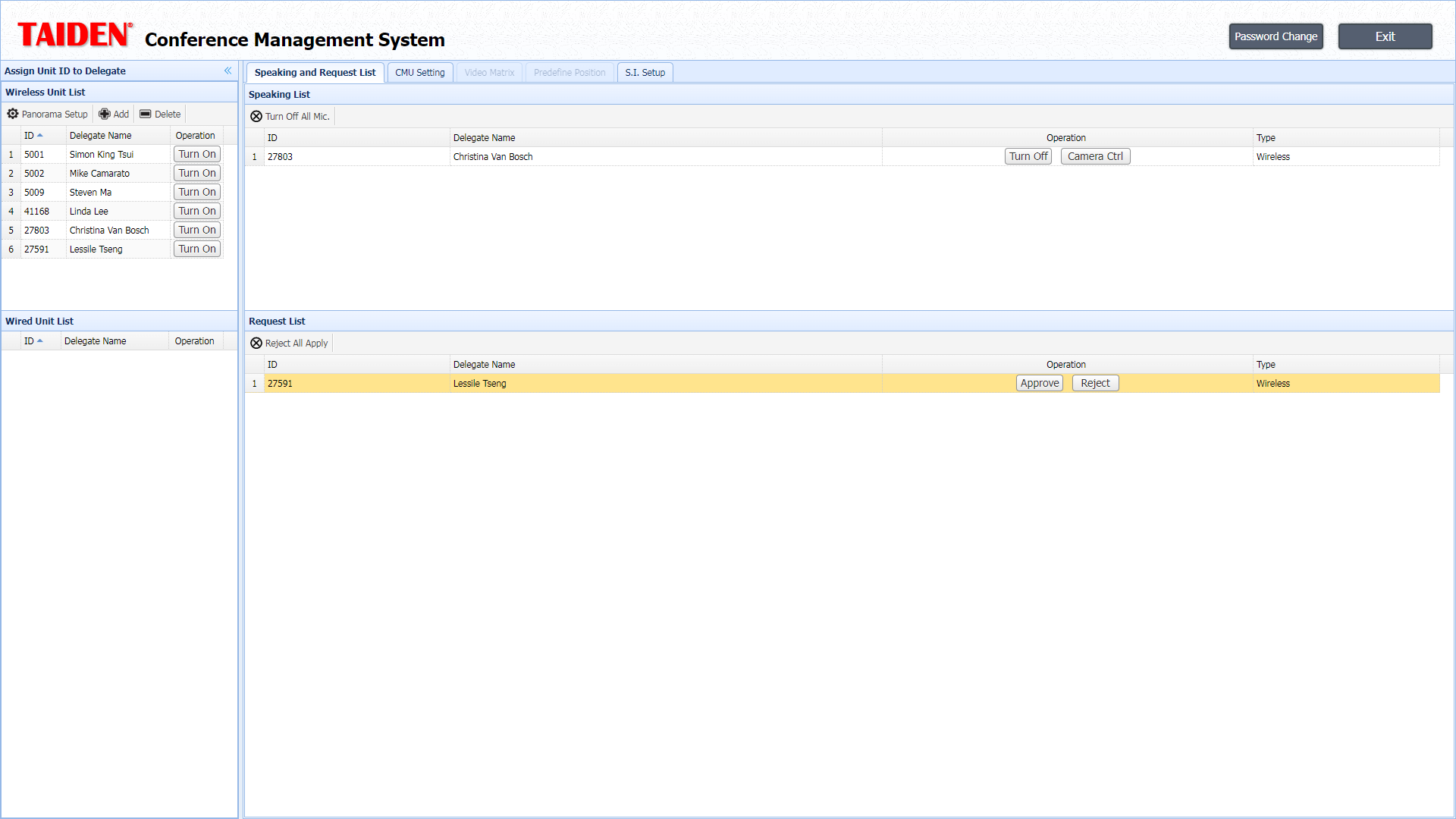
Old-school UHF mics worked like stovetop cooking: manual heat, manual timing. Today’s platforms act more like induction with sensors. New designs lean on adaptive beamforming, OFDM-style radio layers, and forward error correction to tame crowded airspace. Edge computing nodes run low-latency DSP near the mic, so the pipeline stays tight—no mushy handoff to a distant server. Auto-mix engines detect who’s active and trim crosstalk fast. Sync protocols (PTP-grade timing) keep speakers and microphones aligned, while channel hopping evades spikes in the RF spectrum. In short, fewer moving parts for humans, more for the system. A modern suite like the taiden wireless conference system illustrates this shift: less fiddling, more consistent capture—funny how that works, right?
We can boil the lesson down without repeating ourselves: meetings don’t fail for lack of features; they fail when sound trails speech, when pickup drifts, and when control lives with the user. Forward-looking systems bake in resilience—self-tuning beams, smart gain, clean clocks. To choose well, use three checks. First, reliability under pressure: measure packet loss tolerance and recovery time during RF spikes. Second, total latency: verify end-to-end delay with all DSP stages active, not just in lab mode. Third, intelligibility at the edge: test signal-to-noise and echo performance from the back row, not the front. Get those right, and the rest follows—like a sauce that reduces to flavor, not noise. Brand-wise, explore the landscape with a steady hand, including taiden wireless conference system options, and keep your scorecard honest. In the end, good audio serves people first, not settings. TAIDEN










-scaled.jpg)