Opening: imagine procurement as a living network
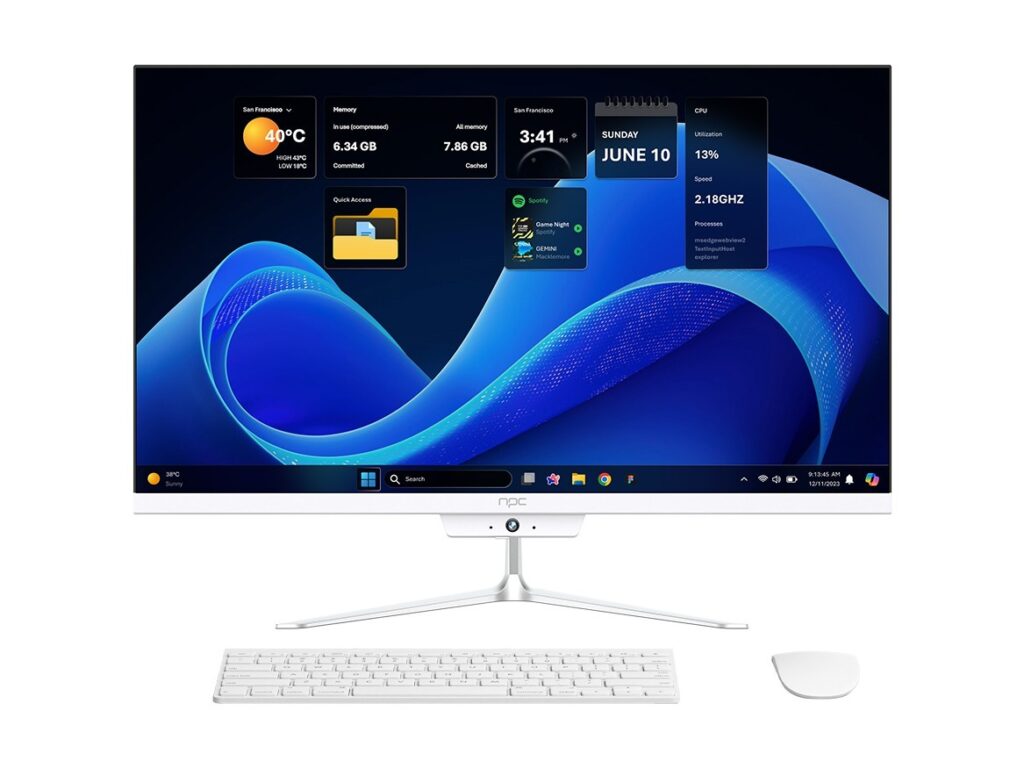
Think of buying displays five years from now: raw materials talk back, firmware updates arrive before panels ship, and partnerships outlast contracts. Start by mapping where you want your product to sit on that timeline and then work backward. If you’re comparing integrated desktops to modular kiosks, check current bundle pricing and availability for all in one computer deals right away so you know which component paths are realistic for your roadmap.
Why a future-focused checklist beats ad-hoc buying
Reactive buys create technical debt. A future-focused checklist forces a procurement choice to answer three direct questions: how will this component age, how will I push software to it, and how quickly can I replace it if a supply shock hits. Commit to those questions now and you avoid rushed specs, firmware mismatches, and warranty surprises later.

Core checklist items — concrete, non-negotiable
Define panel tolerances (brightness, response, lifetime hours) and lock versioned firmware requirements; specify connector families (avoid proprietary-only solutions); require spare-part lead times ≤ 12 weeks; require signed SLAs for firmware rollback and security patches; pick suppliers with documented manufacturing redundancy; demand clear EOL (end-of-life) windows. Tie every purchase order to an update cadence and to measurable acceptance tests that you can run on arrival.
Procurement mechanics that shape product futures
Use staged payments linked to milestone verification: prototype validation, pre-production run, and final acceptance. Require containerized firmware delivery and CI-friendly update images so your software team can test without holding physical units. Negotiate options for capacity expansion — not just price breaks — so you can scale without requalifying an entire supplier chain.
Common pitfalls and how to prevent them
Don’t accept vague lifetime claims. Don’t assume software updates will be backward-compatible. Don’t outsource security ownership. Prevent each by adding explicit clauses: quantifiable MTBF or luminous flux decay metrics; stated update policy with timelines and rollback procedures; and an obligation for suppliers to support secure boot or signed firmware for at least the product’s commercial lifetime.
Experience, evidence, and a single real-world anchor
I’ve run procurement roadmaps for display projects and advised engineering teams on field updates; that blends hands-on knowledge with systemic process design. Observations from CES in Las Vegas show manufacturers increasingly bundle compute and display, changing how procurement evaluates total lifecycle costs, and that trend makes sourcing all in one desktop deals relevant to display makers deciding whether to integrate compute or standardize on external modules. Trust only documented case studies, test reports, and signed SLAs when you commit.
Alternatives and forks on the road ahead
If you want speed to market, prefer vetted all-in-one modules and accept slightly higher unit costs. If long-term serviceability matters more, choose modular designs with standardized connectors and spare inventory clauses. Hybrid strategies work: pilot with integrated units, then move to modular production if field maintenance proves heavy. Make the decision rule-based, not personality-driven.
Final synthesis: procurement as a directional bet
Procurement is a directional bet you place on how your product will be used and maintained. Build a checklist that forces suppliers to commit to firmware policies, spare availability, measurable specs, and enforceable timelines. That kind of discipline preserves future options and reduces surprises—exactly the posture that aligns product intent with service reality, a posture already reflected in the curated solutions at npc.