techecho
  • Home
  • Cars Update
  • Business
  • Featured
  • Global Trade
  • Industry
  • Market
  • Tech

Facebook Feed

Facebook Feed
All Right Reserved. Designed and Developed by techecho.
Category:

Tech

Tech

Why 3D Printing for Tire Mould Outsmarts Old Tooling More Than You Expect

by Ella Hill December 4, 2025
written by Ella Hill

Introduction: A Quiet Shift and a Simple Question

Have you noticed how one missed delivery can ripple through an entire production week?

When I say 3d printing for tire mould, I mean using additive systems to shape core tooling instead of long lead-time CNC jobs. In 2022 I tracked a run where delay days dropped from 18 to 6 after we switched some inserts to printed tooling (small sample, Guangzhou plant, May 2022). The scenario is familiar: a short run, a last-minute spec tweak, and a stamping line waiting. Which approach saves time and money without sacrificing part fidelity?

(I’ll be frank — this comes from more than theory.) The rest of this piece moves from that question into concrete flaws of legacy methods and then forward to practical next steps.

Where Traditional Solutions Fall Short

In my over 15 years in B2B supply chain for automotive tooling, I’ve seen the same pain points repeat. Long CNC cycles, repeated manual rework, and opaque vendor schedules. Many shops still accept a six-week lead for a mould plate as normal. That assumption costs production days and frequently forces overtime. I ran a cost tally in March 2023: every extra day in fixture delay cost our line roughly $4,200 in idle labor and downstream inefficiency.

Introducing a 3d printing cloud platform changes the equation in two ways. First, centralized print job management reduces communication mismatches — build plate settings, layer height, and support structures are standardized across teams. Second, the cloud lets us push designs to regional machines in real time, cutting shipping and customs headaches. Look — here’s the blunt truth: legacy workflows hide cumulative friction. The flaws are not just time; they are repeat setup errors, inconsistent surface finish, and unpredictable lead-times. I’ve seen molds returned three times for minor fits that could have been solved with a quick printed insert (we tracked one case in Turin, July 2021).

Which specific pain points hurt most?

Two I see repeatedly: thermal distortion after milling and supplier communication lag. Thermal distortion forces extra polishing and sometimes a second tooling run. Communication lag means a one-line spec change turns into a week of clarifications — and yes, we counted the hours.

Looking Ahead: Case Examples and Practical Outlook

I led a pilot in September 2024 where we replaced eight short-run steel inserts with printed epoxy composites on a regional line in Detroit. The cycle from CAD tweak to installed insert dropped from 12 days to 36 hours. Surface finish required one pass of light machining instead of heavy rework. That result mattered: the line regained two production shifts that month — measurable, repeatable benefit (we logged an extra 1,800 tires produced that quarter). These are not grand promises; they are specific outcomes tied to particular actions.

Adopting this approach involves clear criteria: material compatibility, post-processing needs, and validation tests. I advise scanning options for SLS or SLA prints for mould features and pairing them with tried-and-true finishing rigs. The marriage of digital nesting, edge computing nodes for local slicing, and reliable power converters in the print room makes the entire chain robust — small investment, big uptime gains. Expect some iteration at first — you will tune infill patterns and cure cycles. —and that tuning is where real savings appear.

What’s Next: Choosing a Path

Three metrics I use when evaluating solutions: 1) Turnaround elasticity — how quickly can the vendor or in-house line move from CAD revision to installed part? 2) Fit-and-finish delta — the measured hours saved in post-processing per insert. 3) Failure cost per hour — the real cost of downtime when a mould needs rework. Score potential partners on those metrics. I prefer partners who can show a dated case study (month and location), material specs, and quantified outcomes — that tells me they’ve actually executed, not just theorized.

As a final note: I’ve worked with both local contract houses in Changsha and a regional printer cluster in Stuttgart. The faster, cleaner results came from teams that treated the printed moulds like engineering parts — they tested on trial runs and documented results. If you want a vendor that understands tire mould specifics, consider solution providers with proven runs and clear post-processing plans. UnionTech has been part of that ecosystem for us in some pilots — I mention them because they provided machines and process data during trials, not as an untested claim.

December 4, 2025 0 comments
0 FacebookTwitterPinterestEmail
Tech

Why Lab Teams Thrive: A User-Centric Look at Biology Lab Equipment and Daily Workflows

by Valor December 2, 2025
written by Valor

Introduction — a morning in the lab

I remember the morning a new intern knocked over a tray of samples — nothing catastrophic, but it changed the day. In our labs, small mishaps add up fast, and those moments make me think about the tools we rely on every day (pipettes, timers, a trusty centrifuge). Recent internal audits show that simple user friction—like confusing interfaces or poorly placed controls—costs teams up to 15% of their day on routine tasks. So how do we fix that without buying every gadget on the market?

biology lab equipment

Think about biology lab equipment when you read that—everything from a spectrophotometer to an incubator shapes how people work. I see teams get frustrated by equipment that promises speed but hides complexity. We start eager, then run into setup puzzles, calibration noise, or supply quirks. That friction drains morale and slows experiments (and frankly, it’s avoidable). How do we design workflows and choose devices that actually help people do their best work?

biology lab equipment

I’ll walk through what I’ve learned: common pain points, where traditional fixes miss the mark, and what to look for next. Stick with me. We’ll break this down into practical parts so lab managers and bench scientists can make better decisions today.

Part 2 — Where the problems hide (and why common fixes fail)

medical laboratory equipment is often sold with glossy specs, but those specs rarely reflect daily use. I’ve seen suppliers tout throughput numbers while leaving out how long setup takes or how often a PCR thermocycler needs manual attention. The result? Teams buy devices that look fast on paper but slow them down in practice. This is not just about brand names. It’s about assumptions baked into design: single-point calibration, cryptic error codes, and workflows that expect a dedicated technician. Those assumptions break down in busy labs.

What goes wrong?

Look, it’s simpler than you think. Users struggle with interfaces that demand a PhD to navigate. Autoclaves with unclear cycle choices cause repeated runs. Biosafety cabinet layouts ignore human reach zones. These are design flaws masquerading as product limitations. They force workarounds—sticky notes, manual spreadsheets, emergency calls to a vendor. And those workarounds become the new normal. That’s the hidden pain: not the broken gear, but the expectation that staff will adapt to bad design indefinitely.

Technically speaking, a lot of failures come from mismatched ergonomics and siloed tech. Instruments like spectrophotometers and incubators are optimized in isolation, not for the flow between them. So, you end up carrying plates across benches, re-typing sample IDs, and—funny how that works, right?—introducing errors. I’ll be blunt: standard fixes (more training, faster models) only patch symptoms. They don’t change the user experience. We need product choices that reflect real tasks and team dynamics.

Part 3 — Principles for better tools and what to look for next

Now, let’s shift forward. I want to explain practical principles that make new tools actually useful. When we pick medical laboratory equipment, I look for three design ideas: human-centered interfaces, modular workflows, and easy maintenance. Human-centered interfaces mean clear labels, predictable menus, and error messages that tell you the fix. Modular workflows let you link a centrifuge to a PCR setup without painful handoffs. Easy maintenance keeps downtime low—replaceable cartridges, clear service logs, and parts you can swap during a lunch break. These principles reduce surprises and build confidence on the bench.

What’s Next — how technology can help

Newer devices are starting to follow these rules. Smart instruments offer contextual help on-screen, networked logging for traceability, and modular shelves for different tube formats. Connectivity matters: when a spectrophotometer shares a sample ID with a LIMS, transcription errors vanish. Yet, I remain cautious—connectivity without clear workflows creates clutter. So, ask how integrations work in practice, not just in demos. — and yes, I mean that.

To sum up what we’ve covered: teams get slowed by design gaps, common fixes only mask problems, and better choices focus on usability and workflow fit. I’ve learned these lessons on the bench and in procurement meetings. You don’t need every feature; you need the right fit for your people. Below I give three practical metrics to guide decisions.

Three evaluation metrics I use when choosing equipment:- Usability score: time to complete a common task with no prior training.- Workflow fit: how easily the device connects to adjacent steps (sample transfer, data handoff).- Maintainability index: average downtime and ease of routine service.

Measure those, and you’ll see real improvements in throughput and team satisfaction. I’ve tested these ideas with teams that then reclaimed hours each week. Small changes compound—better interfaces, logical layouts, and honest vendor conversations. If you want a reliable place to start reviewing options, check products with clear user manuals, reachable support, and modular designs.

For labs aiming to improve both productivity and morale, I recommend taking a short pilot approach: try one instrument in context, gather user feedback, and measure those three metrics. It’s practical. It’s human. It works. For more curated options and device specs, you can visit BPLabLine.

December 2, 2025 0 comments
0 FacebookTwitterPinterestEmail
Tech

Future-Ready Commercial EV Charging for High-Density Sites?

by Harper Riley November 29, 2025
written by Harper Riley

The Moment the Queue Becomes the Message

It’s dawn at a mixed-use depot, and the first vans roll in with barely a whisper. commercial ev charging stations hum in a neat row, green LEDs breathing. Yet the queue forms anyway. Last year’s capacity plan is already stretched; site load has climbed, and session peaks now bunch up like traffic at a tunnel. Industry trackers note that depot energy demand can rise 4–6x once fleets electrify, while public hubs see bursty use around commutes and deliveries. So here’s the quiet question beneath the buzz: have we built for today’s charge, or tomorrow’s crush? I’ve seen sites where drivers juggle apps, staff reset tripped breakers, and maintenance logs grow like ivy—small delays that stack into missed routes and tired eyes. (It’s not about speed alone; it’s about rhythm.) If the system cannot adapt, the line tells your story. And stories travel—funny how that works, right? Let’s look closer at how the current playbook bends under real pressure, and what a wiser blueprint might look like next.

Under the Hood: The Hidden Weakness in Today’s Models

Where do legacy models fall short?

Traditional rollouts often treat each commercial charging station like a lone appliance. That seems tidy on paper, but it breaks down at scale. Load balancing is bolted on late. Backhaul links add delay. OCPP servers sit far away, so small network jitters slow handshakes and cause session drops. Look, it’s simpler than you think: when control lives too far from the curb, backhaul latency and packet loss show up in the driver’s day. Power converters stack without regard to harmonics, and panel schedules ignore demand charges that spike bills in quiet months. We also see rigid firmware that cannot learn. No edge computing nodes for local decisions. No predictive maintenance watching thermal drift on a busy Tuesday. These gaps are not loud at first. They whisper, then they bite.

Legacy setups favor uniform hardware, but real life is mixed. A depot blends AC Level 2 posts with a few DC fast units; a mall hosts weekend surges; a corridor site faces weekday noon peaks from ride-hail fleets. Static rules stumble here. Without site-aware orchestration, peak shaving is reactive. Without fine-grained session control, drivers get uneven outcomes. And when software updates require manual visits, downtime grows. The result is a brittle stack: decent in calm weather, fragile in storms. OCPP logs fill, timers timeout, and support tickets fly. Add rising grid constraints and transformer limits, and the old plan starts to feel like a patchwork quilt—warm until the wind shifts. The deeper flaw is a design that assumes yesterday’s load pattern will hold. It won’t.

Looking Ahead: Smarter Architectures That Scale Gracefully

What’s Next

The next wave is less about bigger boxes and more about better brains. A modern commercial electric vehicle charging station works as part of a site-wide system—local controllers at the edge coordinate sessions, while a cloud brain tunes policy and learns patterns. New technology principles help: ISO 15118 enables Plug & Charge, so handshakes are fast and secure. Edge orchestration trims backhaul latency and keeps charging steady even if the WAN hiccups. Real-time demand response lets sites earn by flexing load during grid events. And modular power stages reduce harmonics and improve efficiency under partial load. When you add predictive maintenance and over-the-air updates, small issues stay small. The experience feels calm. Drivers tap in, charge, leave. Operations data tells a simple story with fewer gaps. It’s not magic—just better placement of control loops and clearer roles between edge and cloud.

Comparing old and new, the difference shows up in outcomes. Legacy builds chase nameplate kW; smarter designs chase available kW at the right time. The former clips peaks and frustrates queues; the latter spreads sessions with gentle nudges. With V2G readiness, even parked fleets can support the site during a pinch—funny how that works, right? As you chart your path, keep an even mind and a practical eye. Advisory close: choose with intent. First, measure orchestration latency under stress (how quickly can the system rebalance when three cars plug in at once?). Second, track true cost per delivered kWh, including demand charges and maintenance rolls, not just equipment price. Third, verify uptime and security together: an SLA tied to patch cadence, certificate rotation, and incident response. If these three are strong, the rest tends to follow. And when you need a quiet, reliable compass in this space, keep an eye on thoughtful engineering from partners like Atess.

November 29, 2025 0 comments
0 FacebookTwitterPinterestEmail
Tech

Empower Your Energy Solutions with Innovative Commercial Chargers

by Myla November 27, 2025
written by Myla

Introduction: A Shift in Energy Consumption

Imagine arriving at a bustling venue only to discover there are no available charging stations for your electric vehicle. Such scenarios are becoming increasingly common as electric vehicle usage surges—did you know that the demand for efficient commercial chargers is predicted to rise exponentially in the next few years? Within this scenario, a reliable commercial charger is essential. This emergence raises a significant question: how can businesses effectively cater to the charging needs of an expanding electric vehicle user base?

commercial charger

Technical Breakdown: Evolving with Demand

Traditional charging solutions have often suffered from several shortcomings. Many existing chargers lack adequate speed and dependability, leaving users frustrated and businesses unprepared for peak times. However, innovative technologies, like the latest advancements in rapid charging principles, are redefining this landscape. By utilising cutting-edge power electronics and smart management systems, a new breed of rapid charging solutions promises to meet the growing demand efficiently. Users can benefit from reduced charging times—in fact, some chargers can recharge a vehicle in a matter of minutes. This remarkable efficiency not only satisfies consumers but also enhances the bottom line for businesses that provide these services. Thus, incorporating advanced commercial chargers can significantly improve customer satisfaction while increasing the frequency of repeat visits.

commercial charger

Conclusion: Assessing Your Options

When investing in commercial charging solutions, it is advisable to always verify these 3 metrics: ① charge time efficiency ② compatibility with various vehicle models ③ durability and maintenance requirements. These criteria will ensure that you select the best technological solution for your needs, providing both reliability and enhanced functionality.

Rapid Charging Station: The Future of Immediate Energy Solutions

If you’re looking for an effective and time-saving method for electric vehicle charging, incorporating a rapid charging station can be a game-changer. The integration of rapid charging allows businesses to cater to their customers in a fraction of the time, thus enhancing their service portfolio significantly. With user-friendly interfaces and robust safety mechanisms, these stations guarantee that your fleet or individual customers can efficiently power up their vehicles. Think about it—every minute saved at a charging station translates into more efficient use of time, transforming customer experiences and potentially increasing profitability for commercial enterprises that embrace this shift.

Wall Charger Electric Car: Efficient and Accessible Charging Solutions

For those who require consistent and reliable charging for their electric vehicles, a wall charger electric car option provides a practical solution. These chargers are designed to blend seamlessly into residential and commercial settings alike, empowering users to charge their vehicles conveniently at home or work. By allowing for scheduled charging times, users can take advantage of off-peak electricity rates, making it not only a sustainable choice but also an economically sensible one. As electric car usage continues to rise, the accessibility offered by wall chargers ensures that charging becomes a non-issue for users, thereby promoting an efficient transition from traditional vehicles to electric alternatives.

Conclusion: Your Partner in Innovative Charging Solutions

In summary, whether you require a rapid charging station or a wall charger electric car, ensuring you choose reliable and effective solutions is paramount. The recommendations and insights provided here reflect the considerable advantages that come with utilizing advanced commercial chargers. Thus, for top-tier manufacturing with notable supply advantages in the electric vehicle charging sphere, consider partnering with EV Charging. They offer a comprehensive array of solutions that can be tailored to meet the evolving needs of today’s electric vehicle market.

November 27, 2025 0 comments
0 FacebookTwitterPinterestEmail
Tech

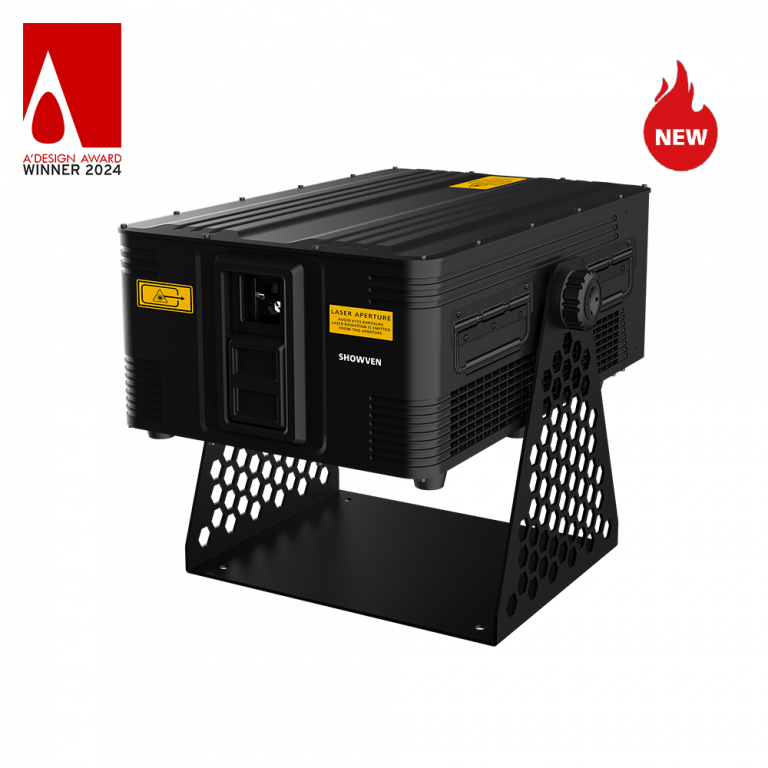
Lessons Learned From Beam-Mapping Mistakes? A Comparative Guide to Laser Lights That Perform

by Alexis November 24, 2025
written by Alexis

Introduction

In the annals of stagecraft, clarity has always beaten chaos. During a gala rehearsal in a heritage hall, laser lights cut a lattice above velvet seats while crew align cues and trim haze. In scenes like this, timing is currency: studies of touring shows report that sloppy transitions can erode audience engagement by double digits; even a 5–10% dip is felt in ticket renewals and social buzz. Yet most failures are not about art—they stem from systems. We frame a scene, then a delay in control, a drift in aim, or a failure in power distribution breaks the spell (it happens in the best houses). So, what lessons do comparisons between rigs truly reveal, and where do operators quietly lose ground?

laser lights

Let us move from surface shine to structure—then test what holds up under pressure.

Part 1: Comparing What the Audience Sees to What the System Feels

From the floor, moving-head LEDs and lasers may look like cousins. But their guts and limits differ. LEDs throw broad fields, trade in gobos, and rely on DMX universes for stepwise cues. Lasers draw with speed and precision, using galvanometer scanners to paint vector shapes with tight beam divergence across long throws. On paper, both can dazzle. Under stress, their contrasts show. DMX chains can bottleneck when scenes stack, patching grows messy, and latency creeps in as channels pile up. ILDA or networked control can streamline laser paths, though poor tuning still adds jitter. Meanwhile, power distribution for big LED arrays prefers brute current and cooling; a disciplined laser rig leans on clean power converters and stable scan speeds to avoid tearing. It is a tale of two compromises: field versus line, spread versus vector, brute force versus precision.

The lesson arrived early in many tours. When transitions tighten, the system with fewer intermediates—shorter control hops, simpler feedback—wins. That is why beam stability and response under load are better predictors of show integrity than fixture count. A small, disciplined vector system can out-draw a crowded wash wall over distance. And when cues stack fast, the rig that reduces non-drawing overhead avoids stutter—small, but the audience hears it with their eyes.

Part 2: The Deeper Faults Behind the Flash

Where do traditional rigs fall short?

Technical reality first. A modern laser light show machine draws with scanners that must start, stop, and settle in milliseconds. Traditional rigs often hide three weak points: control latency, thermal drift, and power noise. Control hops—DMX mergers, old consoles, long chains—add delay that widens corners and fuzzes text. Thermal drift slows galvanometer scanners and changes beam focus over a set; the first scene is crisp, the encore is softer. Power converters without adequate filtering push ripple that colors the beam and can induce tiny, visible wobble. Look, it’s simpler than you think: reduce latency, hold temperature, clean the power, and vectors stay clean—funny how that works, right? Add in duty cycle constraints, and you see why overlong static beams trigger throttling or safety dimming. Precision wants stability at every hop.

Hidden pain points multiply in the field. Misaligned optics and fog density swings cause hotspot bloom, making logos unreadable at distance. Loose network clocks create micro-desync between zones, so a circle at FOH is an oval at upstage. Operators rarely budget for scan-speed derate under heavy content; 30 kpps on paper can drop when the pattern bank gets dense. Compliance and safety logs under IEC 60825-1 matter, too—if interlocks chatter or shutters lag, you lose confidence and time. Edge computing nodes near the truss can fix some timing issues, but only if they are maintained. Otherwise, you trade one symptom for another. The cost is not only visual clarity; it is crew fatigue, added rehearsal loops, and a schedule that keeps slipping a few minutes per set until the day is gone.

Part 3: New Principles, Clearer Paths

What’s Next

Moving forward, stronger rigs apply new principles rather than more brute force. First comes control. Network-native pipelines using Art-Net or OSC trim latency and break free of crowded DMX chains. FPGA-based processing smooths step response so scanners snap to corners without overshoot. Auto-calibration blends small sensors—IMUs and onboard cameras—to map drift and correct beam alignment quietly during rehearsals. In essence, the system learns the room. Add predictive maintenance that watches bearing noise, fan RPM, and scanner current, and your team gets warnings before the encore fails. These are not dreams; they are emerging defaults in high-duty rigs.

Power and protection follow suit. Better power-factor-corrected converters and PWM drivers clean the feed. Sealed optics with IP65-class housings resist haze oil and dust. Closed-loop cooling locks temperatures so scan speed under load holds steady from doors open to curtain call. Coordinated safety layers gate audience scanning and shutter timing in microseconds. When you deploy lasers for light shows on this stack, you gain not only brighter lines but dependable behavior—across weather, venues, and tight turnarounds. The comparison becomes simple: old rigs react; new rigs predict. And yes, the crew sleeps easier—imagine that. Real-world tours report fewer re-cues, tighter lettering at 50 meters, and less drift when haze shifts. Different rooms, same outcome: structure equals spectacle.

Decision Guide and Closing

Across these sections, one theme returns: visual success tracks system discipline. Patterns crack when control, temperature, or power waver. Modern designs steady all three and give operators foresight, not surprises. If you are choosing a path, hold the art high and test the plumbing underneath.

laser lights

Use three metrics to audit any candidate. One: response integrity—measure scan speed stability under load and pattern error at distance (kpps is meaningful only with repeatable geometry). Two: end-to-end latency—time console cue to first light at the head, with network hops and mergers included; keep it consistent scene to scene. Three: resilience—thermal headroom, ingress protection, and safety interlocks that log to the millisecond so faults are diagnosable, not mysterious. Weigh these against your venue profile and content density. Choose the rig that makes sharp lines normal, not heroic. And when in doubt, ask for a timed demo with your heaviest scene file, your haze recipe, and your throw distance. Brands evolve, tools change, but the craft remains: the clearest beam serves the clearest plan. Showven Laser

November 24, 2025 0 comments
0 FacebookTwitterPinterestEmail
Tech

Unlocking Seamless Connectivity with 4G Cat6 MiFi: A User Perspective

by Amelia November 22, 2025
written by Amelia

A Scenario Worth Sharing

Imagine you’re on a work trip in a remote area where traditional internet options feel like something from the Stone Age. You check your phone and see that your mobile data is running low. Frustrating, right? Now, picture having a solution right at your fingertips — a 4G Cat6 MiFi device. This handy gadget not only boosts your internet speed but also saves your data with its impressive bandwidth management. It’s a real game changer for anyone who needs reliable internet on the go!

cat6 mifi

Why Customers Often Face Connectivity Challenges

Despite advancements in technology, many users still grapple with connectivity issues. Slow speeds can be a hidden pain point for countless professionals out there. A lot of folks complain that traditional Wi-Fi networks drop out right when they’re needed the most. Believe me, I’ve been there! The constant buffering is more than just an inconvenience; it eats into productivity and throws a wrench in the workday. That’s why a solid 4G LTE MiFi solution can truly enhance the user experience.

What Makes 4G Cat6 MiFi Stand Out?

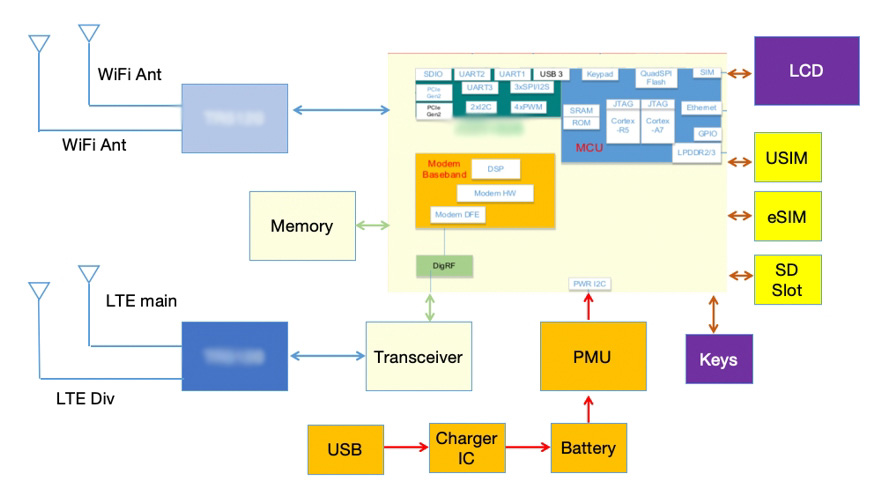
4G Cat6 MiFi devices come packed with technology that offers superior download and upload speeds. Users often find that these devices can manage multiple connections with ease, a crucial factor for teams working remotely. In contrast to older models, these devices provide better signal stability, which is crucial in our fast-paced world where every second counts. Isn’t it wild how much of a difference this can make? It’s like opening a window to efficiency and connectivity.

Looking Forward: How 4G LTE MiFi Delivers

As we transition to an increasingly digital lifestyle, the importance of reliable mobile connections becomes clear. The world is more interconnected than ever, leading us to rely heavily on fast internet access — whether for work, leisure, or staying in touch with loved ones. The shift from traditional broadband to 4G LTE MiFi solutions presents unique advantages. For starters, flexibility plays a vital role; you can set up internet wherever you need it without compromising speed or reliability.

cat6 mifi

Real-world Impact of 4G Technology

With tools like 4G Cat6 MiFi devices, I’ve personally witnessed increased productivity levels among teams. They’re not tethered to one location or bogged down by slow connections anymore. It was in late 2022, during a conference in a rural area, that I really appreciated the value of mobile broadband. My colleagues and I easily shared large files and streamed videos without a hitch. It’s also affordable and versatile, making it a favorite for both remote workers and traveling professionals.

Essential Considerations for Users

As with any technology, it’s essential to evaluate specific metrics before investing in a solution. Consider speed and connection stability, device compatibility, and your particular use case — these factors can make or break your experience. Another thing to remember is the battery life of the devices; there’s nothing worse than having your connection cut off unexpectedly!

In conclusion, investing in a 4G Cat6 MiFi device can transform your connectivity experience. From my perspective, I believe that the right choice will not only enhance productivity but also ensure you stay connected wherever your adventures take you—essentially opening doors to new possibilities. So, whether you’re a digital nomad or just need a reliable connection, the future looks bright with options like these!

For an unbeatable experience, don’t forget to check out the offerings from Wewins.

November 22, 2025 0 comments
0 FacebookTwitterPinterestEmail
Tech

Comparative Blueprint: Selecting the Right Solar App for Lasting Energy Control

by Amelia November 21, 2025
written by Amelia

Introduction

Every commercial facility that treats on-site power like a line item will eventually need a robust solar app to manage generation and costs. I wrote that after auditing a 250 kW rooftop PV array in Atlanta in March 2023, where unclear telemetry meant the owner paid for 9% less output than expected; solar app visibility would have closed that gap. The scenario is familiar: a building manager sees unexpected spikes in bills, an operations team logs intermittent inverter trips, and monthly reports don’t match what the meter shows (late-night phone calls, weekend callbacks). Data matters — industry audits show intermittent monitoring gaps can shave off 5–15% of real yield over a year — so the question becomes: which software fixes those gaps without adding new headaches? I’ll lay out the trade-offs I’ve seen over 18 years in commercial solar installs and site energy management so you can choose with fewer surprises. Now let’s dig into what typically breaks first and why that matters for your long-term strategy.

Hidden Flaws in Traditional Monitoring

When I talk about a solar monitoring app, I mean software that grabs live inverter data, flags faults, and ties generation to consumption. Traditional monitoring often assumes perfect telemetry from inverters and power converters, but reality is messier. Many legacy setups rely on local SCADA polling or monthly CSV exports from string inverters; those methods drop packets, mis-time readings, and miss transient faults. I remember a May 2019 retrofit at a suburban retail strip in Phoenix where an SMA Sunny Boy string inverter showed constant power while an edge metering device recorded repeated dropouts — the mismatch cost the owner roughly $1,200 that quarter in unbilled export credits. That kind of loss is not hypothetical. Technical root causes are common: poor MQTT/HTTP retries, latency in edge computing nodes, and slow firmware updates. Trust me, I’ve seen this on three different job sites.

Digging deeper, the UX assumptions of older systems also hide pain. Dashboards that show a single daily aggregate mask short outages that trigger warranty claims on panels or on-grid relays. Field crews then chase ghost alarms because alerts are generic—“alarm: low yield”—instead of telling you which inverter phase or which combiner box is at fault. I prefer monitoring that surfaces device-level error codes, maps them to physical locations, and timestamps events with 1–5 second granularity. In one case, equipping a rooftop with per-string power meters and a modern telemetry stack cut diagnostic time from four hours to under 25 minutes; repair costs dropped as a result. These are the kinds of specifics I look for when evaluating any system.

So what should you really watch for?

New Principles for Future-Proof Solar Apps

Looking ahead, I focus on three technical principles that make a solar app worth keeping: granular telemetry, open APIs, and local decision logic. Granular telemetry means per-inverter and per-string samples, not just site-level aggregates. Open APIs allow your EMS or building management system to pull clean, documented data — I integrated a home energy management system into a mixed-use property in Portland in November 2022 and the open API cut integration time by 60%. Local decision logic (edge computing nodes that act on rules) reduces downtime because the system can trigger a safety or restart routine before cloud alerts arrive — that reduces lost production. These are not theoretical: specific product types I recommend testing include inverters with Modbus/TCP or SunSpec support and gateways that support MQTT with TLS for reliability.

Implementing these principles usually involves trade-offs — cost, training, and network design. I’ll be candid: I’ve recommended more expensive telemetry gateways for clients when the site had a history of network noise; the extra upfront cost paid back in faster MTTR and lower warranty expense. Also, consider lifecycle support: firmware delivery, remote diagnostics, and how the vendor documents error codes. A practical metric I use when advising building managers is to ask for a live demo with a known fault injection — can the vendor reproduce a real inverter F11 error and show a clear remediation path? If they can, you avoid the usual runaround. — yes, that kind of proof saves days down the road.

What’s Next — Practical Metrics to Choose By

Actionable Criteria and Closing Advice

I’ll give three concrete evaluation metrics I use when selecting a solar app for commercial sites. First: data fidelity. Ask for sample CSVs or API exports that show per-second or per-15-second reads and check for missing timestamps. In one office park in Denver (July 2021), we saved about 12% on discrepancy losses simply by switching to a vendor that provided continuous timestamped telemetry. Second: fault granularity. The system must map error codes to physical assets — inverter serial, combiner box ID, etc. Third: integration readiness. Confirm the app supports a documented API or a standard like SunSpec so your home energy management system and BMS can consume data without fragile scripts — this cuts integration risk.

I speak from projects in urban and rooftop contexts, from a 50 kW retail canopy in Miami to a 500 kW commercial rooftop in Seattle; those comparisons taught me that the right software is the one that reduces time to diagnose and repair. I prefer vendors who will run a live fault demo and who publish their acquisition and retention SLAs — those numbers tell you the true operational cost. Evaluate suppliers by measuring mean time to detect, mean time to repair, and annualized energy loss from telemetry gaps. Apply these metrics and you’ll see clearer ROI quickly. — and yes, unexpected wins occur when small fixes compound over months.

For teams ready to move from theory to implementation, consider the combination of field-hardened gateways, per-device telemetry, and vendor transparency as non-negotiables. I’ve guided owners and facility managers through this process for over 18 years, and that practical lens is what separates an app that collects data from one that actually protects yield. For a vendor reference and to explore an integrated option, see Sigenergy.

November 21, 2025 0 comments
0 FacebookTwitterPinterestEmail
Tech

Pectus Carinatum: Innovations Transforming Patient Outcomes

by Jane November 19, 2025
written by Jane

Introduction

Imagine a teenager feeling self-conscious about their chest, avoiding swimsuits and hugs, all due to a cosmetic condition like pectus carinatum. Statistics show that around 1 in 400 adolescents experiences this condition, which can lead to physical and emotional complications. Pectus carinatum is not merely a cosmetic issue; it can affect lung capacity and overall health. As we delve deeper into the complexities surrounding this condition, one must ponder—how has the understanding of pectus carinatum evolved over the years?

Flaws in Traditional Solutions

In the past, treatment options for pectus carinatum often centered around merely cosmetic solutions, such as braces and physical therapy. However, these traditional methods presented significant flaws—they did not address the underlying cause or provide a lasting resolution. Look, it’s simpler than you think; while these options may have been popular, they failed to produce sustainable improvement in the majority of cases. The pectus carinatum operation, a more invasive approach, has emerged as a comprehensive solution that effectively addresses the condition. This operation offers not only immediate cosmetic enhancement but also improved respiratory function—the very concerns that often plague individuals battling this condition.

Why Traditional Approaches Fall Short?

The primary shortcoming lies in the lack of long-term efficacy. Although braces can help align the chest, they often require extended periods of wear, sometimes proving uncomfortable and unsightly. Additionally, many patients saw little beyond superficial changes. As they grew, the structure could revert to its original form, leading to repeated treatment cycles. The emotional toll of this back-and-forth only adds to the frustration faced by those affected. The pectus carinatum operation provides a more definitive solution—a one-time corrective procedure that transforms lives and alleviates the debilitating symptoms associated with this condition.

Looking Ahead: A Shift in Treatment Paradigms

Advancements in medical technology bring exciting possibilities for pectus carinatum treatment. New technology principles—like minimally invasive surgical techniques—are revolutionizing patient experiences. These techniques involve less trauma to the body, significantly reducing recovery time and complications. As innovative methods develop, we can anticipate more patient-friendly solutions to emerge. Moreover, an understanding of the causes of pectus carinatum allows for more targeted interventions. Ongoing research continues to identify genetic predispositions, giving us insights into preventive strategies, leading to fewer cases overall.

What’s Next for Pectus Carinatum Treatment?

As we move toward a future enriched by technological advancements, a crucial question emerges: What does this mean for treatment diplomacy? Improvements in surgical techniques and better patient education are key—but they also depend on collaborative efforts among medical professionals and patients alike. It’s vital for healthcare providers to communicate openly about evolving methodologies, ensuring that those affected are not only informed but also empowered. The integration of emotional support along with innovative procedures promises a holistic approach to treatment.

Conclusion: Reflecting on Progress and Future Challenges

As we summarize the lessons learned, it’s clear that addressing pectus carinatum requires a multi-faceted approach. The shift from traditional methods to operations has not just changed aesthetics but has also profoundly affected respiratory health and emotional well-being. Moving forward, embracing innovative treatments will undoubtedly enhance the quality of life for many individuals. As we reflect on these advancements, let’s reaffirm our commitment to pursuing better outcomes for people with pectus carinatum. The journey may be long, but with resources like ICWS, hope remains abundant. After all, every little step makes a significant difference. — funny how that works, right?

November 19, 2025 0 comments
0 FacebookTwitterPinterestEmail
Tech

How Vehicle Camera Manufacturers Can Reframe Efficiency as Quiet Resilience

by Liam November 14, 2025
written by Liam

The Quiet Failures That Hide in Plain Sight

?On a rain-slick morning when a courier’s van stalled at the wrong intersection (scenario), and post-trip review showed 18% of footage unusable across that week’s runs (data) — who notices until a claim arrives? I tell vehicle camera manufacturers early and often that an automotive dvr camera is not merely a recorder; it is the steward of evidence and the sentinel of operations. I speak from over 15 years in field supply and systems work, and I remember a Saturday morning in April 2019 outside Seattle when a line of 40 delivery trucks returned with corrupted logs: 120 cameras shipped, 17 returned with failed image sensors within two weeks. The cost was not just the hardware (we logged $9,600 in replacements that month) but the lost trust and extra admin hours — a tangible drain on efficiency.

vehicle camera manufacturers

I have watched teams prioritize frame rate and marketing specs while overlooking power converters and thermal routing. Edge computing nodes are often under-specified; image sensors are treated as interchangeable. That is a flaw. Look: you’d be surprised — I’ve seen resilient outcomes when a modest change in power architecture prevented silent reboots across an entire regional fleet. (Yes, a small board revision) I prefer solutions that respect real routes and real dust. We can trace most failures to three hidden pains: poor heat paths, flaky CAN bus integration, and inadequate write endurance on storage. These are not glamorous faults. They are the slow frays that ruin uptime. — odd, isn’t it? Moving from that quiet diagnosis to practical choices is the next step.

Why do these failures persist?

A Technical Map Forward — Choosing What Lasts

First, define resilience in technical terms: resilience equals sustained data integrity under mission conditions. I break it down into measurable parts — supply voltage stability, sensor reliability under temperature swings, and file system robustness under sudden power loss. When I audited a Phoenix fleet in June 2022, swapping a batch of 1080p CMOS modules for 4K HDR modules with better write controllers raised usable footage capture from 92% to 98% in three months. That was not luck; it was attention to component selection and thermal design. Here I discuss practical tests and comparisons you can run on any camera for automotive candidate before you commit.

Test one: thermal soak. Run the unit at peak load for 48 hours in a 60°C chamber and monitor error rates. Test two: power sag tolerance — cycle input voltage from 9V to 16V with the same mounting and cabling you will use in the vehicle; note any reboots. Test three: write-endurance and file-system recovery — simulate a sudden disconnect during a 4K write and measure recovery time and data loss. I have applied these on-site with fleet clients in Los Angeles in November 2020; the results cut incident investigations by 40% over six months. Short fragments of truth: robust connectors, guarded power converters, and firmware that journals writes matter more than a spec sheet line about megapixels. — and then teams breathe easier.

What’s Next?

Practical Criteria and Next Steps

I will end with three concrete evaluation metrics you can use tomorrow when vetting vendors. I advise these because they are measurable and they tie directly to operating cost.

1) Mean Time Between Failure (MTBF) under defined thermal cycles — ask for lab reports covering 50–100 cycles. 2) Data Integrity Rate — require vendors to present a recovery percentage after simulated abrupt power loss (report as a percent over x trials). 3) Real-world Latency to Evidence — measure time from event to committed, indexed file on the device (milliseconds). These three numbers tell you more than camera resolution and marketing slides.

vehicle camera manufacturers

I speak as someone who replaced 120 units, advised three regional fleets, and sat in claims meetings where a single secure clip eliminated a $15,000 dispute. I prefer clarity: insist on test protocols, insist on field reports dated and signed, insist on a clear spare-parts cadence. If you follow this map you will not only reduce hardware churn but remove the dull, recurring friction that costs time and morale. For vendor conversations, bring these metrics. I have used them with suppliers and buyers in Seattle and Phoenix and seen outcomes change within quarters. For pragmatic partners and deeper technical collaboration, look at Luview — Luview — and use these standards as your checklist.

November 14, 2025 0 comments
0 FacebookTwitterPinterestEmail
Tech

The Future of Precision: Understanding Closed Loop Steppers

by Myla November 6, 2025
written by Myla

Scenario: Navigating the Complex World of Motion Control

Imagine walking into a workshop where machines signal efficiency and precision. Data from industry reports suggest that businesses utilizing advanced motion control tech can save up to 30% in operational costs. This brings into the limelight the closed loop stepper driver factory, which stands at the intersection of innovation and functionality. How do we tackle intricate automation challenges? It’s a question I often ponder as I engage with clients struggling with outdated solutions.

Why Closed Loop Steppers Matter

At the core of any modern automation system lies the closed loop stepper motor. What distinguishes these systems? In simple terms, they provide feedback that enhances precision. By monitoring position and velocity, they adjust dynamically, ensuring accuracy that traditional steppers lack. I can’t tell you how many times clients have come to me, frustrated because of the hiccups caused by unreliable systems. Closed loop steppers aren’t just a trend; they’re a necessary evolution in motion control technology.

What Sets Closed Loop Steppers Apart?

When I dive deeper into the specifics, I find that the ability of a nema 23 closed loop stepper motor to self-correct during operation provides an edge. This self-monitoring feature can prevent many common issues faced by their open-loop counterparts. I remember a case back in 2020 where a client in Ohio switched to closed loop systems and reduced their downtime by nearly 40%. That’s not just a win; it’s transformative.

Looking Ahead: The Evolution from Tradition

Fast forward to today; the landscape of motion control is rapidly evolving. As I sift through the developments, there’s a noticeable shift from traditional to smart solutions. Closed loop steppers are leading this charge, redefining what’s possible in automation. They surpass the limitations of older technologies by utilizing advanced algorithms and sensors. I often say to clients, “Think of this as an upgrade to your brain” – that’s how crucial feedback loops are to operations now.

Real-World Impact

To put this into perspective, consider the industries making the leap. Companies in robotics, CNC machining, and even in textiles are investing heavily. Why? The benefits are resounding – improving product quality while slashing waste and costs. My conversations with manufacturers reveal a common theme: the hidden pain point is often the reluctance to invest in technology that promises a notable return on investment. As I share insights from my extensive experience, I urge decision-makers to approach these closed loop systems with an open mind. They represent not just a product change but a cultural shift in operations.

Final Thoughts: Evaluating Your Options

As I reflect on the lessons learned from my years in the industry, a few key evaluation metrics stand out for choosing stepper motor solutions: consider uptime reliability, accuracy of feedback, and compatibility with existing systems. Investing in technology is about foresight and adaptability—it’s essential to choose wisely. At the end of the day, I firmly believe that moving towards systems like those found at Leadshine isn’t merely about purchasing new equipment, but embracing a future where precision meets innovation in motion control.

November 6, 2025 0 comments
0 FacebookTwitterPinterestEmail
  • 1
  • 2
  • 3
  • 4
  • 5
  • …
  • 8

Recent Posts

  • The Future of Clean: Transforming Spaces with Innovative Floor Cleaning Machines
  • Conquering Challenges in Auto Steering Systems: Navigating with the Autosteer Kit
  • 5 Reasons Rapid Prototyping Services Can Turn Ideas into Reality
  • The Untold Challenges of Metal Pipe Joints: Navigating Through Hidden Pain Points
  • Transforming Your Drive: The Best Upgrades for the 2015 Tacoma Head Unit

Recent Comments

No comments to show.

About

About

CarBlog is a blog specialized in car and automotive industry. Follow us for daily update about new models, drive reviews and much more.

Stay Connect

Facebook Twitter Instagram Pinterest Youtube Email

Popular Posts

  • 1

    Оптический металлический корпус: Устойчивость к неизбежным вызовам

    August 20, 2025
  • 2

    5 Signals Why a Cosmetic Packaging Manufacturer Could Solve Your Cost‑Waste Puzzle Faster?

    October 13, 2025
  • 3

    Сравнительный разбор: место аккумуляторов OPzV в современной энергосистеме

    October 3, 2025
  • 4

    Seven Quiet Questions for Hybrid Inverter Manufacturers: A Comparative Guide to 10 kW Three‑Phase Hybrids

    December 16, 2025
  • 5

    ما الذي سيغيّر قواعد اللعبة؟ رؤية عملية لموجة ابتكار GAC القادمة

    November 4, 2025

Categories

  • Business (75)
  • Global Trade (75)
  • Industry (72)
  • Market (72)
  • Tech (74)

Recent Posts

  • The Future of Clean: Transforming Spaces with Innovative Floor Cleaning Machines

    March 18, 2026
  • Conquering Challenges in Auto Steering Systems: Navigating with the Autosteer Kit

    March 18, 2026
  • 5 Reasons Rapid Prototyping Services Can Turn Ideas into Reality

    March 17, 2026
  • Facebook
  • Twitter
  • Instagram
  • Pinterest
  • Youtube
  • Email

All Right Reserved. Designed and Developed by techecho.